Based on recorded story, mood and style. Your preferences can change the order.
Investigation
What changes Creep: slow-burn, social tension and sudden escalation. Get Out: slow burn.
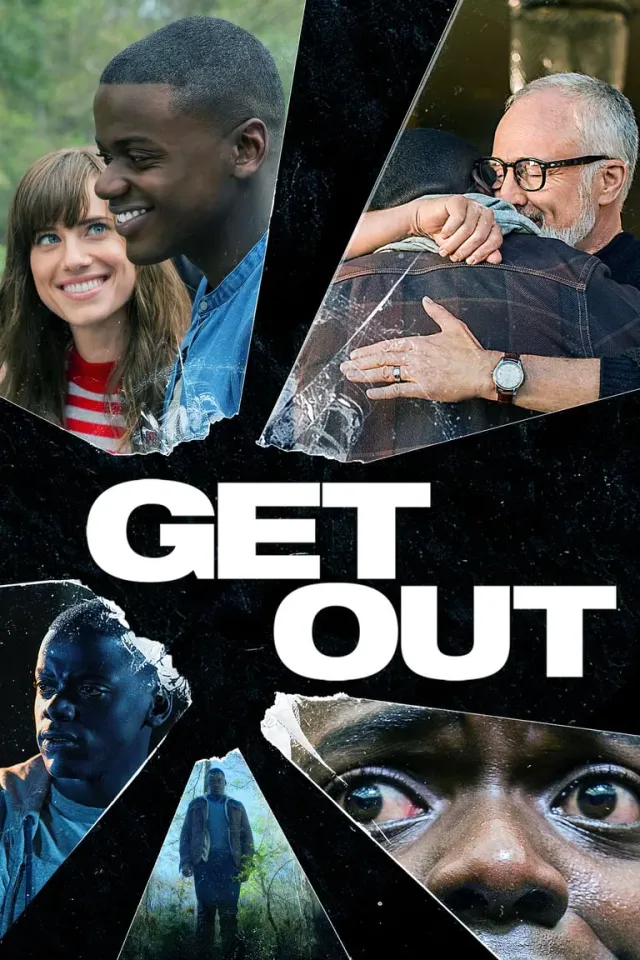
A young Black photographer visits his white girlfriend's family estate and encounters a style of hospitality that grows harder to distinguish from surveillance and possession. Casual remarks, unsettling servants and an intrusive gathering undermine the reassurance offered by his partner. His attempt to remain courteous while interpreting what he sees becomes a struggle to retain autonomy inside a household whose apparent admiration conceals a deeply racialised claim on his body.
Based on recorded story, mood and style. Your preferences can change the order.
What changes Creep: slow-burn, social tension and sudden escalation. Paranormal Activity: slow and building.
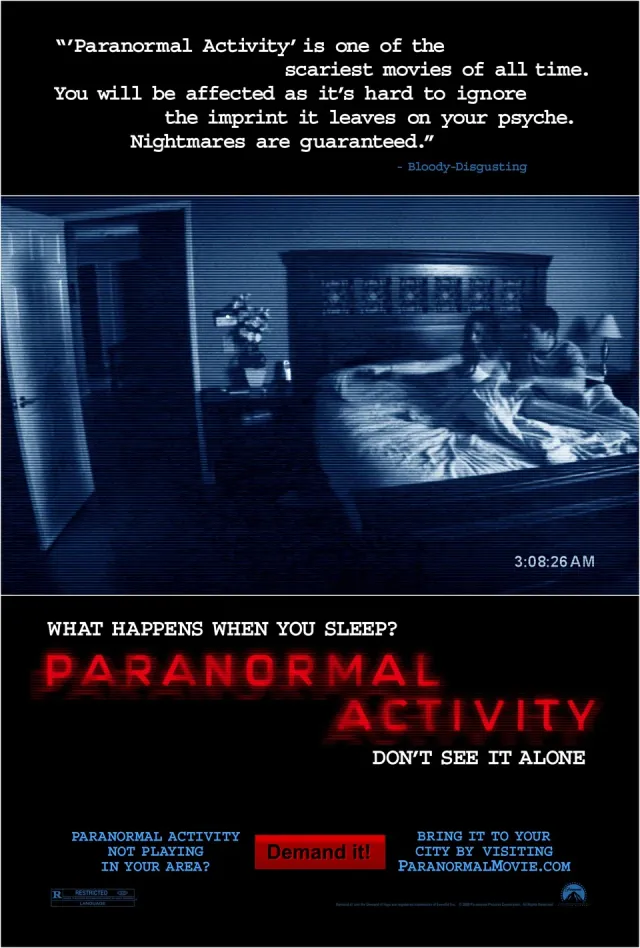
After Katie and Micah move into a San Diego home, they begin experiencing unexplained noises and disturbances at night. Micah buys a camera and records their bedroom, hoping to prove the cause while ignoring the psychic’s warning that the presence has followed Katie for years. The footage captures increasingly deliberate movement, and Micah’s experiments provoke Katie’s fear rather than calming it. Their disagreement about whether to document or avoid the entity lets the haunting intensify inside an ordinary domestic routine. The film’s found-footage structure makes the camera both evidence and a source of helpless watching.
Based on recorded story, mood and style. Your preferences can change the order.
Investigation
What changes Creep: slow-burn, social tension and sudden escalation. Rings: mystery clues accumulate before supernatural attacks.
A young woman becomes involved with a mysterious video that appears to predict the death of anyone who watches it unless they pass it on. Her search for the recording’s origin leads into a history of exploitation and supernatural danger. The horror sequel mixes investigation with a curse mechanism, turning curiosity and the circulation of media into risks that are difficult to escape.
Based on recorded story, mood and style. Your preferences can change the order.
Investigation
What changes Creep: slow-burn, social tension and sudden escalation. Raising Cain: mystery with sharp subjective reversals.
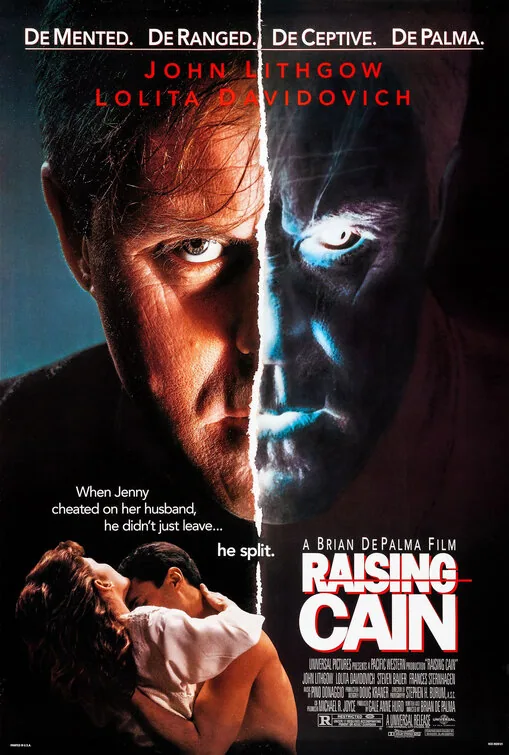
Child psychologist Carter Nix's wife becomes alarmed by his intense attention to their daughter, while the film reveals fractures in Carter's identity and a trail of abductions tied to his family. Brian De Palma turns domestic unease into a deliberately theatrical psychological thriller, using surveillance, doubles and shifting points of view to keep perception unstable. The story asks how care can become control when professional authority and private pathology overlap.
Based on recorded story, mood and style. Your preferences can change the order.
Investigation · Escape and pursuit
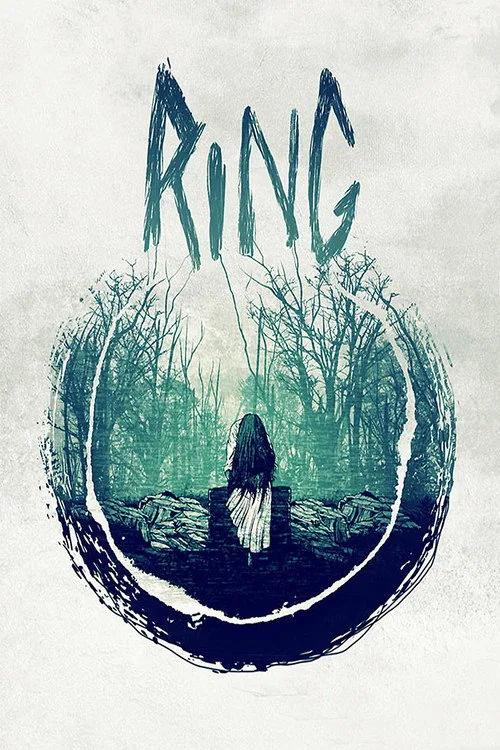
What changes Creep: slow-burn, social tension and sudden escalation. Ring: clue-driven, slow-building and supernatural escalation.
Journalist Reiko Asakawa investigates an urban legend about a videotape whose viewers receive a phone call and die seven days later. After watching the tape herself, she enlists her psychic ex-husband Ryūji to identify the images and trace their source. Their inquiry connects the curse to a child named Sadako and a well on a remote island. Hideo Nakata’s Japanese horror film builds dread through investigative clues, domestic danger, and the unsettling idea that recorded images can carry a threat into viewers’ homes.
Based on recorded story, mood and style. Your preferences can change the order.
Escape and pursuit
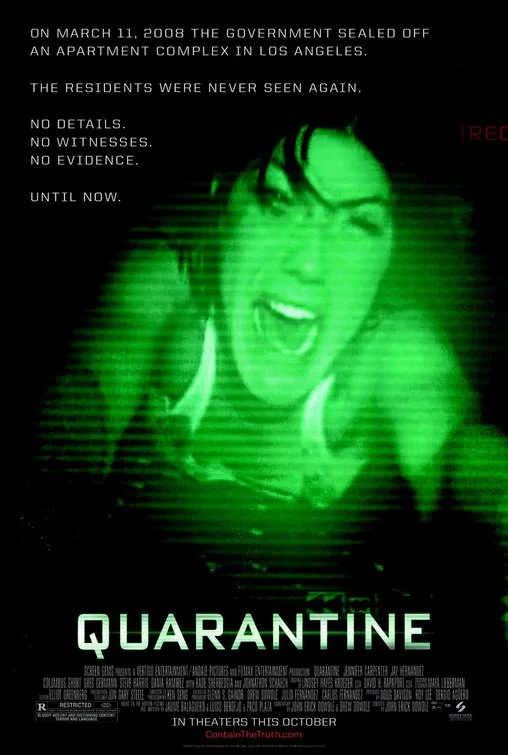
What changes Creep: slow-burn, social tension and sudden escalation. Quarantine: escalating and handheld.
A television reporter and her camera operator accompany firefighters to an apartment building, where a series of violent incidents traps residents inside. Authorities seal the structure, and the people within must navigate a worsening threat without knowing whether help can reach them. The found-footage horror remake limits what viewers can see and hear, making panic, poor communication and the building’s enclosed layout central to the danger.
Both share themes of trust, plus an intimate and unsettling atmosphere.
Why this matches +
Genres: Thriller / Horror
Shared film traits
Based on recorded story, mood and style. Your preferences can change the order.
Investigation · Escape and pursuit
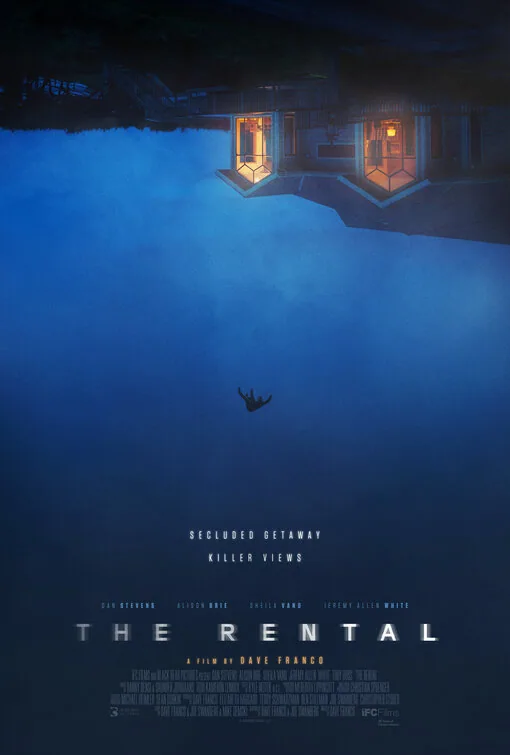
What changes Creep: slow-burn, social tension and sudden escalation. The Rental: a quiet weekend turns into an escalating home threat.
Two couples rent a remote coastal house for a weekend, where tensions over intimacy and mistrust are amplified by a discovery that the property may be surveilled. A break from the city becomes a claustrophobic conflict as secrets surface and the group’s behavior grows more suspicious. Dave Franco’s thriller uses the rental home as a site of privacy anxiety, interpersonal betrayal and escalating violence.
Based on recorded story, mood and style. Your preferences can change the order.
Investigation
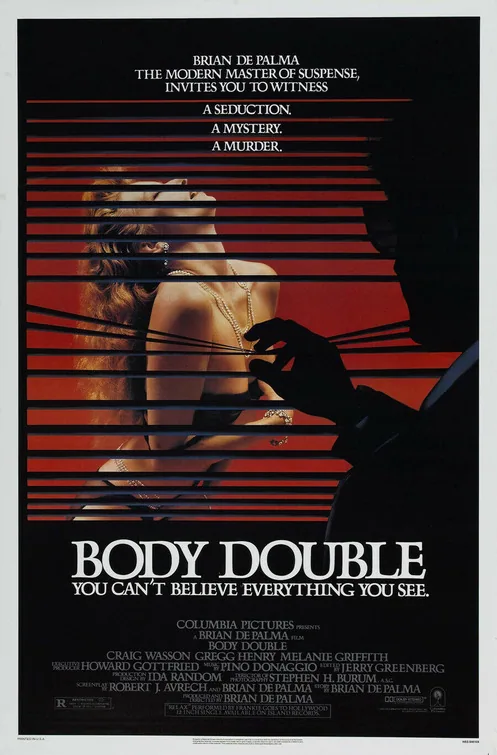
What changes Creep: slow-burn, social tension and sudden escalation. Body Double: a voyeuristic observation becomes a pursuit through film-world clues.
Struggling actor Jake Scully loses his role when claustrophobia disrupts a shoot and leaves home after discovering his girlfriend's infidelity. While house-sitting in the Hollywood Hills, he watches a neighbor through a telescope and becomes fixated on her apparent danger. The mystery draws him into an erotic, self-conscious thriller about voyeurism, performance and the unstable boundary between screen images and reality.
Based on recorded story, mood and style. Your preferences can change the order.
Investigation · Escape and pursuit
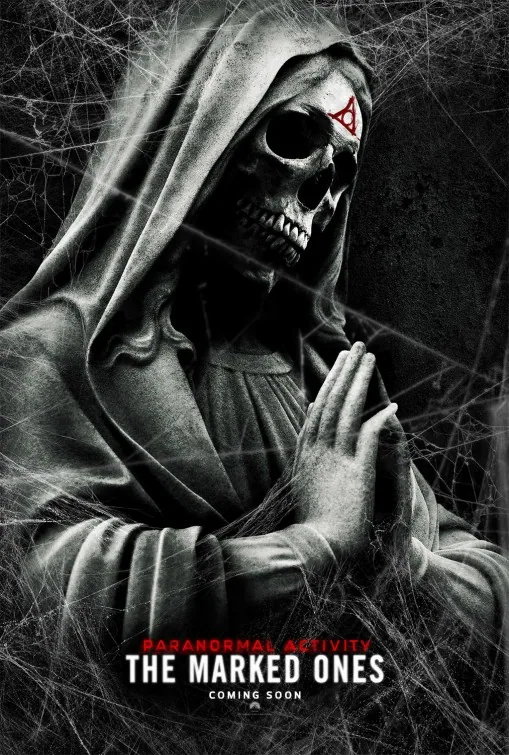
What changes Creep: slow-burn, social tension and sudden escalation. Paranormal Activity: The Marked Ones: slow domestic unease accelerates into a supernatural chase.
A group of friends investigates strange sounds and behavior in a neighbor’s apartment after a young man becomes linked to a mysterious presence. Their curiosity leads them into a hidden network of supernatural activity, shifting the found-footage perspective from domestic haunting to a larger threat. The horror draws on friendship and ordinary neighborhood life before turning that familiarity into a source of dread.
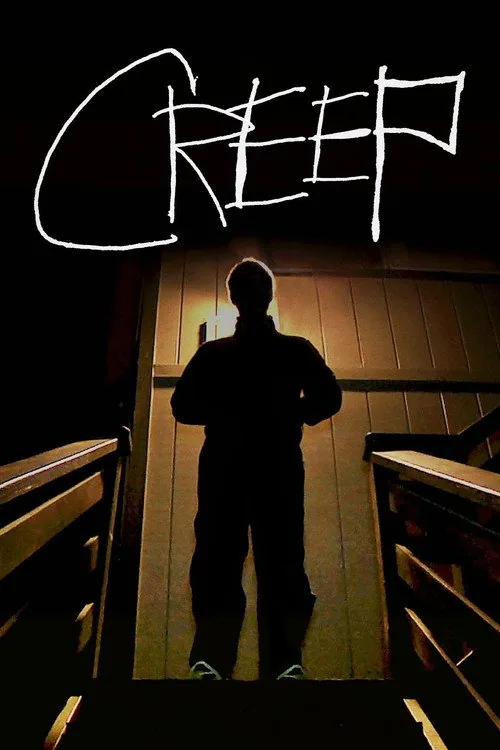
Videographer Aaron accepts a one-day job recording Josef, a man who says an inoperable brain tumor will prevent him from meeting his unborn child. The assignment begins as an intimate video diary in a remote California cabin, but Josef’s changing behavior makes Aaron question the sincerity and safety of the job. As the camera continues recording, personal disclosures become pressure and threat. Patrick Brice’s found-footage horror film turns an apparently ordinary client relationship into an unnerving two-person encounter.
What drives the story
A paid video diary assignment becomes dangerous as the client’s requests and disclosures grow less predictable.
The people at its centre
Josef alternates apparent vulnerability with boundary-testing behavior that keeps Aaron unsure how to respond.
What it feels like
Contains stalking, threats, disturbing behavior, murder, and sustained social discomfort.
Worth knowing
This low-budget found-footage horror relies on an intimate two-hander and behavioral unease instead of supernatural effects.
TrustPerformanceIsolation
Mood
Awkward · Unsettling · Intimate
Pacing
Slow-burn · Social tension · Sudden escalation
Visual style
Handheld video · Domestic naturalism · Unpolished close framing