Based on recorded story, mood and style. Your preferences can change the order.
Investigation · Memory and identity
What changes Cure: the investigation narrows around mamiya as takabe’s work and private life and sense of control begin to collapse together. Ring: clue-driven, slow-building and supernatural escalation.
Journalist Reiko Asakawa investigates an urban legend about a videotape whose viewers receive a phone call and die seven days later. After watching the tape herself, she enlists her psychic ex-husband Ryūji to identify the images and trace their source. Their inquiry connects the curse to a child named Sadako and a well on a remote island. Hideo Nakata’s Japanese horror film builds dread through investigative clues, domestic danger, and the unsettling idea that recorded images can carry a threat into viewers’ homes.
Based on recorded story, mood and style. Your preferences can change the order.
What changes Cure: the investigation narrows around mamiya as takabe’s work and private life and sense of control begin to collapse together. Ichi the Killer: escalating violence, intercut pursuits and surreal disruptions.
When yakuza boss Anjo disappears, his sadomasochistic lieutenant Kakihara searches through rival gangs and a trail of extreme violence to find him. A manipulative handler named Jijii steers the investigation toward Ichi, a psychologically damaged man used as a weapon against the underworld. The characters' conflicting appetites for control and pain make the story deliberately grotesque and unstable. Takashi Miike adapts the manga as a transgressive crime horror film whose graphic violence and surreal tone are central to its impact, rather than incidental effects.
Based on recorded story, mood and style. Your preferences can change the order.
Memory and identity · Survival
What changes Cure: the investigation narrows around mamiya as takabe’s work and private life and sense of control begin to collapse together. Ju-On: The Grudge: short character episodes, repeated haunting escalations and nonlinear accumulation of dread.
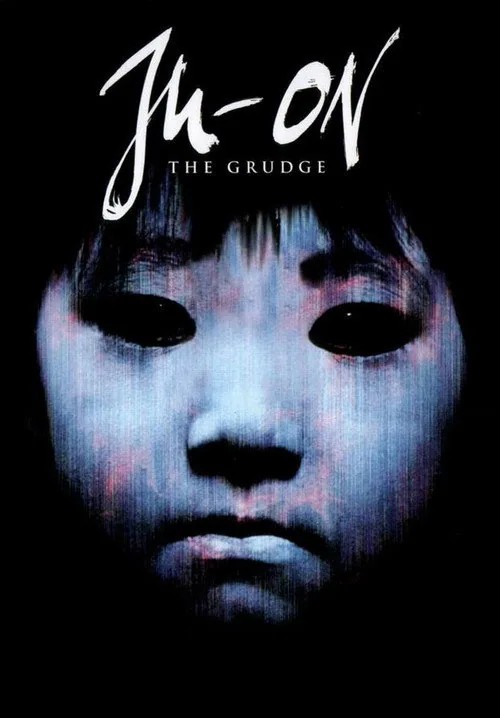
A violent family murder in Tokyo creates a curse that attaches itself to the house where the deaths occurred and follows anyone who enters. The film moves nonlinearly through connected stories of caregivers, residents, students, and investigators who encounter the ghosts Kayako and Toshio. As each victim's death expands the haunting's reach, police try to reconstruct the house's history but find that understanding the curse does not provide a way out. Its fractured sequence turns ordinary domestic spaces into a chain of recurring dread.
Based on recorded story, mood and style. Your preferences can change the order.
Memory and identity · Survival
What changes Cure: the investigation narrows around mamiya as takabe’s work and private life and sense of control begin to collapse together. The Grudge 2: intercut character introductions, uneasy supernatural escalation and cumulative dread.
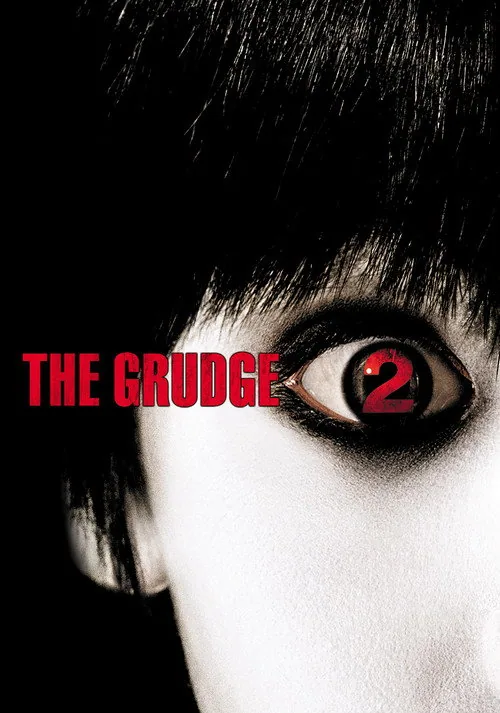
After the curse surrounding the Saeki house reaches beyond its original victims, three intertwined stories follow people drawn into its expanding chain of terror. Karen's sister Aubrey travels to Tokyo after learning Karen is hospitalized, while a schoolgirl named Allison and two classmates enter the infamous house and encounter its ghosts. In Chicago, young Jake senses the same presence in his apartment building. Told out of sequence, the episodes show how rage and grief turn each encounter into another link in the haunting.
Based on recorded story, mood and style. Your preferences can change the order.
Investigation · Memory and identity
What changes Cure: the investigation narrows around mamiya as takabe’s work and private life and sense of control begin to collapse together. Hide and Seek: slow burn and escalating.
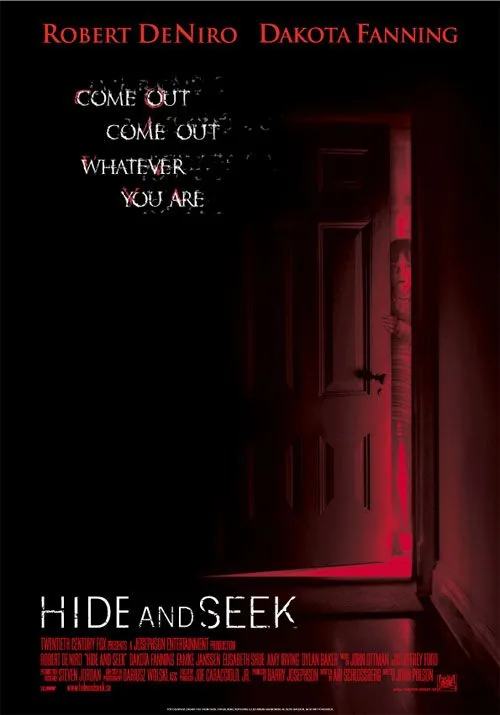
After the death of his wife, a psychologist moves with his young daughter to a quieter home, hoping that a change of setting will help them recover. The girl begins speaking about an imaginary companion, and increasingly troubling events lead her father to question what is real. The psychological thriller builds tension through grief, secrecy and the limits of his professional confidence.
Based on recorded story, mood and style. Your preferences can change the order.
Investigation · Memory and identity
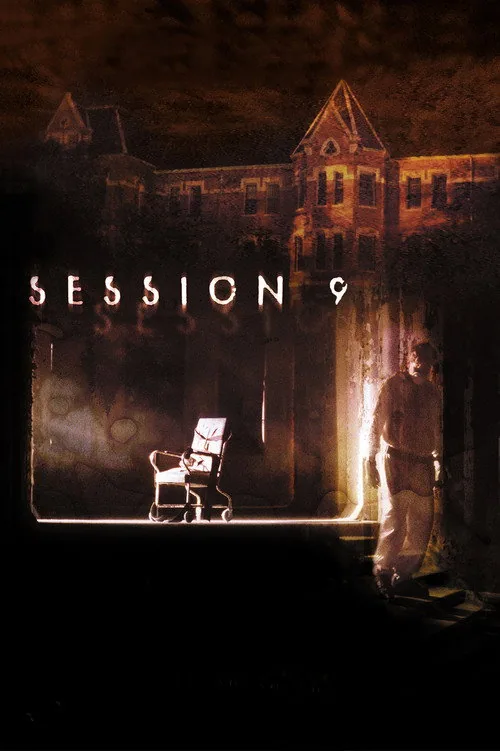
What changes Cure: the investigation narrows around mamiya as takabe’s work and private life and sense of control begin to collapse together. Session 9: slow-burn and atmospheric escalation.
An asbestos-removal crew wins a job at an abandoned psychiatric hospital and begins work under pressure to finish quickly. As the men explore the decaying building, one worker listens to recorded therapy sessions involving a former patient named Mary Hobbes, and the material begins to unsettle him. Tensions within the crew rise as the hospital’s history and the men’s own conflicts crowd into the job. Brad Anderson’s psychological horror film uses the location, recorded voices, and fractured group dynamics to create dread without relying on constant shocks.
Based on recorded story, mood and style. Your preferences can change the order.
Investigation · Memory and identity
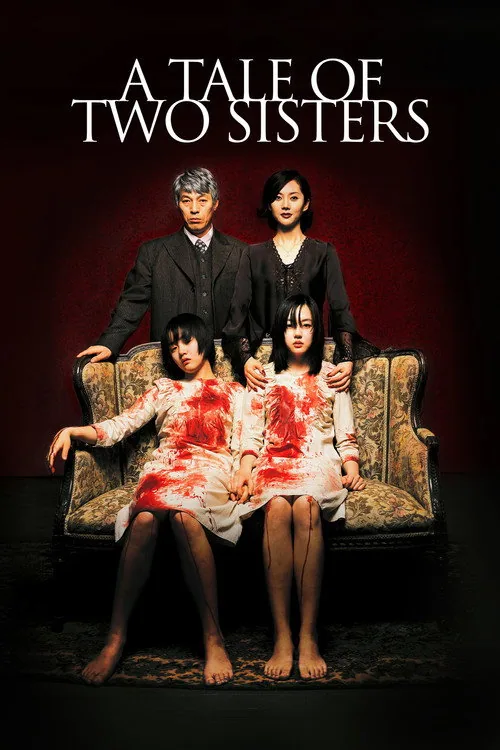
What changes Cure: the investigation narrows around mamiya as takabe’s work and private life and sense of control begin to collapse together. A Tale of Two Sisters: slow-building dread, domestic conflict and late psychological revelations.
After leaving a mental health facility, teenager Su-mi returns to her family’s secluded country home with her younger sister Su-yeon. Their father’s new wife, Eun-joo, creates an atmosphere of conflict, while strange events and unsettling memories complicate the sisters’ return. Kim Jee-woon’s South Korean psychological horror draws on a traditional folktale but uses domestic spaces, family tension, and carefully shifting perspective to build its mystery. The story contains traumatic family conflict and is best approached without plot spoilers.
Based on recorded story, mood and style. Your preferences can change the order.
Investigation
What changes Cure: the investigation narrows around mamiya as takabe’s work and private life and sense of control begin to collapse together. The Exorcist III: slow-burn and dialogue-led.
Detective William Kinderman investigates a series of murders that resemble crimes committed by a dead serial killer. His case leads to a psychiatric ward patient whose identity and connection to the past challenge rational explanation. The horror film gives the investigation room to develop through conversations, clues and quiet dread, treating faith and grief as part of the mystery rather than only spectacle.
Based on recorded story, mood and style. Your preferences can change the order.
Investigation
What changes Cure: the investigation narrows around mamiya as takabe’s work and private life and sense of control begin to collapse together. Sinister: slow-building and investigation-led.
A true-crime writer moves his family into a house connected to an unsolved murder, concealing the reason from his wife. The discovery of disturbing home movies offers material that might revive his career, but his investigation begins to suggest a pattern reaching beyond ordinary crime. Professional ambition keeps him close to evidence that threatens the household, making the urge to watch and interpret part of the danger itself.
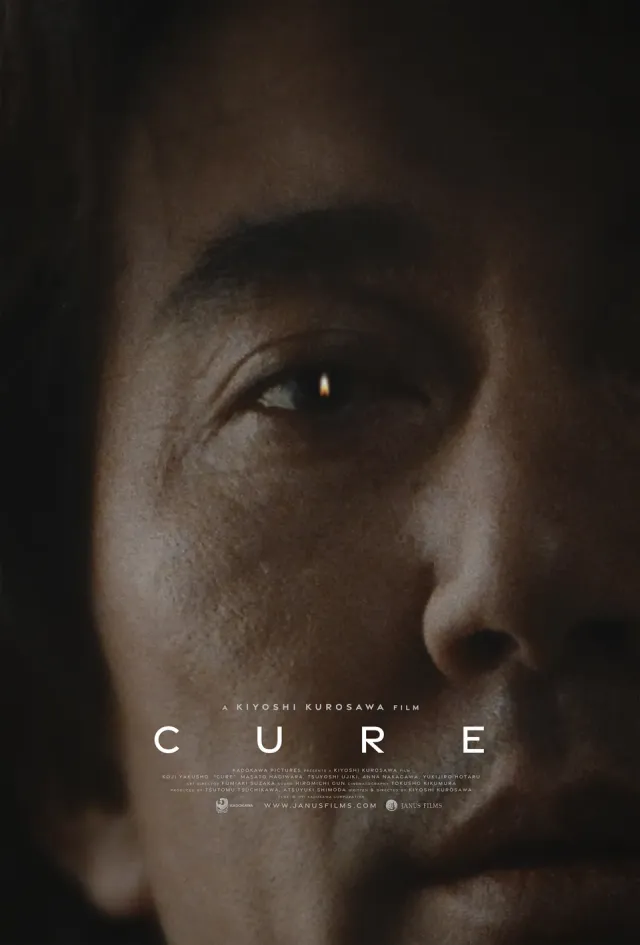
Detective Kenichi Takabe investigates a string of murders in Tokyo in which unrelated suspects confess but cannot explain their actions. Each victim bears an X-shaped wound, and the cases lead Takabe and forensic psychologist Shin Sakuma to Kunihiko Mamiya, a former psychology student who seems unable to retain memories. Mamiya’s questions and apparent hypnotic influence unsettle the investigators, while Takabe’s home life is strained by his wife Fumie’s illness. The case becomes a psychological struggle in which certainty, responsibility and control gradually erode.
What drives the story
Takabe’s effort to explain the murders is complicated by a suspect who refuses the usual logic of motive and memory.
The people at its centre
His concern for Fumie coexists with frustration he has difficulty acknowledging, leaving him vulnerable to Mamiya’s probing.
What it feels like
The film lets small repetitions and unexplained behavior build horror without relying on spectacle.
Worth knowing
Each murderer confesses, yet an X-shaped pattern and one unsettling suspect make the detective question what causes violence.
violencememorysuggestion
Mood
unnerving · hypnotic · bleak · slow-burning
Pacing
The investigation narrows around Mamiya as Takabe’s work · private life and sense of control begin to collapse together
Visual style
Patient pacing · repeated gestures and ordinary urban spaces create an atmosphere of creeping psychological horror
Storytelling
A Tokyo detective links inexplicable murders to a drifter whose questions unsettle everyone who meets him