Explore films connected to Session 9 through work and psychological strain, memory and trauma, isolation and group tension. Choose the qualities you want to carry into your next watch.
What should feel similar?
Find your next favourite
9 films · Closest overall matches
Hide films you’ve seen or don’t want. Saved on this device.
No matches for this combination yet.
Try another option or reset your choices to see more films.
Based on recorded story, mood and style. Your preferences can change the order.
Investigation · Memory and identity
What changes Session 9: slow-burn and atmospheric escalation. White Noise: slow-building and escalating.
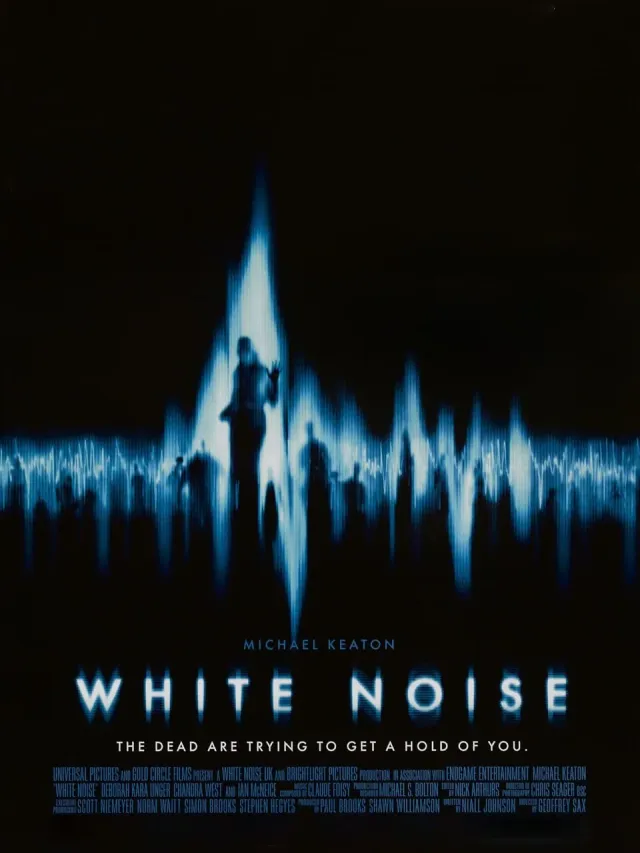
After his wife dies, an architect is approached by a researcher who claims to record messages from the dead through electronic interference. His search for contact becomes entangled with frightening events and with the possibility that grief is making him vulnerable to dangerous interpretations. The film uses technological mediation as a horror device, examining the desire to hear from a lost person and the risks of treating ambiguous signals as certainty.
Based on recorded story, mood and style. Your preferences can change the order.
Investigation
What changes Session 9: slow-burn and atmospheric escalation. The Void: crisis-driven, rapid escalation and contained siege structure.
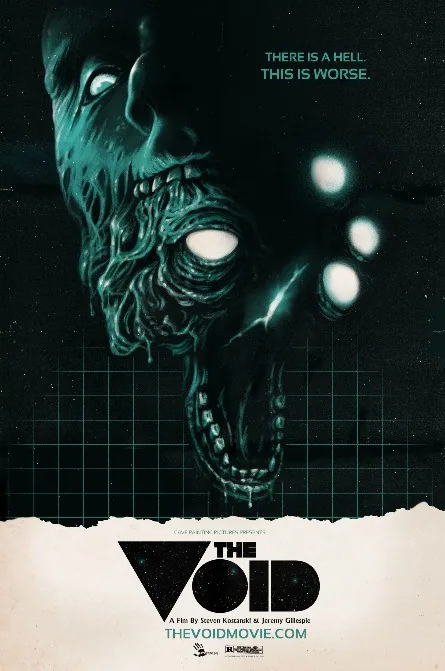
Police officer Daniel Carter brings an injured stranger to a nearly empty hospital on the edge of town. Once inside, patients and staff find themselves surrounded by hooded figures and cut off from help. As disturbing changes spread through the hospital, Carter and the survivors try to find a way out while uncovering a cult’s connection to the place. Jeremy Gillespie and Steven Kostanski build the film around a single besieged location and increasingly grotesque body-horror imagery.
Based on recorded story, mood and style. Your preferences can change the order.
Investigation · Memory and identity
What changes Session 9: slow-burn and atmospheric escalation. The Uninvited: slow-building and revelation-led.
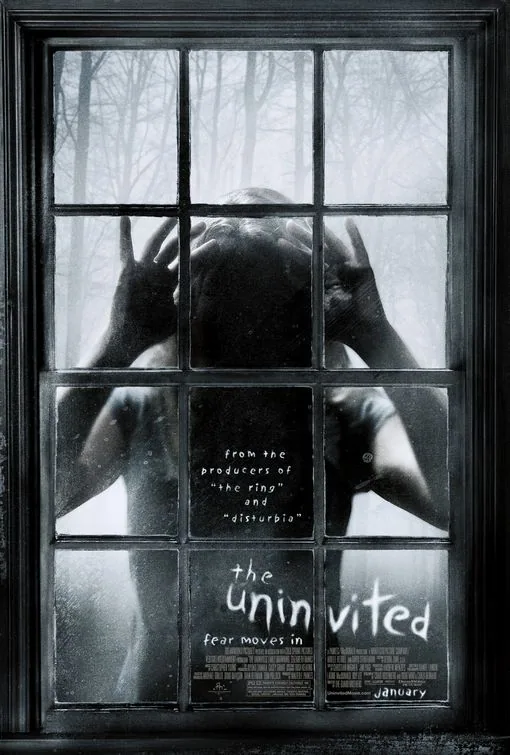
After leaving a psychiatric facility, a teenager returns home to live with her father and his new partner, while troubling events and memories complicate her sense of safety. Her sister supports her suspicions, but the household’s version of the past does not match what the girls remember. The horror remake uses family grief and uncertain recollection to build a mystery in which the apparent supernatural threat may be tied to a more intimate betrayal.
Based on recorded story, mood and style. Your preferences can change the order.
Investigation · Memory and identity
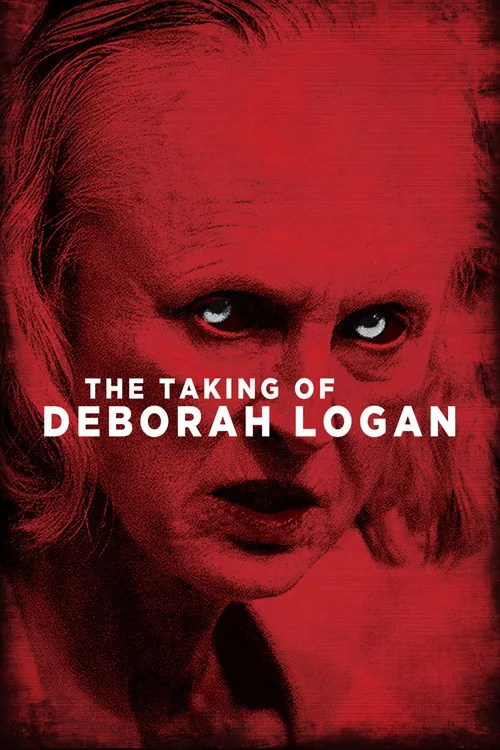
What changes Session 9: slow-burn and atmospheric escalation. The Taking of Deborah Logan: care routines and interview setup, footage reveals unexplained behavior and investigation becomes rescue.
A student documentary team records Deborah Logan, an older woman with Alzheimer's disease, and her daughter Sarah as they navigate daily care in Virginia. Deborah's behavior grows increasingly disturbing, and the crew begins to capture events that seem to exceed the effects of dementia. A mysterious telephone line and references to an old ritual lead them toward a local physician's history and a new danger involving a young patient. The found-footage horror asks where observation ends and responsibility begins when a family's crisis becomes the subject of a film.
Based on recorded story, mood and style. Your preferences can change the order.
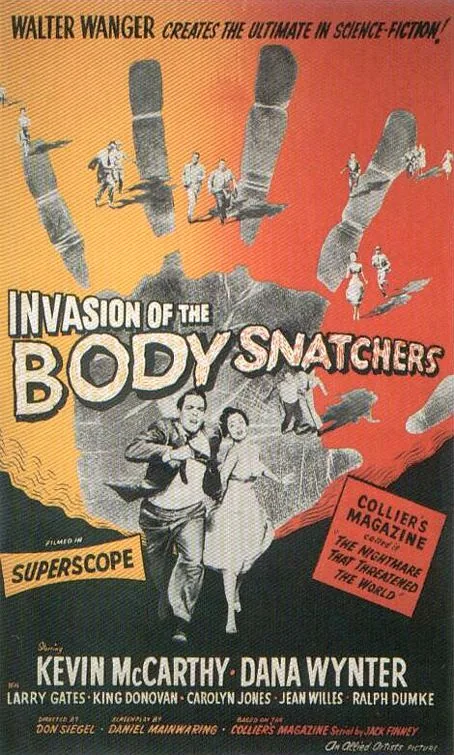
What changes Session 9: slow-burn and atmospheric escalation. Invasion of the Body Snatchers: steady and escalating.
A doctor returning to a small California town hears patients insist that familiar relatives are no longer the same people. Physical evidence gradually supports a threat that official reassurance initially treats as collective confusion. As replacement spreads through sleep, seeking help becomes dangerous because the institutions expected to verify experience may already belong to the process denying it. The science-fiction thriller makes ordinary social recognition precarious, turning the desire to remain awake and emotionally distinct into a defense against apparently frictionless conformity.
Based on recorded story, mood and style. Your preferences can change the order.
Memory and identity
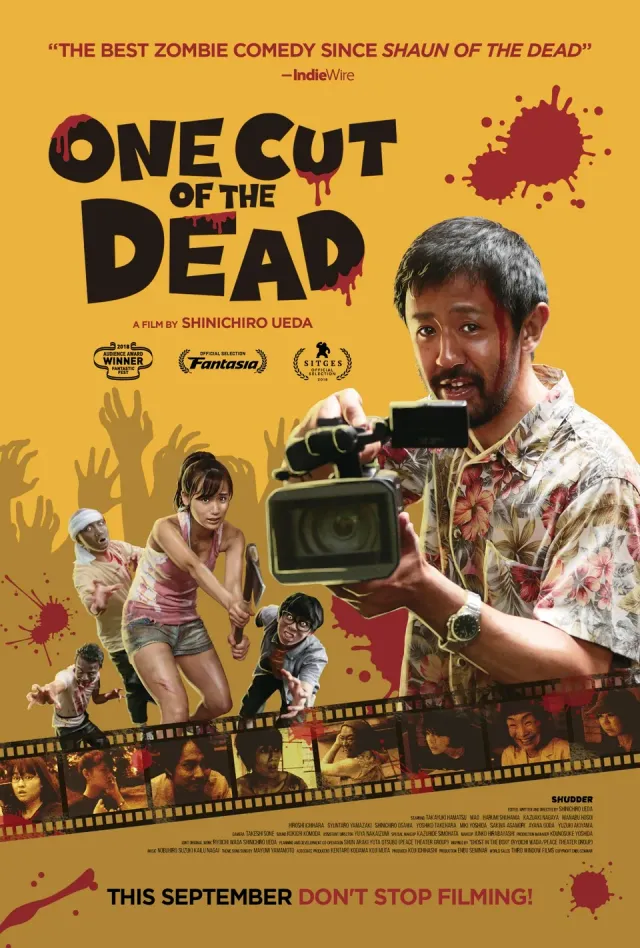
What changes Session 9: slow-burn and atmospheric escalation. One Cut of the Dead: slow-burn opening, perspective shift and comic payoff.
A small film crew shoots a zombie movie inside an abandoned water-treatment plant, where the determined director keeps the cameras rolling as strange events unfold. The story then widens beyond the apparent one-take horror scene, revealing the people, pressures, and improvised planning behind the production. This Japanese comedy-horror turns low-budget filmmaking into both its subject and its source of surprises, moving from undead chaos toward an affectionate portrait of creative teamwork.
Based on recorded story, mood and style. Your preferences can change the order.
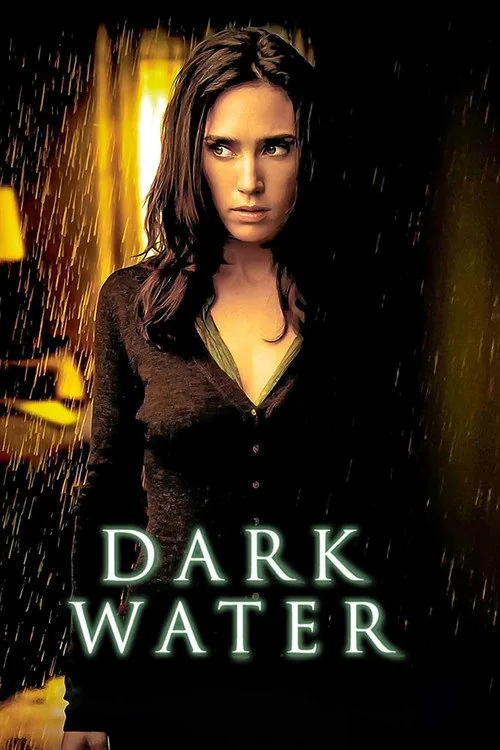
What changes Session 9: slow-burn and atmospheric escalation. Dark Water: slow atmospheric build and domestic details become ominous.
Recently separated Dahlia Williams moves with her young daughter Ceci into a run-down apartment on Roosevelt Island while navigating custody arrangements and a new job. Water stains spread across the ceiling, strange sounds come from the apartment above, and the building’s neglected plumbing becomes entangled with a frightening presence. Walter Salles’s American remake of the Japanese horror film uses damp, deteriorating spaces and a mother’s effort to protect her child to build a supernatural drama about grief, isolation, and the anxiety of starting over.
Based on recorded story, mood and style. Your preferences can change the order.
Investigation · Memory and identity
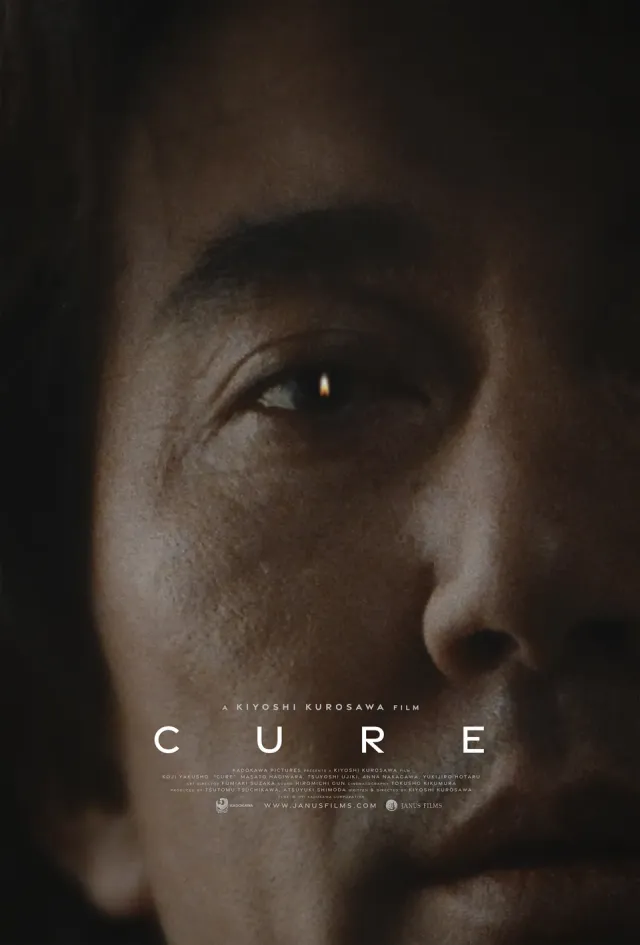
What changes Session 9: slow-burn and atmospheric escalation. Cure: the investigation narrows around mamiya as takabe’s work and private life and sense of control begin to collapse together.
Detective Kenichi Takabe investigates a string of murders in Tokyo in which unrelated suspects confess but cannot explain their actions. Each victim bears an X-shaped wound, and the cases lead Takabe and forensic psychologist Shin Sakuma to Kunihiko Mamiya, a former psychology student who seems unable to retain memories. Mamiya’s questions and apparent hypnotic influence unsettle the investigators, while Takabe’s home life is strained by his wife Fumie’s illness. The case becomes a psychological struggle in which certainty, responsibility and control gradually erode.
Based on recorded story, mood and style. Your preferences can change the order.
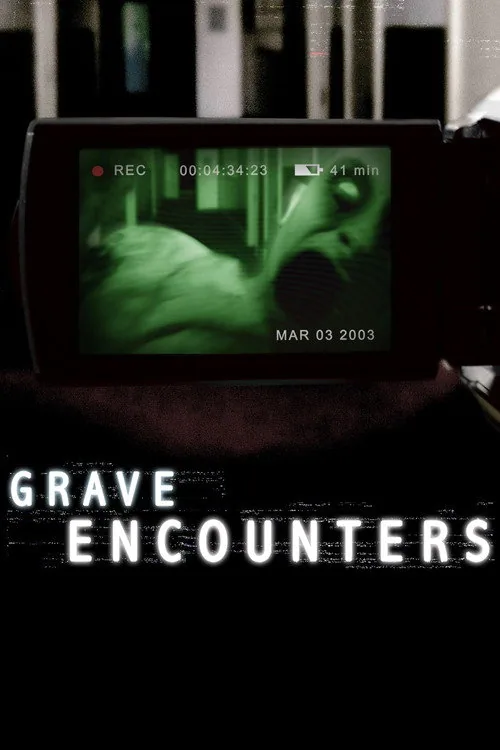
What changes Session 9: slow-burn and atmospheric escalation. Grave Encounters: mockumentary setup, escalating supernatural confinement and found-footage collapse.
A reality television crew enters an abandoned psychiatric hospital to film an overnight episode of its paranormal-investigation show. The host initially treats the location’s stories as material for a performance, but the locked building begins to shift in impossible ways and the crew cannot find an exit. Their cameras record the escalating experience as skepticism gives way to fear. The Vicious Brothers’ found-footage horror film uses the mockumentary setup to trap its cast inside a supposedly haunted institution.
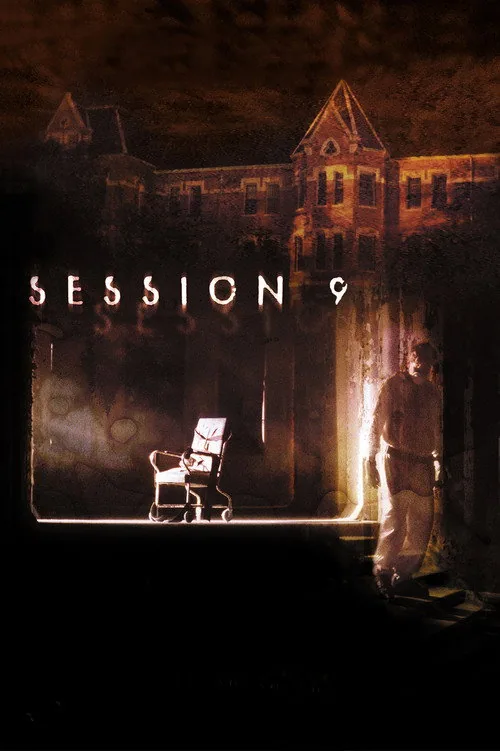
An asbestos-removal crew wins a job at an abandoned psychiatric hospital and begins work under pressure to finish quickly. As the men explore the decaying building, one worker listens to recorded therapy sessions involving a former patient named Mary Hobbes, and the material begins to unsettle him. Tensions within the crew rise as the hospital’s history and the men’s own conflicts crowd into the job. Brad Anderson’s psychological horror film uses the location, recorded voices, and fractured group dynamics to create dread without relying on constant shocks.
What drives the story
The crew’s work and the recorded sessions bring them deeper into the hospital’s past as deadlines and tensions mount.
The people at its centre
Professional resentments and personal pressures weaken the crew’s cohesion, especially as one man becomes fixated on the tapes.
What it feels like
The film favors sound, empty architecture, and psychological dread over explicit monsters or frequent gore.
Worth knowing
Its horror emerges from a work crew and an unsettling psychiatric history, rather than a typical patient-centered asylum story.
work and psychological strainmemory and traumaisolation and group tension