Explore films connected to Dead Snow through Greed and consequences, Survival as group effort, Historical evil as horror. Choose the qualities you want to carry into your next watch.
What should feel similar?
Find your next favourite
9 films · Closest overall matches
Hide films you’ve seen or don’t want. Saved on this device.
No matches for this combination yet.
Try another option or reset your choices to see more films.
Based on recorded story, mood and style. Your preferences can change the order.
What changes Dead Snow: slow warning and discovery, sudden splatter escalation and action-comedy survival. One Cut of the Dead: slow-burn opening, perspective shift and comic payoff.
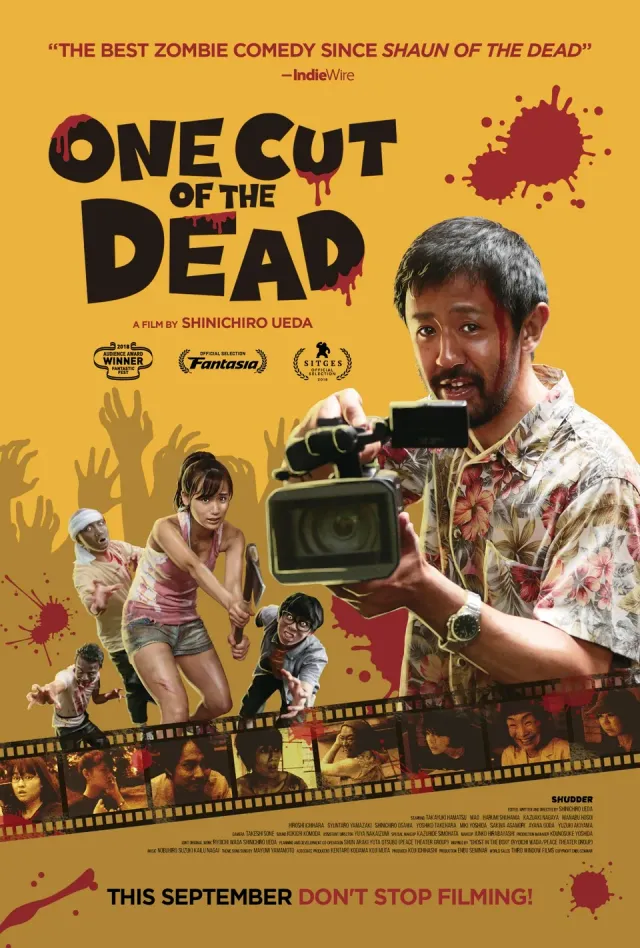
A small film crew shoots a zombie movie inside an abandoned water-treatment plant, where the determined director keeps the cameras rolling as strange events unfold. The story then widens beyond the apparent one-take horror scene, revealing the people, pressures, and improvised planning behind the production. This Japanese comedy-horror turns low-budget filmmaking into both its subject and its source of surprises, moving from undead chaos toward an affectionate portrait of creative teamwork.
Based on recorded story, mood and style. Your preferences can change the order.
Survival
What changes Dead Snow: slow warning and discovery, sudden splatter escalation and action-comedy survival. The Hills Have Eyes 2: mission setup, siege escalation and graphic survival action.
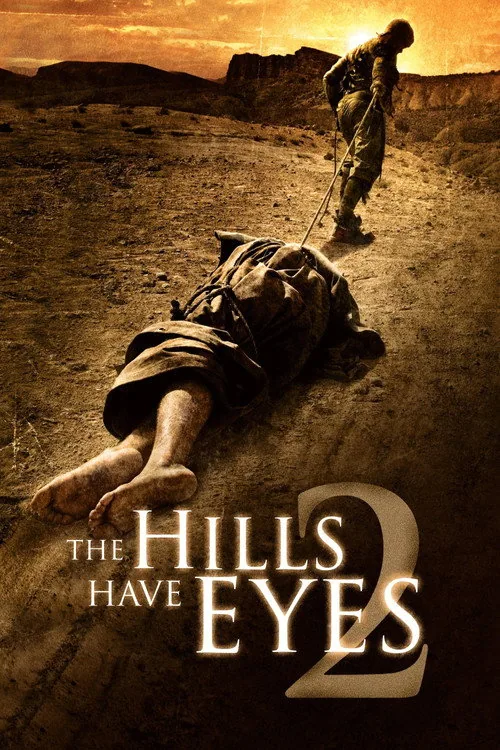
A National Guard unit on a training exercise in the New Mexico desert receives a distress signal from researchers at a remote outpost. When the soldiers arrive, the base appears abandoned and a group of mutated attackers begins hunting them through the terrain. Their equipment and training offer little protection as the unit is separated and forced to search for a way out. Martin Weisz’s horror sequel continues the 2006 remake’s setting and uses military survival tactics in a graphic desert siege.
Based on recorded story, mood and style. Your preferences can change the order.
Survival
What changes Dead Snow: slow warning and discovery, sudden splatter escalation and action-comedy survival. Zombieland: episodic journey.
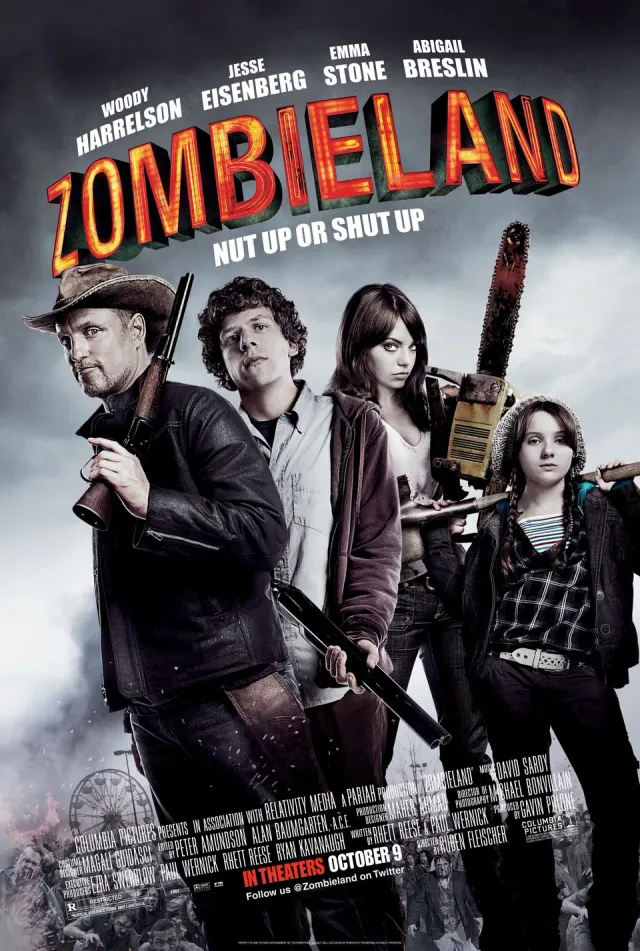
In a United States devastated by a zombie outbreak, anxious college student Columbus survives by following a strict set of rules. On the road he joins Tallahassee, a fearless hunter who is looking for Twinkies, and later sisters Wichita and Little Rock, who have learned to fend for themselves through deception. Their uneasy group travels toward a California amusement park, with each new encounter testing whether trust is more dangerous than the zombies. The horror-comedy lets the characters’ mismatched coping styles carry the road story as much as the undead threat. The film uses the rules as a way to narrate fear, then reveals that personal connection cannot be reduced to a checklist.
Based on recorded story, mood and style. Your preferences can change the order.
Survival · War and civilian life
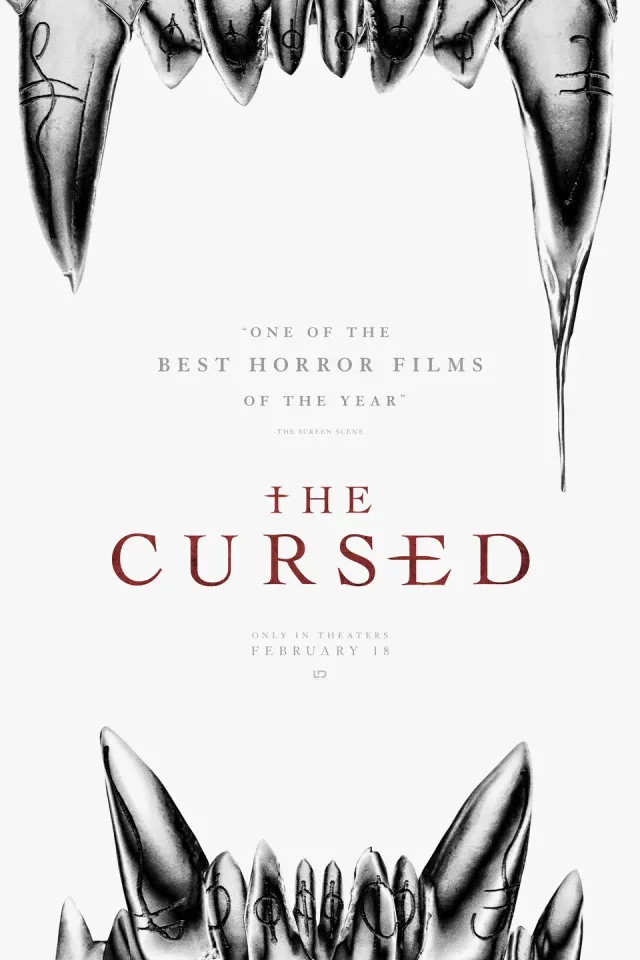
What changes Dead Snow: slow warning and discovery, sudden splatter escalation and action-comedy survival. The Cursed: slow-building, ominous, violent bursts and interwoven timelines.
In late nineteenth-century rural France, landowner Seamus Laurent orders a violent attack on a Romani community, setting off a curse that reaches into his family and the surrounding village. Decades later, a surgeon returning from the First World War encounters evidence of a supernatural threat tied to those events. The film combines gothic period drama, folklore and werewolf horror, connecting a community’s violence against outsiders to the fear that follows.
Based on recorded story, mood and style. Your preferences can change the order.
Survival
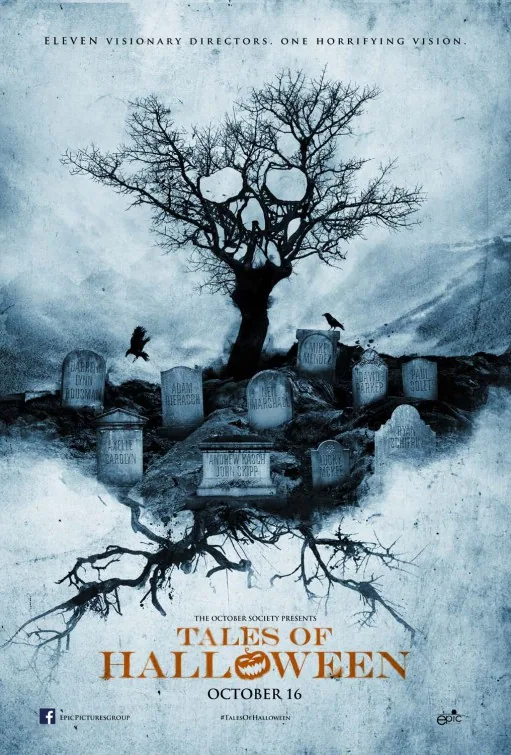
What changes Dead Snow: slow warning and discovery, sudden splatter escalation and action-comedy survival. Tales of Halloween: episodic, varied and quickly shifting.
On Halloween night in a small American town, children, parents, trick-or-treaters and other residents encounter an escalating set of strange events. The film gathers ten short horror stories from different directors, moving among supernatural threats, masked figures, monsters and ordinary people whose holiday routines turn dangerous. Their shared date and setting connect the episodes into a broad seasonal anthology rather than a single continuous mystery.
Based on recorded story, mood and style. Your preferences can change the order.
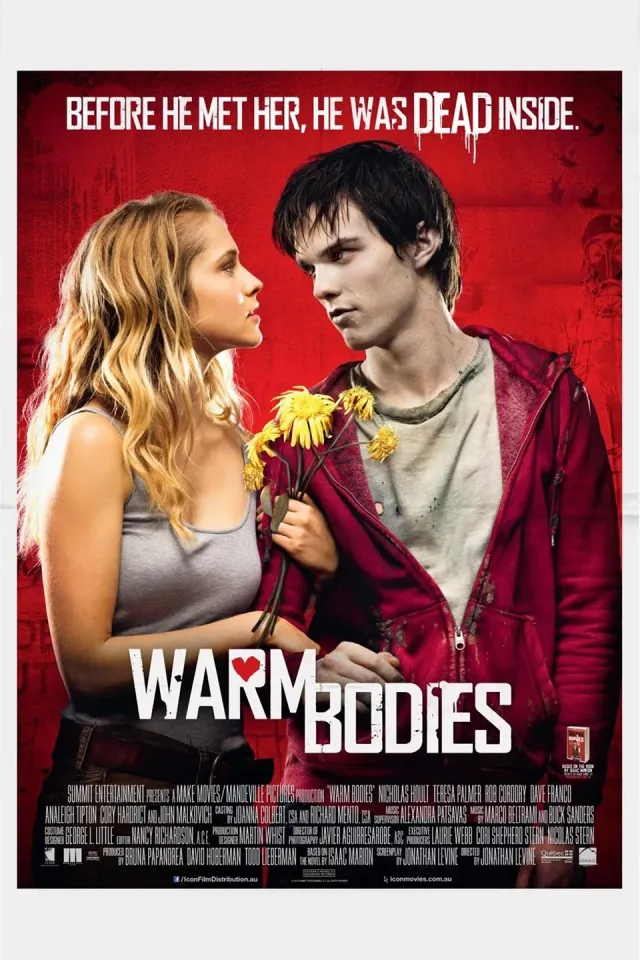
What changes Dead Snow: slow warning and discovery, sudden splatter escalation and action-comedy survival. Warm Bodies: measured and comic interludes.
In a world divided between human survivors and the undead, a zombie unexpectedly protects a young woman after a violent encounter. Their uneasy companionship begins to awaken feelings and physical changes that challenge what both communities believe about the infection. A dryly comic inner voice and hesitant romance turn the survival setting toward communication, suggesting that recognition may matter as much as force in ending a supposedly permanent division.
Based on recorded story, mood and style. Your preferences can change the order.
Survival
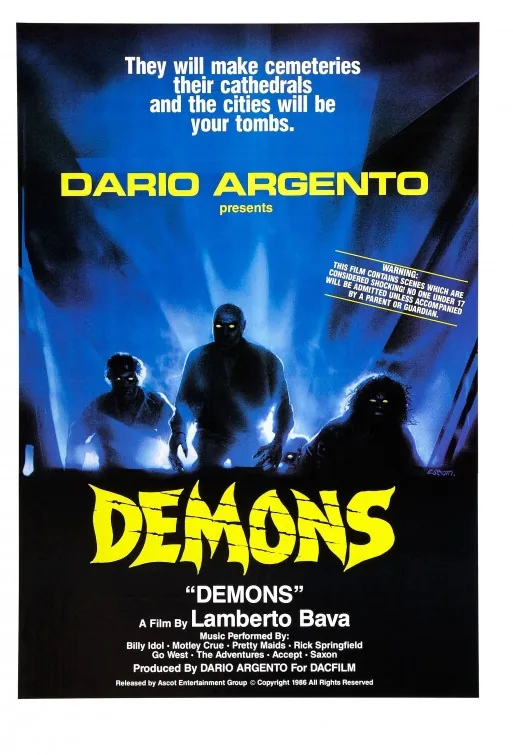
What changes Dead Snow: slow warning and discovery, sudden splatter escalation and action-comedy survival. Demons: rapid escalation, relentless attacks, set-piece action and abrupt shifts.
University student Cheryl accepts free cinema tickets from a mysterious masked stranger and persuades her friend Kathy to join her. Inside the newly reopened Metropol, the audience watches a horror film about teenagers who uncover a mask and an old tomb. When one of the movie’s characters is scratched by the mask, Rosemary—who has injured herself on the matching display in the lobby—begins to transform into a demon. The infection spreads through the audience as the cinema exits are sealed, trapping patrons among the creatures. George and Cheryl fight their way through the auditorium and attempt to reach the roof, but the demonic outbreak is already escaping into Berlin. The film within the film and the real attack become difficult to separate as the survivors seek a way out.
Based on recorded story, mood and style. Your preferences can change the order.
Survival
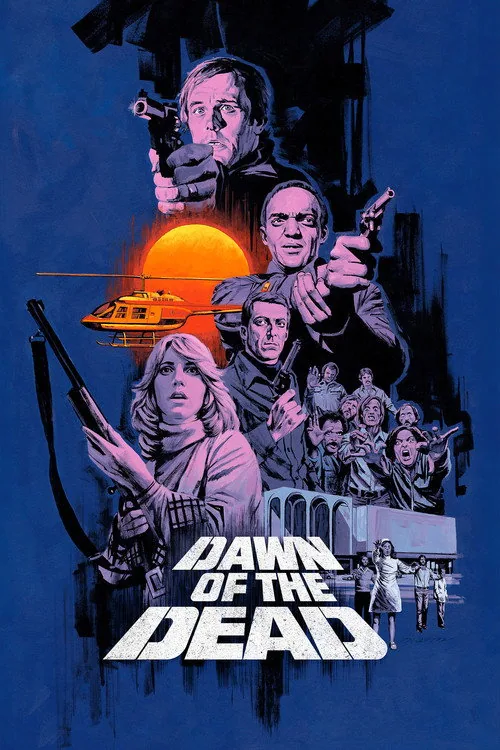
What changes Dead Snow: slow warning and discovery, sudden splatter escalation and action-comedy survival. Dawn of the Dead: siege episodes shift between survival routines and violent breaches.
As a zombie outbreak overwhelms Philadelphia, television producer Francine, pilot Stephen, and police officers Roger and Peter escape by helicopter and take shelter in a shopping mall. They clear the building, secure its entrances, and enjoy its supplies, but grief, boredom, and a later invasion by a biker gang erode the safety they have created. George A. Romero’s horror sequel uses the mall as both a survival base and a pointed image of consumer culture under collapse.
Based on recorded story, mood and style. Your preferences can change the order.
Survival · War and civilian life
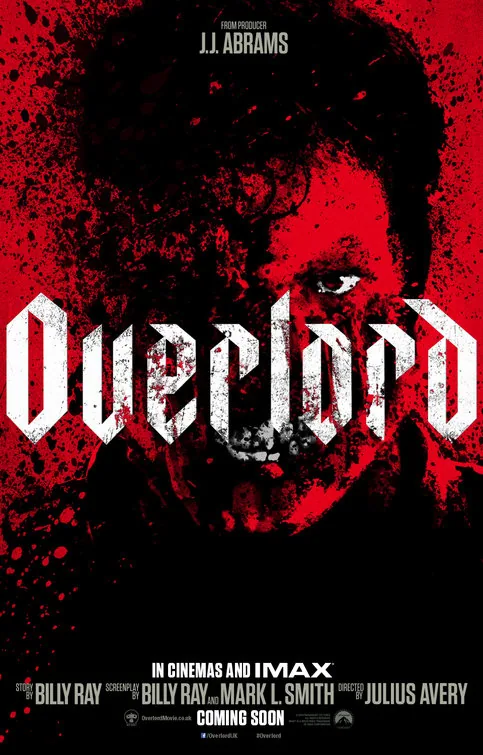
What changes Dead Snow: slow warning and discovery, sudden splatter escalation and action-comedy survival. Overlord: military setup gives way to escalating horror encounters.
On the eve of D-Day, American paratroopers are sent behind German lines to disable a radio tower supporting the invasion. They discover a village laboratory where Nazi experiments have produced monstrous consequences. The war film shifts into body horror as the soldiers’ military objective collides with a contained supernatural threat, joining a combat mission to a desperate struggle for survival.
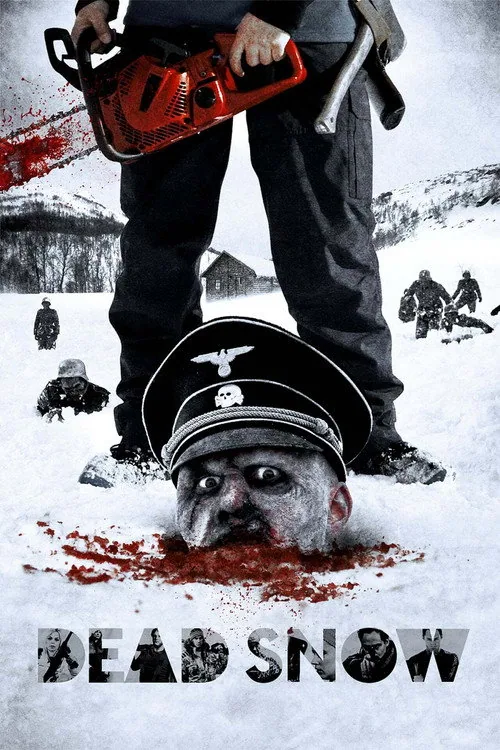
A group of medical students travel to a remote Norwegian mountain cabin for an Easter holiday, where a local visitor warns them about Nazi soldiers who once hid in the area. The students discover a cache of valuables and awaken the violent undead force guarding it. Tommy Wirkola’s horror comedy turns a secluded winter getaway into a bloody survival battle, mixing zombie action with splatter humor and historical imagery. The film contains graphic gore, including attacks by Nazi zombies.
What drives the story
A group’s discovery of hidden valuables wakes a Nazi zombie force and transforms a holiday into a desperate attempt to survive.
The people at its centre
The students’ friendship and varied skills matter as they organize themselves against an enemy with a shared historical past.
What it feels like
This deliberately outrageous splatter comedy combines snowbound isolation, zombie action, and graphic gore.
Worth knowing
Its Nazi zombies are played as an extreme horror-comedy conceit, rather than a realistic account of wartime events.
Greed and consequencesSurvival as group effortHistorical evil as horror