Explore films connected to Deconstructing Harry through art and personal responsibility, self-deception and memory, family estrangement. Choose the qualities you want to carry into your next watch.
What should feel similar?
Find your next favourite
9 films · Closest overall matches
Hide films you’ve seen or don’t want. Saved on this device.
No matches for this combination yet.
Try another option or reset your choices to see more films.
Based on recorded story, mood and style. Your preferences can change the order.
Memory and identity
What changes Deconstructing Harry: accusations spark a chaotic departure, fictional episodes interrupt the journey and reunion at the university prompts reflection. Wonder Boys: episodic and conversation-led.
At a Pittsburgh university, a blocked novelist faces a chaotic weekend involving an ambitious student, a missing manuscript and the demands of people who expect him to keep performing success. The comedy treats stalled creativity as a problem of habits and responsibility. Its loose, conversational shape lets professional embarrassment and private affection complicate one another.
Based on recorded story, mood and style. Your preferences can change the order.
Memory and identity
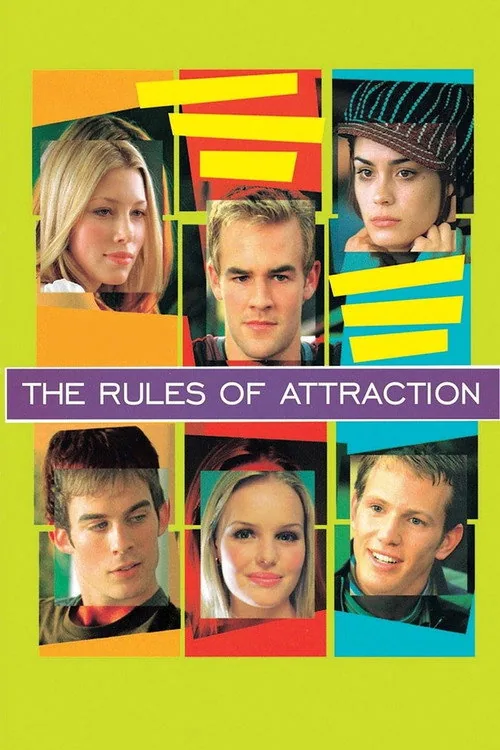
What changes Deconstructing Harry: accusations spark a chaotic departure, fictional episodes interrupt the journey and reunion at the university prompts reflection. The Rules of Attraction: interwoven character stories, nonlinear transitions and bleak convergence.
At Camden College, students Sean Bateman, Lauren Hynde, and Paul Denton move through parties, hookups, drugs, and private disappointments with little ability to communicate honestly. Lauren longs for her former boyfriend Victor, while Sean reads anonymous love letters as a sign of connection and Paul struggles with rejection. Their overlapping stories reveal a campus culture where desire is frequently unreturned and consequences are displaced onto others. The dark comedy adapts Bret Easton Ellis through fragmented chronology, shifting viewpoints, and a deliberately disaffected tone.
Based on recorded story, mood and style. Your preferences can change the order.
What changes Deconstructing Harry: accusations spark a chaotic departure, fictional episodes interrupt the journey and reunion at the university prompts reflection. True Lies: farce to action escalation.
Harry Tasker’s family sees him as a quiet computer-salesman husband, while he is secretly an operative tracking a terrorist network. A routine mission makes Harry suspect his wife Helen is interested in another man; instead of speaking honestly, he uses government surveillance tools to insert himself into her private life and stage a spy-flavored adventure. That deception pulls Helen into genuine danger when the terrorists capture them and threaten a nuclear attack. The story shifts from marital farce and identity concealment into large-scale action, eventually requiring Harry and Helen to work together. Its central tension comes from the gap between Harry’s competence abroad and his dishonesty at home, even as the film plays that double standard for comedy.
Based on recorded story, mood and style. Your preferences can change the order.
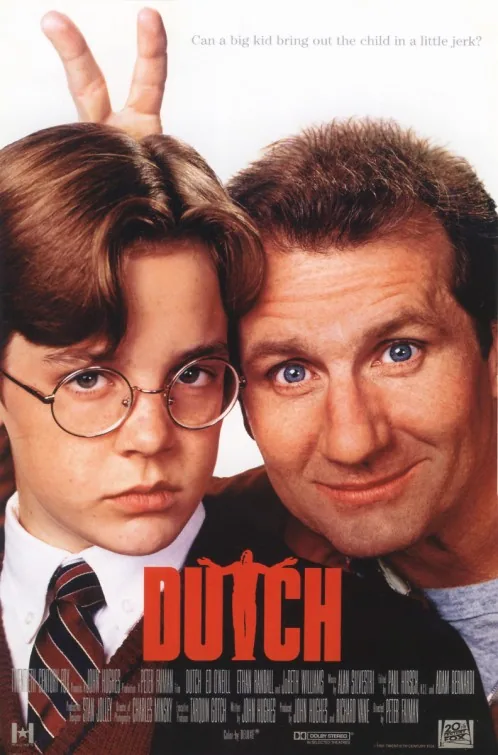
What changes Deconstructing Harry: accusations spark a chaotic departure, fictional episodes interrupt the journey and reunion at the university prompts reflection. Dutch: a string of travel obstacles gradually gives way to a more sincere relationship.
Dutch Dooley accompanies his girlfriend Natalie to a wealthy social gathering, where his blunt manners clash with her polished ex-husband Reed. When Reed cancels his Thanksgiving visit with their son Doyle, the resentful boy refuses to come home, so Dutch volunteers to fetch him from boarding school. Their journey from Georgia to Chicago becomes a series of comic travel setbacks and confrontations. Dutch sees the trip as a chance to win Doyle’s trust, while the boy tests the stranger who has entered his mother’s life. What begins as an awkward car ride slowly becomes a makeshift family bond.
Based on recorded story, mood and style. Your preferences can change the order.
Memory and identity
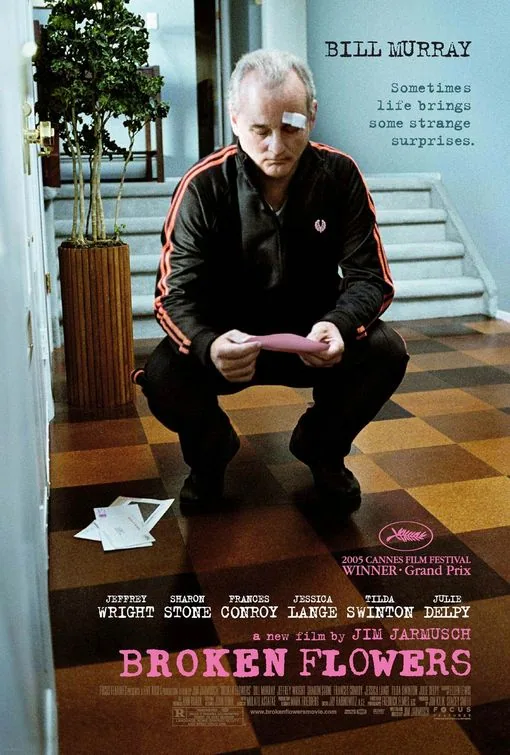
What changes Deconstructing Harry: accusations spark a chaotic departure, fictional episodes interrupt the journey and reunion at the university prompts reflection. Broken Flowers: measured and repetitive by design.
Don Johnston, a settled bachelor, receives an anonymous letter suggesting he may have an adult son. A neighbor persuades him to visit former partners in an attempt to discover which one sent it, turning a reluctant road journey into a series of encounters with the past. The understated comedy leaves its central mystery unresolved while observing how memory and regret change a person’s view of earlier choices.
Based on recorded story, mood and style. Your preferences can change the order.
Memory and identity
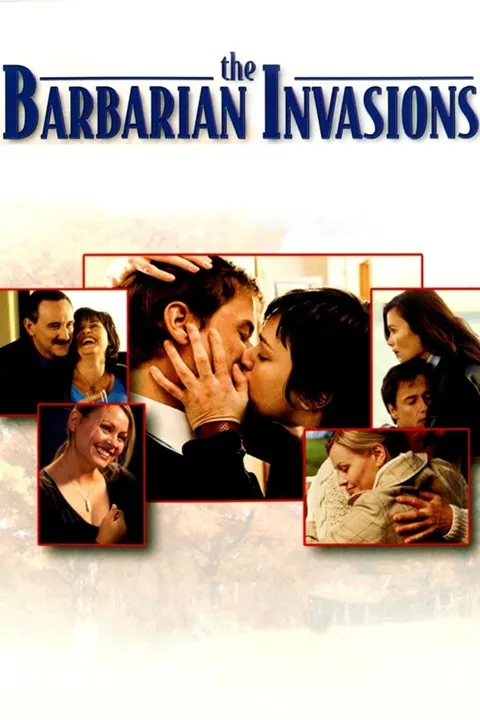
What changes Deconstructing Harry: accusations spark a chaotic departure, fictional episodes interrupt the journey and reunion at the university prompts reflection. The Barbarian Invasions: conversation-led and measured.
A Montreal professor nearing death is reunited with his estranged son, who tries to make his final days more comfortable and reconnects him with old friends and former lovers. Their visits expose differences in politics, values and memory, but also leave room for humor and reconciliation. The film treats mortality through conversation, friendship and the imperfect work of repairing a relationship before time runs out.
Based on recorded story, mood and style. Your preferences can change the order.
Memory and identity
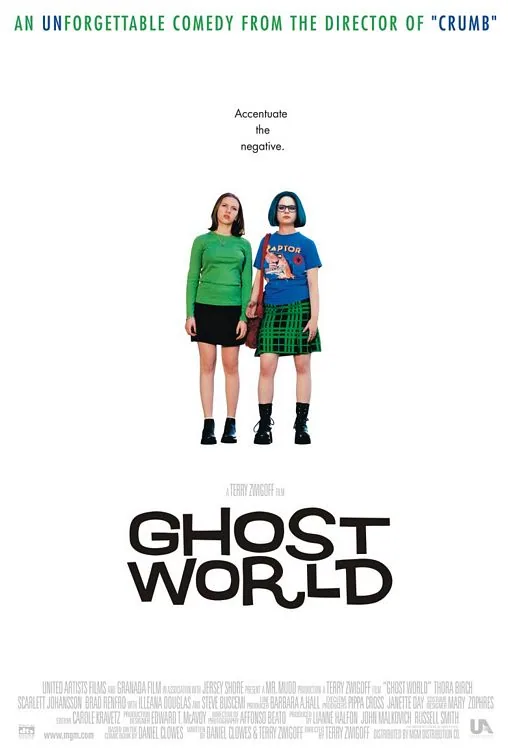
What changes Deconstructing Harry: accusations spark a chaotic departure, fictional episodes interrupt the journey and reunion at the university prompts reflection. Ghost World: loose and observational.
After high school, Enid and Rebecca confront an uncertain adulthood in a town where their ironic distance from ordinary life is both shield and habit. When Enid befriends Seymour, an older record collector who shares her outsider instincts, the friendship complicates the girls’ plans and exposes their different needs. The comedy observes drift, taste and loneliness without turning growing up into a neat lesson.
Based on recorded story, mood and style. Your preferences can change the order.
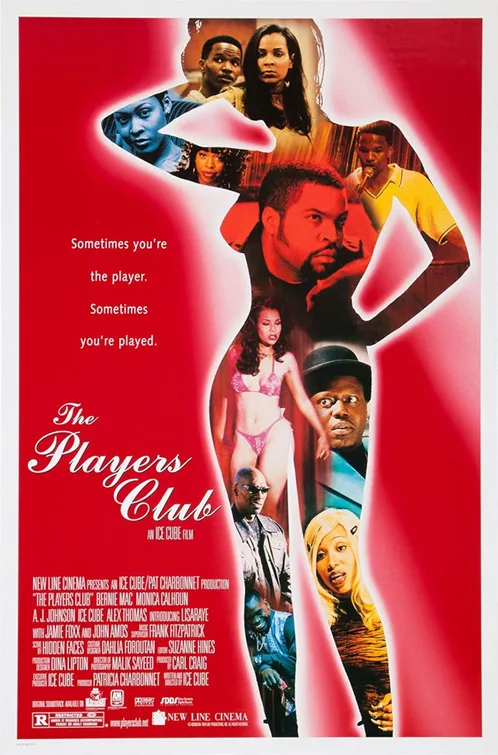
What changes Deconstructing Harry: accusations spark a chaotic departure, fictional episodes interrupt the journey and reunion at the university prompts reflection. The Players Club: interwoven character conflicts build toward crisis.
College student Diana takes a job at a strip club to pay tuition and support her young daughter, hoping the work will remain temporary. Inside the club she encounters friends, exploitative managers, jealous partners and criminal pressure that complicate her plans. Her ambition to become a journalist remains an alternative to the club's demands, while her cousin's arrival tests Diana's ability to protect someone younger.
Based on recorded story, mood and style. Your preferences can change the order.
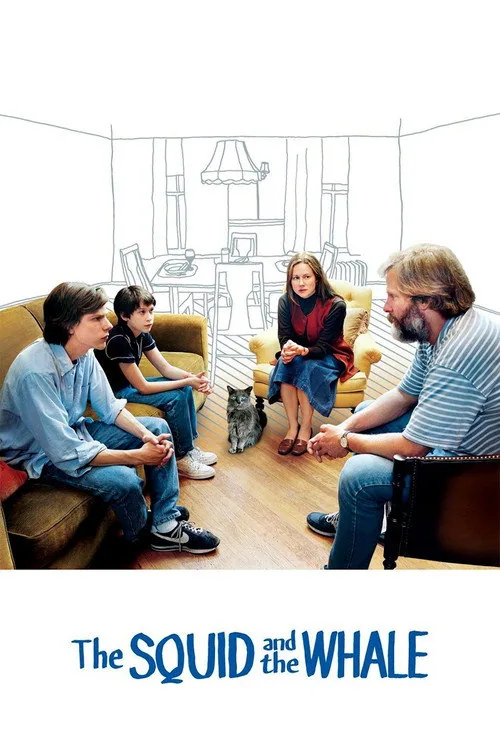
What changes Deconstructing Harry: accusations spark a chaotic departure, fictional episodes interrupt the journey and reunion at the university prompts reflection. The Squid and the Whale: compact, observational and dialogue-led.
When Brooklyn writers Bernard and Joan Berkman separate, their sons Walt and Frank move between two homes and competing versions of the family’s past. Sixteen-year-old Walt identifies with his father’s literary certainty, while twelve-year-old Frank reacts more impulsively. As both parents pursue relationships and writing careers, the boys absorb habits that complicate their loyalties. Noah Baumbach’s semi-autobiographical comedy-drama observes divorce through the children’s uneven understanding of the adults around them.
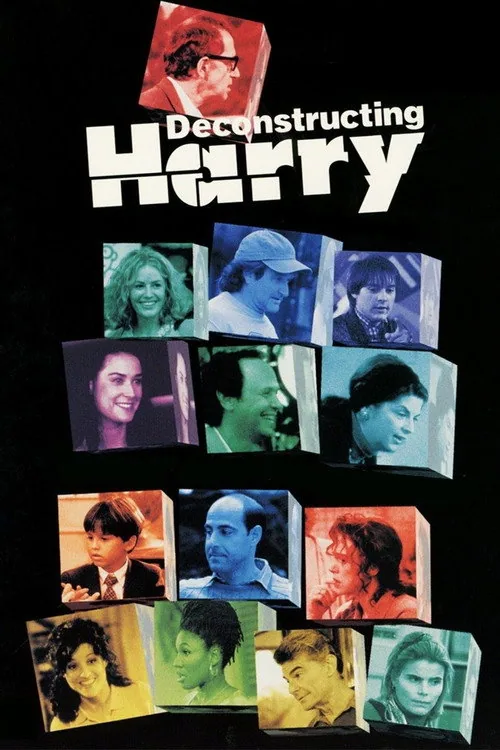
Writer Harry Block prepares to travel to a university that once expelled him to receive an honorary degree, but his personal life is in disarray. Former partners accuse him of turning intimate history into fiction, and his journey includes a friend, a prostitute, and the young son he takes from his ex-wife. Flashbacks and scenes from Harry's stories repeatedly blur his life with his writing, making the trip a comic reckoning with the people and material he has used.
What drives the story
Harry's trip to accept an honorary degree becomes a reckoning with former partners who recognize themselves in his fiction.
The people at its centre
Harry charms, exploits, and alienates people in turn, while his son and longtime friend expose the limits of his self-justifying wit.
What it feels like
A formally playful comedy moves among road scenes, memories, and invented stories to examine the artist's unreliable self-portrait.
Worth knowing
Its metafiction ties the plot directly to a writer's relationships and borrowed material, rather than to a conventional road-trip goal.
art and personal responsibilityself-deception and memoryfamily estrangement
Mood
provocative · comic · anxious
Pacing
accusations spark a chaotic departure · fictional episodes interrupt the journey · reunion at the university prompts reflection
Visual style
alternating realistic and fictional scenes · urban and roadside settings · stylized shifts among character appearances
Storytelling
writer's fictional characters appear alongside real people · road trip leads to honorary degree · ex-partners confront literary appropriation