Based on recorded story, mood and style. Your preferences can change the order.
Expect acerbic and tense, with escalating pacing.
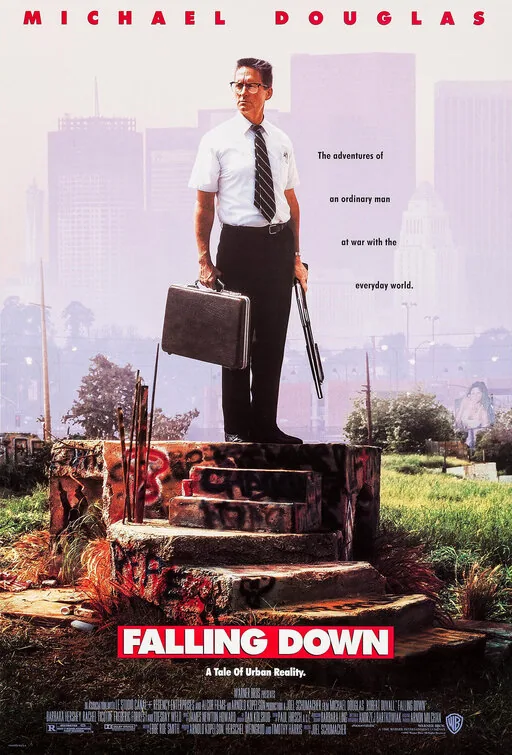
A divorced, armed man abandons his car in Los Angeles traffic and walks toward the home from which he has been excluded. He narrates each encounter as proof that ordinary rules have become intolerable, but his demand for recognition repeatedly becomes intimidation and injury. A nearing-retirement detective follows the accumulating violence while trying to reach the family before the walker does. The film’s satire gives the grievance momentum, then exposes how a self-image of victimhood can conceal both racialized aggression and a direct threat to people who owe the protagonist no access.
Based on recorded story, mood and style. Your preferences can change the order.
What changes Deliverance: escalating. Collateral: intense.
A Los Angeles taxi driver hoping eventually to run his own business picks up a passenger whose apparently ordinary evening itinerary conceals a series of killings. Forced to continue driving, he becomes both witness and instrument while trying to preserve a fragile distinction between cooperating and surrendering. Encounters across the city turn an intimate captivity into a confrontation between habitual postponement and an adversary who presents indifference as clear-eyed realism.
Both share themes of violence, plus a tense atmosphere.
Why this matches +
Genres: Action / Adventure
Shared film traits
Based on recorded story, mood and style. Your preferences can change the order.
Survival · Escape and pursuit
What changes Deliverance: escalating. Apocalypto: fast.
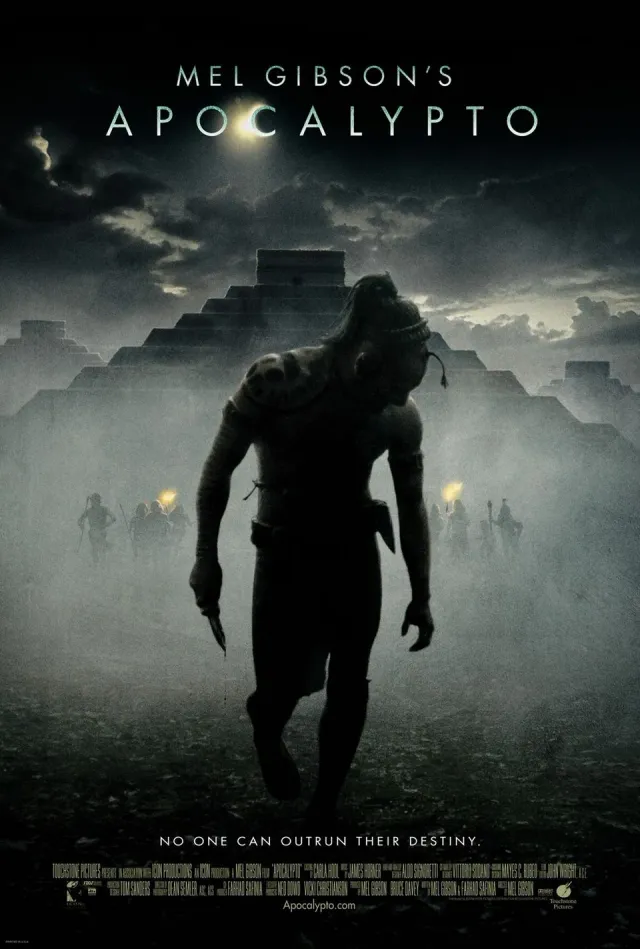
A young man living with his family in a forest community is captured during a raid and taken towards a city whose public rituals assign terrifying uses to prisoners. Before capture he creates a fragile opportunity for his pregnant wife and child to remain hidden. His effort to return to them turns an encounter with organised domination into an urgent passage through terrain where his own knowledge may offer an advantage over pursuers.
Both share themes of guilt and survival, plus a tense atmosphere.
Why this matches +
Genres: Action / Thriller
Shared film traits
Based on recorded story, mood and style. Your preferences can change the order.
Survival · Escape and pursuit
What changes Deliverance: escalating. Cliffhanger: fast.
Haunted by a fatal rescue attempt, a mountain ranger returns to collect his belongings just as criminals stranded after a failed airborne robbery summon help under false pretenses. They force the rescuers to locate money scattered across dangerous terrain. The mountains turn professional knowledge into both a resource the captors need and a means of resisting them, while guilt and damaged trust complicate the cooperation required to survive.
Based on recorded story, mood and style. Your preferences can change the order.
What changes Deliverance: escalating. The Hurt Locker: intense.
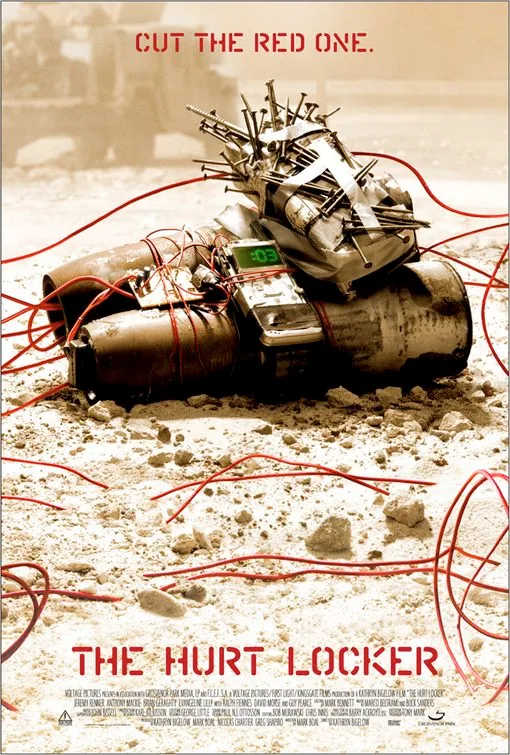
A bomb-disposal team in Iraq receives a new leader whose technical ability comes with an appetite for risk that unsettles the men protecting him. Successive calls turn ordinary streets, vehicles and civilian encounters into uncertain threats, while each operation exposes a different limit in the team's trust. As their rotation nears its end, survival appears less difficult to imagine than a shared understanding of what returning to ordinary life would mean.
Both share themes of survival, plus a tense atmosphere.
Why this matches +
Genres: Adventure / Thriller
Shared film traits
Based on recorded story, mood and style. Your preferences can change the order.
Survival
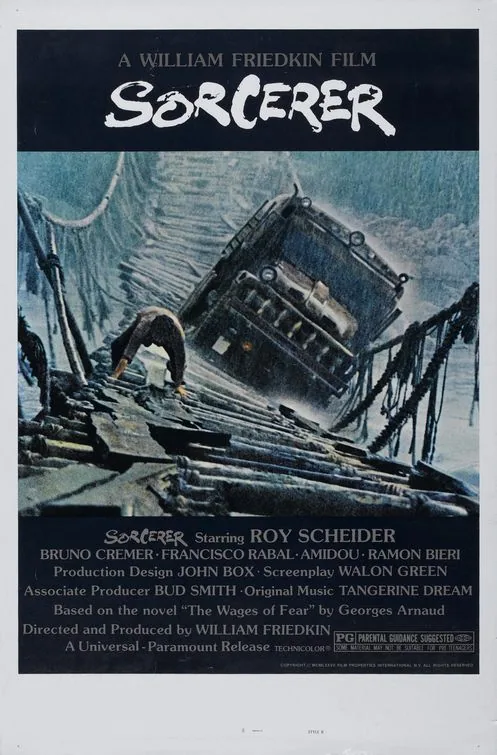
What changes Deliverance: escalating. Sorcerer: slow-burn, relentless and set-piece driven.
Four men from different countries and troubled pasts end up at a remote South American oil field, where they are offered dangerous work. An explosion has made the site's nitroglycerin supplies unstable, and the men must transport the volatile cargo across rough jungle roads in two aging trucks. Their hope of escaping poverty and legal danger depends on working together under extreme pressure. Each obstacle tests their nerve and trust as the route becomes more hazardous than the promised reward.
Based on recorded story, mood and style. Your preferences can change the order.
Survival
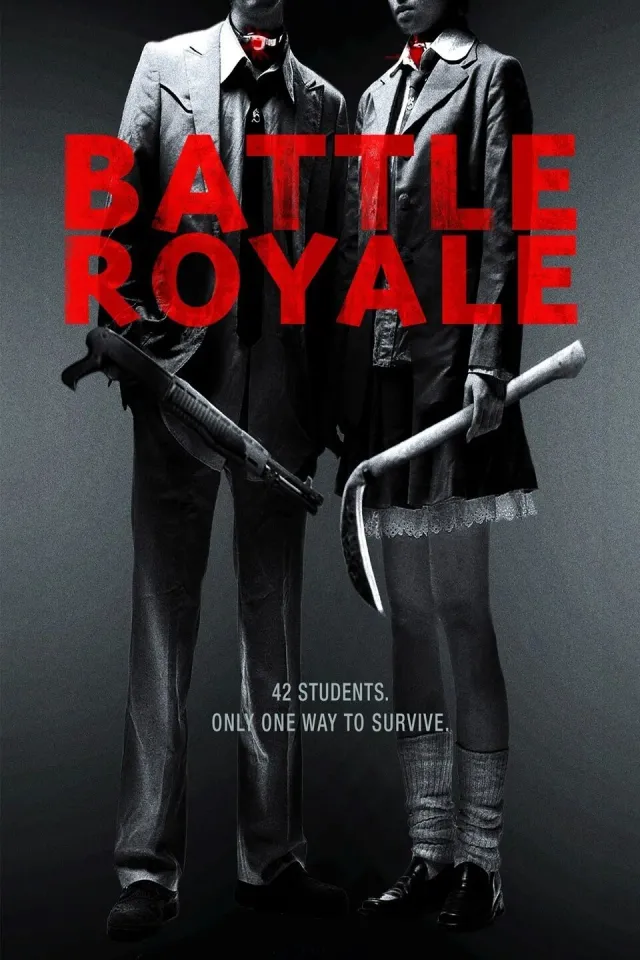
What changes Deliverance: escalating. Battle Royale: fast and intense.
A school class is taken to an isolated island and informed that the state requires the pupils to kill one another until a single survivor remains. Surveillance, weapons, and moving danger zones make refusal practically difficult, while existing friendships and resentments acquire lethal consequences. Different attempts to cooperate expose how terror can turn uncertainty about another person's intentions into a mechanism enforcing the very rules the participants might otherwise reject.
Based on recorded story, mood and style. Your preferences can change the order.
What changes Deliverance: escalating. Infernal Affairs: propulsive and intercut.
A police officer works undercover inside a Hong Kong triad while a gang member has infiltrated the police force, leaving each man to live under a constructed identity. As their organizations close in on the compromised arrangement, surveillance and loyalty become personal tests. The thriller’s mirrored lives turn the procedural premise into an anxious study of selfhood, trust and the costs of sustained deception.
Both centre on isolated survival and compromised loyalty.
Why this matches +
Genres: Drama / Adventure
Shared film traits
Based on recorded story, mood and style. Your preferences can change the order.
Survival
Expect distressing and tense, with escalating pacing.
Commercial climbing teams assemble on Everest with clients whose personal reasons for reaching the summit make retreat emotionally expensive. Delays and changing conditions narrow the margin within which guides can protect people moving at different speeds. When a storm arrives, the mountain turns ambition into a sequence of increasingly constrained rescue decisions, while radio contact connects the ordeal to families who can listen without being able to alter the available options. The summit is an intermediate achievement; the disaster’s real dramatic problem becomes descent, communication and rescue.
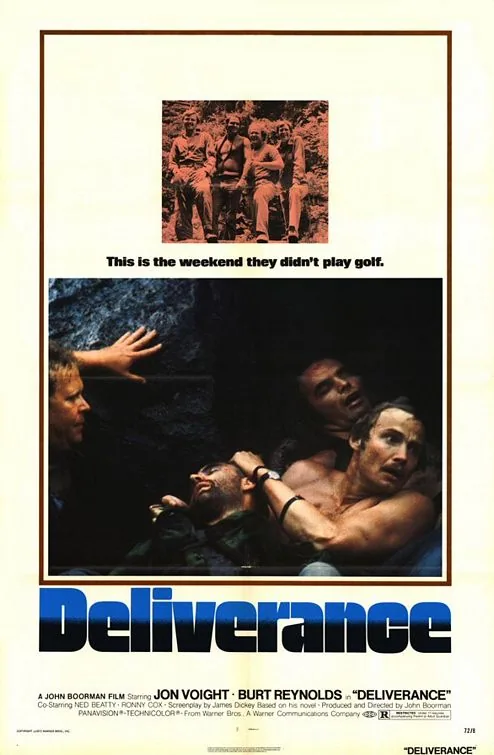
Four city men take a canoe trip along a river about to be transformed by a dam, hoping to experience a landscape one of them treats as a test of self-reliance. An assault breaks their apparent confidence and forces a decision about reporting the resulting violence. Continuing downstream becomes both an environmental ordeal and a struggle over the account they will carry home, while certainty about what happened grows less secure than the wish to survive it. What begins as a test of self-reliance becomes a moral trap whose survivors cannot simply restore their former identities.
What drives the story
A recreational expedition becomes a survival journey in which concealment of a killing ties practical escape to collective agreement about uncertain further threats.
The people at its centre
Lewis's confident expertise initially organizes the group, but injury shifts responsibility to men who must act without his certainty and live with consequences he cannot settle for them. Lewis’s confidence loses authority after injury, leaving Ed to act while others disagree about what can be known.
What it feels like
Immersive river landscapes and abrupt brutality give way to anxious watching and physical exhaustion, dismantling the ease of the original adventure. The river’s speed and beauty contrast with abrupt sexual violence, bodily danger and an increasingly anxious return to town.
Worth knowing
Match on violated confidence, shared concealment and uncertain responsibility under survival pressure, while examining the film's rural caricatures rather than treating them as knowledge about a community. The rural characters are not reliable evidence about Appalachian people; scrutinize how the film builds its urban outsiders.