mistaken identity giving a screenwriter a new community. This pressure determines what the protagonist must do next and which risks become unavoidable.
Why this matches +
These offer a related experience with a meaningful difference in story, tone, or presentation.
An adjacent discovery: a related idea with a different viewing experience.
Genres: Drama / Romance
Shared film traits
Based on recorded story, mood and style. Your preferences can change the order.
Memory and identity
What changes A small community and an old cinema confront the changes brought by public storytelling, memory and a shifting cultural era.
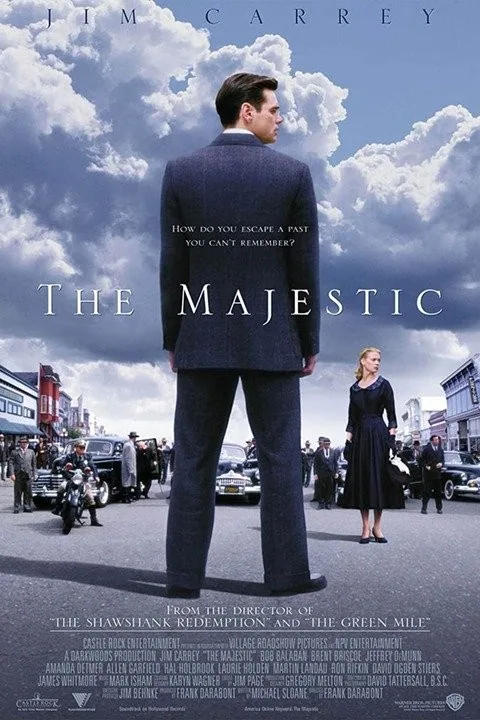
A Hollywood screenwriter loses his memory after a car accident and is mistaken for a local man who never returned from war. Welcomed into a small town, he helps revive a struggling cinema and forms relationships before his past resurfaces. The drama blends romance and civic memory with a period story about identity, loyalty and political suspicion during blacklisting.
The same inheritance problem that changes the Dashwoods’ home also changes the terms of every courtship, making financial dependence part of the romantic plot.
Why this matches +
These offer a related experience with a meaningful difference in story, tone, or presentation.
An adjacent discovery: a related idea with a different viewing experience.
Genres: Romance / Drama
Shared film traits
Based on recorded story, mood and style. Your preferences can change the order.
What changes A period ensemble explores family inheritance, social expectations and women's choices within a changing class structure.
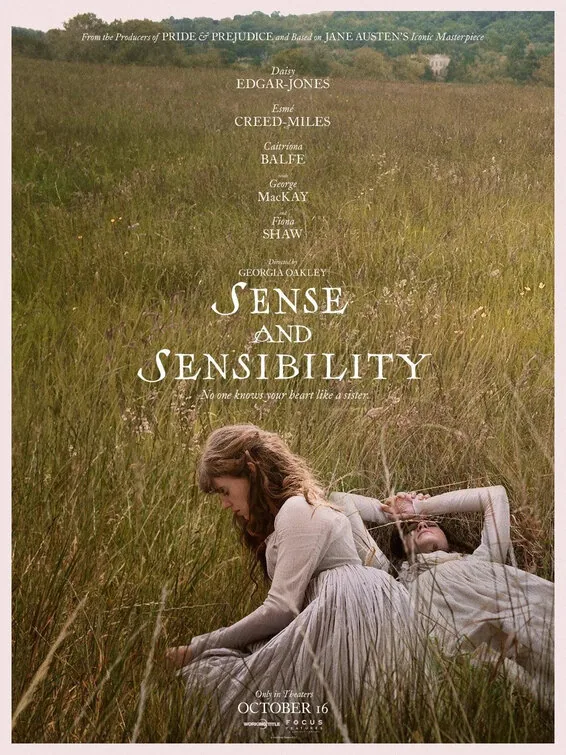
After Mr. Dashwood’s estate passes to his son, Elinor, Marianne, Margaret and their mother face a smaller income and move to a Devonshire cottage. Elinor grows close to Edward Ferrars but receives no promise, while Marianne falls in love with John Willoughby after he rescues her and then leaves without warning. Colonel Brandon’s affection develops quietly as the sisters move through incompatible expectations about love, security and social position. Later revelations about Edward’s engagement and Willoughby’s conduct force each sister to reconsider what she mistook for certainty. This adaptation follows Austen’s family and inheritance conflict through a new screen version rather than copying a prior film’s choices.
The film begins near its later turning points and revisits childhood through warm memory sequences. This structure makes Beth’s illness and Jo’s writing feel like forces shaping the sisters’ futures rather than a single chronological march.
Why this matches +
These offer a related experience with a meaningful difference in story, tone, or presentation.
An adjacent discovery: a related idea with a different viewing experience.
Genres: Drama / Romance
Shared film traits
Based on recorded story, mood and style. Your preferences can change the order.
Memory and identity
What changes A close-knit family navigates generational change, love and individual ambition in a period ensemble drama.
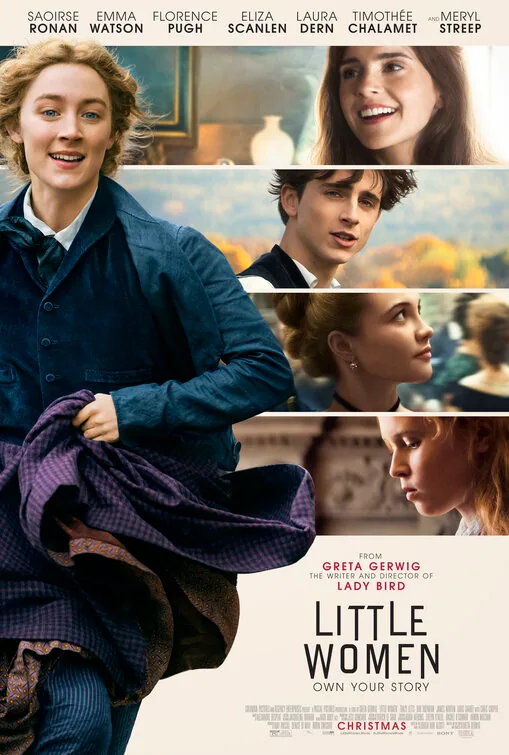
Greta Gerwig’s adaptation moves between the March sisters’ youthful household and their adult lives, using a non-linear structure to make memory, loss and ambition speak across time. Jo pursues writing and financial independence, Meg chooses a less publicly celebrated domestic life, Amy weighs artistic aspiration against material limits, and Beth’s illness shapes the family’s sense of what can be preserved. The publisher’s demand that Jo’s novel end in marriage creates a final ambiguity between character and author: the film gives her a romantic conclusion while also showing her negotiate ownership and payment for her book. This is neither a simple rejection of Alcott’s ending nor an unambiguous confirmation of romance. The two timelines let Jo’s authorship and lived future remain productively entangled.
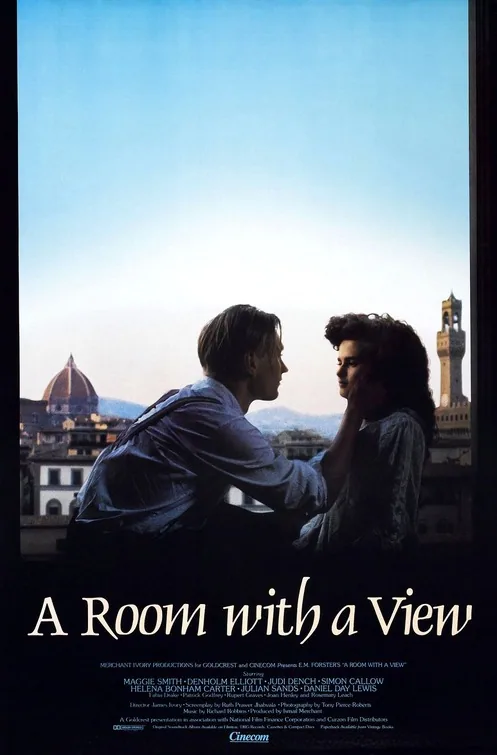
A chance meeting in Italy gives Lucy a new view of love that she must reconcile with the expectations waiting at home.
Why this matches +
These offer a related experience with a meaningful difference in story, tone, or presentation.
An adjacent discovery: a related idea with a different viewing experience.
Genres: Drama / Romance
Shared film traits
Based on recorded story, mood and style. Your preferences can change the order.
What changes Travel and changing social expectations unsettle established English class conventions in a period story about family and personal choice.
During a visit to Florence, young Englishwoman Lucy Honeychurch meets George Emerson, whose openness unsettles the formal expectations of her companions. Back in England, Lucy becomes engaged to the socially polished Cecil Vyse, but her feelings and ideas about independence remain unresolved. As family and friends try to guide her, the contrast between travel and home exposes the limits of a respectable match and the cost of choosing a life for oneself.
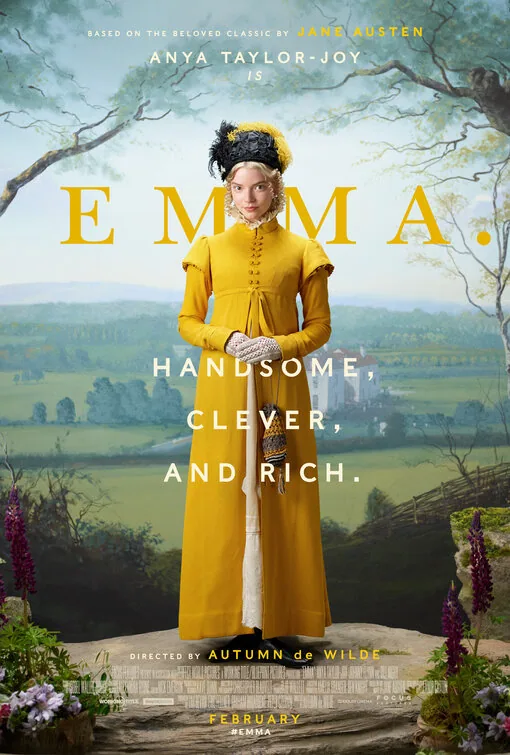
Emma’s matchmaking creates the misunderstandings that help reveal what she has overlooked about others.
Why this matches +
These offer a related experience with a meaningful difference in story, tone, or presentation.
An adjacent discovery: a related idea with a different viewing experience.
Genres: Comedy / Romance
Shared film traits
Based on recorded story, mood and style. Your preferences can change the order.
Memory and identity
What changes A visually formal period ensemble follows romantic misunderstandings and the influence of class and family position.
Emma Woodhouse believes she is skilled at arranging other people’s romantic lives, particularly the fortunes of her new friend Harriet Smith. Her confident matchmaking repeatedly misreads class, attraction and intention, while her own feelings become clearer only through mistakes. Autumn de Wilde’s adaptation of Jane Austen’s novel uses a bright, formal visual style to examine social position, self-knowledge and the limits of benevolent meddling.
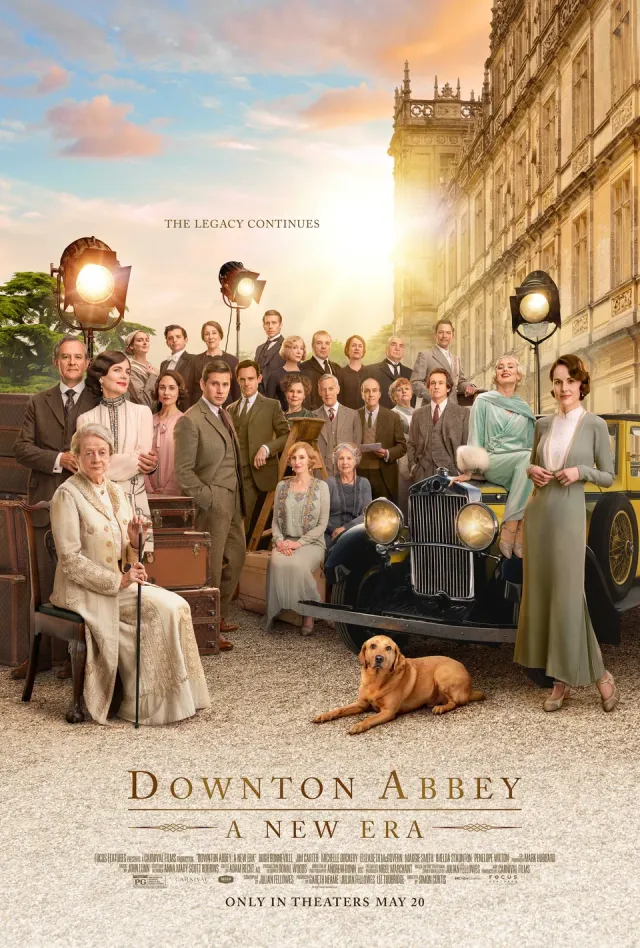
The Crawley family and their staff face two changes: an unexpected inheritance in the south of France and a film crew arriving at Downton. The production disrupts household routines while an ailing Violet’s past reshapes the family’s future. This ensemble period drama uses travel and filmmaking to reflect on inheritance, changing social worlds, and the uneasy transition from silent cinema to sound.
What drives the story
The French villa turns a family secret into a question of who deserves security.
The people at its centre
The film crew makes the estate observe itself through another medium.
What it feels like
Violet’s story gives the ensemble’s changing future an intimate historical anchor.
Worth knowing
The shift to sound cinema parallels wider changes in household and class structures.
FamilyInheritanceChange
Mood
Elegant · Affectionate · Nostalgic
Pacing
Two linked storylines alternate between estate life and travel
Visual style
Period interiors · Country-house composition · Behind-the-scenes film staging
Storytelling
Family inheritance · Film production · Generational transition