Both share themes of loyalty and competition, plus an affectionate atmosphere.
Why this matches +
Genres: Action / Comedy
Shared film traits
Based on recorded story, mood and style. Your preferences can change the order.
Sport and competition
Expect rowdy and relaxed, with episodic and builds toward a bout pacing.
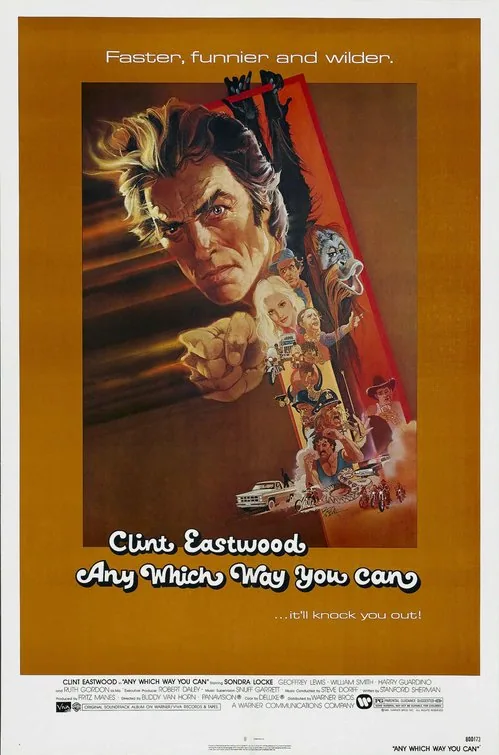
Philo Beddoe would rather spend time with his friends and orangutan Clyde than return to prizefighting, but a promoter and a rival boxer keep pulling him toward another match. When the Black Widows retaliate for an earlier humiliation, the conflict adds a road pursuit to Philo's effort to protect the people around him. The comedy mixes scrappy fights, romance and outlaw-car spectacle.
Based on recorded story, mood and style. Your preferences can change the order.
Escape and pursuit
What changes Every Which Way but Loose: episodic, road-based and action-comedy rhythm. Date Night: fast and escalating.
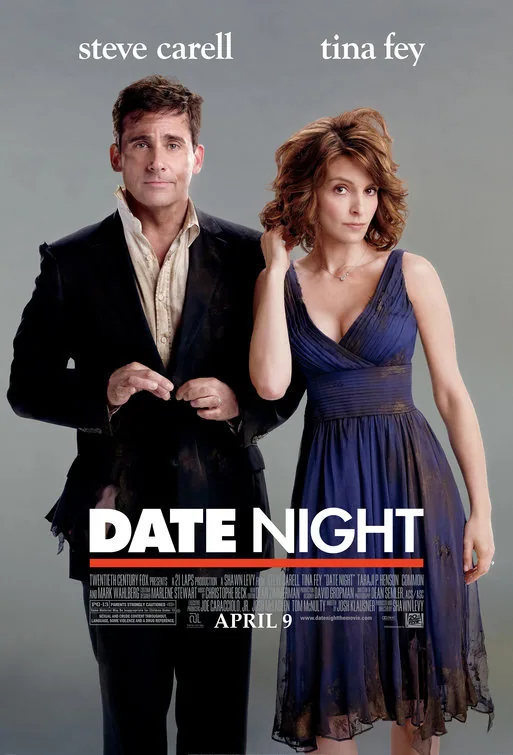
Phil and Claire Foster have settled into a busy family routine that leaves their weekly date feeling predictable. Hoping to rekindle their connection, they take a reservation at a fashionable Manhattan restaurant, where a case of mistaken identity makes them targets of dangerous men. The couple's night becomes a series of escapes across the city, forcing them to rely on each other's improvisation and remember why they chose one another.
Based on recorded story, mood and style. Your preferences can change the order.
Sport and competition
What changes Every Which Way but Loose: episodic, road-based and action-comedy rhythm. Run Fatboy Run: training progression, romantic-comedy misunderstandings and race-day climax.
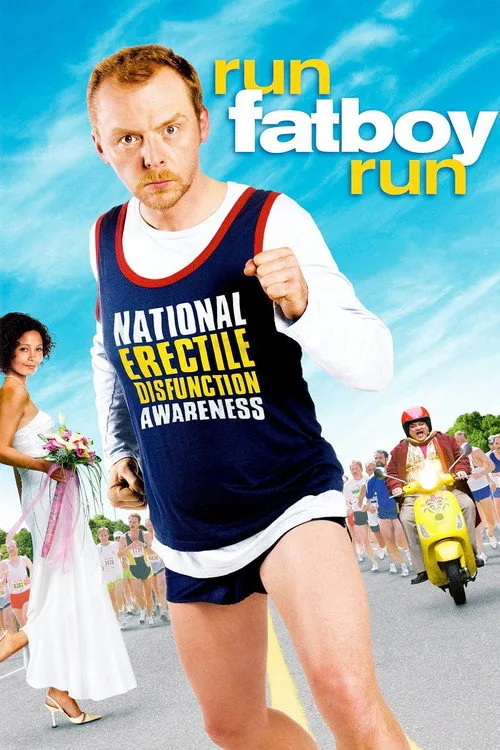
Dennis Doyle leaves his pregnant fiancée Libby at the altar, then watches years later as she builds a life with a successful new partner. Hoping to prove that he can follow through on something difficult, Dennis signs up for a marathon and begins training with help from his friend Gordon. David Schwimmer’s British romantic comedy follows the race as a test of commitment, self-respect, and renewed connection, mixing physical mishaps with a story about becoming dependable.
Both share themes of freedom, plus an affectionate and comic atmosphere.
Why this matches +
Genres: Comedy / Romance
Shared film traits
Based on recorded story, mood and style. Your preferences can change the order.
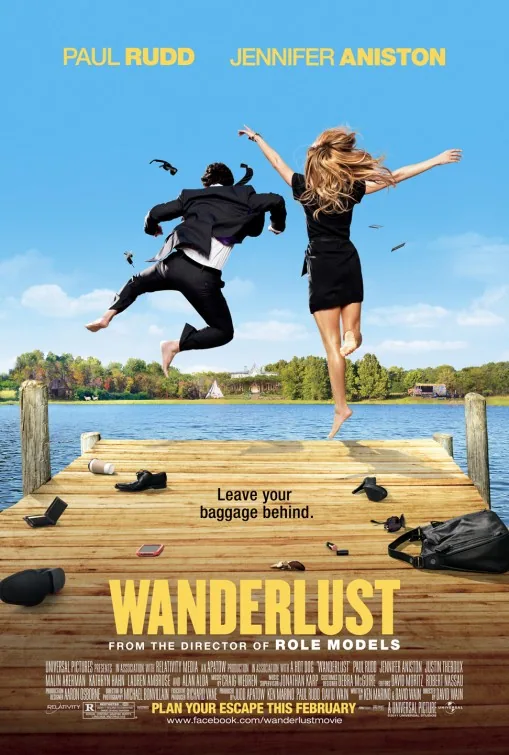
What changes Every Which Way but Loose: episodic, road-based and action-comedy rhythm. Wanderlust: a road trip turns into a test of communal living and marital compatibility.
After losing their jobs and New York apartment, George and Linda move in with relatives and then stop at a communal farm while traveling south. The alternative community offers a different rhythm of work, relationships, and shared resources, but its open values create new comic complications. The comedy contrasts urban ambition with communal idealism, asking what freedom looks like when people still need boundaries and responsibility.
Based on recorded story, mood and style. Your preferences can change the order.
Escape and pursuit · Music and performance
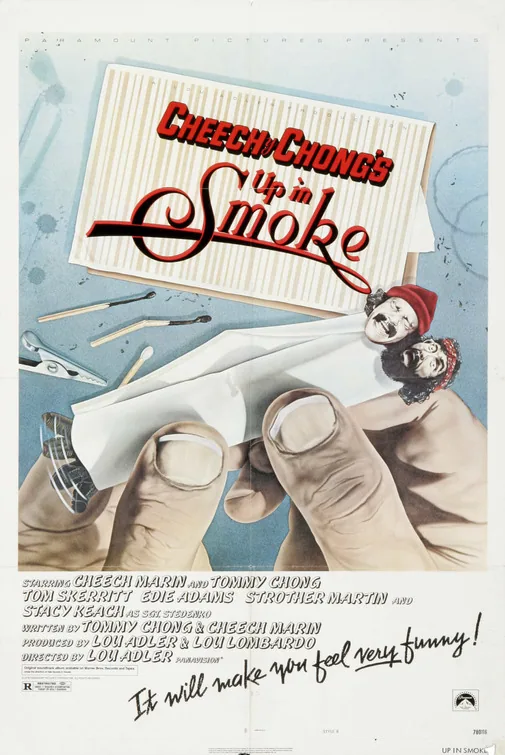
What changes Every Which Way but Loose is tagged rambunctious and affectionate; Up in Smoke is tagged loose and goofy.
Anthony Stoner, a jobless drummer under pressure from his parents, meets Pedro de Pacas while hitchhiking in California. The pair share a carefree outlook and stumble into a chain of misunderstandings involving police, drugs, and an unusual van that they drive toward Los Angeles. Their rambling journey leads them through eccentric encounters and a musical competition, while officers repeatedly try to catch up with them. The comedy grows from the duo's chemistry and their ability to turn ordinary situations into absurd detours.
Based on recorded story, mood and style. Your preferences can change the order.
Escape and pursuit
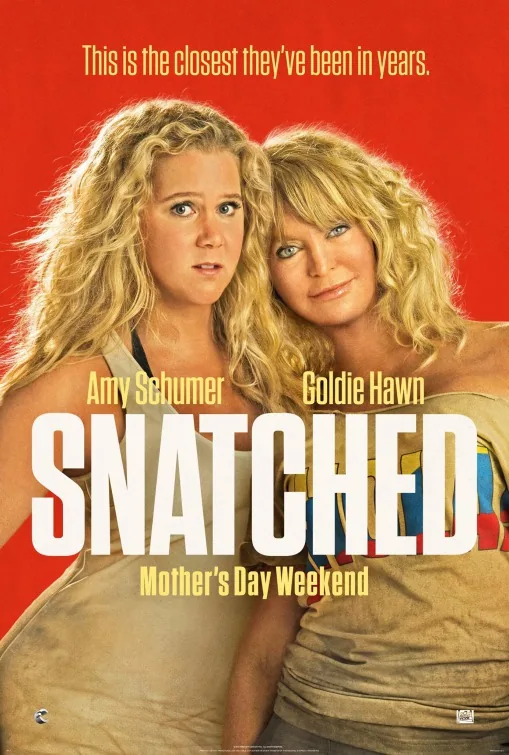
What changes Every Which Way but Loose: episodic, road-based and action-comedy rhythm. Snatched: adventure episodes with comic recovery.
After losing her job and boyfriend, Emily persuades her cautious mother Linda to join her on a trip to Ecuador. The holiday takes a dangerous turn when the two are kidnapped, forcing them to rely on each other and on strangers as they try to escape. The comedy reverses their usual parent-child roles: Linda’s careful preparation becomes useful, while Emily must reconsider how much she has taken her mother for granted.
Based on recorded story, mood and style. Your preferences can change the order.
Music and performance
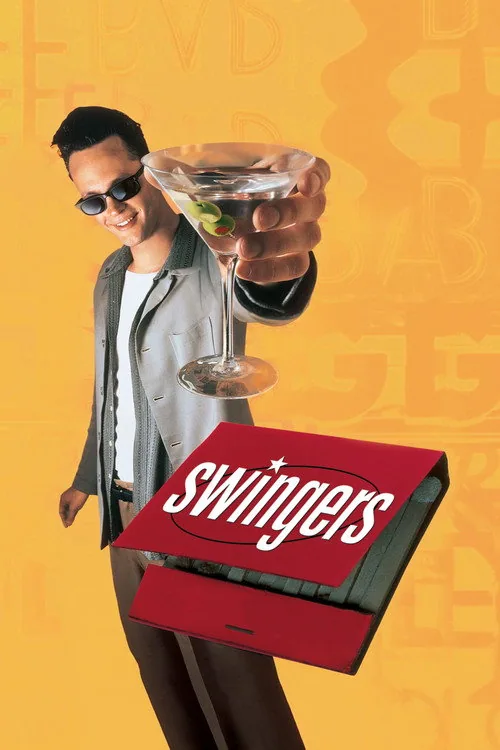
What changes Every Which Way but Loose: episodic, road-based and action-comedy rhythm. Swingers: loose, dialogue-led and gradual emotional shift.
Mike Peters is a struggling performer newly settled in Los Angeles and still hurt by the end of a long relationship. His friend Trent urges him back into nightlife, introducing him to clubs, parties, and a circle of aspiring actors. Mike’s attempts to socialize are repeatedly undermined by his fixation on his ex, until a new connection forces him to reconsider how he handles rejection. Doug Liman’s independent comedy observes friendship and dating through conversational scenes shaped by the mid-1990s swing revival.
Both share themes of loyalty, plus a comic atmosphere.
Why this matches +
Genres: Action / Comedy
Shared film traits
Based on recorded story, mood and style. Your preferences can change the order.
Expect energetic and nostalgic, with action-comedy rhythm and investigation-led pacing.
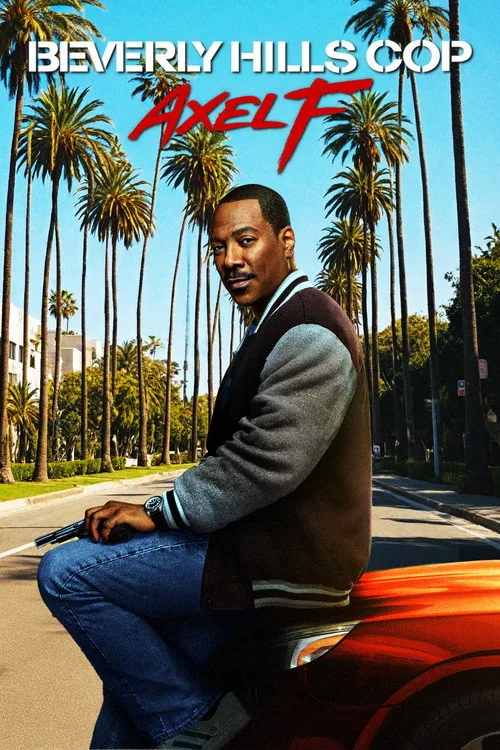
Detroit detective Axel Foley returns to Beverly Hills when his estranged daughter Jane becomes involved in a dangerous case. He teams up with her and local detective Bobby Abbott while reconnecting with familiar officers and uncovering a conspiracy tied to police corruption. Axel’s comic disregard for procedure creates conflict with the official investigation, but his instincts and old relationships remain useful. Mark Molloy’s sequel revives the buddy-cop series through an older Foley balancing family repair, city-to-city policing, and action-comedy set pieces.
Based on recorded story, mood and style. Your preferences can change the order.
Music and performance
Expect affectionate and nostalgic, with conversational and episodic pacing.
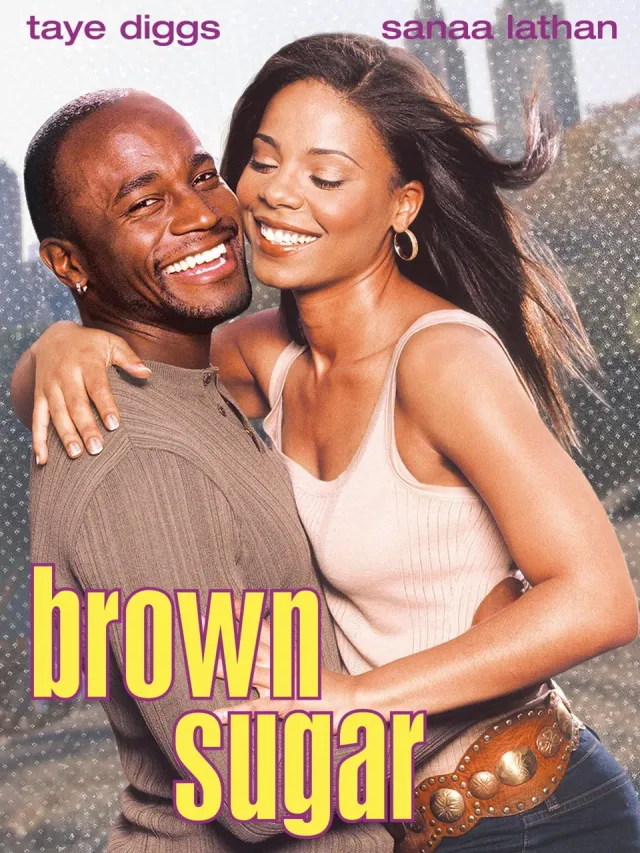
Two lifelong friends connected by their love of hip-hop begin to reconsider their relationship as careers and other romances shift. Their shared musical history keeps drawing them together even when timing and professional ambition pull them apart. The romance treats music as an archive of intimacy, linking personal memory with a culture the characters helped build. Songs, city settings and easy banter create a warm romantic-comedy atmosphere rooted in creative work.
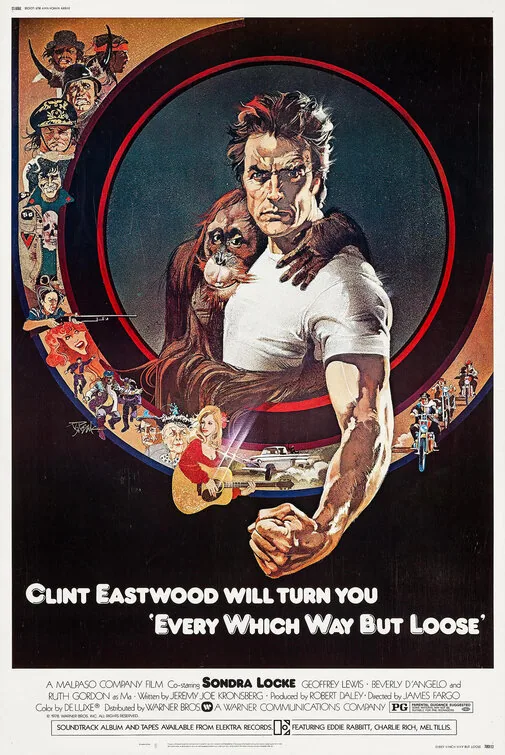
Philo Beddoe earns money as a bare-knuckle fighter and lives in California with his friend Orville, Orville's mother, and a pet orangutan named Clyde. After meeting country singer Lynn Halsey-Taylor, Philo becomes determined to find her when she disappears. His trip toward Denver turns into a succession of fights and run-ins with the motorcycle gang known as the Black Widows. Orville and Clyde accompany him, and Philo's pursuit of romance repeatedly collides with his loyalty to his companions and his reputation as a fighter.
What drives the story
A bare-knuckle fighter follows a country singer across the West while trouble and companions keep interrupting the trip.
The people at its centre
Philo's attraction to Lynn is balanced by loyalty to Orville and Clyde, whose presence shapes his choices.
What it feels like
The film mixes road comedy and brawls with an affectionate central friendship and a distinctive animal companion.
Worth knowing
This is a loose action comedy about an unconventional traveler, not a conventional boxing biography.