Explore films connected to Exit 8 through attention and responsibility, repetition and decision, parenthood and uncertainty. Choose the qualities you want to carry into your next watch.
What should feel similar?
Find your next favourite
9 films · Closest overall matches
Hide films you’ve seen or don’t want. Saved on this device.
No matches for this combination yet.
Try another option or reset your choices to see more films.
Based on recorded story, mood and style. Your preferences can change the order.
Constructed reality
What changes Exit 8: ordinary commute becomes impossible repetition, careful observation determines progress and final choices connect escape with responsibility. Sleep Tight: daily routine introduces césar's access, secret actions increase risk and obsession and discovery threatens his control.
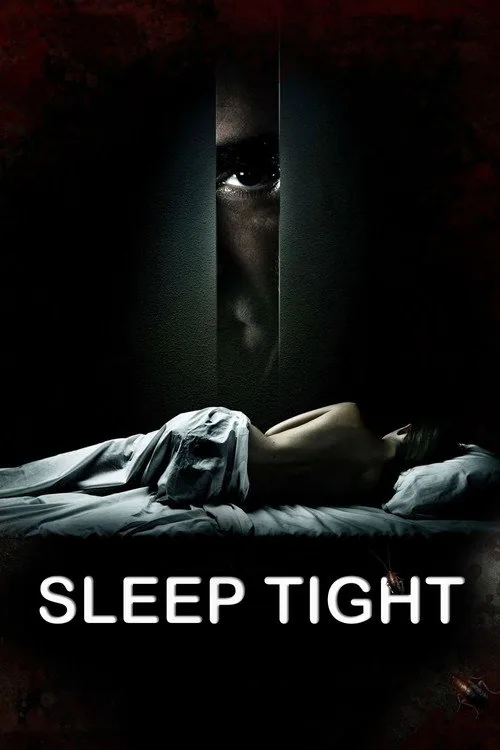
César works as a concierge in a Barcelona apartment building and believes he cannot be happy. He secretly uses his access to manipulate tenants and focuses his attention on Clara, whose cheerfulness resists his attempts to unsettle her. César's hidden routine becomes more dangerous when Clara's boyfriend visits and a young resident begins to notice clues. The psychological thriller turns familiar apartment rituals into a private contest of control, observation, and violation.
Based on recorded story, mood and style. Your preferences can change the order.
What changes Exit 8: ordinary commute becomes impossible repetition, careful observation determines progress and final choices connect escape with responsibility. 1408: escalating.
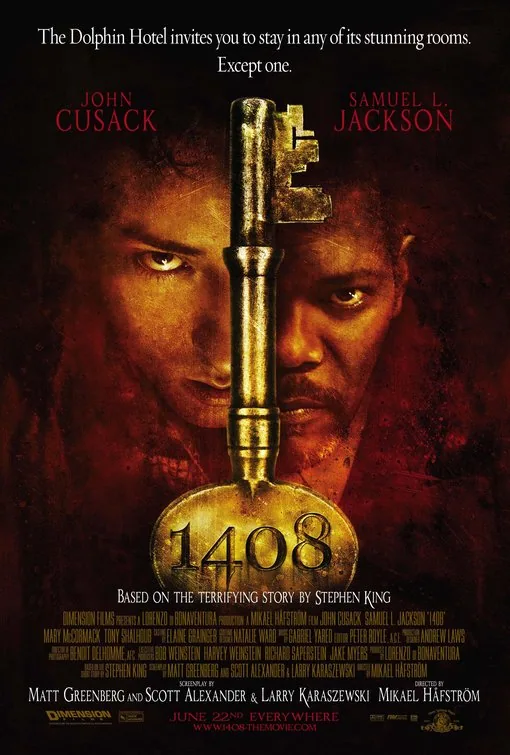
A writer who exposes supposedly haunted hotels insists on staying in a notorious room despite its manager's warnings. Inside, his confident skepticism collapses as the room manipulates time, space, and memories of his dead daughter. Escape becomes difficult to distinguish from another trap, forcing him to confront grief through an environment that seems able to turn his own mind against him.
Based on recorded story, mood and style. Your preferences can change the order.
Constructed reality
What changes Exit 8: ordinary commute becomes impossible repetition, careful observation determines progress and final choices connect escape with responsibility. Cube 2: Hypercube: enigma-driven, trap-to-trap escalation and revelation near the climax.
Eight strangers wake in a sealed geometric structure and try to understand how they arrived there and which rooms are safe. The space behaves like a shifting multidimensional puzzle, with altered gravity, time distortions, and rooms that can become lethal. As the survivors compare what they know, conflicts emerge over identity and the purpose of the structure. Andrzej Sekuła’s science-fiction horror sequel expands the original Cube’s mathematical trap into a more unstable and surreal environment.
Based on recorded story, mood and style. Your preferences can change the order.
Constructed reality
What changes Exit 8: ordinary commute becomes impossible repetition, careful observation determines progress and final choices connect escape with responsibility. The Tenant: quiet arrival and observation, rules and suspicion accumulate and psychological breakdown and repetition.
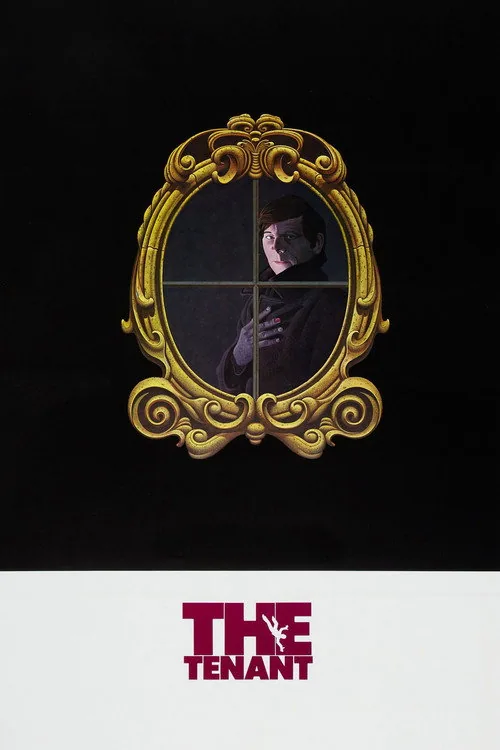
Trelkovsky rents a Paris apartment after its previous tenant attempts suicide by jumping from a window. He becomes involved with the woman's friend and tries to satisfy an increasingly demanding landlord and building residents, but their rules make ordinary behavior feel threatening. As he investigates the absent tenant and notices the neighbors' scrutiny, he grows convinced that they intend to erase his identity and make him repeat her fate. The psychological horror turns apartment life into a maze of social pressure, suspicion, and unstable self-perception.
Based on recorded story, mood and style. Your preferences can change the order.
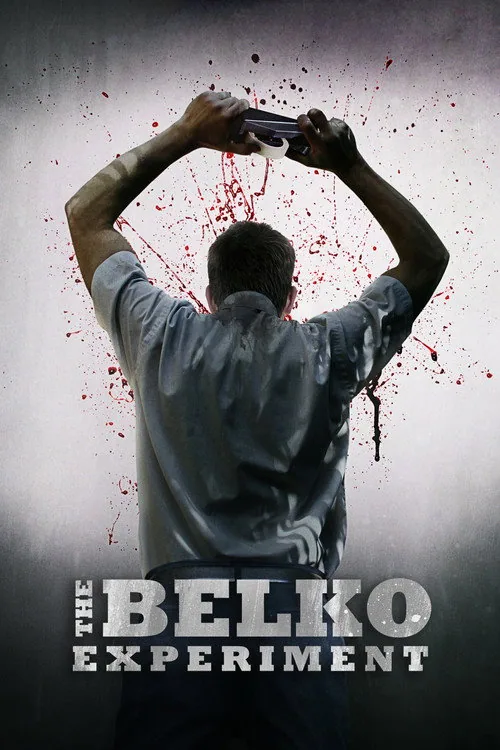
What changes Exit 8: ordinary commute becomes impossible repetition, careful observation determines progress and final choices connect escape with responsibility. The Belko Experiment: high-pressure escalation and survival countdown.
Employees arrive for an ordinary workday at a corporate office outside Bogotá and find the building sealed. A voice over the intercom orders them to kill one another, then demonstrates that the threat is real, turning the workplace into a deadly experiment. As fear and scarcity take hold, coworkers must decide whether to obey, resist, or protect one another. Greg McLean’s horror thriller uses a single office complex to examine how quickly routine hierarchies and moral boundaries can collapse under coercion.
Based on recorded story, mood and style. Your preferences can change the order.
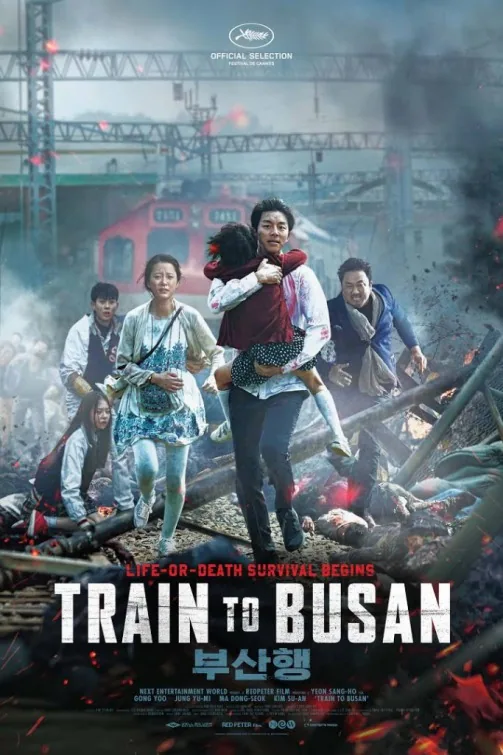
What changes Exit 8: ordinary commute becomes impossible repetition, careful observation determines progress and final choices connect escape with responsibility. Train to Busan: rapid escalation and episodic obstacles.
Work-focused fund manager Seok-woo boards an express train to Busan with his young daughter Su-an, hoping to get her to her mother. A fast-moving outbreak begins during departure, and the train’s narrow cars turn travel into a sequence of blocked exits, desperate alliances and sudden changes in who can be trusted. Seok-woo’s first instinct is to protect himself and Su-an alone, but other passengers make the costs of that instinct harder to ignore. A husband and pregnant wife, a baseball team and several isolated riders are forced to decide whether survival means shutting a door or helping someone reach the next car. The journey toward a city believed to be safe becomes a test of caregiving, fear and collective responsibility under pressure.
Based on recorded story, mood and style. Your preferences can change the order.
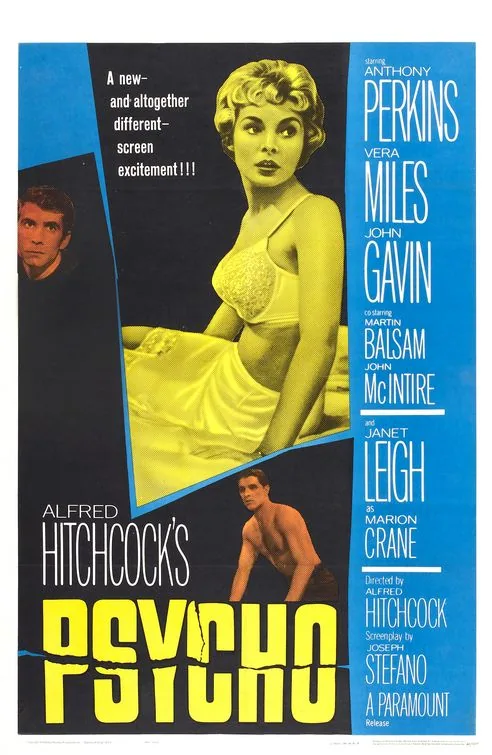
What changes Exit 8: ordinary commute becomes impossible repetition, careful observation determines progress and final choices connect escape with responsibility. Psycho: slow burn and intense.
A secretary impulsively steals money entrusted to her and drives away, hoping to escape the financial limitations surrounding a relationship. Rain and exhaustion lead her to an isolated motel run by a courteous young man whose attachment to his mother seems unusually restrictive. When her disappearance brings relatives and an investigator to the property, an apparent story of flight and guilt becomes an inquiry into violence, concealment and a fractured identity.
Based on recorded story, mood and style. Your preferences can change the order.
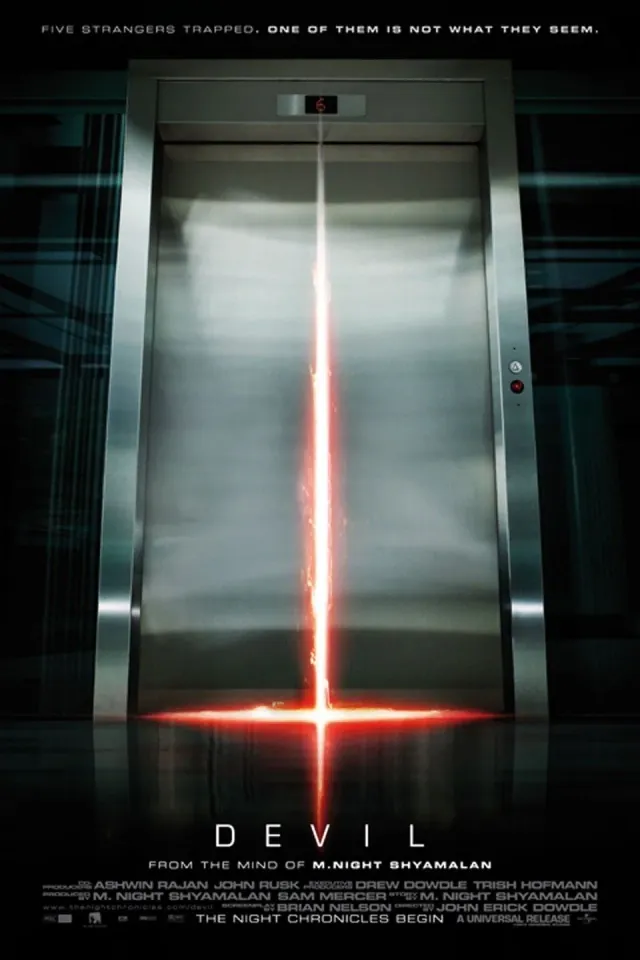
What changes Exit 8: ordinary commute becomes impossible repetition, careful observation determines progress and final choices connect escape with responsibility. Devil: tight rising suspense.
Five strangers become trapped in a Philadelphia office-tower elevator during a sequence of apparent accidents and violent events. A detective and a security guard attempt to understand what is happening as fear turns the confined group against itself. The supernatural thriller uses a single enclosed setting, suspicion and a folkloric frame to ask whether the danger is external, personal or shaped by the passengers’ past actions.
Based on recorded story, mood and style. Your preferences can change the order.
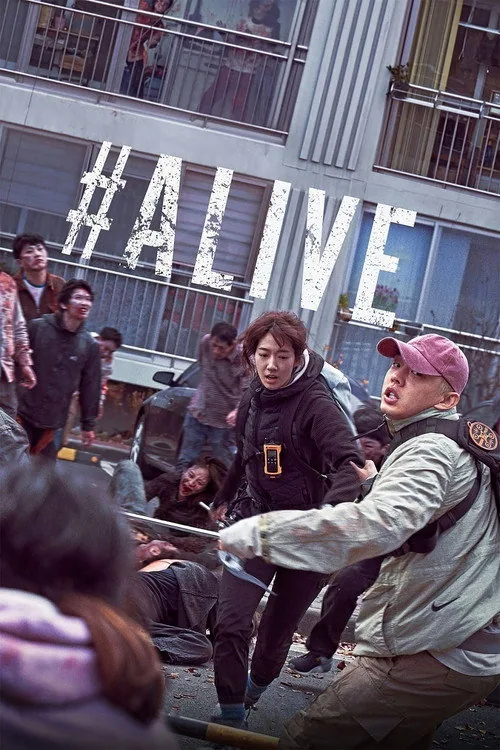
What changes Exit 8: ordinary commute becomes impossible repetition, careful observation determines progress and final choices connect escape with responsibility. #Alive: solitary survival opening, parallel apartment tension and rooftop rescue climax.
When a zombie outbreak overwhelms Seoul, video-game player Oh Joon-woo is trapped alone in his family's apartment as phones and utilities begin to fail. He uses a drone and social media to assess the streets, then discovers another survivor, Kim Yoo-bin, in a nearby building. The pair coordinate across balconies and hallways while rationing food, avoiding the infected, and resisting despair. This Korean survival thriller turns a familiar apartment block into a vertical maze and treats digital connection as both a practical tool and an emotional lifeline.
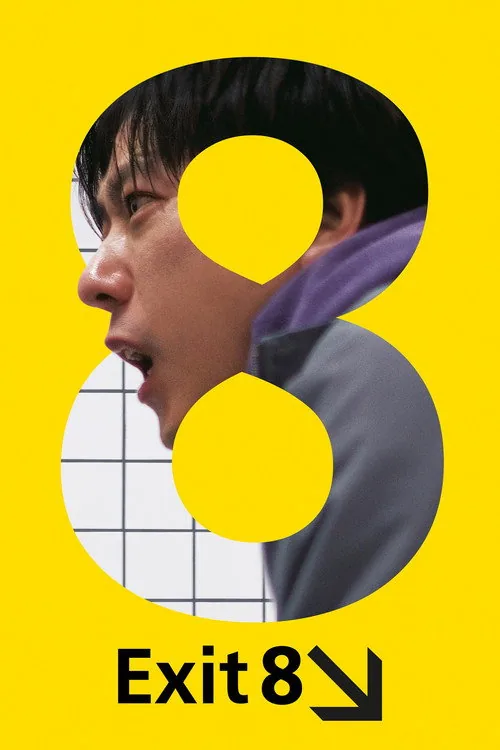
A man leaving a subway station receives a call from his former girlfriend, who tells him she is pregnant, then finds himself trapped in an empty corridor that loops endlessly. Instructions on the wall explain that he must turn back whenever he sees an anomaly and continue only when the passage appears normal. Each mistake resets his progress to Exit 0. As signs and spaces become increasingly disturbing, the man must stay alert and confront the personal decision waiting beyond the station's impossible architecture.
What drives the story
The Lost Man must identify anomalies and follow posted rules to reach Exit 8 without resetting his progress.
The people at its centre
A phone call about his ex-girlfriend's pregnancy gives his abstract escape attempt a personal responsibility beyond the maze.
What it feels like
A minimalist psychological thriller creates dread from repeated corridor walks and small changes in familiar details.
Worth knowing
Its game-like loop ties supernatural escape to a commuter's real-life decision, distinguishing it from an ordinary haunted station story.
attention and responsibilityrepetition and decisionparenthood and uncertainty
Mood
uncanny · claustrophobic · meditative
Pacing
ordinary commute becomes impossible repetition · careful observation determines progress · final choices connect escape with responsibility