Both share themes of first love, plus a nostalgic atmosphere.
Why this matches +
Genres: Drama / Romance
Shared film traits
Based on recorded story, mood and style. Your preferences can change the order.
Memory and identity
What changes Flipped: a pair of childhood neighbors gradually discover how differently each has understood their relationship.. The Best of Me: alternating timelines build toward emotional closure.
Former high-school sweethearts reunite years later in their Southern hometown after a death brings them back into contact. Their renewed affection is shaped by old choices, separate lives and a past that still carries consequences. The romantic drama uses flashbacks and a present-day meeting to consider whether first love can survive time without pretending that memory erases what happened.
Both share themes of family, plus a gentle atmosphere.
Why this matches +
Genres: Comedy / Drama
Shared film traits
Based on recorded story, mood and style. Your preferences can change the order.
Coming of age · Memory and identity
What changes Flipped: a pair of childhood neighbors gradually discover how differently each has understood their relationship.. Dan in Real Life: conversational and episodic.
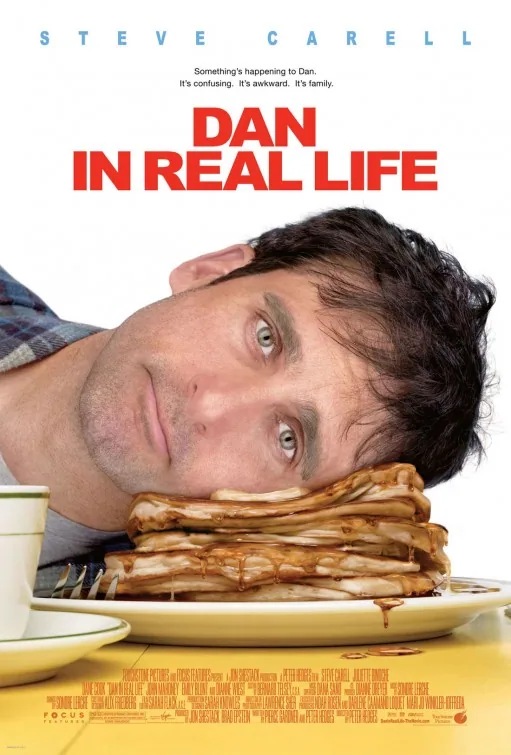
A widowed advice columnist meets a woman he likes, only to learn she is dating his brother during a family weekend. The crowded gathering forces Dan to balance his private feelings with the needs of his daughters and siblings. The dramedy finds new love difficult because it arrives within an existing network of care and grief. Naturalistic family conversations and a gently awkward tone favor emotional observation over big romantic gestures.
Based on recorded story, mood and style. Your preferences can change the order.
Memory and identity
What changes Flipped: a pair of childhood neighbors gradually discover how differently each has understood their relationship.. Crossing Delancey: slow relationship development.
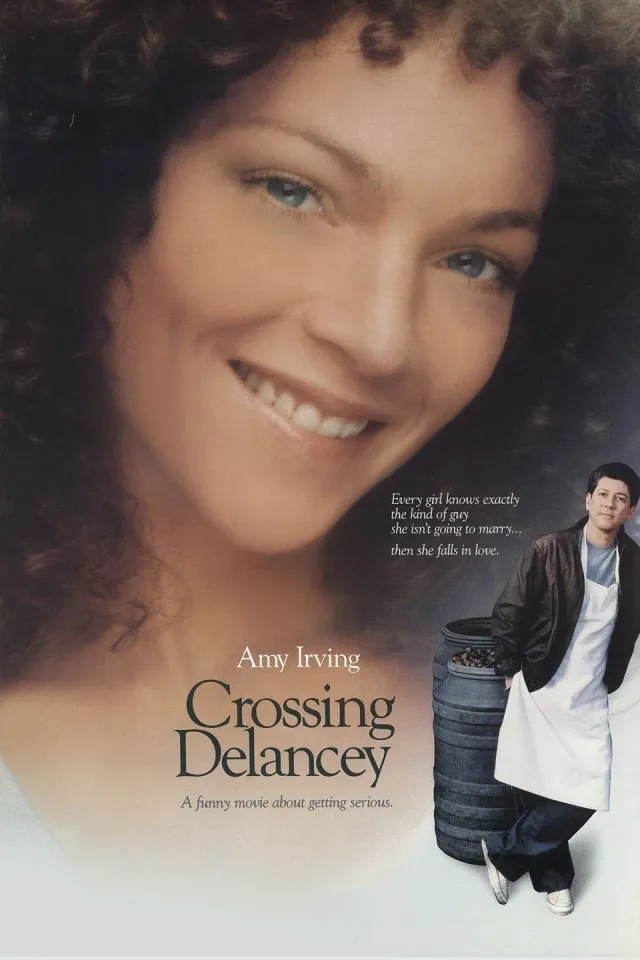
Bookshop worker Isabelle Grossman enjoys her independent life in Manhattan, but her grandmother arranges a match with Sam, a pickle seller from the Lower East Side. Isabelle's attraction to a more polished author complicates her response to Sam and to the cultural expectations her grandmother represents. The romantic comedy observes neighborhood identity and intimacy through everyday conversation, food and family matchmaking.
Both share themes of family, plus a nostalgic atmosphere.
Why this matches +
Genres: Comedy / Drama
Shared film traits
Based on recorded story, mood and style. Your preferences can change the order.
Coming of age · Memory and identity
What changes Flipped: a pair of childhood neighbors gradually discover how differently each has understood their relationship.. My Girl: a funeral director’s daughter navigates friendship and family change during a summer that brings a sudden loss..
Eleven-year-old Vada Sultenfuss spends the summer of 1972 in a Pennsylvania funeral home run by her widowed father. Hypochondriac and preoccupied with death, she relies on her friendship with Thomas J. while adjusting to a new makeup artist, Shelly, who begins dating her father. Vada’s feelings about family change as she experiences first love, jealousy, and an unexpected loss. Howard Zieff’s coming-of-age drama balances gentle childhood comedy with a story about bereavement and the difficulty of explaining grief to a child.
Based on recorded story, mood and style. Your preferences can change the order.
Coming of age
What changes Flipped: a pair of childhood neighbors gradually discover how differently each has understood their relationship.. My Fault: London: move to a new household introduces conflict, attraction grows through summer encounters and outside danger tests the relationship.
Eighteen-year-old Noah moves from America to London after her mother begins a relationship with wealthy businessman William. In their new home, Noah meets William's rebellious son Nick, and their initial dislike soon turns into a powerful attraction neither can easily avoid. As she adjusts to a new city and social circle, Noah's difficult past and Nick's risky lifestyle complicate their relationship. This British adaptation of Mercedes Ron's Culpables novel follows a young couple through first love, family change, and the consequences of trying to keep a forbidden romance hidden.
Based on recorded story, mood and style. Your preferences can change the order.
Coming of age · Memory and identity
What changes Flipped: a pair of childhood neighbors gradually discover how differently each has understood their relationship.. Little Women: nonlinear and episodic.
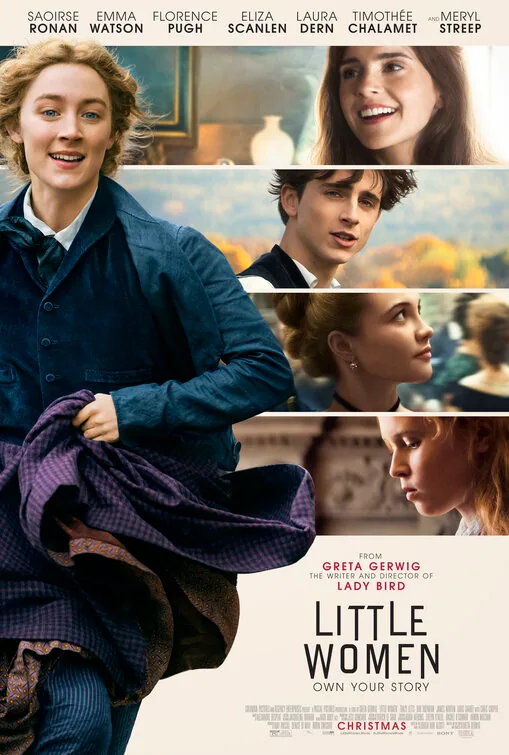
Greta Gerwig’s adaptation moves between the March sisters’ youthful household and their adult lives, using a non-linear structure to make memory, loss and ambition speak across time. Jo pursues writing and financial independence, Meg chooses a less publicly celebrated domestic life, Amy weighs artistic aspiration against material limits, and Beth’s illness shapes the family’s sense of what can be preserved. The publisher’s demand that Jo’s novel end in marriage creates a final ambiguity between character and author: the film gives her a romantic conclusion while also showing her negotiate ownership and payment for her book. This is neither a simple rejection of Alcott’s ending nor an unambiguous confirmation of romance. The two timelines let Jo’s authorship and lived future remain productively entangled.
Based on recorded story, mood and style. Your preferences can change the order.
Coming of age
What changes Flipped: a pair of childhood neighbors gradually discover how differently each has understood their relationship.. Home Sweet Home Alone: escalating physical set pieces.
Young Max Mercer is accidentally left behind when his family travels for the holidays, while a married couple arrive believing that an irreplaceable heirloom has been stolen from their home. Max mistakes their attempts to retrieve it for a burglary and defends the house with traps. The reboot plays with the mistaken identities and holiday-home-invasion pattern of the franchise, pairing slapstick action with a late shift toward empathy.
Based on recorded story, mood and style. Your preferences can change the order.
Memory and identity
What changes Flipped: a pair of childhood neighbors gradually discover how differently each has understood their relationship.. Labor Day: constrained home setting, slowly changing power dynamic and romantic and suspenseful resolution.
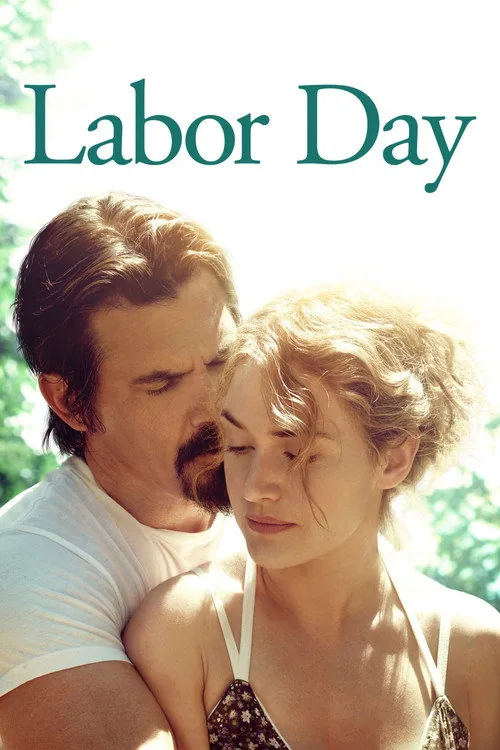
In 1987, depressed single mother Adele Wheeler and her young son Henry are shopping when escaped convict Frank Chambers forces them to shelter him at their rural home. Over the Labor Day weekend, the stranger's control gradually gives way to domestic routines and a complicated bond with both mother and child. Police and neighbors remain a threat outside, while Henry tries to understand whether Frank can be trusted. The drama turns a hostage situation into an intimate story about loneliness, attachment, and an uncertain chance at escape.
Based on recorded story, mood and style. Your preferences can change the order.
Memory and identity
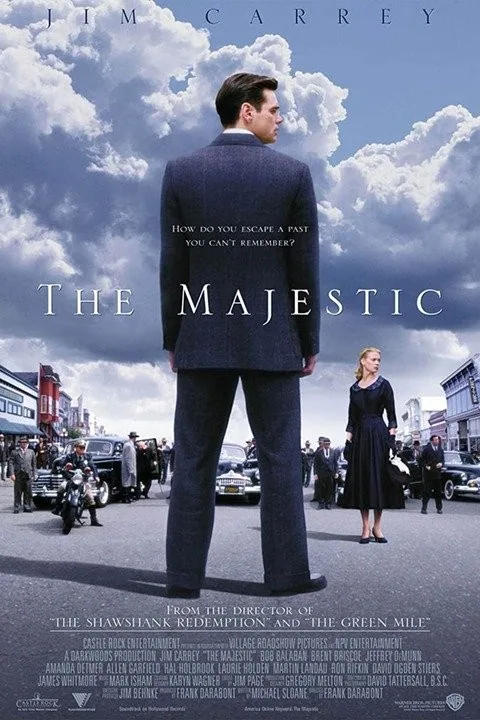
What changes Flipped: a pair of childhood neighbors gradually discover how differently each has understood their relationship.. The Majestic: measured and gradual.
A Hollywood screenwriter loses his memory after a car accident and is mistaken for a local man who never returned from war. Welcomed into a small town, he helps revive a struggling cinema and forms relationships before his past resurfaces. The drama blends romance and civic memory with a period story about identity, loyalty and political suspicion during blacklisting.
In 1957, Juli Baker and Bryce Loski become neighbors, but the two children interpret their early encounters very differently. Juli develops a crush while Bryce tries to avoid her, and the story revisits several years from both perspectives as they grow older. Their changing feelings are shaped by a beloved neighborhood tree, Juli’s egg business, and their families’ contrasting circumstances. Rob Reiner’s adaptation of Wendelin Van Draanen’s novel turns a childhood crush into a gentle coming-of-age story about perception, embarrassment, and learning to see another person clearly.
What drives the story
Juli and Bryce’s relationship changes over the years as each reassesses the other.
The people at its centre
Juli’s early certainty contrasts with Bryce’s avoidance, then their feelings shift as they understand each other’s families and choices.
What it feels like
The film includes school bullying, family conflict, and a subplot about disability and caregiving.
Worth knowing
Its central device is the same events filtered through two young narrators, not a romance driven by a single perspective.
First lovePerspectiveFamily
Mood
Gentle · Nostalgic · Coming-of-age
Pacing
A pair of childhood neighbors gradually discover how differently each has understood their relationship.
Visual style
Warm period detail · Symmetrical suburban framing · Paired narration