Both centre on artistic romance and performance ambition.
Why this matches +
Genres: Musical / Romance
Shared film traits
Based on recorded story, mood and style. Your preferences can change the order.
Music and performance
What changes Funny Face: episodic and brisk. Swing Time: musical numbers and comic escalation.
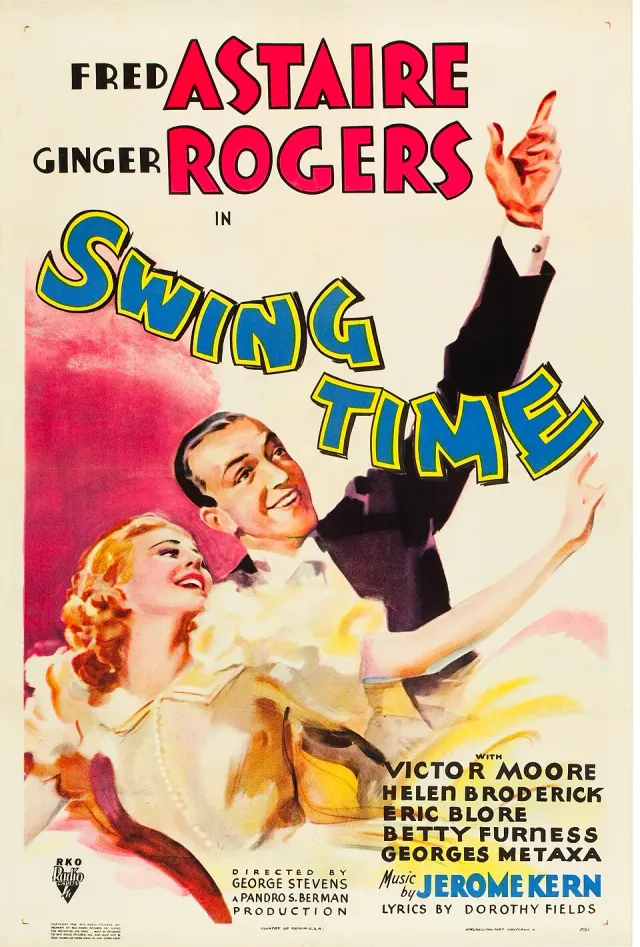
Dancer and gambler Lucky Garnett must raise money before he can marry, so he travels to New York with his friend Pop. There he encounters dance instructor Penny Carroll, whose talent and charm complicate his original plans. As stage opportunities, misunderstandings and Lucky’s existing engagement intersect, their partnership on the dance floor becomes inseparable from the choices facing them off it.
Shared characteristics
Mood: Romantic
Mood: Playful
Theme: Romance
Genre: Musical
Genre: Romance
Genre: Comedy
Poster: Film rights holders; original promotional poster documented by Wikipedia · Image source
Based on recorded story, mood and style. Your preferences can change the order.
Music and performance
Expect romantic and playful, with measured and episodic pacing.
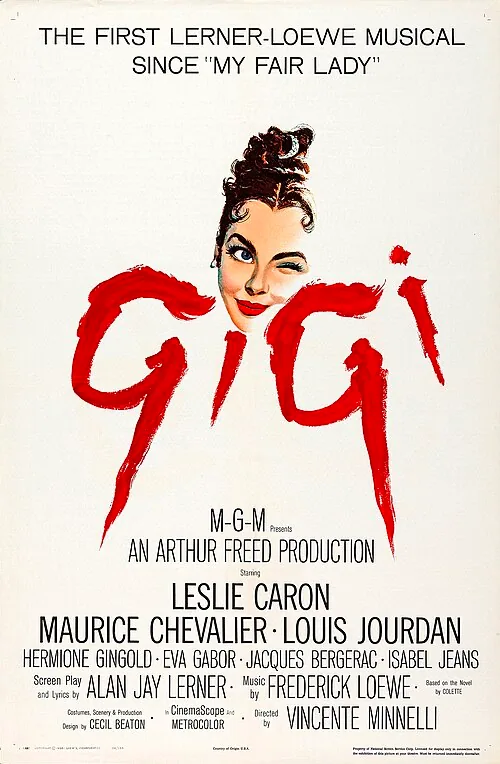
Raised by female relatives to enter Parisian high society as a courtesan, young Gigi is expected to turn charm and training into financial security through an arrangement with the wealthy Gaston. The musical presents this education with wit and elegant color, yet the age difference and economic dependence complicate the romance its ending celebrates. Gigi’s final refusal of the role she has been prepared for changes the terms of the relationship, but does not make the constraints around her upbringing disappear. The film’s nostalgic musical framing is part of its pleasure and part of the question: whose choices does that style make look charming?
Both centre on artistic romance and performance ambition.
Why this matches +
Genres: Drama / Romance
Shared film traits
Based on recorded story, mood and style. Your preferences can change the order.
Music and performance
What changes Funny Face: episodic and brisk. Moulin Rouge!: fast.
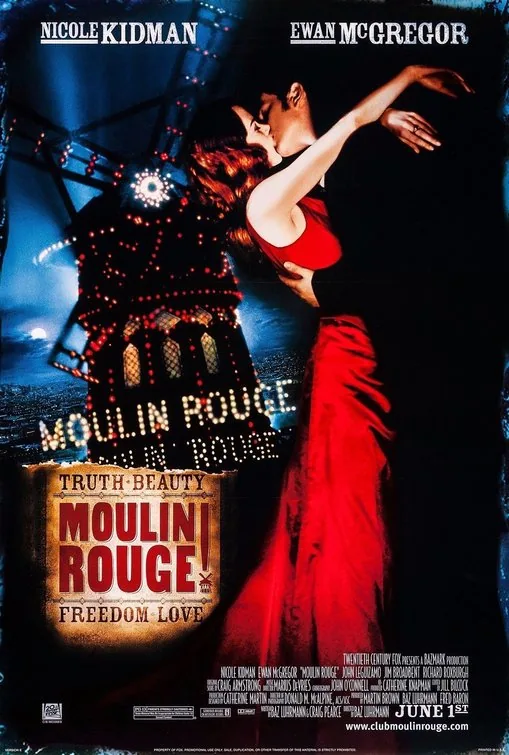
A young writer enters a Parisian cabaret hoping to join an artistic revolution and falls in love with its star performer. Their relationship must be concealed from a wealthy patron whose funding is expected to secure the venue's future and access to the woman he desires. A theatrical production becomes both cover and mirror for their romance, while illness and economic dependence make declarations of freedom increasingly fragile.
Both share themes of romance, plus a romantic and playful atmosphere.
Why this matches +
Genres: Comedy / Romance
Shared film traits
Based on recorded story, mood and style. Your preferences can change the order.
Expect playful and witty, with brisk and escalating pacing.
A magazine writer tries to produce a breakup for an assignment while an advertising executive bets that he can make a woman fall in love with him. Their colleagues arrange a pairing in which each mistakes the other's strategic persistence for an inexplicable personality trait. Private warmth emerges inside behavior designed for opposite outcomes, making disclosure a threat to both professional plans and genuine attachment. The romantic comedy relies on the audience knowing the incompatible projects that the couple conceals from each other.
Based on recorded story, mood and style. Your preferences can change the order.
Expect quirky and stylish, with episodic and whimsical pacing.
Art student Ben Willis develops insomnia after a breakup and takes a night-shift job at a supermarket. To make the long hours less monotonous, he imagines that he can stop time and move through the frozen store, observing scenes as if they were drawings. Co-workers’ routines become part of his private fantasy, while he gradually grows closer to cashier Sharon. Sean Ellis’s romantic comedy-drama blends an offbeat workplace ensemble with reflections on time, attraction, and artistic attention.
Based on recorded story, mood and style. Your preferences can change the order.
Music and performance
Expect exuberant and playful, with episodic and brisk pacing.
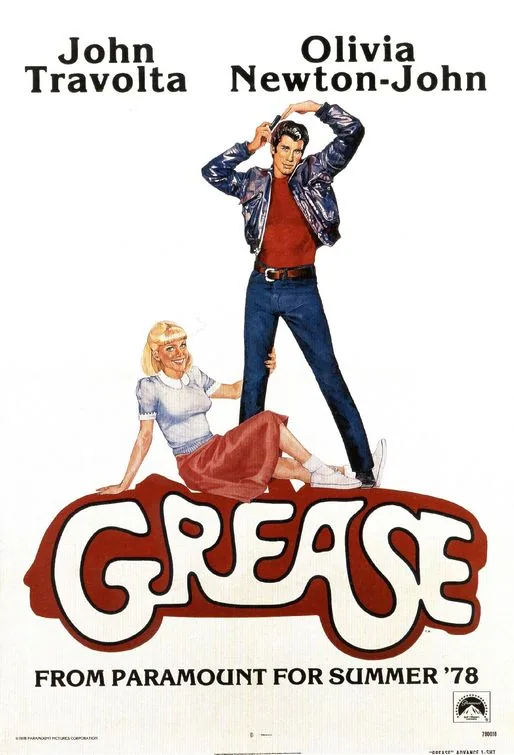
Two teenagers who shared a tender summer meet again at school, where public identity makes their private connection difficult to acknowledge. He performs toughness for his friends, while she faces pressure to change how she dresses, behaves and understands belonging. Parallel romances and a pregnancy scare complicate the group's apparently carefree rituals. Songs, a televised dance and a car race turn social recognition into spectacle, making courtship inseparable from the roles the teenagers perform for one another.
Based on recorded story, mood and style. Your preferences can change the order.
What changes Funny Face: episodic and brisk. The Hustle: a series of schemes culminates in layered reversals.
Two con artists with sharply different styles compete for territory in a wealthy coastal town, then wager on who can swindle a young technology millionaire first. Josephine favors polished manipulation, while Penny relies on improvisation and comic audacity. The comedy structures itself around shifting confidence and reversals, with the rivalry eventually becoming more complicated than either woman’s original plan.
Based on recorded story, mood and style. Your preferences can change the order.
Music and performance
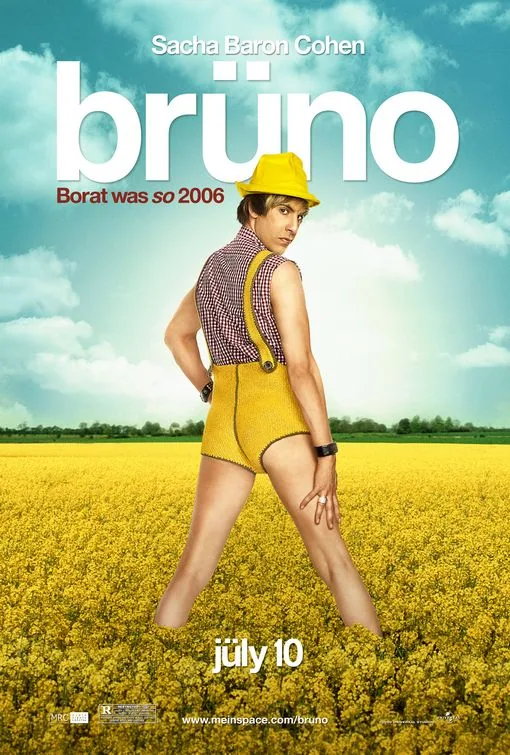
What changes Funny Face is tagged playful and romantic; Brüno is tagged provocative and awkward.
A flamboyant Austrian fashion reporter travels to the United States seeking celebrity and attention, staging encounters that expose the prejudices and social performance he meets. The mockumentary uses provocation and awkward improvisation to challenge its subjects while also relying on the comic persona’s excess. Its satire asks who is being observed and what a performance can reveal about an audience.
Based on recorded story, mood and style. Your preferences can change the order.
Music and performance
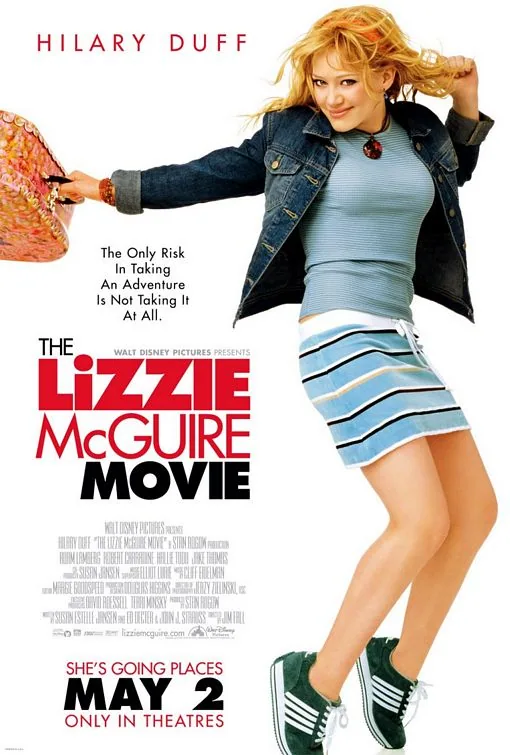
What changes Funny Face: episodic and brisk. The Lizzie McGuire Movie: escalating and adventure-led.
On a school trip to Rome, an American teenager is mistaken for an Italian pop star and swept into a performance opportunity that offers instant attention. The mix-up tests her friendship with the real performer and the identity she has built among classmates back home. The film extends a television coming-of-age story into travel comedy, treating self-confidence as something more durable than being recognized by strangers.
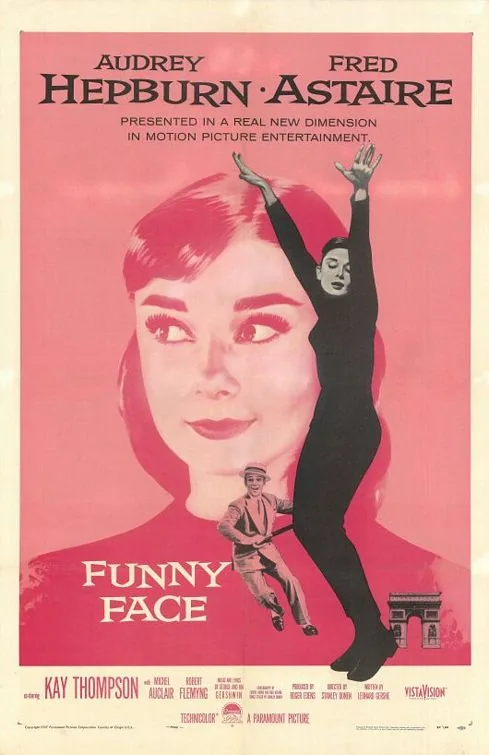
A fashion photographer notices a bookshop assistant whose intellectual interests seem incompatible with the magazine world employing him. She accepts a modeling opportunity partly because it will take her to Paris and a philosopher she admires. The makeover and photo sessions turn professional image-making into a setting for attraction and competing ideas about authenticity. Songs and dance express the tension between the self she believes she must defend and the new experiences that commercial glamour makes possible.
What drives the story
An unlikely recruit enters the fashion industry to pursue an intellectual aspiration, then finds the professional bargain complicated by romance and competing ideals.
The people at its centre
Jo and Dick negotiate attraction across their assumptions about intellect and appearance, while Maggie's commercial pragmatism shapes the opportunity available to both.
What it feels like
Paris locations, stylized photography, color and dance make self-reinvention visually pleasurable even as the dialogue jokes about fashionable forms of seriousness.
Worth knowing
The film concerns modeling and image construction within a musical romance; distinguish its playful intellectual satire from a realistic account of fashion labor.