Based on recorded story, mood and style. Your preferences can change the order.
Expect playful and romantic, with episodic and brisk pacing.
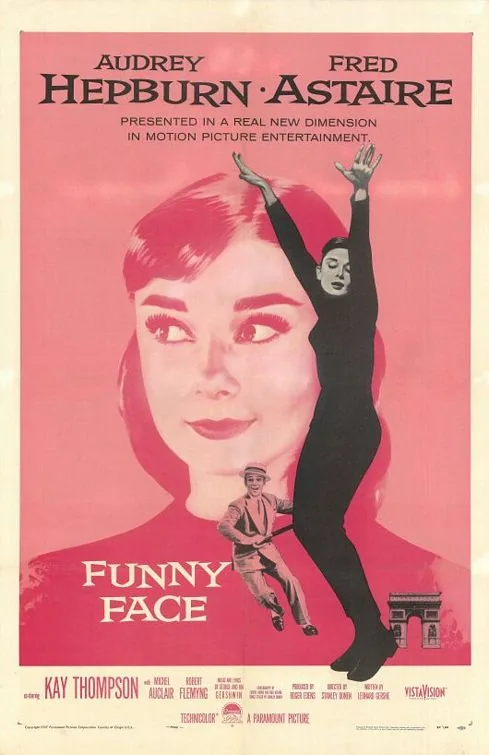
A fashion photographer notices a bookshop assistant whose intellectual interests seem incompatible with the magazine world employing him. She accepts a modeling opportunity partly because it will take her to Paris and a philosopher she admires. The makeover and photo sessions turn professional image-making into a setting for attraction and competing ideas about authenticity. Songs and dance express the tension between the self she believes she must defend and the new experiences that commercial glamour makes possible.
Based on recorded story, mood and style. Your preferences can change the order.
Coming of age · Memory and identity
What changes Cashback is tagged quirky and stylish; Wonder Boys is tagged wry and reflective.
At a Pittsburgh university, a blocked novelist faces a chaotic weekend involving an ambitious student, a missing manuscript and the demands of people who expect him to keep performing success. The comedy treats stalled creativity as a problem of habits and responsibility. Its loose, conversational shape lets professional embarrassment and private affection complicate one another.
Based on recorded story, mood and style. Your preferences can change the order.
Coming of age · Memory and identity
What changes Cashback: episodic, whimsical and slow-building. The Rules of Attraction: interwoven character stories, nonlinear transitions and bleak convergence.
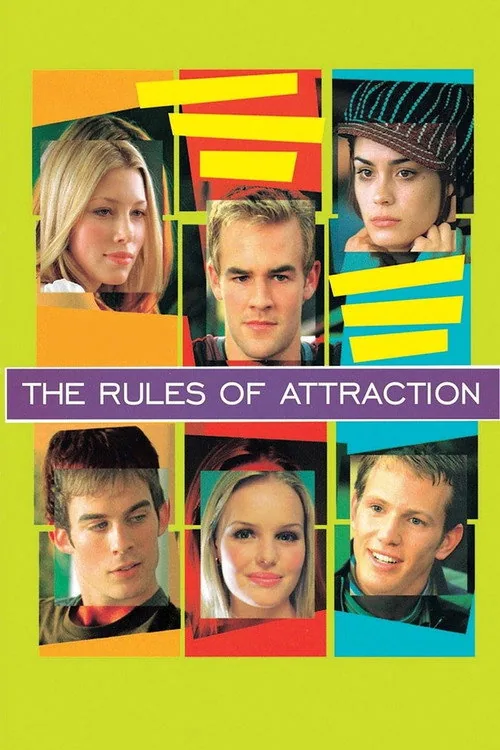
At Camden College, students Sean Bateman, Lauren Hynde, and Paul Denton move through parties, hookups, drugs, and private disappointments with little ability to communicate honestly. Lauren longs for her former boyfriend Victor, while Sean reads anonymous love letters as a sign of connection and Paul struggles with rejection. Their overlapping stories reveal a campus culture where desire is frequently unreturned and consequences are displaced onto others. The dark comedy adapts Bret Easton Ellis through fragmented chronology, shifting viewpoints, and a deliberately disaffected tone.
Based on recorded story, mood and style. Your preferences can change the order.
Expect glossy and romantic, with brisk and episodic pacing.
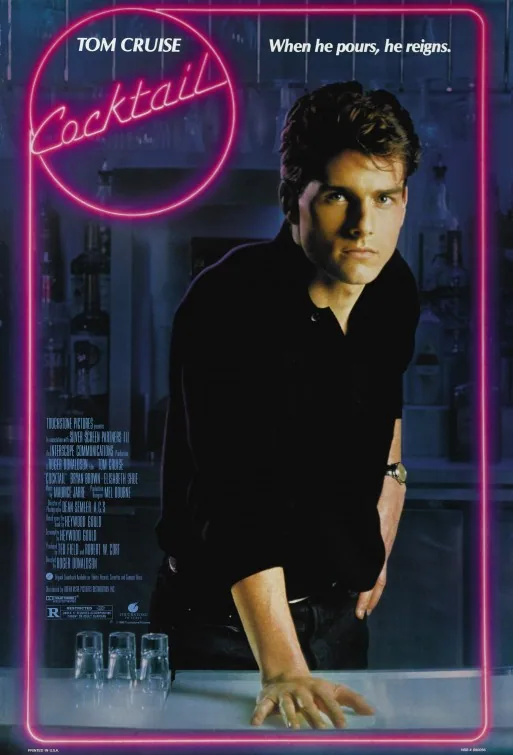
After returning from military service, ambitious Brian Flanagan hopes to find quick success in New York but begins as a bartender. Under the tutelage of experienced Doug Coughlin, he learns the performance and business of the bar trade, becoming a recognizable figure in the club scene before a move to Jamaica changes the stakes. His romance with artist Jordan and Doug's influence test the difference between the image Brian wants to project and the life he can sustain.
Based on recorded story, mood and style. Your preferences can change the order.
Coming of age · Memory and identity
What changes Cashback: episodic, whimsical and slow-building. The Second Best Exotic Marigold Hotel: interwoven character stories with gentle climaxes.
The residents and managers of a retirement hotel in Jaipur confront new romances, changing plans and the pressure to expand the business. Their lives are shaped by age, companionship and the question of whether it is too late to make a different choice. The ensemble comedy returns to familiar characters and treats later life as an ongoing period of reinvention rather than a final chapter.
Based on recorded story, mood and style. Your preferences can change the order.
Coming of age
What changes Cashback: episodic, whimsical and slow-building. Blue Is the Warmest Colour: slow burn.
Adèle's first serious relationship with the older art student Emma opens a new language for desire, intimacy and cultural belonging. Their attachment is shaped by different class positions and ambitions, and the life that first makes Adèle feel recognized cannot remain the measure of who she becomes. Close, explicit observation places the viewer near their bodies while also raising questions about who controls that looking. The film's romance and its production history both call for attention to the gap between an image of intimacy and the agency of the people represented. The years-long span makes the separation as formative as their first recognition of one another.
Based on recorded story, mood and style. Your preferences can change the order.
Memory and identity
What changes Cashback: episodic, whimsical and slow-building. Heartbreakers: escalating and suspense-led.
A practiced con artist and her daughter target wealthy men through a marriage scheme, but a new romance disrupts their routine. Their latest plan becomes difficult when the daughter falls for a sincere bartender and the mother faces her own attachment. The comedy explores how a survival partnership built on deception changes when affection stops being part of the performance. Bright locations, rapid reversals and a paired lead performance place the film between caper farce and family comedy.
Based on recorded story, mood and style. Your preferences can change the order.
What changes Cashback: episodic, whimsical and slow-building. Shall We Dance?: measured and gradually buoyant.
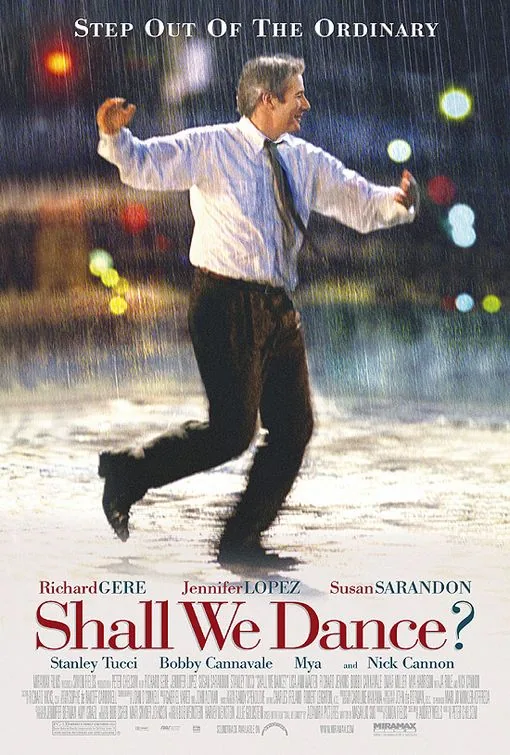
A successful but restless lawyer notices a dance instructor and secretly begins ballroom lessons after work. The hobby brings him into a community of partners and competitors, while his wife senses that his absences may signal a deeper problem. This romantic comedy follows the rediscovery of pleasure, vulnerability in performance and the work of communicating within a long marriage.
Based on recorded story, mood and style. Your preferences can change the order.
Coming of age · Memory and identity
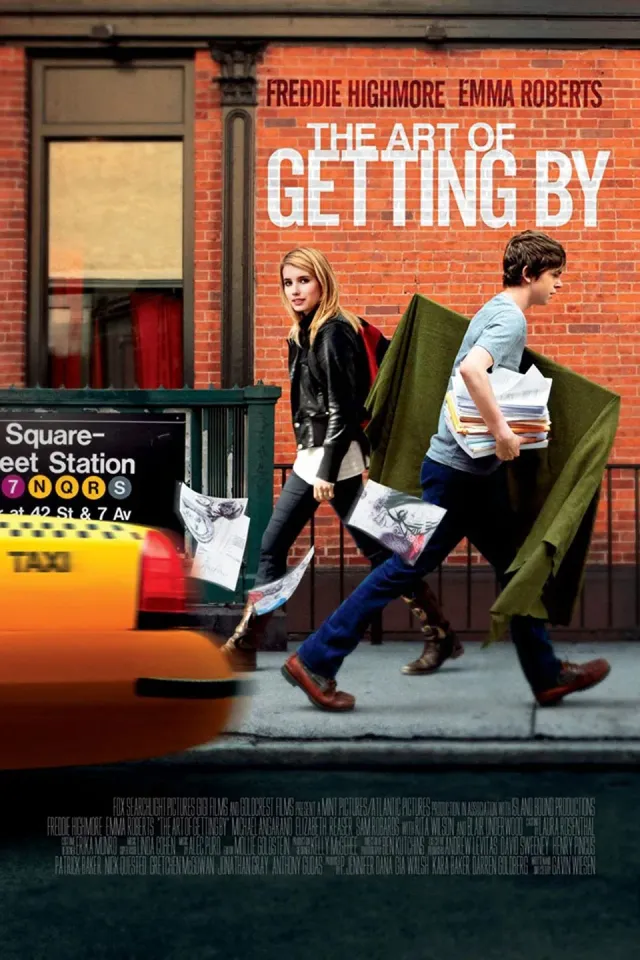
What changes Cashback: episodic, whimsical and slow-building. The Art of Getting By: a school-year romance develops through small academic and personal choices.
George, a bright but disengaged Manhattan student, avoids schoolwork because he believes effort cannot change life’s meaning. His friendship and attraction to classmate Sally force him to reconsider his distance from other people and the future he has been refusing to plan. The coming-of-age drama keeps its scale intimate, following how a teenager’s self-protective cynicism begins to give way to ordinary responsibility.
Art student Ben Willis develops insomnia after a breakup and takes a night-shift job at a supermarket. To make the long hours less monotonous, he imagines that he can stop time and move through the frozen store, observing scenes as if they were drawings. Co-workers’ routines become part of his private fantasy, while he gradually grows closer to cashier Sharon. Sean Ellis’s romantic comedy-drama blends an offbeat workplace ensemble with reflections on time, attraction, and artistic attention.
What drives the story
An insomniac art student turns the supermarket night shift into a canvas for imagination. His fantasy eases routine as his connection with Sharon develops.
The people at its centre
Ben’s fixation on beauty initially keeps others at a distance; colleagues and Sharon challenge the self-centeredness of his gaze.
What it feels like
Contains nudity, sexualized looking, sexual humor, objectifying imagery, and fantasy scenes depicting women without consent.
Worth knowing
The feature grew from Sean Ellis’s short film and extends its frozen-time premise into a workplace romance and visual study of observation.