Both centre on performance ambition and intimacy under pressure.
Why this matches +
Genres: Drama / Romance
Shared film traits
Based on recorded story, mood and style. Your preferences can change the order.
Music and performance
What changes Funny Girl: episodic. Moulin Rouge!: fast.
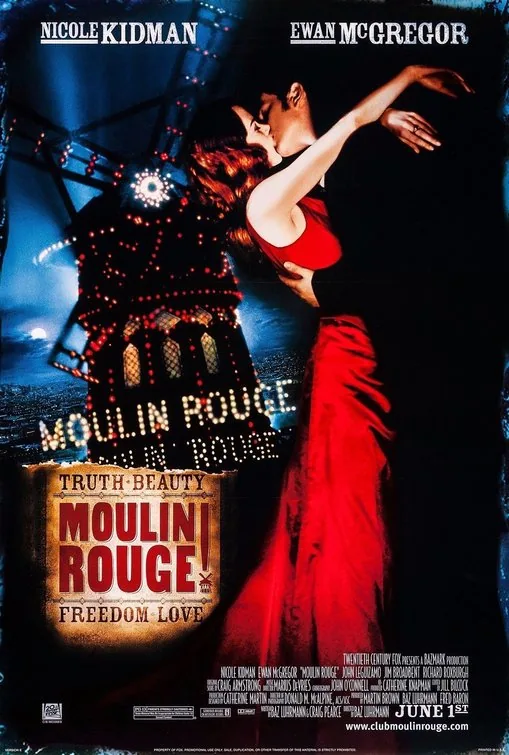
A young writer enters a Parisian cabaret hoping to join an artistic revolution and falls in love with its star performer. Their relationship must be concealed from a wealthy patron whose funding is expected to secure the venue's future and access to the woman he desires. A theatrical production becomes both cover and mirror for their romance, while illness and economic dependence make declarations of freedom increasingly fragile.
Based on recorded story, mood and style. Your preferences can change the order.
Music and performance
What changes Funny Girl: episodic. Swing Time: musical numbers and comic escalation.
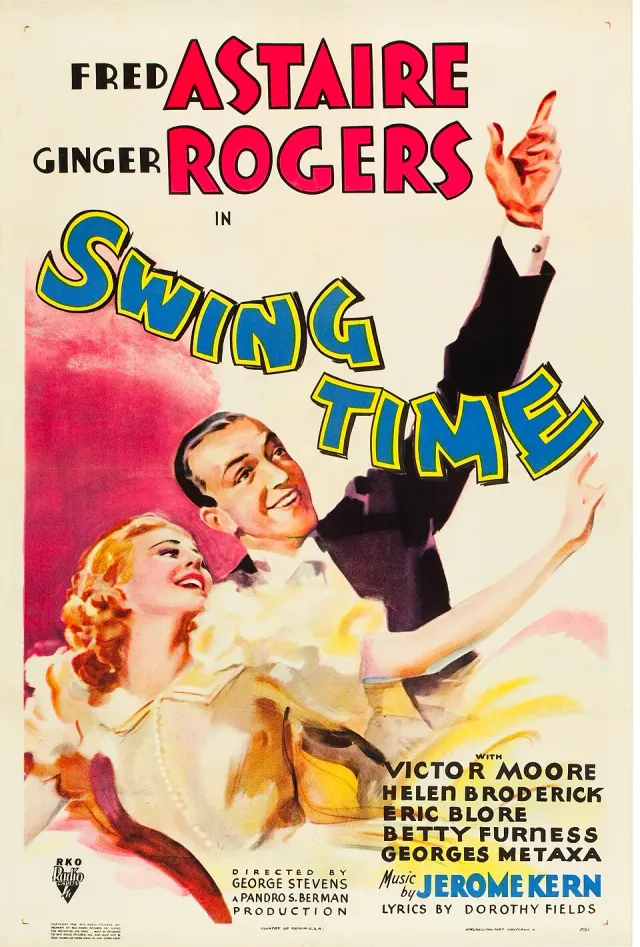
Dancer and gambler Lucky Garnett must raise money before he can marry, so he travels to New York with his friend Pop. There he encounters dance instructor Penny Carroll, whose talent and charm complicate his original plans. As stage opportunities, misunderstandings and Lucky’s existing engagement intersect, their partnership on the dance floor becomes inseparable from the choices facing them off it.
Shared characteristics
Mood: Bittersweet
Mood: Romantic
Genre: Musical
Poster: Film rights holders; original promotional poster documented by Wikipedia · Image source
Both share themes of love, plus an exuberant and romantic atmosphere.
Why this matches +
Genres: Romance / Musical
Shared film traits
Based on recorded story, mood and style. Your preferences can change the order.
Music and performance
Expect exuberant and sentimental, with nonlinear and episodic pacing.
Years after college, widower Rahul receives letters his late wife Anjali wrote for their daughter, each meant to arrive on a birthday. The final letter sends the child to reunite him with his old friend Anjali, who once loved him while he pursued the glamorous Tina. The film moves between youthful campus comedy and an adult romance shaped by bereavement, parental memory and a second chance. Its destiny language can make the reunion seem inevitable, yet the daughter’s matchmaking also uses information Tina recorded without being able to witness the future consequences. The story’s gender presentation and romantic choices reflect a particular late-1990s popular cinema context; the ending should not erase who had knowledge, agency and existing commitments at each stage.
Based on recorded story, mood and style. Your preferences can change the order.
Music and performance
What changes Funny Girl: episodic. My Week with Marilyn: measured and steady.
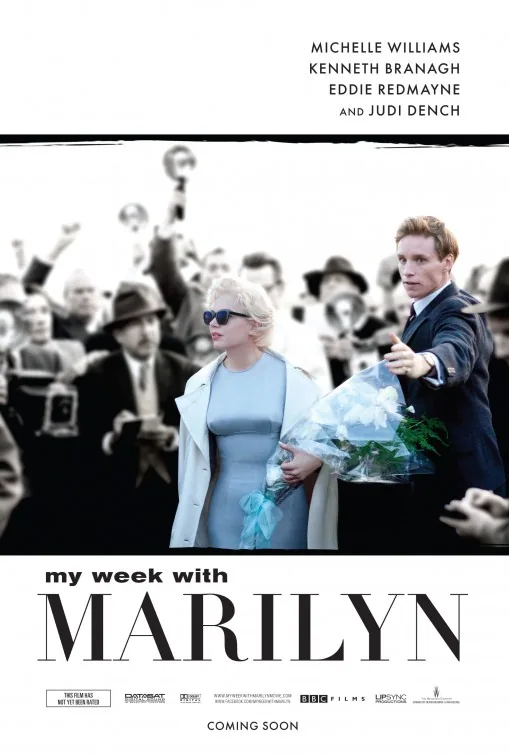
In 1956, aspiring filmmaker Colin Clark secures a junior job on Laurence Olivier's production of The Prince and the Showgirl. Marilyn Monroe arrives in England with her husband Arthur Miller and acting coach Paula Strasberg, but clashes with Olivier over preparation and performance. Colin becomes a confidant when Marilyn feels scrutinized and misunderstood, while his own romantic life shifts between wardrobe assistant Lucy and the famous star. Their brief escape from the set gives Colin a private story he later treats as formative. The film ends by distinguishing that personal memory from a lasting relationship.
Based on recorded story, mood and style. Your preferences can change the order.
Music and performance
Expect playful and exuberant, with brisk and episodic pacing.
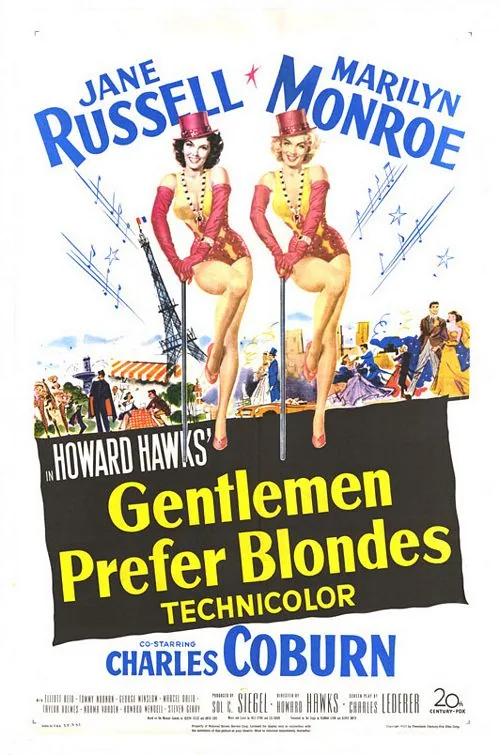
Two showgirls cross the Atlantic with sharply different ideas about desirable men, but a shared determination to protect each other. A wealthy fiancé's family arranges surveillance, and a flirtation involving a diamond magnate produces evidence that threatens both marriage plans and reputation. The women respond with performance, deception and mutual assistance rather than allowing male judgments to separate them. Musical comedy turns courtship into a negotiation over money, appearance and the practical conditions attached to romantic choice.
Based on recorded story, mood and style. Your preferences can change the order.
Music and performance
Expect romantic and playful, with measured and episodic pacing.
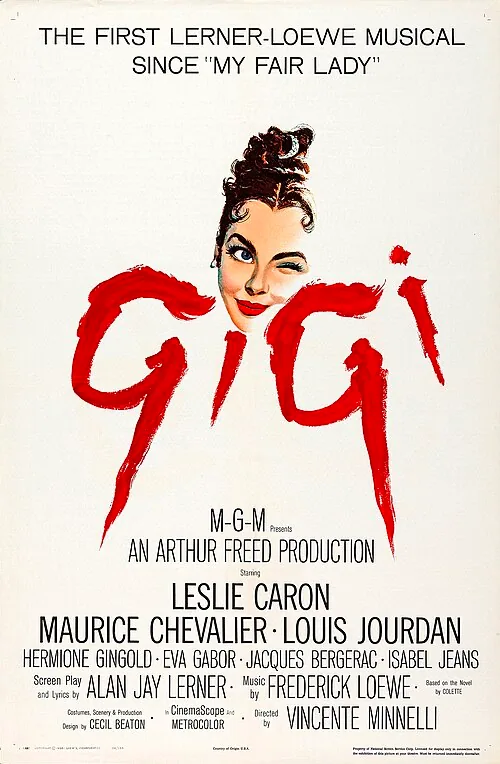
Raised by female relatives to enter Parisian high society as a courtesan, young Gigi is expected to turn charm and training into financial security through an arrangement with the wealthy Gaston. The musical presents this education with wit and elegant color, yet the age difference and economic dependence complicate the romance its ending celebrates. Gigi’s final refusal of the role she has been prepared for changes the terms of the relationship, but does not make the constraints around her upbringing disappear. The film’s nostalgic musical framing is part of its pleasure and part of the question: whose choices does that style make look charming?
Based on recorded story, mood and style. Your preferences can change the order.
Music and performance
What changes Funny Girl is tagged romantic and bittersweet; La Vie en Rose is tagged passionate and tragic.
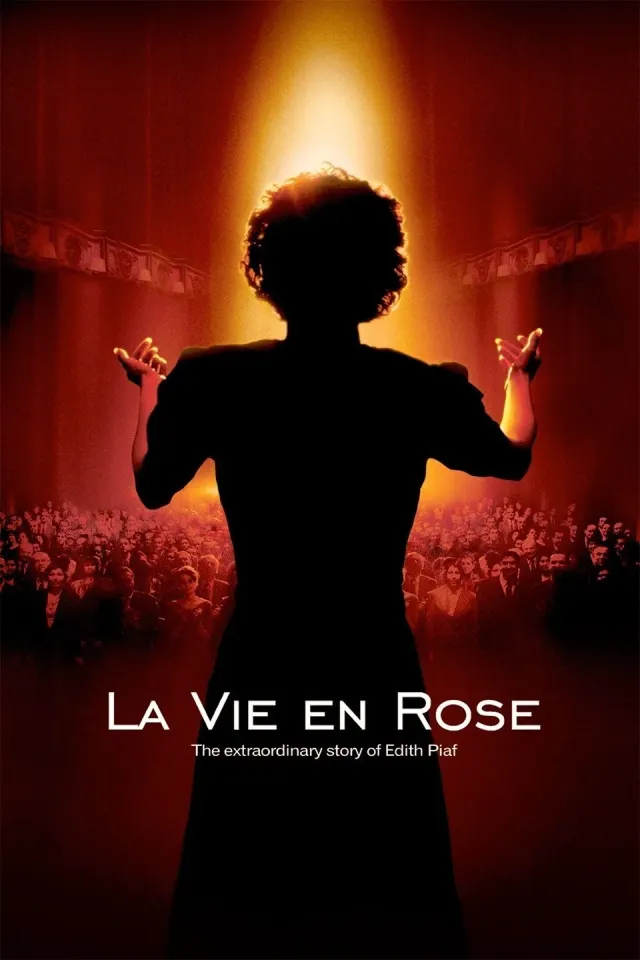
A singer's public force emerges from an unstable childhood of poverty, illness and dependence on people whose care is unevenly available. Success brings technical discipline, fame and passionate attachment without providing reliable safety from bodily decline or loss. The narrative moves among periods rather than allowing each triumph to cancel what preceded it. The biographical drama makes performance a way of commanding attention that private life cannot sustain, while refusing to keep the celebrated voice separate from the vulnerable person through whom it is produced.
Based on recorded story, mood and style. Your preferences can change the order.
Music and performance
What changes Funny Girl: episodic. Once: gentle and song-linked.
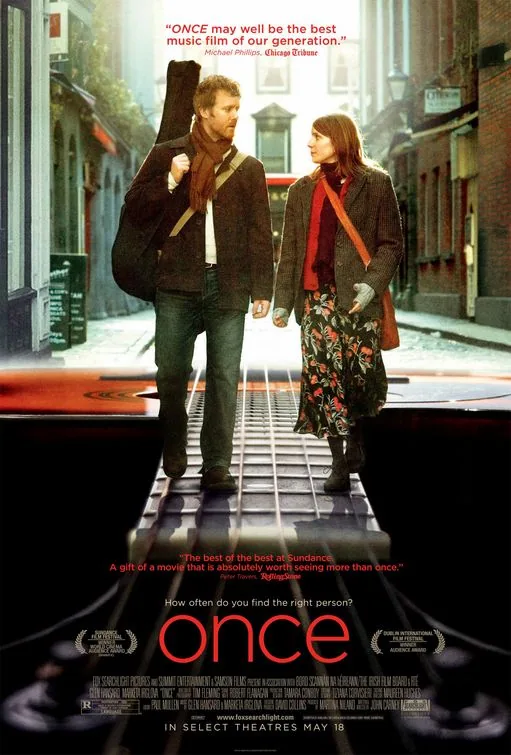
A Dublin street musician meets a Czech immigrant who recognizes his songs and encourages him to record them. Their collaboration creates a brief, emotionally close partnership shaped by music, practical responsibilities and lives that are already committed elsewhere. The independent musical keeps performance and everyday labor intertwined, using original songs not as decorative breaks but as the language through which two people express feelings they cannot comfortably turn into a conventional romance.
Based on recorded story, mood and style. Your preferences can change the order.
Expect wry and romantic, with episodic and character-led pacing.
Two escaped convicts become unlikely bank robbers, using a hostage-friendly approach that makes them folk heroes and draws the police into pursuit. Their partnership changes when a restless woman joins them and both men begin to care for her. The film mixes criminal escapades with romantic uncertainty, asking whether the trio can maintain its unconventional freedom once affection, jealousy and public attention alter the terms of their arrangement.
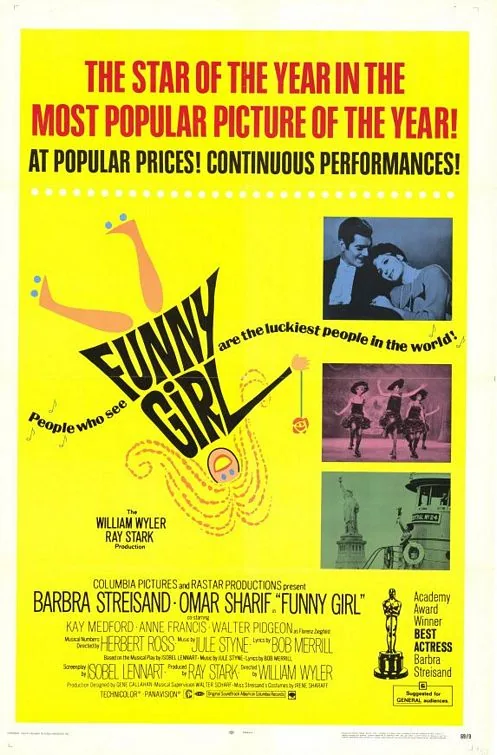
Fanny Brice turns an appearance others consider unsuitable for the stage into the basis of a distinctive comic and musical persona. Professional success brings her closer to a glamorous gambler whose independence becomes harder to sustain as her career grows. Her confidence before an audience does not translate into security within their marriage. The film links show-business ascent with a relationship in which money, pride and unequal public standing make devotion unable to resolve recurring conflict.
What drives the story
An entertainer's rise intensifies a marriage's imbalance when her earning power collides with her partner's pride and dependence on risky ventures.
The people at its centre
Fanny's ability to convert embarrassment into performance contrasts with her difficulty acknowledging limits to what love and financial support can repair.
What it feels like
Large musical performances alternate with romantic vulnerability, allowing public triumph and private disappointment to coexist rather than form a simple success ladder.
Worth knowing
Match artistic self-definition and unequal partnership, while treating the portrayal of Brice and Arnstein as dramatized biography rather than complete historical explanation.
Artistic identityLovePride
Mood
Romantic · Bittersweet · Exuberant
Pacing
Episodic
Visual style
Large musical numbers · Intimate melodrama
Storytelling
Show-business ascent · Unequal marriage · Gambling instability