The documentary pieces together Treadwell’s motivations and final years through his own footage and other people’s accounts.
Why this matches +
These offer a related experience with a meaningful difference in story, tone, or presentation.
An adjacent discovery: a related idea with a different viewing experience.
Genres: Documentary / Biography
The approach A documentary treatment rather than a dramatic feature.
Shared film traits
Based on recorded story, mood and style. Your preferences can change the order.
What changes A documentary follows a person's intense, controversial involvement with wild animals; bears in Alaska rather than a dramatized gorilla biopic.
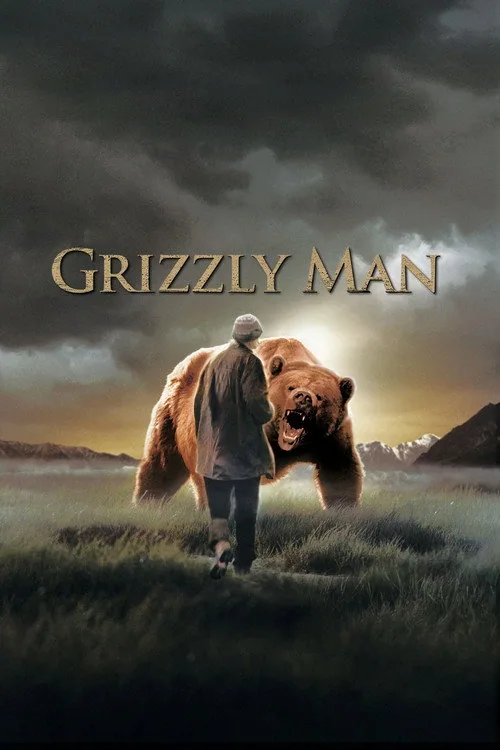
Werner Herzog assembles footage shot by Timothy Treadwell during summers spent living near grizzly bears in Alaska, along with interviews with people who knew him and experts familiar with the animals. The documentary considers Treadwell’s devotion to bear conservation, his charismatic public persona, and the risks of his chosen way of life, while Herzog’s narration brings a contrasting perspective on wilderness and human desire. Rather than offering a simple verdict, the film explores the tension between Treadwell’s intimate images and the dangers they cannot fully control.
An explorer repeatedly returns to the Amazon in pursuit of evidence for a lost civilization.
Why this matches +
These offer a related experience with a meaningful difference in story, tone, or presentation.
An adjacent discovery: a related idea with a different viewing experience.
Genres: Adventure / Drama
Shared film traits
Based on recorded story, mood and style. Your preferences can change the order.
What changes An explorer's consuming fieldwork reshapes family life and involves dangerous remote travel; an Amazonian historical expedition.
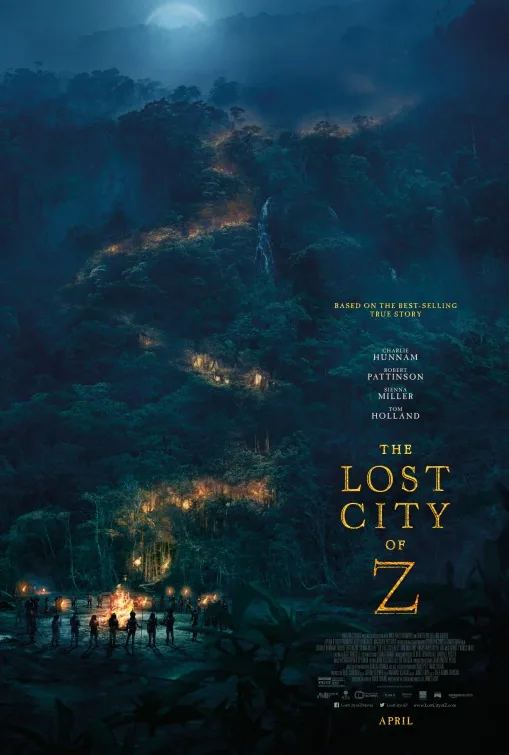
British explorer Percy Fawcett becomes convinced that an advanced civilization existed in the Amazon after studying maps and reports from the region. His expeditions take him away from family life and into difficult terrain, where scientific ambition, colonial assumptions and personal endurance intersect. James Gray's period adventure follows his repeated attempts to return to the forest and the uncertain legacy of exploration.
Repeated expeditions build reciprocal trust before the guide's declining capacities expose a conflict between physical safety and the conditions that give his life autonomy.
Why this matches +
These offer a related experience with a meaningful difference in story, tone, or presentation.
An adjacent discovery: a related idea with a different viewing experience.
Genres: Drama / Adventure
Shared film traits
Based on recorded story, mood and style. Your preferences can change the order.
Survival
What changes A wilderness guide and researcher build trust while observing a fragile natural world; a Russian frontier friendship rather than gorilla conservation.
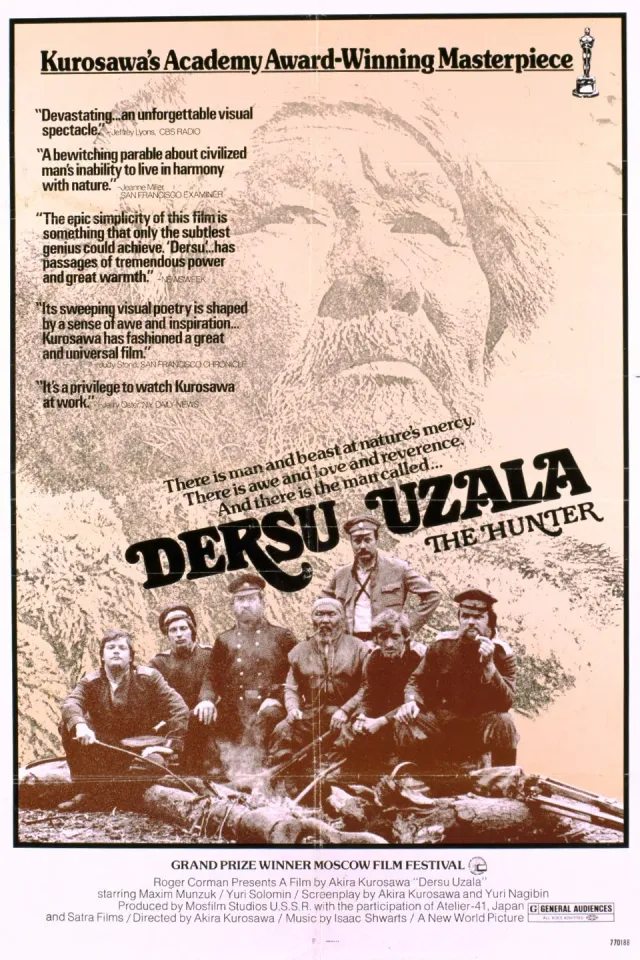
A Russian surveying officer traveling through the Far East relies on Dersu, a hunter identified as Gold/Nanai in Arsenyev's account, whose knowledge of weather, tracks and reciprocal care repeatedly keeps the expedition alive. Their friendship continues across later journeys, but age and failing sight threaten the guide's ability to inhabit the forest on his own terms. An invitation into domestic comfort offers protection without necessarily supplying a livable replacement for the world in which his skills and habits make sense. Kurosawa’s friendship story mourns a specific way of living as surveying, settlement and age alter Dersu’s choices.
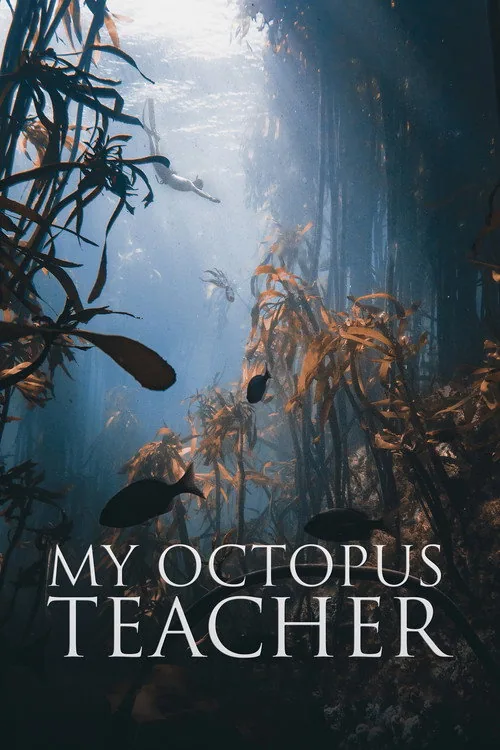
Foster returns to the same kelp forest to observe an octopus, building a documentary from repeated encounters and changing seasons.
Why this matches +
These offer a related experience with a meaningful difference in story, tone, or presentation.
An adjacent discovery: a related idea with a different viewing experience.
Genres: Documentary / Nature
The approach A documentary treatment rather than a dramatic feature.
Shared film traits
Based on recorded story, mood and style. Your preferences can change the order.
What changes A documentary chronicles a researcher's patient relationship with a wild animal; underwater and less focused on conservation conflict.
Filmmaker Craig Foster begins diving regularly in a kelp forest near Cape Town and gradually forms a close observational relationship with a wild octopus. Over months, he records the animal’s behavior, hunting, camouflage, and encounters with predators while reflecting on his own attention to the natural world. Pippa Ehrlich and James Reed’s documentary uses intimate underwater footage to consider curiosity, animal intelligence, and connection. It also shows the octopus facing natural dangers and does not treat its life as a human-style friendship in every respect.
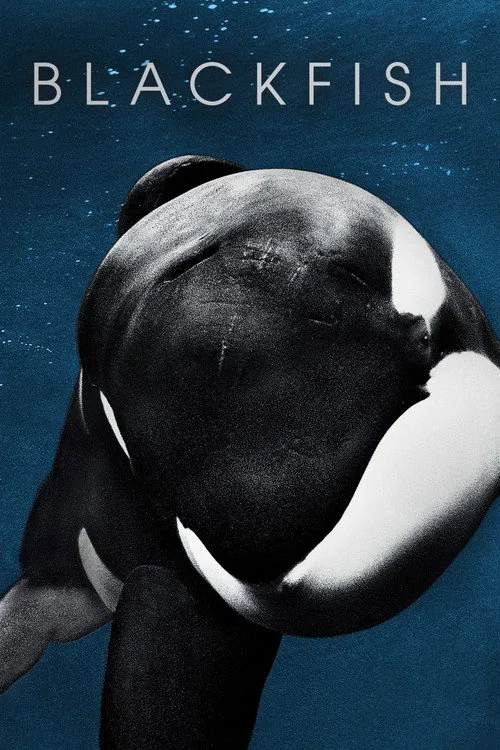
The film assembles Tilikum’s history and trainer testimony to question whether captive conditions create avoidable danger.
Why this matches +
These offer a related experience with a meaningful difference in story, tone, or presentation.
An adjacent discovery: a related idea with a different viewing experience.
Genres: Documentary / Biography
The approach A documentary treatment rather than a dramatic feature.
Shared film traits
Based on recorded story, mood and style. Your preferences can change the order.
What changes A documentary examines human treatment of captive animals and the consequences of exploitation; orcas rather than mountain gorillas.
Gabriela Cowperthwaite’s documentary examines Tilikum, an orca kept in captivity by marine parks, and the deaths of trainers associated with him. Through interviews, archival footage, and expert testimony, it traces the animal’s capture, conditions in captivity, and the practices used in public performances. The film argues that captivity and management decisions shaped the risks faced by both animals and people, inviting viewers to reconsider the ethics of keeping large marine mammals for entertainment.
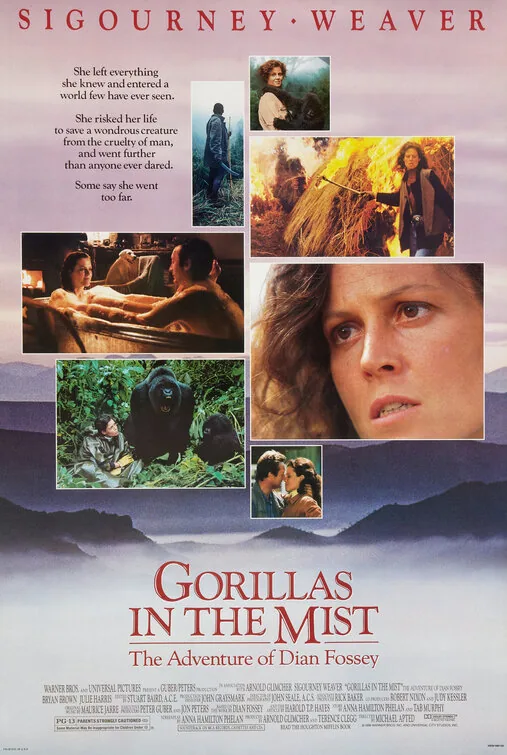
American naturalist Dian Fossey travels to Rwanda to study endangered mountain gorillas and becomes increasingly committed to protecting them from poachers and habitat loss. Her research requires patience and trust, while her growing confrontations with local authorities and commercial interests make the work politically difficult. As the years pass, Fossey's devotion reshapes her personal life and isolates her, bringing the costs of conservation into focus alongside the gorillas' fragile survival.
What drives the story
Dian Fossey's research with mountain gorillas grows into a campaign to protect them from poaching.
The people at its centre
Her close attachment to the animals gives purpose to her work but places her at odds with institutions and people who want different outcomes.
What it feels like
The film alternates quiet field observation with increasingly tense conservation disputes.
Worth knowing
Its biographical story centers scientific care and protection, rather than a safari adventure or animal-fantasy narrative.
NatureResearchProtection
Mood
Reflective · Intense · Compassionate
Pacing
Long-term · Measured
Visual style
Mountain landscapes · Animal observation
Storytelling
Field research · Conservation conflict · Biographical struggle