Based on recorded story, mood and style. Your preferences can change the order.
Survival
What changes Grindhouse: episodic, high-energy and abrupt. Killer Klowns from Outer Space: small-town sighting, escalating comic attacks and rescue and creature-showdown.
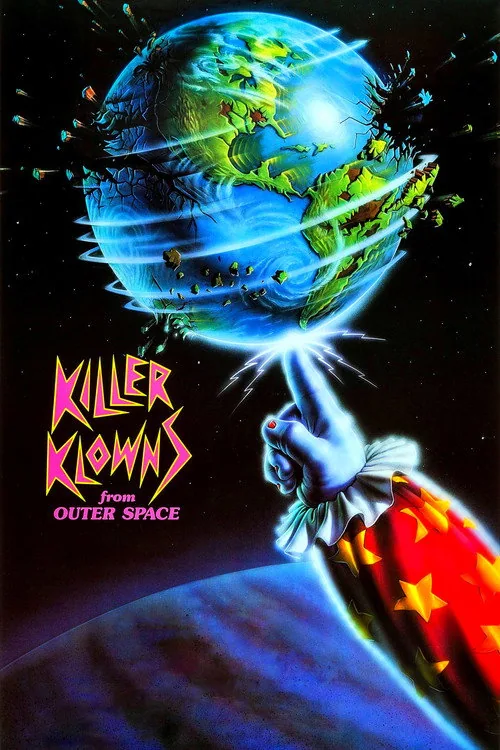
Two young people in Crescent Cove see a glowing object land outside town and discover a circus-tent structure that is actually an alien spacecraft. Its clown-shaped occupants capture residents in cotton-candy cocoons and turn playful circus tricks into lethal attacks. When the local police dismiss the warnings, the couple tries to expose the threat and protect the town before it is harvested. The film builds a colorful creature feature from the collision of cheerful clown imagery, practical effects, and small-town panic.
Based on recorded story, mood and style. Your preferences can change the order.
Escape and pursuit
What changes Grindhouse: episodic, high-energy and abrupt. My Bloody Valentine 3D: escalating and slasher-driven.
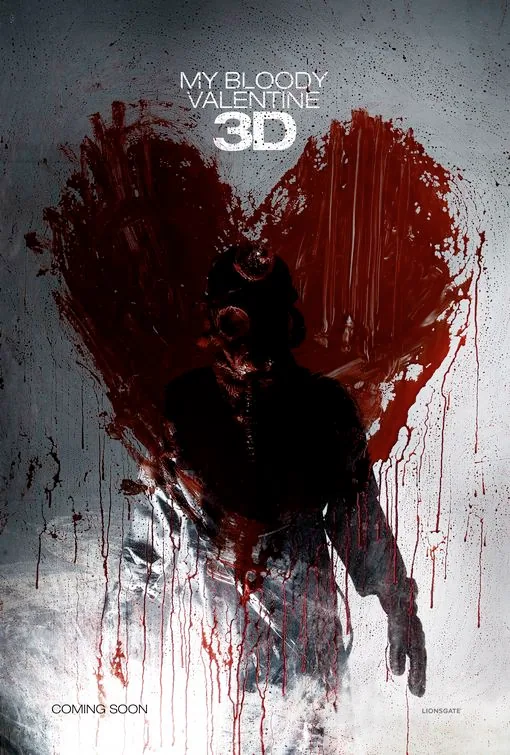
Years after a mining disaster and a violent killing spree, a masked attacker returns to the town of Harmony and begins targeting people connected to the original events. The sheriff and a former local try to identify the killer as old relationships and conflicting memories create uncertainty about who survived and what really happened. The remake leans into graphic slasher imagery and three-dimensional effects, turning the mine and town into spaces of pursuit.
Based on recorded story, mood and style. Your preferences can change the order.
Survival
What changes Grindhouse: episodic, high-energy and abrupt. Mindhunters: fast elimination structure and clue-based suspense.
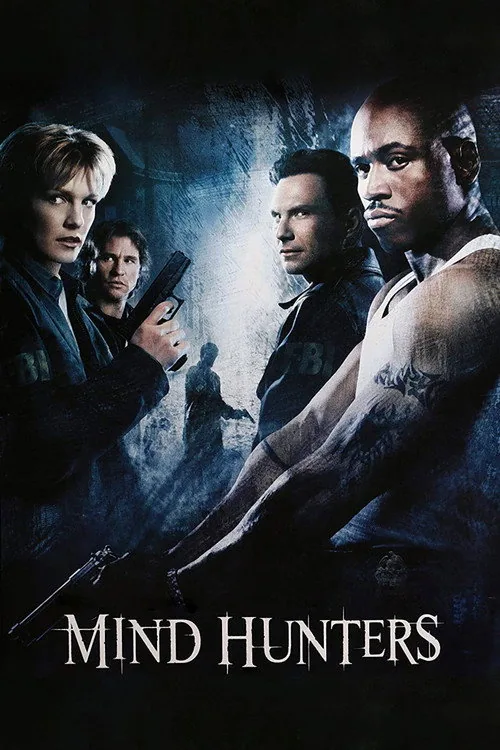
A group of FBI profiler trainees travels to an isolated island for a simulated investigation designed to test their ability to read a killer’s behavior. The exercise becomes real when one trainee dies, and the group discovers that someone among them may be turning the test into a sequence of murders. Cut off from help and unsure whom to trust, the remaining agents use their training to identify the attacker and survive. Renny Harlin’s thriller combines a closed-circle whodunit with slasher-style danger and an ensemble of rival specialists.
Based on recorded story, mood and style. Your preferences can change the order.
Survival
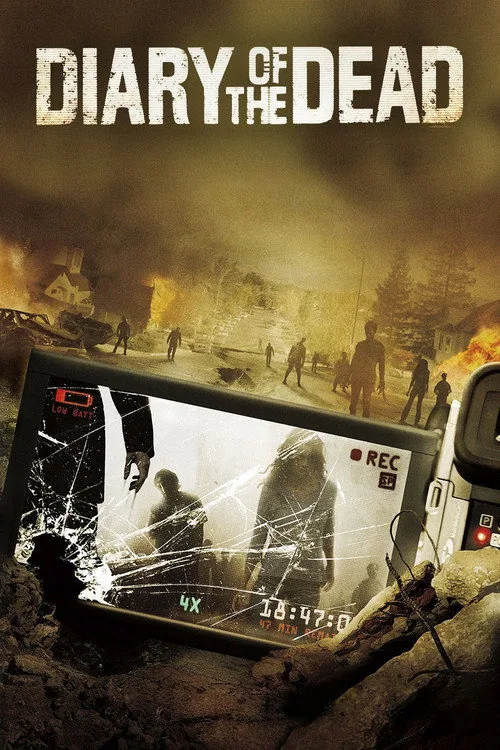
What changes Grindhouse: episodic, high-energy and abrupt. Diary of the Dead: outbreak interrupts a student film shoot, road encounters reveal widening collapse and group fractures as filming and survival collide.
While a group of film students shoots a low-budget horror movie in the woods, reports emerge of the dead returning to life. Student filmmaker Jason insists on recording the collapse, turning the group's escape into an evolving documentary edited with news clips and online footage. His girlfriend Debra and the others encounter frightened survivors, armed authorities, and abandoned communities, while the camera becomes both a tool for witnessing events and a source of conflict about what deserves to be filmed.
Based on recorded story, mood and style. Your preferences can change the order.
Survival
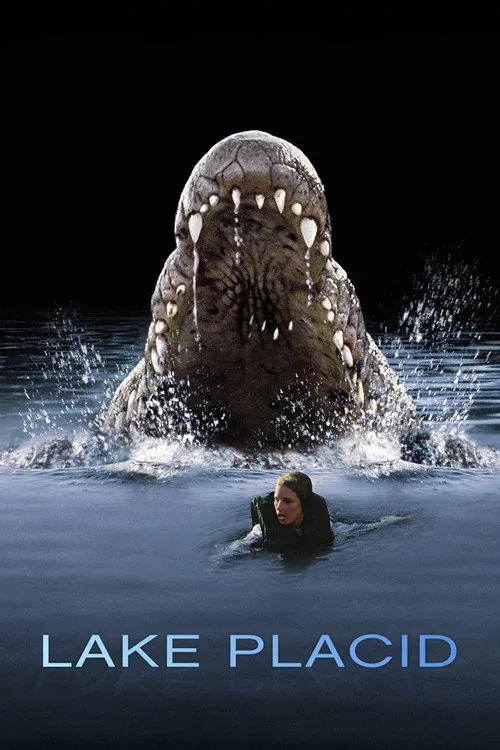
What changes Grindhouse: episodic, high-energy and abrupt. Lake Placid: mystery-to-monster escalation and alternating suspense and banter.
A series of attacks near a remote Maine lake prompts a game warden, a sheriff, and a paleontologist to investigate what is living in the water. Their search reveals an enormous crocodile and attracts a wealthy local woman whose fascination with the animal complicates attempts to capture it. Steve Miner’s creature feature mixes suspense, sharp verbal comedy, and practical-effects spectacle, letting the investigators’ clashing personalities play against the danger of a predator that has made the lake its territory.
Based on recorded story, mood and style. Your preferences can change the order.
Survival
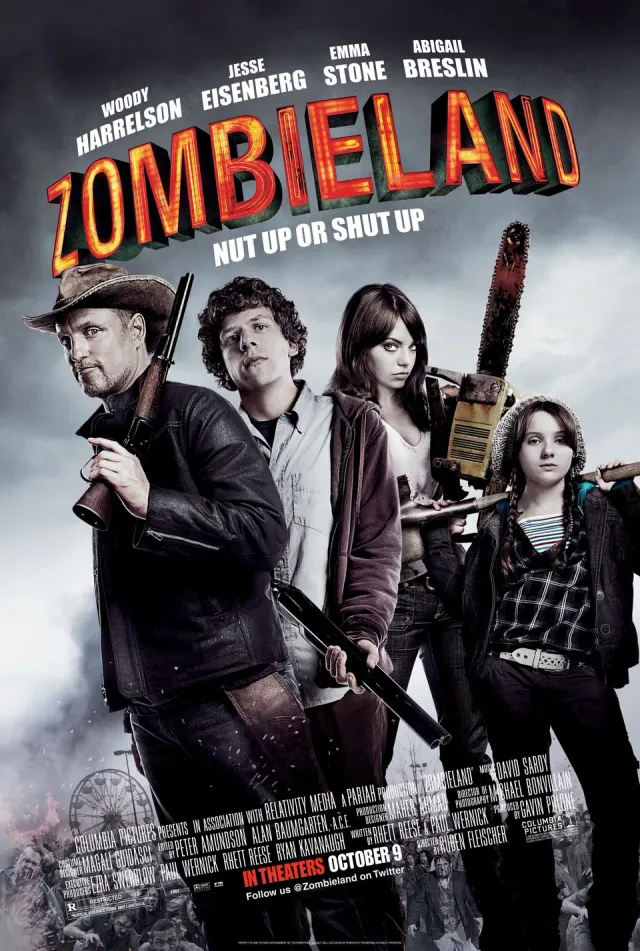
What changes Grindhouse: episodic, high-energy and abrupt. Zombieland: episodic journey.
In a United States devastated by a zombie outbreak, anxious college student Columbus survives by following a strict set of rules. On the road he joins Tallahassee, a fearless hunter who is looking for Twinkies, and later sisters Wichita and Little Rock, who have learned to fend for themselves through deception. Their uneasy group travels toward a California amusement park, with each new encounter testing whether trust is more dangerous than the zombies. The horror-comedy lets the characters’ mismatched coping styles carry the road story as much as the undead threat. The film uses the rules as a way to narrate fear, then reveals that personal connection cannot be reduced to a checklist.
Based on recorded story, mood and style. Your preferences can change the order.
Escape and pursuit · Survival
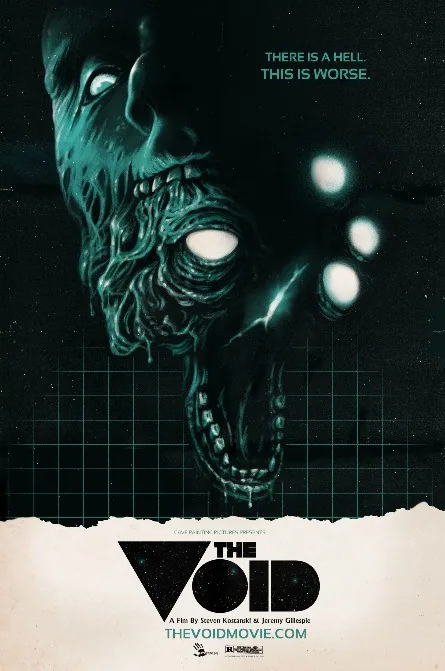
What changes Grindhouse: episodic, high-energy and abrupt. The Void: crisis-driven, rapid escalation and contained siege structure.
Police officer Daniel Carter brings an injured stranger to a nearly empty hospital on the edge of town. Once inside, patients and staff find themselves surrounded by hooded figures and cut off from help. As disturbing changes spread through the hospital, Carter and the survivors try to find a way out while uncovering a cult’s connection to the place. Jeremy Gillespie and Steven Kostanski build the film around a single besieged location and increasingly grotesque body-horror imagery.
Based on recorded story, mood and style. Your preferences can change the order.
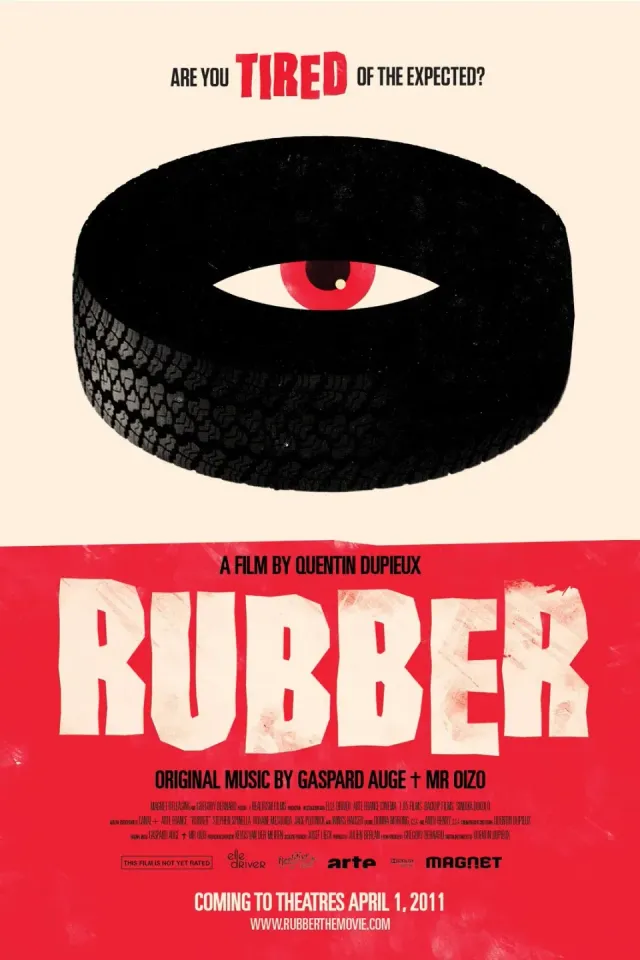
What changes Grindhouse is tagged lurid and abrasive; Rubber is tagged deadpan and surreal.
A tire named Robert wakes in a California desert and discovers that he can move on his own and destroy objects through psychokinesis. He rolls through the landscape and begins targeting people, while a parallel group of spectators watches the events as if they were a movie. Sheriff Chad moves between investigating the deaths and commenting on the story’s logic. Quentin Dupieux’s absurdist horror-comedy turns a simple killer-object premise into an experiment about audience expectations and the demand that every event have a reason.
Based on recorded story, mood and style. Your preferences can change the order.
Survival
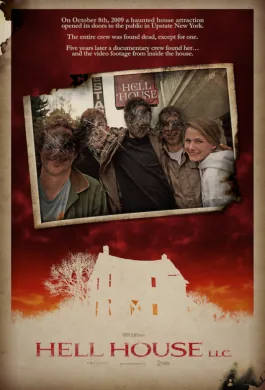
What changes Grindhouse: episodic, high-energy and abrupt. Hell House LLC: slow burn and escalating.
Five years after fifteen visitors and staff died during the opening night of a Halloween attraction, documentary filmmakers return to investigate. Recovered recordings take them back to the preparations inside the Abaddon Hotel, where a crew tried to manufacture scares for paying guests. As that footage accumulates, the distinction between staged effects and an actual threat becomes increasingly difficult to maintain.
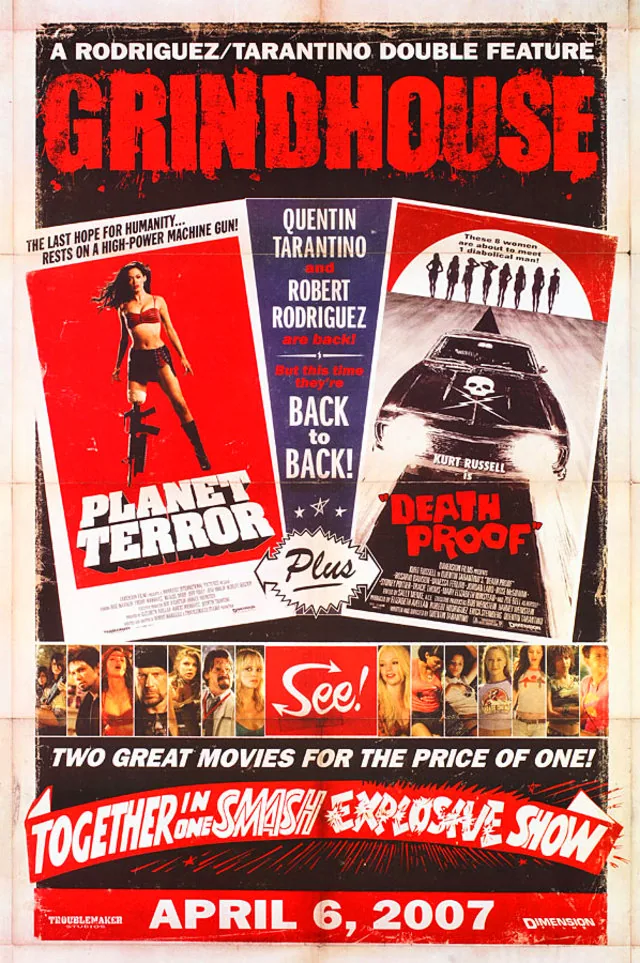
Presented as a worn double feature, the film joins two deliberately different stories. In Planet Terror, dancer Cherry Darling and her former partner Wray join other survivors after a biological outbreak turns people into violent, decaying creatures. Death Proof follows stuntman Mike McKay, who uses his reinforced car to target groups of women; his pattern changes when he encounters a team of stunt performers able to fight back. Fake trailers and simulated scratches, reel changes, missing scenes and aged sound bind the segments into an imitation of 1970s exploitation cinema.
What drives the story
The double feature moves from an outbreak-driven fight for survival to a pursuit thriller about a stuntman whose chosen targets turn the tables.
The people at its centre
Survivors form alliances under pressure, while the later segment shifts power between a predatory driver and women who can match his appetite for danger.
What it feels like
The intermission-like fake trailers, roughened image and deliberately ragged edits make the presentation part of the film’s pulpy, theatrical pleasure.
Worth knowing
Its two-feature structure and damaged-print conceit are central; the segments share a tone of exploitation homage rather than one continuous plot.
exploitation cinemarevengesurvival
Mood
lurid · abrasive · campy · kinetic
Pacing
episodic · high-energy · abrupt
Visual style
simulated film damage · grindhouse grain · saturated color · practical stunt spectacle