Both share a character study, plus themes of loyalty.
Why this matches +
Genres: Crime / Drama
Shared film traits
Based on recorded story, mood and style. Your preferences can change the order.
Criminal underworld
Expect tense and emotional, with measured pacing.
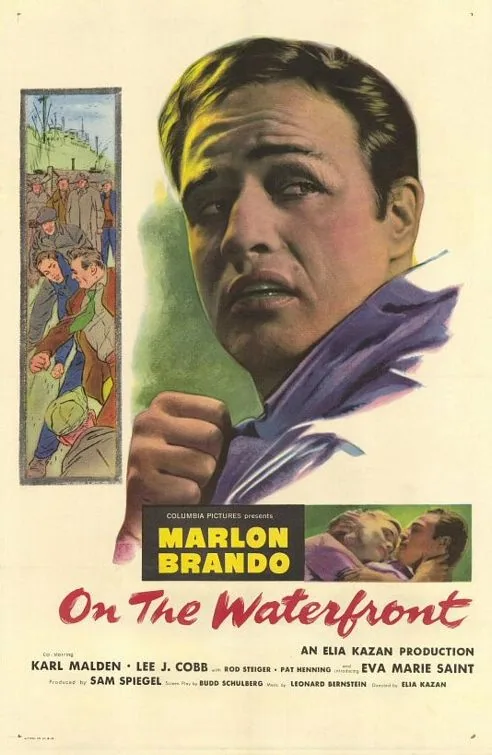
A former boxer working on the docks helps lure a fellow worker into a confrontation that ends in murder. His dependence on a corrupt union leader, and on a brother close to that leader, makes acknowledging his part dangerous. Growing affection for the victim's sister and pressure from a local priest force him to reconsider whether loyalty means keeping silent or accepting the personal cost of speaking against the system supporting him.
Both share themes of loyalty, plus a gritty and tense atmosphere.
Why this matches +
Genres: Action / Crime
Shared film traits
Based on recorded story, mood and style. Your preferences can change the order.
Criminal underworld
What changes Hard Times: measured, fight-driven and building. Triple 9: a coordinated robbery unravels through betrayals and police response.
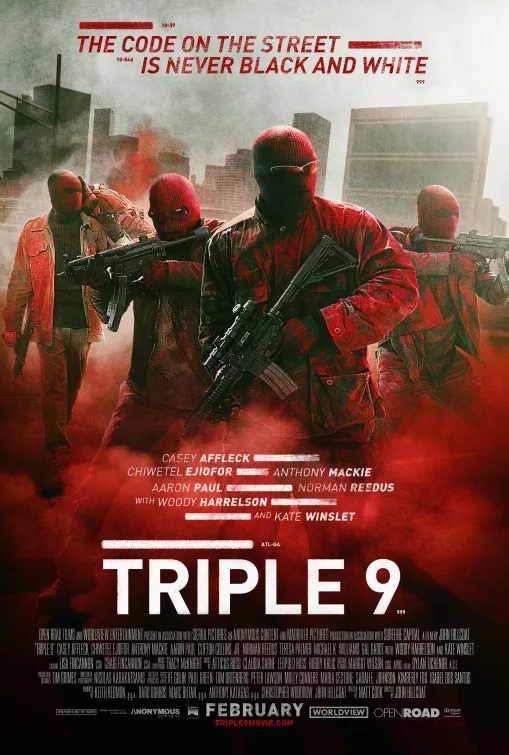
A crew of corrupt police officers and ex-soldiers rob a bank for a Russian crime boss. To divert law enforcement from the heist, they plan a “999,” police code for officer down, using a rookie cop as bait. The ensemble crime thriller follows the scheme’s fragile coordination and the competing loyalties of those involved, showing how institutional authority can be repurposed to protect organized crime.
Both share themes of loyalty, plus a tense atmosphere.
Why this matches +
Genres: Crime / Drama
Shared film traits
Based on recorded story, mood and style. Your preferences can change the order.
Criminal underworld
Expect tense and melancholic, with measured and intense pacing.
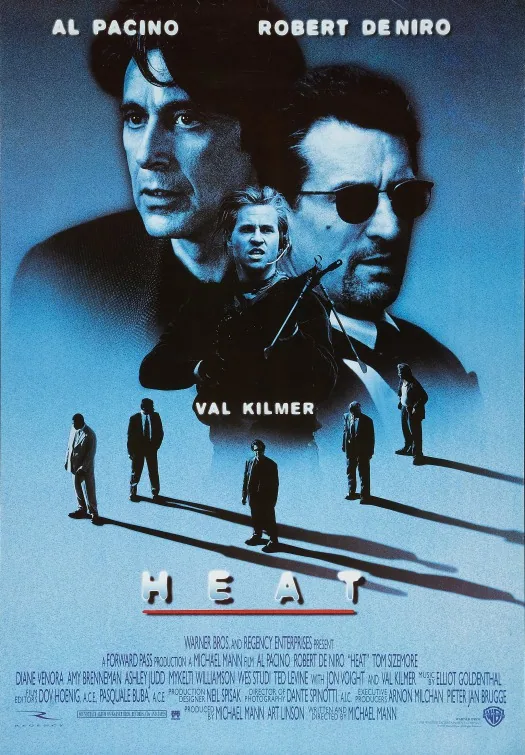
A disciplined Los Angeles robbery crew attracts a detective whose commitment to the pursuit has already made ordinary domestic life difficult. Planning another major theft forces the crew to negotiate an unstable associate, personal attachments and the limits of their rule against becoming tied to anything they cannot abandon. Parallel attention to police and criminals reveals recognisable forms of loneliness and competence without making their opposing obligations compatible.
Both share themes of loyalty, plus a tense atmosphere.
Why this matches +
Genres: Drama / Crime
Shared film traits
Based on recorded story, mood and style. Your preferences can change the order.
Sport and competition · Criminal underworld
What changes Hard Times: measured, fight-driven and building. Rounders: table-game tension between quieter stretches.
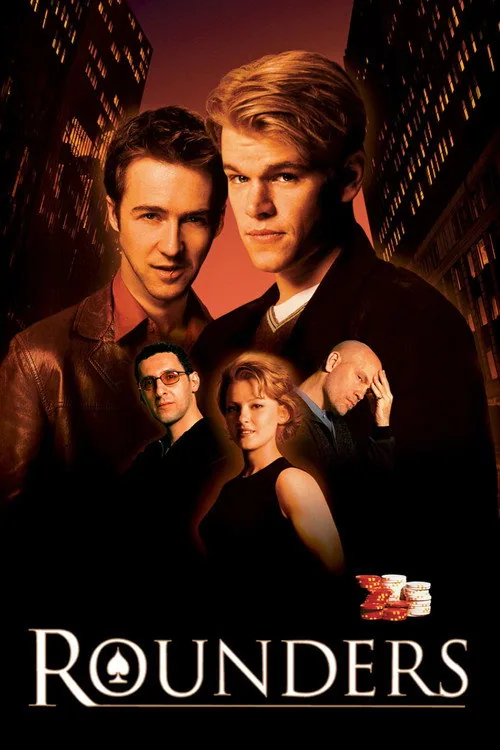
New York law student Mike McDermott dreams of winning the World Series of Poker, but loses his entire bankroll in a game run by Russian gangster Teddy KGB. Mike promises his girlfriend Jo he will quit, until his childhood friend Worm returns from prison with debts and a talent for cheating. The crime drama sets poker skill against loyalty and self-deception as Mike risks his studies and relationship to help Worm.
Based on recorded story, mood and style. Your preferences can change the order.
Criminal underworld
What changes Hard Times: measured, fight-driven and building. Drive: slow burn and intense.
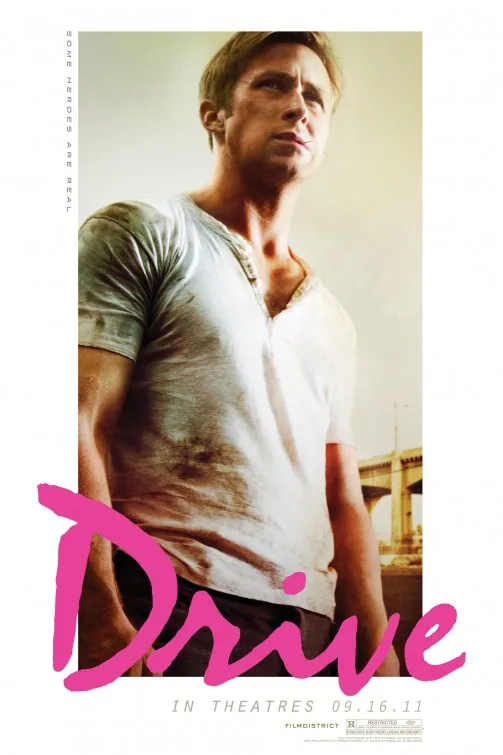
A quiet stunt performer and mechanic also works as a getaway driver, keeping his jobs tightly separated from personal involvement. Affection for a neighbour and her child draws him into helping the woman's husband clear a criminal debt. When the robbery goes wrong, his effort to protect the family exposes a capacity for violence that sits uneasily beside his restrained tenderness.
Both share themes of loyalty, plus a restrained and tense atmosphere.
Why this matches +
Genres: Crime / Drama
Shared film traits
Based on recorded story, mood and style. Your preferences can change the order.
Criminal underworld
What changes Hard Times: measured, fight-driven and building. The Yards: escalating and suspense-led.
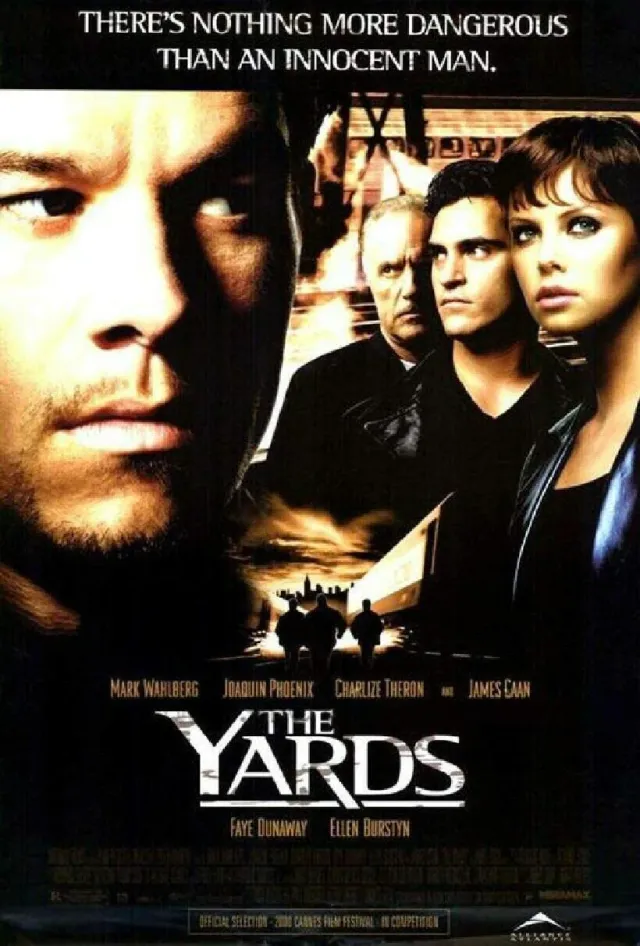
After prison, Leo Handler returns to his Queens neighborhood and is drawn into corruption surrounding the city’s rail system. A job with his uncle places him near a scheme involving kickbacks, rival contractors and the people he grew up with. The drama studies how family loyalty can become a mechanism that keeps people inside an unjust local order. Muted photography, patient scenes and close attention to neighborhood ties create a restrained alternative to flashy crime spectacle.
Both share themes of loyalty, plus a tense atmosphere.
Why this matches +
Genres: Action / Crime
Shared film traits
Based on recorded story, mood and style. Your preferences can change the order.
Criminal underworld · Survival
What changes Hard Times: measured, fight-driven and building. Triple Frontier: careful planning gives way to escalating survival setbacks.
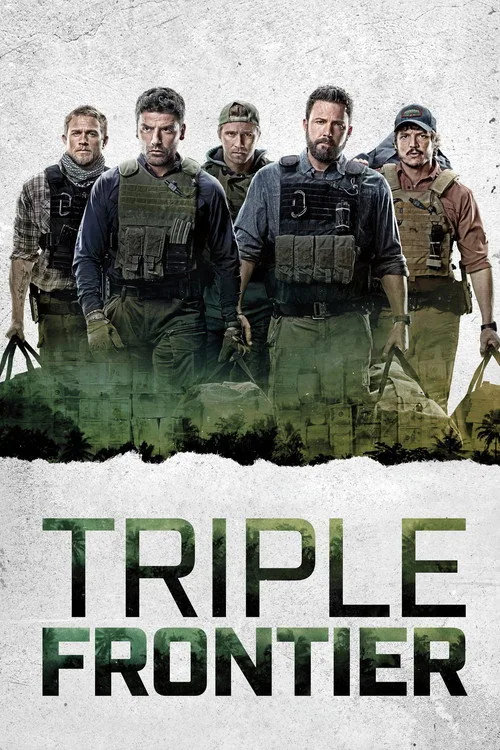
A former special-operations team reunites after Santiago “Pope” Garcia learns where a South American drug lord keeps a fortune. The men plan the robbery for themselves, but the haul strains their helicopter, their discipline, and their trust as they cross the Andes and try to get out alive. This action drama shifts from a tactical heist into a punishing journey about greed, loyalty, and the cost of carrying more than the team can safely bear.
Based on recorded story, mood and style. Your preferences can change the order.
Criminal underworld · Survival
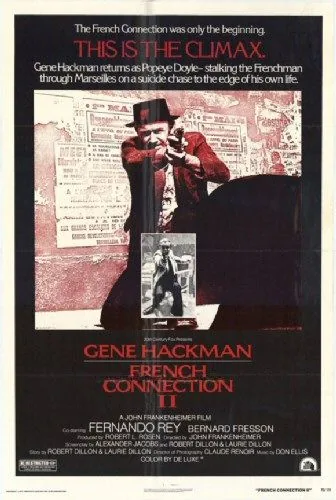
What changes Hard Times: measured, fight-driven and building. French Connection II: escalating, fast and action-led.
New York detective Jimmy “Popeye” Doyle is sent to Marseille to pursue drug trafficker Alain Charnier, whose operation survived the earlier case. The foreign city, language gap and French police rules frustrate Doyle’s abrasive methods. When Charnier’s men capture and addict him, Doyle must endure withdrawal and rebuild his pursuit while Inspector Barthélémy weighs duty against the visitor’s reckless conduct.
Based on recorded story, mood and style. Your preferences can change the order.
Criminal underworld
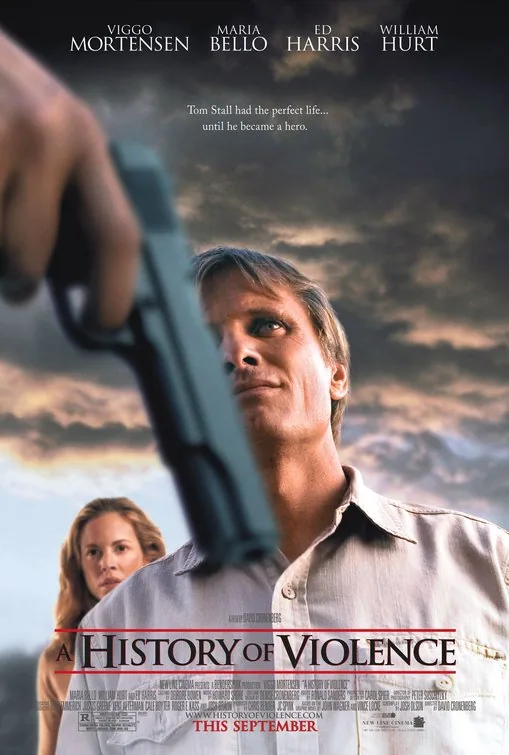
What changes Hard Times: measured, fight-driven and building. A History of Violence: slow burn and intense.
A quiet small town diner owner becomes a local hero after killing armed robbers during an attack. Public attention brings a stranger who insists that the man has a different name and a violent criminal past. As the threat reaches his family, the protective identity he has built becomes inseparable from questions about whether violence can ever remain confined to an earlier life.
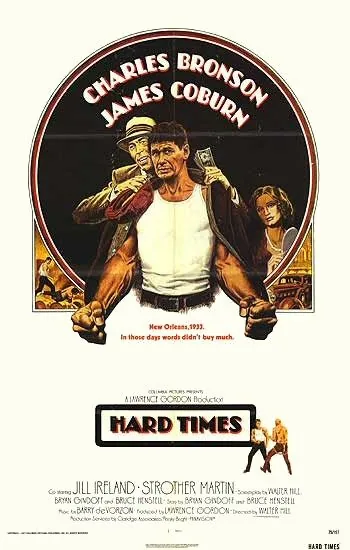
During the Depression, quiet bare-knuckle fighter Chaney arrives in New Orleans with little money and accepts a match arranged by the fast-talking hustler Speed. Their working partnership brings Chaney a series of cash fights, while they rely on addict Poe as a cutman and navigate a city of gamblers and creditors. Chaney's discipline keeps the fights simple; Speed's debts and ambition keep raising the stakes. The film follows work, survival and loyalty more than a climb to sporting fame.
What drives the story
A series of paid fights sustains Chaney and Speed, but their unequal appetites for money and risk reshape the terms of their partnership.
The people at its centre
Chaney's calm competence depends on Speed's talk and arrangements, while Poe's vulnerability shows the human costs around the fight circuit.
What it feels like
The fights are brief and blunt rather than glamorous, and quiet pauses make bargaining, food, rooms and money feel consequential.
Worth knowing
It avoids the usual rise-to-championship arc; the fights are wages, and the emotional center is the fragile Chaney-Speed partnership.
SurvivalMasculinityLoyalty
Mood
Gritty · Restrained · Tense
Pacing
Measured · Fight-driven · Building
Visual style
Grounded · Gritty · Physical · Period detail
Storytelling
Sports drama · Character study · Economic survival