The amnesty bargain is both recruitment and coercion: Reisman needs the prisoners to become a unit before using them in a mission designed around high expected losses.
Why this matches +
Selected for the central appeal: A veteran Marine trains an undisciplined platoon and leads them into combat while facing personal regrets.
Genres: Drama / Action
Shared film traits
Based on recorded story, mood and style. Your preferences can change the order.
War and civilian life
What changes A hardened military leader trains a difficult group for a dangerous mission and builds mutual trust; a wartime convict squad.
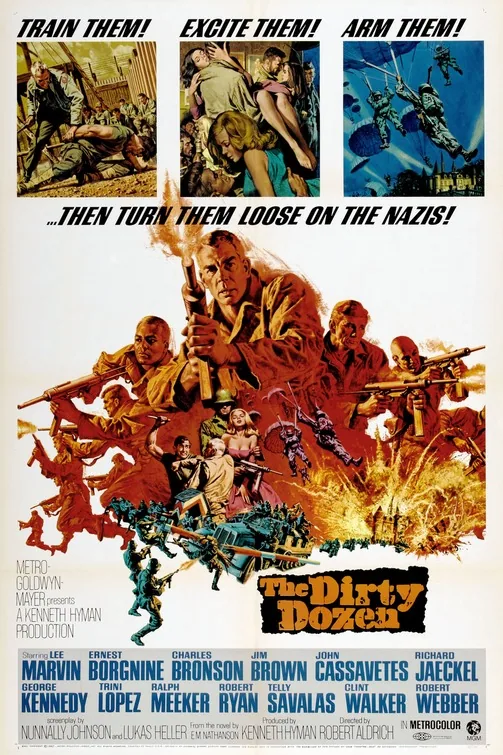
Army major John Reisman is ordered to train twelve military prisoners for a dangerous mission behind German lines before D-Day. The men have been convicted of serious crimes, and the deal is that survivors may receive amnesty. Reisman first has to make a hostile group follow orders, then prepare them to attack a château where German officers are gathered. Their training exposes rivalries and the limits of discipline; during the operation, a change in the target’s circumstances makes the plan more morally fraught than its briefing suggested. The mission depends on teamwork among men who distrust one another, while Reisman weighs the strategic objective against the cost of treating them as expendable weapons.
A two-part account connects the manufacture of military obedience with a combat environment that makes the resulting identities unstable and morally difficult to sustain.
Why this matches +
These offer a related experience with a meaningful difference in story, tone, or presentation.
An adjacent discovery: a related idea with a different viewing experience.
Genres: Drama / War
Shared film traits
Based on recorded story, mood and style. Your preferences can change the order.
War and civilian life
What changes Marine recruits endure harsh training and confront combat; much darker and centered on dehumanization.
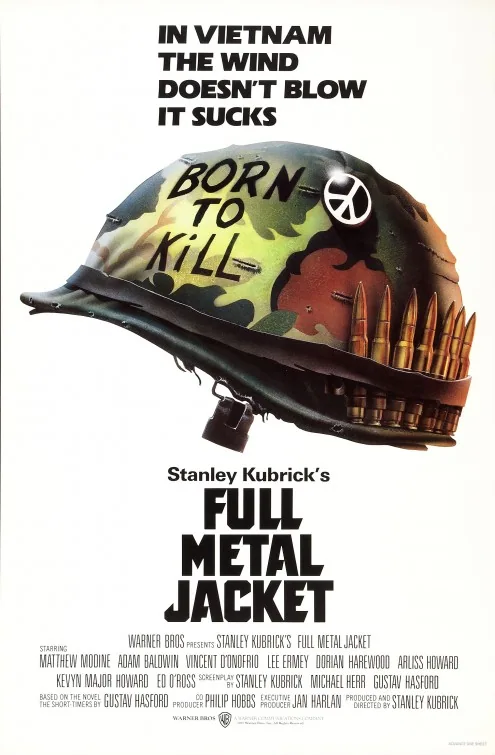
Young American recruits enter Marine training under an instructor who treats humiliation and the destruction of private identity as tools for producing soldiers. The story later follows a military journalist and other servicemen into urban fighting in Vietnam, where institutional language and actual violence do not remain comfortably aligned. Moving between the training system and its consequences exposes both the habits it creates and the ways individuals adapt, perform or fracture inside them.
The long delay between preparation and action becomes the central pressure shaping the unit’s experience.
Why this matches +
These offer a related experience with a meaningful difference in story, tone, or presentation.
An adjacent discovery: a related idea with a different viewing experience.
Genres: Biography / Drama
Shared film traits
Based on recorded story, mood and style. Your preferences can change the order.
War and civilian life
What changes Young Marines navigate military discipline and the gap between training and real deployment; a more reflective Gulf War drama.
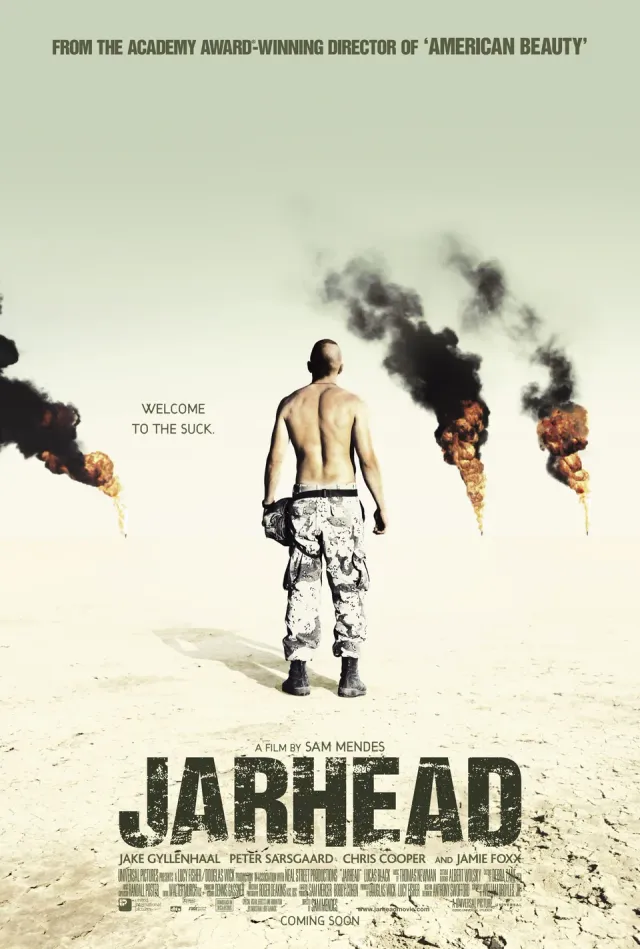
A young Marine enlists during the Gulf War and trains for deployment, only to find that much of military life consists of waiting under severe physical and psychological pressure. The film follows his unit through preparation, boredom and sudden danger, focusing on what conflict does to identity when direct combat is intermittent. It is a war drama about routine, frustration and expectation.
Training binds the conscripts before a remote defensive assignment exposes the gap between a unit's personal victory and the larger political futility of the war.
Why this matches +
These offer a related experience with a meaningful difference in story, tone, or presentation.
An adjacent discovery: a related idea with a different viewing experience.
Genres: Drama / Action
Shared film traits
Based on recorded story, mood and style. Your preferences can change the order.
War and civilian life
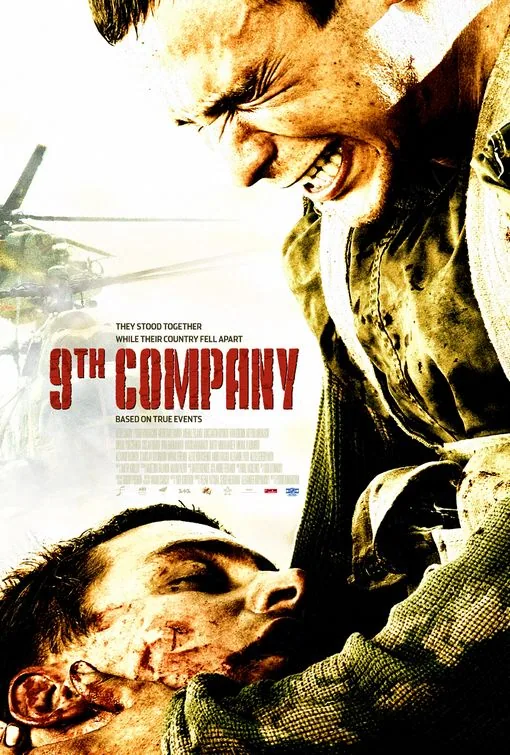
What changes Recruits undergo demanding training before facing combat as a unit; Soviet soldiers in Afghanistan.
A group of Soviet conscripts train in Central Asia before being sent to Afghanistan near the end of the Soviet-Afghan War. Their severe instructor Dygalo, himself shaped by combat, pushes the recruits through harsh preparation, and the men form close bonds before deployment. The film culminates in a fictionalized defense of a remote hill position based on the 1988 Battle of Hill 3234, where it portrays the company as nearly wiped out. The actual 39-man Soviet defense lost six soldiers, with 28 wounded; the film is an intense dramatization, not a reliable record of the battle or the wider war.
The sergeant’s quiet experience provides continuity as the squad passes through changing fronts, losses, and repeated acts of survival.
Why this matches +
These offer a related experience with a meaningful difference in story, tone, or presentation.
An adjacent discovery: a related idea with a different viewing experience.
Genres: Drama
Shared film traits
Based on recorded story, mood and style. Your preferences can change the order.
War and civilian life · Coming of age
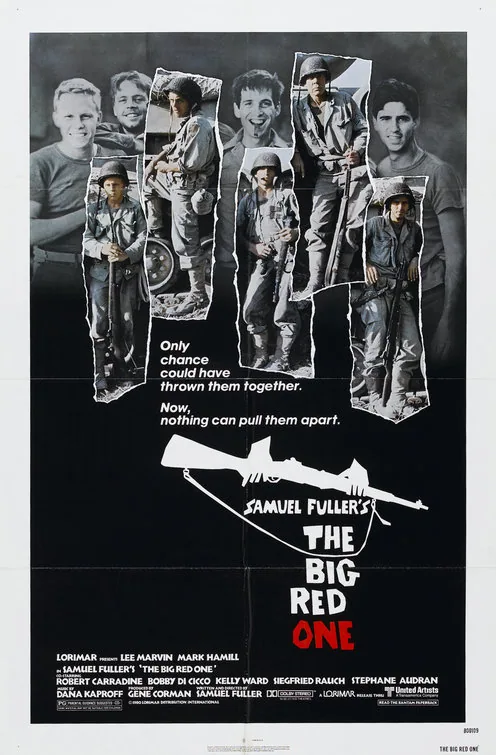
What changes A veteran sergeant guides younger soldiers through the pressures of combat; a World War II platoon across multiple campaigns.
A veteran sergeant leads a small squad of U.S. infantrymen across the major European and North African campaigns of World War II. The men move from one landing and battlefield to another, trying to survive a war that repeatedly replaces their sense of ordinary life with brief pauses and renewed combat. Griff, a trained artist, Zab, an aspiring writer, and their companions absorb the shock of violence in different ways, while the sergeant’s experience keeps the group moving. The film follows the squad’s long campaign through a succession of episodes rather than a single decisive battle.
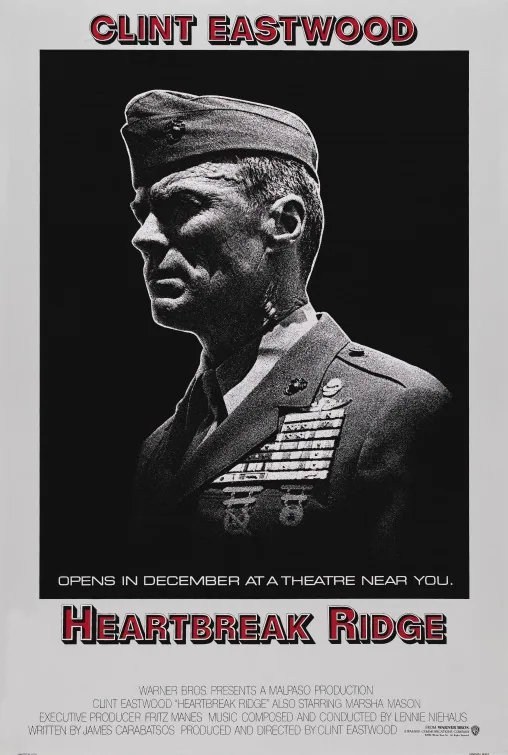
Gunnery Sergeant Tom Highway is assigned to train a Recon platoon whose younger Marines lack discipline and respect for his hard-earned experience. Highway uses demanding, often abrasive methods to prepare them for combat, while his personal life and strained relationship with ex-wife Aggie reveal the limits of his authority outside the unit. When the platoon is sent to Grenada, their training and mutual trust are tested in a real military operation.
What drives the story
A veteran sergeant reshapes an unruly reconnaissance platoon before an operation in Grenada.
The people at its centre
Highway's harsh leadership draws resistance, while his Marines gradually recognize that skill and loyalty must run both ways.
What it feels like
The film moves from barracks comedy and training friction to a more direct combat mission.
Worth knowing
Its story combines military action with an older leader's personal reassessment, not a broad historical account of the invasion.
DisciplineLeadershipWar
Mood
Rough · Combative · Reflective
Pacing
Training-to-action arc
Visual style
Military realism · Field exercises
Storytelling
Military training · Unit cohesion · Combat operation