Based on recorded story, mood and style. Your preferences can change the order.
War and civilian life · Survival
What changes The Big Red One: episodic, campaign-spanning, alternating action and quiet and retrospective. Merry Christmas, Mr. Lawrence: slow-burn, conversation-led, rising institutional tension and ceremonial climax.
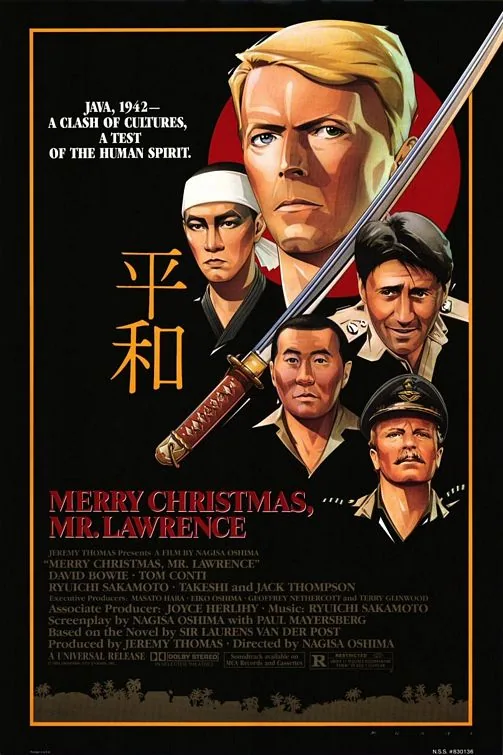
In 1942, British prisoners of war are held at a Japanese-run camp on Java under Captain Yonoi, whose strict ideas of honor leave little room for dissent. Lieutenant Colonel John Lawrence, fluent in Japanese, attempts to mediate between captives and guards, while the abrasive Group Captain Hicksley resists pressure to identify specialists among the prisoners. The arrival of Major Jack Celliers unsettles Yonoi and exposes the shame behind his command. Sergeant Hara’s unexpectedly humane exchanges with Lawrence further complicate the camp’s hierarchy. Disputes over discipline, loyalty and ceremony build toward a public act that changes the balance of power and the prisoners’ prospects.
Based on recorded story, mood and style. Your preferences can change the order.
War and civilian life
What changes The Big Red One: episodic, campaign-spanning, alternating action and quiet and retrospective. The Thin Red Line: meditative.
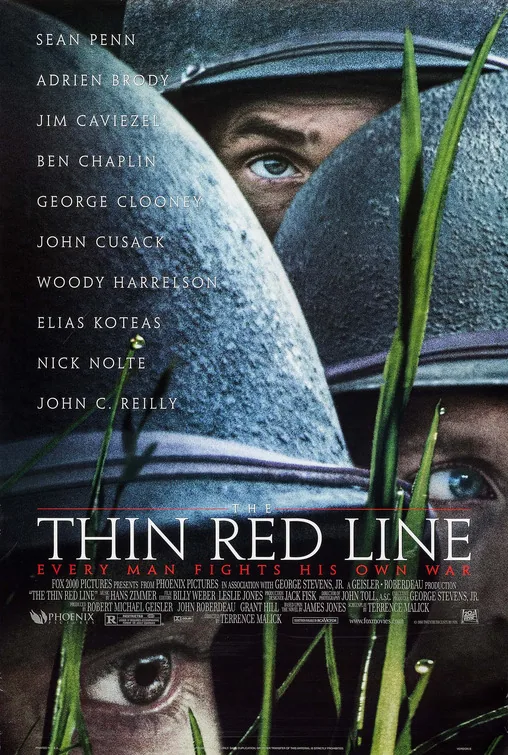
An American infantry company arrives on Guadalcanal and confronts a landscape whose beauty offers no protection from military objectives or unpredictable killing. Attempts to capture a defended position expose differences between career ambition, tactical responsibility and the soldiers' private attachments. Multiple voices reflect on nature, violence and loss as the campaign continues, making neither strategic progress nor individual courage sufficient to explain what the men experience.
Based on recorded story, mood and style. Your preferences can change the order.
Survival
What changes The Big Red One: episodic, campaign-spanning, alternating action and quiet and retrospective. The Last Castle: measured and escalating.
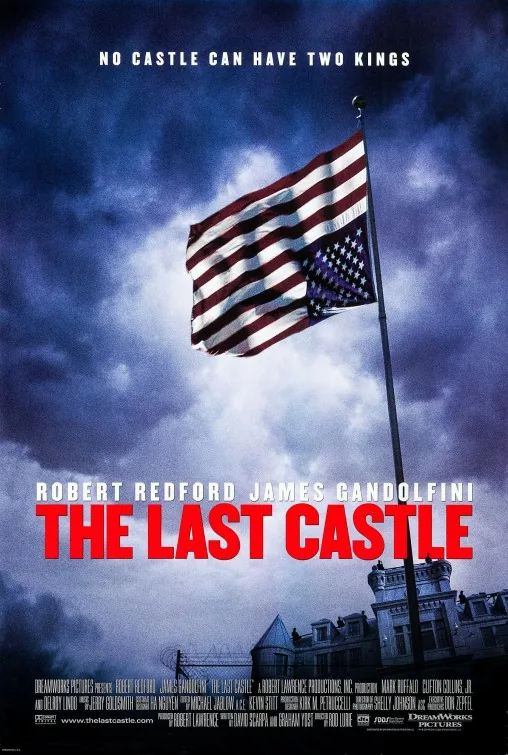
A decorated general is sent to a military prison after a court-martial and clashes with the commandant over the treatment of the inmates. What begins as a dispute over authority develops into an organized challenge to the prison's abusive system, drawing former soldiers into a difficult test of discipline and solidarity. The film frames rebellion as a conflict between rank and moral leadership, with the prison's structure turning every act of resistance into a public choice.
Based on recorded story, mood and style. Your preferences can change the order.
War and civilian life
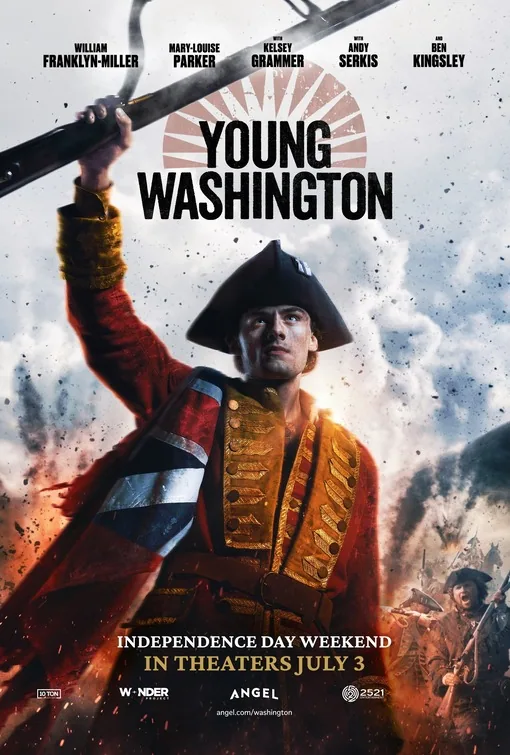
What changes The Big Red One: episodic, campaign-spanning, alternating action and quiet and retrospective. Young Washington: measured and builds toward conflict.
The biographical drama follows George Washington as a young man before the presidency, focusing on his early military experience and the events that shape his public reputation. The story situates ambition within colonial Virginia and the conflict of the French and Indian War, tracking how a young officer confronts pressure, responsibility and consequential decisions. Rather than treating the founding figure as already complete, the film presents political leadership as something formed through risk, failure and experience.
Based on recorded story, mood and style. Your preferences can change the order.
War and civilian life · Survival
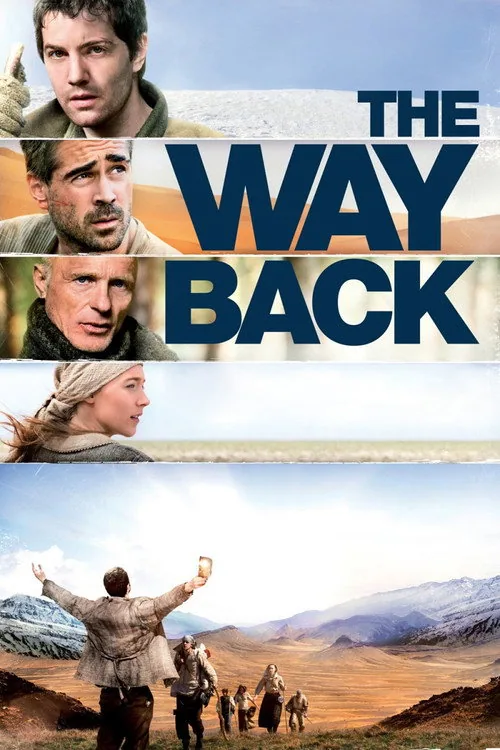
What changes The Big Red One: episodic, campaign-spanning, alternating action and quiet and retrospective. The Way Back: the escape gives way to a series of environmental ordeals across changing terrain..
During the Second World War, a Polish prisoner escapes a Soviet labor camp with a small group of men. They travel south across Siberia, the Gobi Desert, and the Himalayas, relying on one another through hunger, weather, and exhaustion. Their route leads toward British India, but the long journey repeatedly tests the group’s capacity to keep moving and to care for its weakest members. Peter Weir’s survival drama follows the trek in stark landscapes and is based on a disputed memoir.
Based on recorded story, mood and style. Your preferences can change the order.
War and civilian life
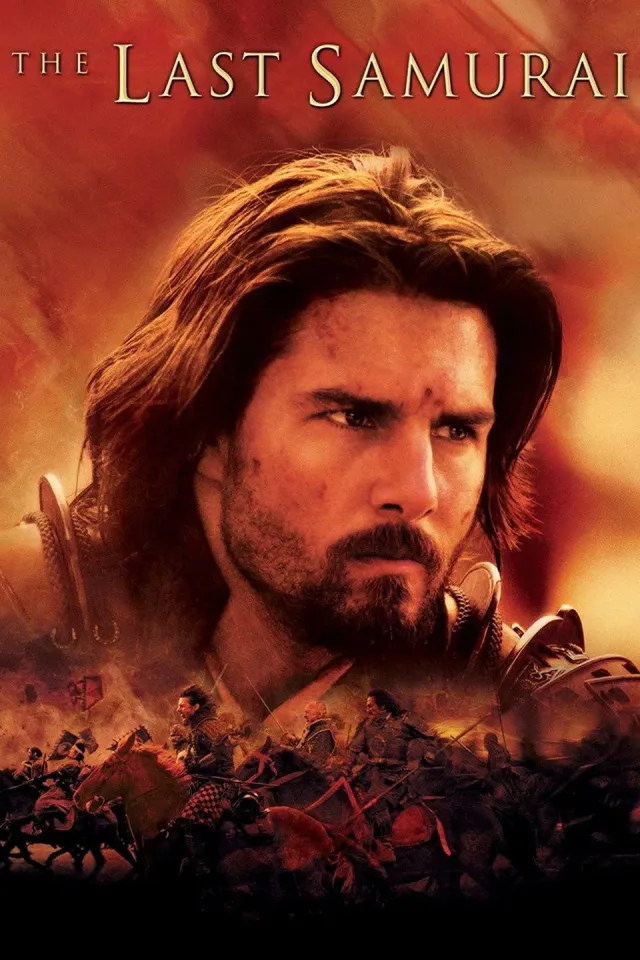
What changes The Big Red One: episodic, campaign-spanning, alternating action and quiet and retrospective. The Last Samurai: training and cultural adjustment and final battle.
Former U.S. Army captain Nathan Algren is hired to train Japan’s new imperial army, but its recruits are sent into battle before they are ready. Captured by samurai leader Katsumoto, Algren is taken to a village where he gradually learns the language and daily rhythms of the people he was sent to fight. His military past and his experiences in the village change how he understands the conflict, while Katsumoto challenges the government’s rapid modernization. When the imperial army prepares a final attack, Algren must decide where his loyalties lie. The film frames the rebellion through an American outsider’s transformation, making that perspective a major part of its appeal and its limits.
Based on recorded story, mood and style. Your preferences can change the order.
War and civilian life · Survival
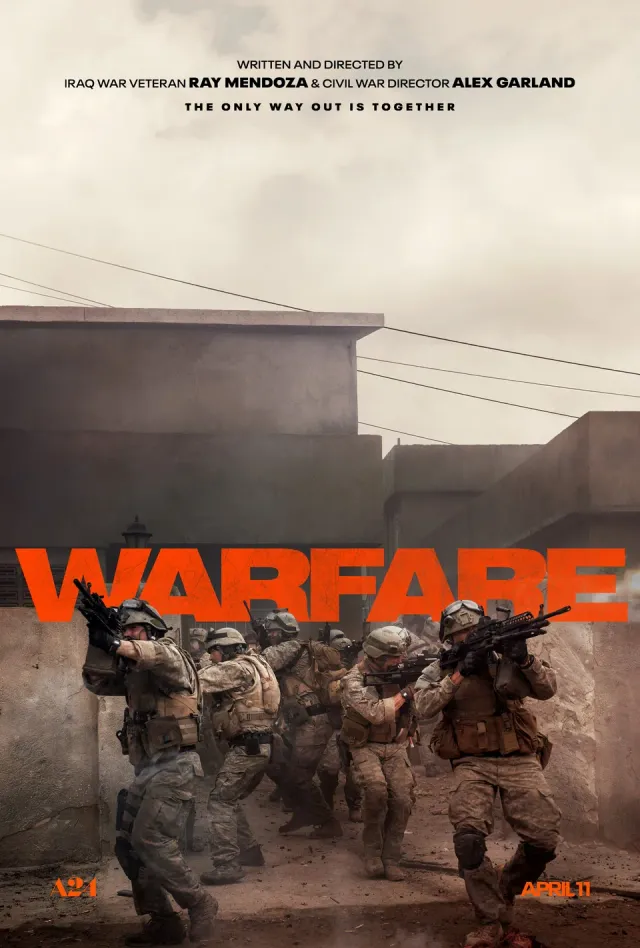
What changes The Big Red One: episodic, campaign-spanning, alternating action and quiet and retrospective. Warfare: a near-continuous combat sequence follows a unit’s attempt to evacuate casualties.
During the Iraq War, a Navy SEAL platoon occupies a house in Ramadi to monitor enemy activity and support a larger operation. When an explosion and ambush leave several men wounded, the group must coordinate evacuation under fire. Based on Ray Mendoza’s experience, the film focuses on the immediate confusion of combat, presenting battlefield survival through communication, interdependence, and the physical limits of those trying to protect one another.
Based on recorded story, mood and style. Your preferences can change the order.
War and civilian life
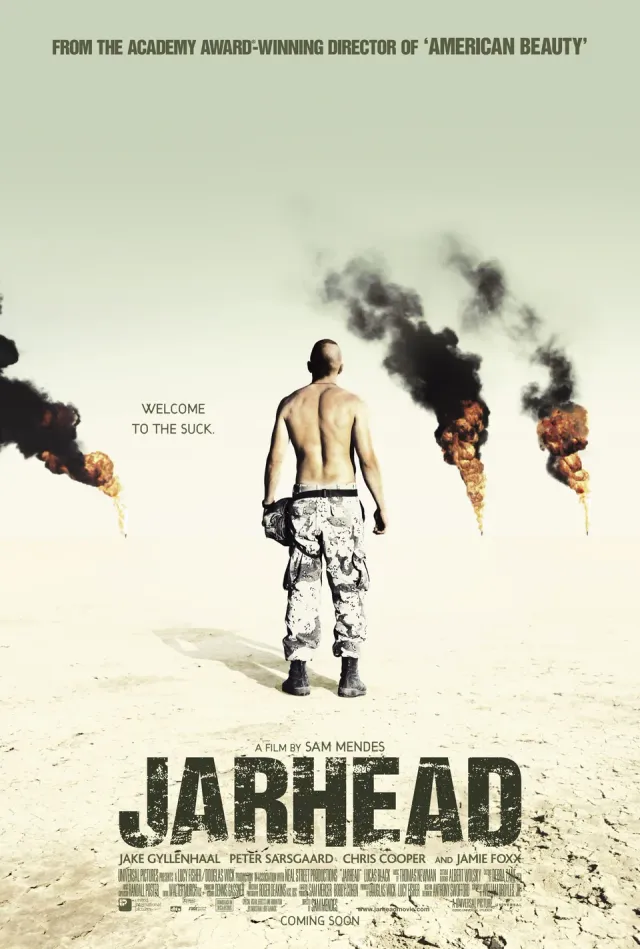
What changes The Big Red One: episodic, campaign-spanning, alternating action and quiet and retrospective. Jarhead: measured and intermittent surges.
A young Marine enlists during the Gulf War and trains for deployment, only to find that much of military life consists of waiting under severe physical and psychological pressure. The film follows his unit through preparation, boredom and sudden danger, focusing on what conflict does to identity when direct combat is intermittent. It is a war drama about routine, frustration and expectation.
Based on recorded story, mood and style. Your preferences can change the order.
Coming of age · Power and authority
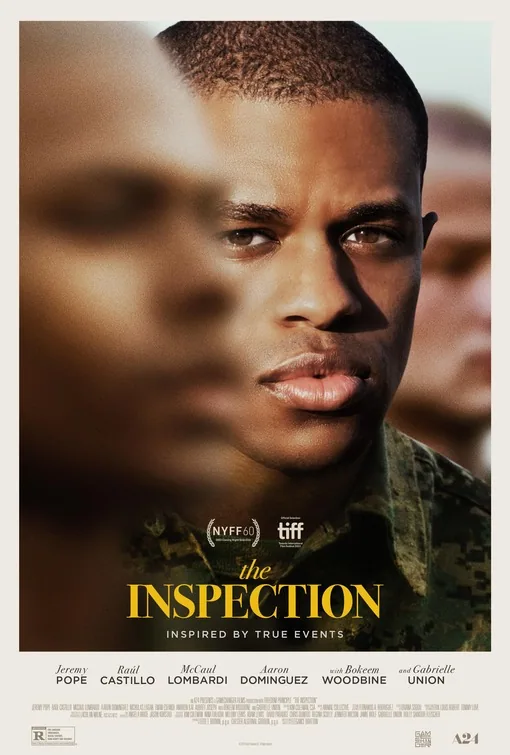
What changes The Big Red One: episodic, campaign-spanning, alternating action and quiet and retrospective. The Inspection: compressed, training-driven, tense and emotionally direct.
Ellis French, a young Black gay man estranged from his mother, enlists in the Marines and begins boot camp at Parris Island. His physical ability helps him meet the demands of training, but harassment and violent hazing expose the pressures placed on recruits who do not fit the institution’s expectations. The film draws on writer-director Elegance Bratton’s experience to examine the search for belonging inside a rigid system and the complicated hope of being accepted by family.
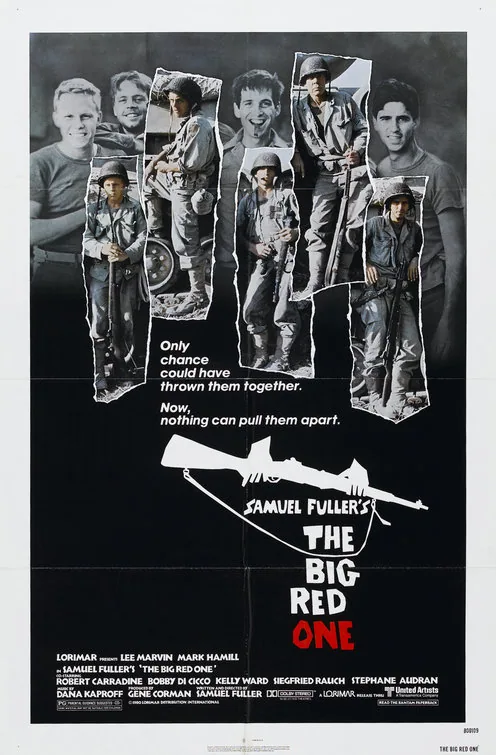
A veteran sergeant leads a small squad of U.S. infantrymen across the major European and North African campaigns of World War II. The men move from one landing and battlefield to another, trying to survive a war that repeatedly replaces their sense of ordinary life with brief pauses and renewed combat. Griff, a trained artist, Zab, an aspiring writer, and their companions absorb the shock of violence in different ways, while the sergeant’s experience keeps the group moving. The film follows the squad’s long campaign through a succession of episodes rather than a single decisive battle.
What drives the story
The sergeant’s quiet experience provides continuity as the squad passes through changing fronts, losses, and repeated acts of survival.
The people at its centre
Griff, Zab, Vinci, and Johnson carry distinct responses to combat, so the group’s bonds form through shared routines more than speeches.
What it feels like
The episodic structure gives the film the shape of remembered service, with combat punctuated by moments of fatigue, humor, and uncertainty.
Worth knowing
This is an infantryman’s campaign story told through a recurring squad, not a single-battle strategy drama or a triumphal war chronicle.
SurvivalWar and memoryBrotherhood
Mood
Sober · Episodic · Reflective · Unsentimental
Pacing
Episodic · Campaign-spanning · Alternating action and quiet · Retrospective