Explore films connected to The Inspection through belonging, identity, institutional power. Choose the qualities you want to carry into your next watch.
What should feel similar?
Find your next favourite
9 films · Closest overall matches
Hide films you’ve seen or don’t want. Saved on this device.
No matches for this combination yet.
Try another option or reset your choices to see more films.
Based on recorded story, mood and style. Your preferences can change the order.
Political resistance
What changes The Inspection: compressed, training-driven, tense and emotionally direct. Battleship Potemkin: intense.
Sailors subjected to degrading conditions challenge the officers commanding their ship, and a confrontation over rotten food becomes a catalyst for mutiny. Public mourning and solidarity in a nearby port place the uprising inside a wider struggle over state violence. The film arranges bodies, crowds and abrupt collisions of images into a deliberately political account in which collective feeling becomes as important as the actions of any named individual.
Based on recorded story, mood and style. Your preferences can change the order.
Political resistance
What changes The Inspection: compressed, training-driven, tense and emotionally direct. Kiss of the Spider Woman: conversation-led.
In a Brazilian prison cell, political prisoner Valentin shares space with Molina, a gay man jailed for a sexual offense. Molina recounts vivid film fantasies to pass the time and soften the prison's harsh routines, while Valentin distrusts the stories and resists the authorities' effort to extract information. Their conversations gradually create an unexpected bond, as fantasy, desire, loyalty, and political danger make the cell a place of both coercion and connection.
Based on recorded story, mood and style. Your preferences can change the order.
Coming of age
What changes The Inspection: compressed, training-driven, tense and emotionally direct. Dangerous Minds: episodic and gradual trust-building.
Former Marine LouAnne Johnson takes a teaching job at a California high school and finds that her students have little reason to trust another adult making promises. She experiments with lessons that connect to their immediate concerns, but the classroom's conflicts extend beyond any single teaching trick. The film follows her effort to earn attention while confronting the limits and responsibilities of entering a community from the outside.
Based on recorded story, mood and style. Your preferences can change the order.
Social hierarchy · Political resistance
What changes The Inspection: compressed, training-driven, tense and emotionally direct. Nickel Boys: measured, episodic and reflective.
In 1960s Florida, Elwood Curtis is sent to a brutal reform school after a wrongful arrest, where he befriends the more pragmatic Turner. The boys negotiate the institution's violence and uncertain rules for staying safe, while their different understandings of resistance shape their bond. RaMell Ross's adaptation of Colson Whitehead's novel uses subjective visual perspectives, making memory and the boys' relationship central to a history of abuse and survival.
Based on recorded story, mood and style. Your preferences can change the order.
Family and care · Power and authority
What changes The Inspection: compressed, training-driven, tense and emotionally direct. High Life: nonlinear, slow and contemplative and episodic crew history.
A group of prisoners serving life sentences is sent on a space mission toward a black hole, where a scientist conducts experiments on the crew. Monte, a reserved prisoner, tries to survive the journey and protect his young daughter Willow as the ship’s isolated routines and power imbalances deepen. The film uses its confined spacecraft, experimental medicine, and nonlinear storytelling to examine intimacy, coercion, parenthood, and the possibility of choosing a different life.
Based on recorded story, mood and style. Your preferences can change the order.
Coming of age
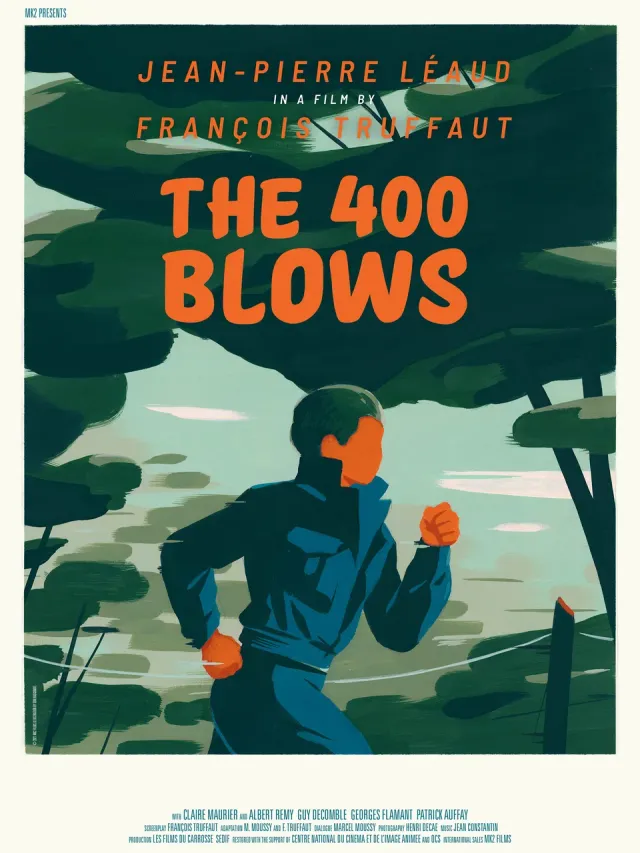
What changes The Inspection: compressed, training-driven, tense and emotionally direct. The 400 Blows: observational episodes and open-ended finish.
Antoine Doinel grows up in Paris feeling unwanted at home and misunderstood at school. Small acts of defiance, including truancy and a failed attempt to sell a stolen typewriter, draw him deeper into conflict with the adults who supervise him. His parents send him to a youth observation center, where a rare interview lets him speak about his life without interruption. Antoine escapes and runs toward the sea he has never seen, ending the film alone at the shoreline. The story follows a child's search for space and recognition rather than a neat reform narrative.
Based on recorded story, mood and style. Your preferences can change the order.
What changes The Inspection: compressed, training-driven, tense and emotionally direct. A Single Man: measured and interior.
In 1960s Los Angeles, a British professor is grieving the sudden death of his partner and tries to move through one day while deciding whether he can continue living alone. Encounters with a friend, a student and strangers alter the emotional texture of that day without undoing his loss. The film turns clothing, color and routine into close expressions of grief, loneliness and the fragile possibility of renewed attention.
Based on recorded story, mood and style. Your preferences can change the order.
Family and care
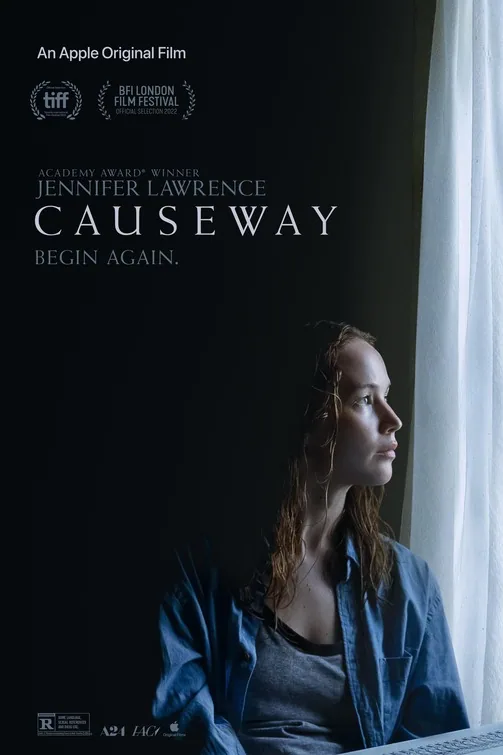
What changes The Inspection: compressed, training-driven, tense and emotionally direct. Causeway: slow, observational, understated and patient.
Army engineer Lynsey is recovering from a traumatic brain injury after deployment and hopes to return to military duty. When she must move back to New Orleans, ordinary tasks and memories make adjustment difficult. She finds a job cleaning pools and forms an unexpected friendship with James, an auto mechanic dealing with his own physical injury and grief. The film gives their conversations and gradual trust more weight than a conventional recovery arc.
Based on recorded story, mood and style. Your preferences can change the order.
Political resistance
What changes The Inspection: compressed, training-driven, tense and emotionally direct. Exodus: Gods and Kings: epic.
A military leader raised beside Egypt's heir discovers that his origins connect him to the people the royal household enslaves. Exile creates a different domestic life before a divine command draws him back to demand their release. His confrontation with the ruler joins personal recognition to mass suffering, while the methods used to force liberation challenge any easy division between a leader's intention, a supernatural mandate and the consequences endured by others. The film reframes the Exodus as a brotherly political rupture, giving Moses a skeptical relationship to divine instruction.
Ellis French, a young Black gay man estranged from his mother, enlists in the Marines and begins boot camp at Parris Island. His physical ability helps him meet the demands of training, but harassment and violent hazing expose the pressures placed on recruits who do not fit the institution’s expectations. The film draws on writer-director Elegance Bratton’s experience to examine the search for belonging inside a rigid system and the complicated hope of being accepted by family.
What drives the story
French enters Marine boot camp seeking structure and a future, then faces an institution that tests his identity and endurance.
The people at its centre
French develops confidence within the recruit group while confronting the cost of pursuing his mother’s approval.
What it feels like
The training environment makes social hierarchy visible through repeated rituals, physical demands and shifting alliances.
Worth knowing
A personal military drama about identity and institutional pressure, not a broad survey of military service.
belongingidentityinstitutional power
Mood
intense · unsparing · vulnerable · defiant
Pacing
compressed · training-driven · tense · emotionally direct
Visual style
barracks and drill formations · close physical framing · high-contrast lighting · repeated military routines
Storytelling
military boot-camp drama · autobiographical perspective · queer coming-of-age · mother-son conflict · institutional hazing