Explore films connected to Merry Christmas, Mr. Lawrence through War and captivity, Honor and shame, Cultural misunderstanding. Choose the qualities you want to carry into your next watch.
What should feel similar?
Find your next favourite
9 films · Closest overall matches
Hide films you’ve seen or don’t want. Saved on this device.
No matches for this combination yet.
Try another option or reset your choices to see more films.
Based on recorded story, mood and style. Your preferences can change the order.
War and civilian life
What changes Merry Christmas, Mr. Lawrence: slow-burn, conversation-led, rising institutional tension and ceremonial climax. Letters from Iwo Jima: nonlinear and measured.
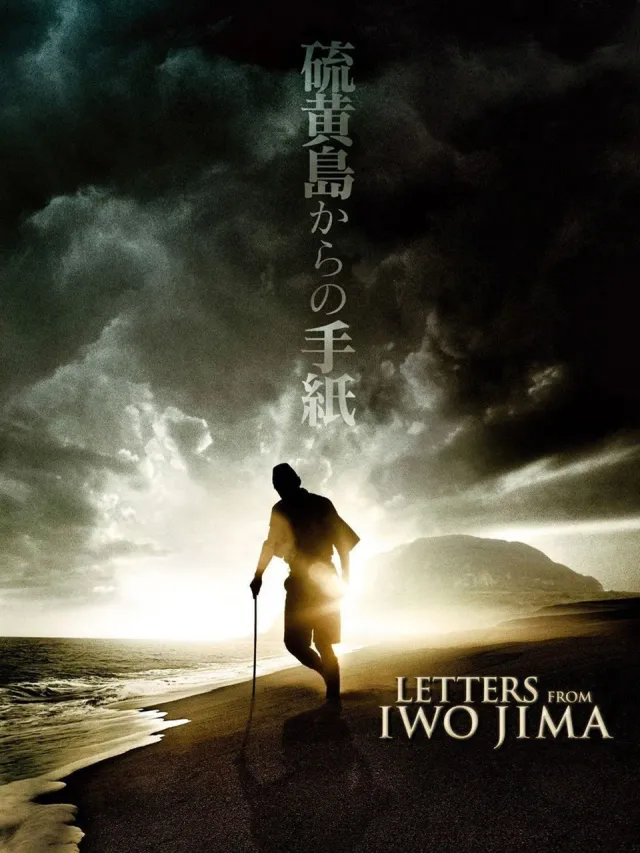
As U.S. forces approach Iwo Jima in 1945, Japanese soldiers prepare to defend an island they know they may not survive. Letters and flashbacks follow General Kuribayashi, Saigo the baker and other men whose motives range from duty and fear to attachment to families at home. Their human individuality complicates the language of national honor without making the film a full account of the Pacific War or Japanese imperial responsibility. Clint Eastwood’s Japanese-language companion to Flags of Our Fathers focuses on one selected military perspective; it does not stand for every Japanese soldier or civilian. The battle’s underground tunnels and fragmented correspondence turn defense into an intimate, enclosed ordeal, while the historical context remains larger than the film’s sympathetic frame.
Based on recorded story, mood and style. Your preferences can change the order.
Survival
What changes Merry Christmas, Mr. Lawrence: slow-burn, conversation-led, rising institutional tension and ceremonial climax. The Last Castle: measured and escalating.
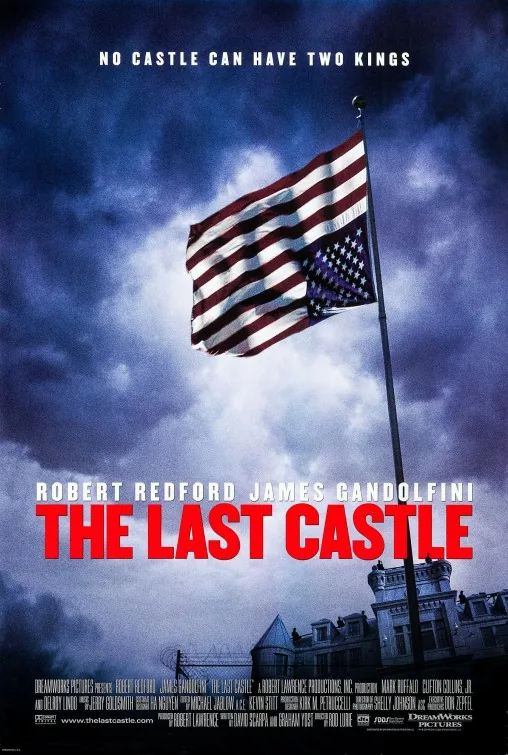
A decorated general is sent to a military prison after a court-martial and clashes with the commandant over the treatment of the inmates. What begins as a dispute over authority develops into an organized challenge to the prison's abusive system, drawing former soldiers into a difficult test of discipline and solidarity. The film frames rebellion as a conflict between rank and moral leadership, with the prison's structure turning every act of resistance into a public choice.
Based on recorded story, mood and style. Your preferences can change the order.
Power and authority · Survival
What changes Merry Christmas, Mr. Lawrence: slow-burn, conversation-led, rising institutional tension and ceremonial climax. The Big Red One: episodic, campaign-spanning, alternating action and quiet and retrospective.
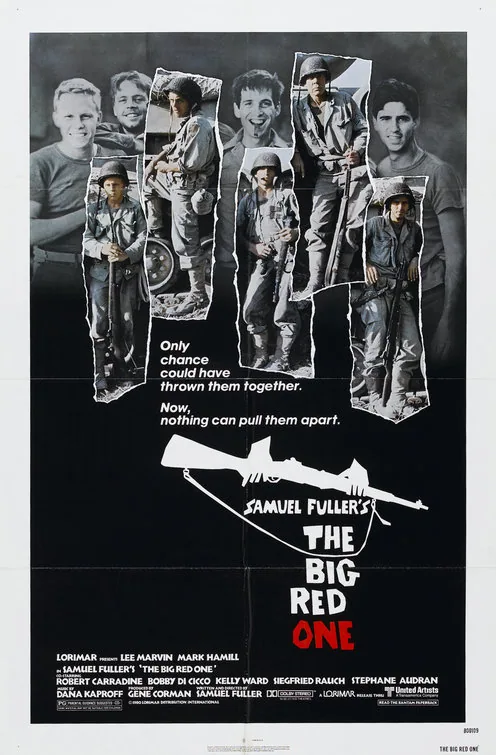
A veteran sergeant leads a small squad of U.S. infantrymen across the major European and North African campaigns of World War II. The men move from one landing and battlefield to another, trying to survive a war that repeatedly replaces their sense of ordinary life with brief pauses and renewed combat. Griff, a trained artist, Zab, an aspiring writer, and their companions absorb the shock of violence in different ways, while the sergeant’s experience keeps the group moving. The film follows the squad’s long campaign through a succession of episodes rather than a single decisive battle.
Based on recorded story, mood and style. Your preferences can change the order.
Survival · War and civilian life
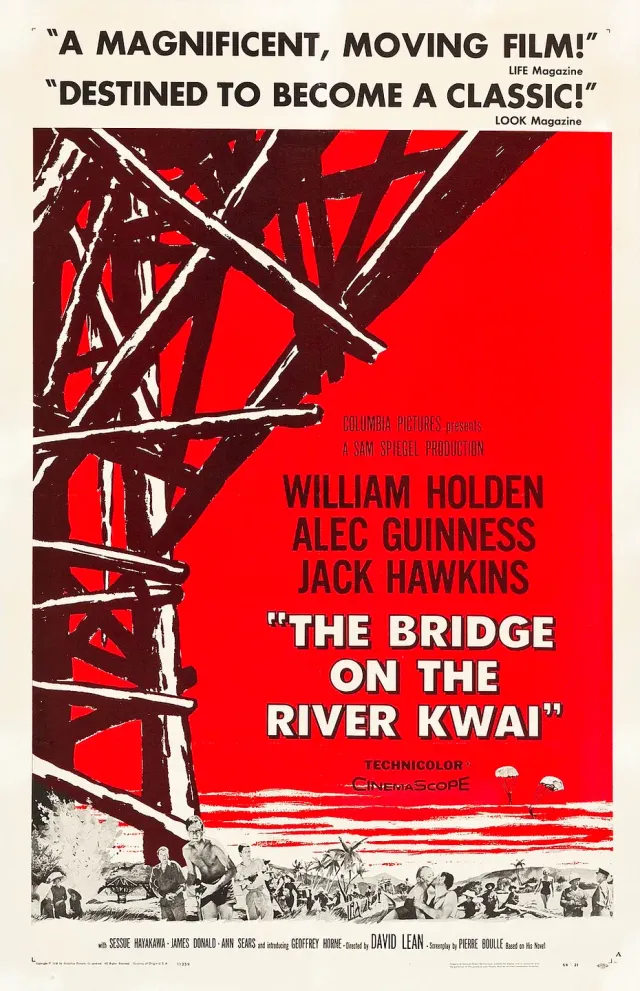
What changes Merry Christmas, Mr. Lawrence: slow-burn, conversation-led, rising institutional tension and ceremonial climax. The Bridge on the River Kwai: measured and intense.
British prisoners in a Japanese camp are ordered to construct a railway bridge serving the enemy's war effort. Their commanding officer first resists the commandant on matters of principle, then begins treating an efficiently built bridge as proof of his men's discipline and dignity. Meanwhile, a separate mission seeks to destroy the same structure, turning professional pride and military duty into forces capable of working against their supposed purpose.
Based on recorded story, mood and style. Your preferences can change the order.
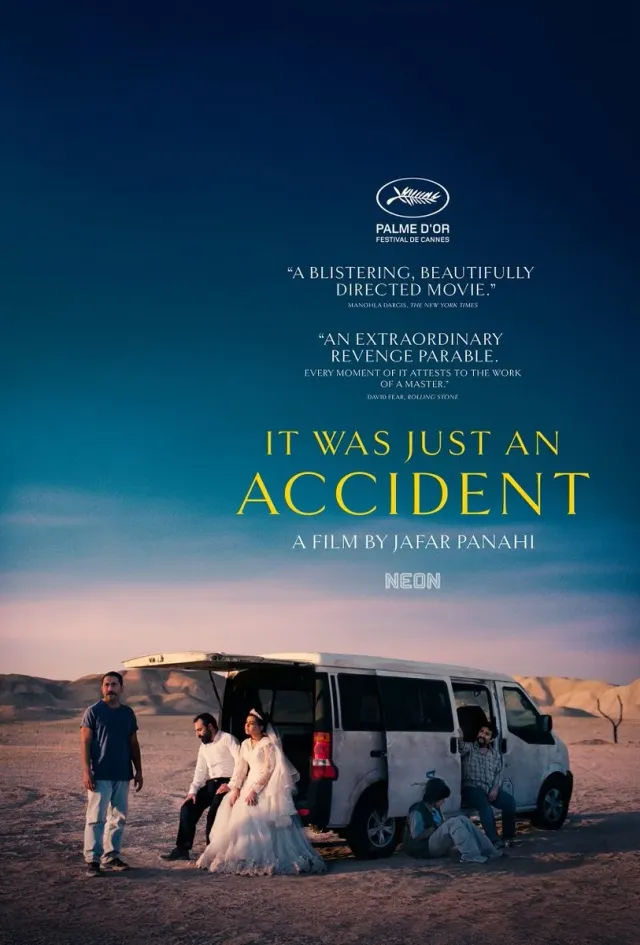
What changes Merry Christmas, Mr. Lawrence: slow-burn, conversation-led, rising institutional tension and ceremonial climax. It Was Just an Accident: journey-based and building tension.
A mechanic believes he has recognized the former prison official who tortured him, identified by the sound of a prosthetic leg. Unable to be certain, he turns to other former detainees, and each person's reaction complicates the decision about what should happen next. Jafar Panahi builds a tense moral road story from doubt, memory and revenge, asking how people carry the past when legal accountability remains uncertain.
Based on recorded story, mood and style. Your preferences can change the order.
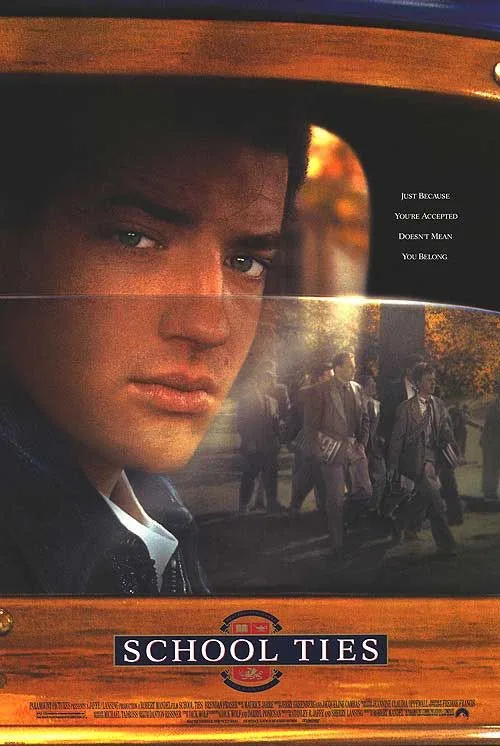
What changes Merry Christmas, Mr. Lawrence: slow-burn, conversation-led, rising institutional tension and ceremonial climax. School Ties: school season builds toward public conflict.
In 1950s New England, working-class student David Greene receives a football scholarship to an elite preparatory school and hides that he is Jewish. He becomes popular with teammates but faces antisemitism and a school honor code that is used unevenly. When his identity is exposed, his friends must decide whether loyalty means protecting him or preserving their own status.
Based on recorded story, mood and style. Your preferences can change the order.
War and civilian life
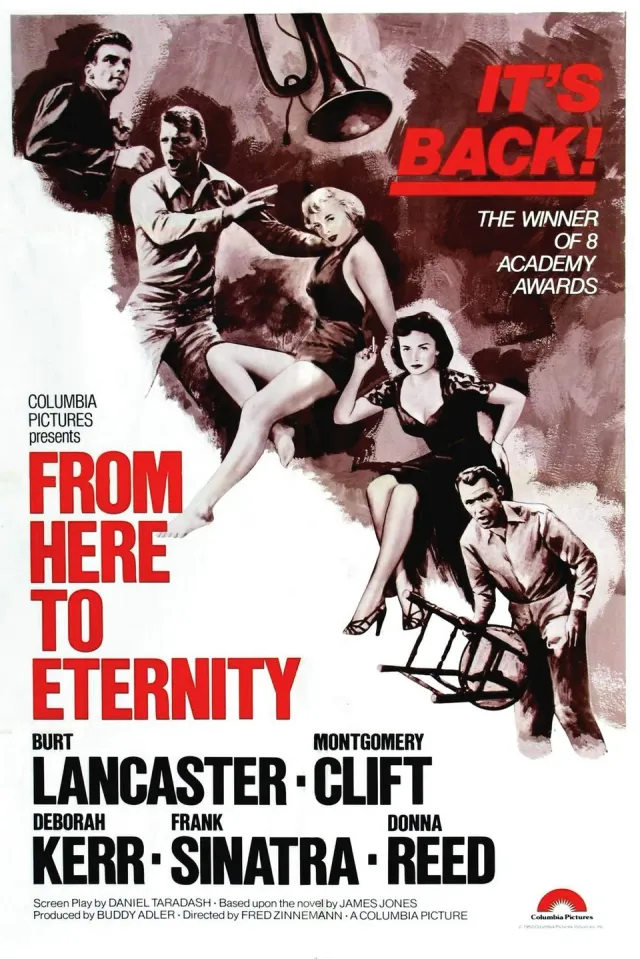
What changes Merry Christmas, Mr. Lawrence: slow-burn, conversation-led, rising institutional tension and ceremonial climax. From Here to Eternity: measured and escalating.
At an Army post in Hawaii before Pearl Harbor, a soldier refuses to box for his commanding officer and becomes a target of organized punishment. Around him, friendships and clandestine romances offer forms of belonging the institution cannot safely recognize. His refusal carries a private moral history, while others negotiate ambition, marriage and escape from constrained lives. The approaching historical catastrophe does not erase the smaller abuses: military duty and institutional loyalty repeatedly come into conflict with individual dignity.
Based on recorded story, mood and style. Your preferences can change the order.
Survival · War and civilian life
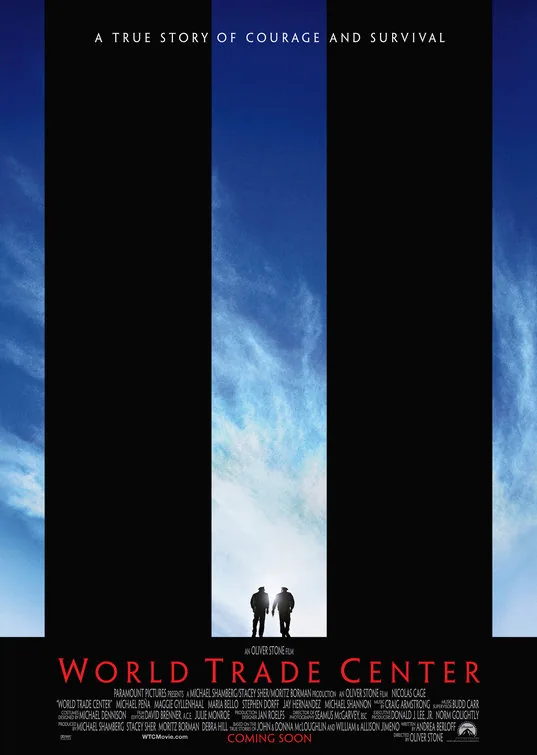
What changes Merry Christmas, Mr. Lawrence: slow-burn, conversation-led, rising institutional tension and ceremonial climax. World Trade Center: measured and sustained.
On September 11, 2001, Port Authority officers John McLoughlin and Will Jimeno enter the World Trade Center during the attacks and become trapped in the rubble. The film follows their struggle to stay alive and the families and rescuers waiting for news. Its focus is intimate and restrained, centering survival, solidarity and the civilian experience of catastrophe.
Based on recorded story, mood and style. Your preferences can change the order.
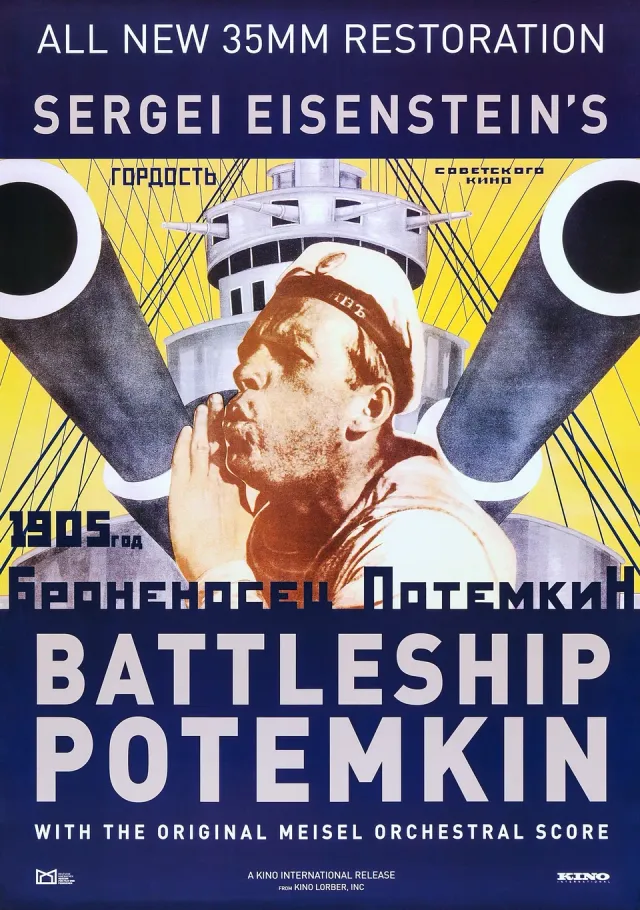
What changes Merry Christmas, Mr. Lawrence: slow-burn, conversation-led, rising institutional tension and ceremonial climax. Battleship Potemkin: intense.
Sailors subjected to degrading conditions challenge the officers commanding their ship, and a confrontation over rotten food becomes a catalyst for mutiny. Public mourning and solidarity in a nearby port place the uprising inside a wider struggle over state violence. The film arranges bodies, crowds and abrupt collisions of images into a deliberately political account in which collective feeling becomes as important as the actions of any named individual.
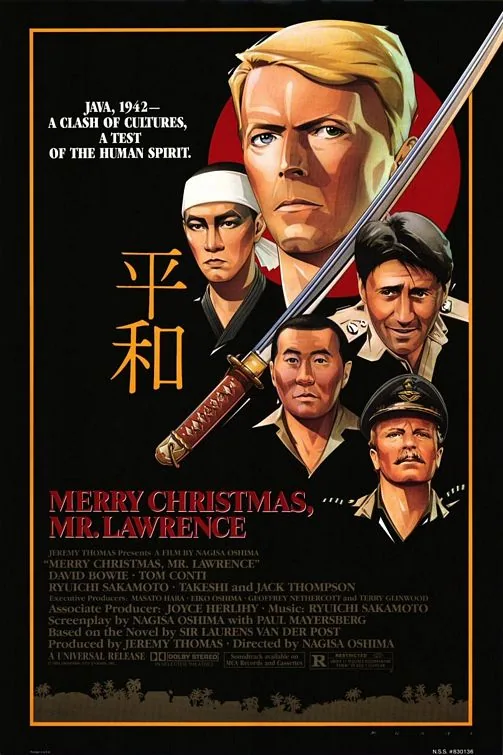
In 1942, British prisoners of war are held at a Japanese-run camp on Java under Captain Yonoi, whose strict ideas of honor leave little room for dissent. Lieutenant Colonel John Lawrence, fluent in Japanese, attempts to mediate between captives and guards, while the abrasive Group Captain Hicksley resists pressure to identify specialists among the prisoners. The arrival of Major Jack Celliers unsettles Yonoi and exposes the shame behind his command. Sergeant Hara’s unexpectedly humane exchanges with Lawrence further complicate the camp’s hierarchy. Disputes over discipline, loyalty and ceremony build toward a public act that changes the balance of power and the prisoners’ prospects.
What drives the story
The camp’s rules place prisoners in the hands of a commander whose public code is shaped by private shame.
The people at its centre
Lawrence’s fluency creates a fragile channel between Yonoi and the captives, while Celliers challenges the commander’s distance.
What it feels like
Measured performances and recurring music make silences, gestures and ritual carry weight alongside dialogue.
Worth knowing
This is a wartime prison drama about honor, attraction and authority, not an escape film centered on military action.
War and captivityHonor and shameCultural misunderstanding