Based on recorded story, mood and style. Your preferences can change the order.
From the same film series.
Music and performance · Coming of age
Expect hopeful and playful, with brisk pacing.
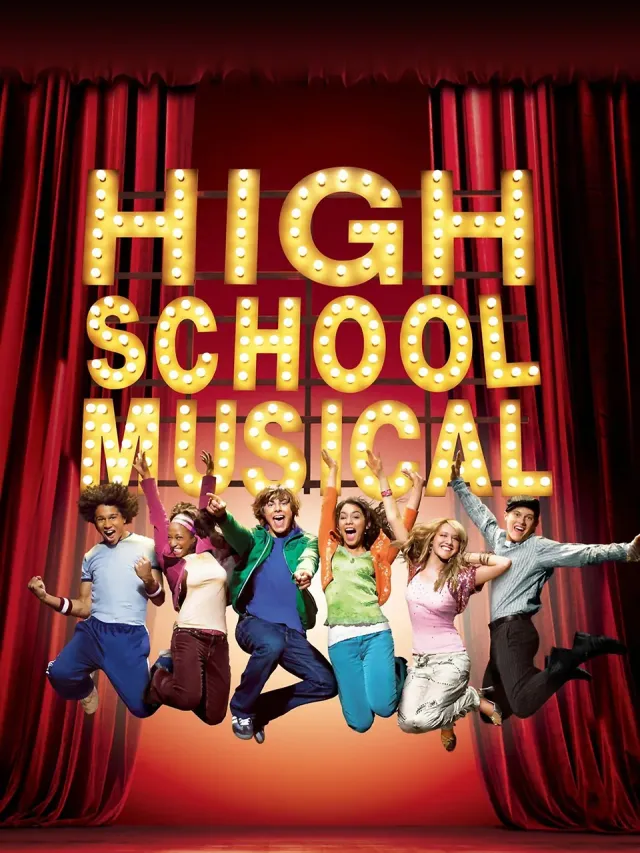
A basketball captain and an academically successful new student discover that they enjoy singing together. Auditioning for the school musical threatens the identities their friends and teachers rely on, and an effort to steer them back into their assigned groups creates a false betrayal. When sporting, academic and theatrical commitments collide, collaboration must replace the assumption that one talent cancels another. The television musical makes romantic attraction a route into broader permission to participate without surrendering existing friendships or abilities.
Based on recorded story, mood and style. Your preferences can change the order.
Music and performance · Coming of age
Expect warm and bittersweet, with episodic pacing.
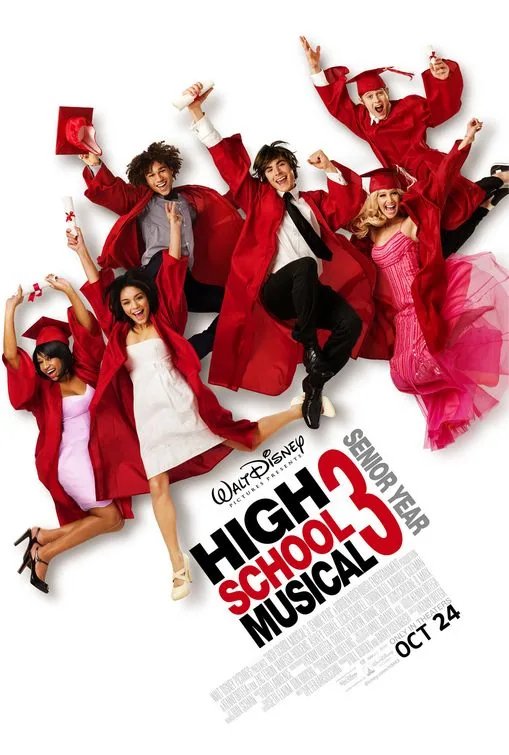
Graduating students rehearse a musical about their future while college offers make that future increasingly difficult to share. A basketball star faces competing expectations from family, friends and a growing attachment to performance, while his girlfriend's opportunity requires leaving before the familiar rituals are complete. The production and school celebrations become ways to give temporary form to a group already beginning to separate. The theatrical sequel moves the series' concern with belonging toward choosing a direction without demanding that everyone choose the same one.
Based on recorded story, mood and style. Your preferences can change the order.
Music and performance · Coming of age
Expect warm and playful, with brisk and episodic pacing.
A teenager's double life as a pop star begins damaging the friendships and family connections that make her ordinary identity possible. Her father takes her back to Tennessee, where a developing romance and a community fundraiser compete with publicity commitments and a reporter's pursuit of her secret. Maintaining both roles requires increasingly elaborate deceptions that hurt people she wants to keep close. The musical asks whether reconnecting with home can restore proportion to celebrity without requiring the abandonment of performance itself.
Based on recorded story, mood and style. Your preferences can change the order.
Music and performance · Coming of age
What changes High School Musical 2: brisk and episodic. The Lizzie McGuire Movie: escalating and adventure-led.
On a school trip to Rome, an American teenager is mistaken for an Italian pop star and swept into a performance opportunity that offers instant attention. The mix-up tests her friendship with the real performer and the identity she has built among classmates back home. The film extends a television coming-of-age story into travel comedy, treating self-confidence as something more durable than being recognized by strangers.
Based on recorded story, mood and style. Your preferences can change the order.
Music and performance
What changes High School Musical 2: brisk and episodic. Swing Time: musical numbers and comic escalation.
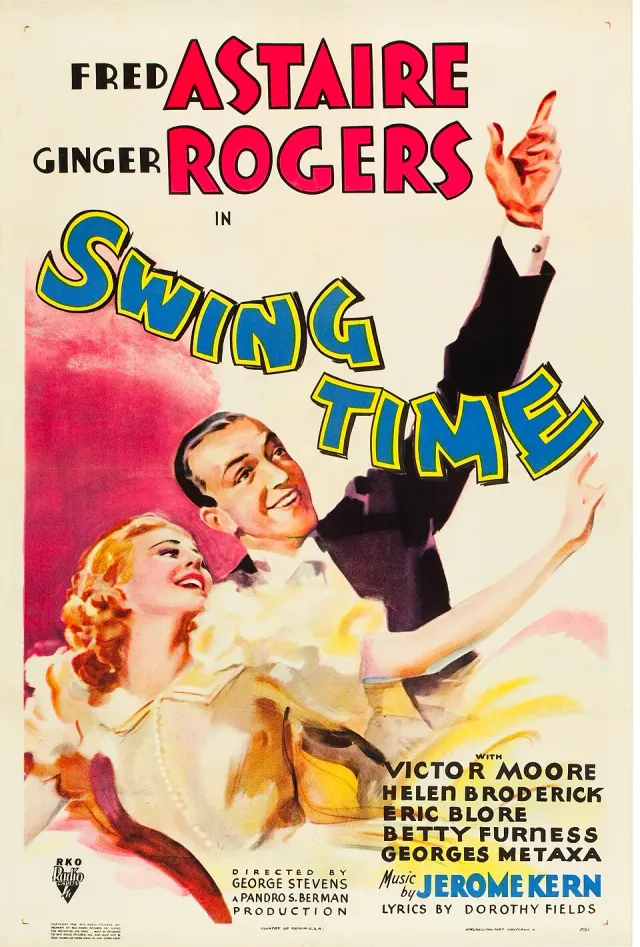
Dancer and gambler Lucky Garnett must raise money before he can marry, so he travels to New York with his friend Pop. There he encounters dance instructor Penny Carroll, whose talent and charm complicate his original plans. As stage opportunities, misunderstandings and Lucky’s existing engagement intersect, their partnership on the dance floor becomes inseparable from the choices facing them off it.
Shared characteristics
Mood: Romantic
Mood: Playful
Theme: Ambition
Genre: Musical
Genre: Romance
Genre: Comedy
Poster: Film rights holders; original promotional poster documented by Wikipedia · Image source
Based on recorded story, mood and style. Your preferences can change the order.
Music and performance · Coming of age
What changes High School Musical 2: brisk and episodic. Camp Rock: fast.
A teenager gains access to an expensive music camp because her mother takes a catering job there, then conceals that arrangement to fit in with wealthier peers. A troubled young celebrity searching for an unidentified singing voice complicates the status hierarchy and her hopes of being heard. Maintaining the invented social story threatens the friendships and confidence that would make musical recognition worth having in the first place.
Based on recorded story, mood and style. Your preferences can change the order.
Music and performance
Expect playful and romantic, with episodic and brisk pacing.
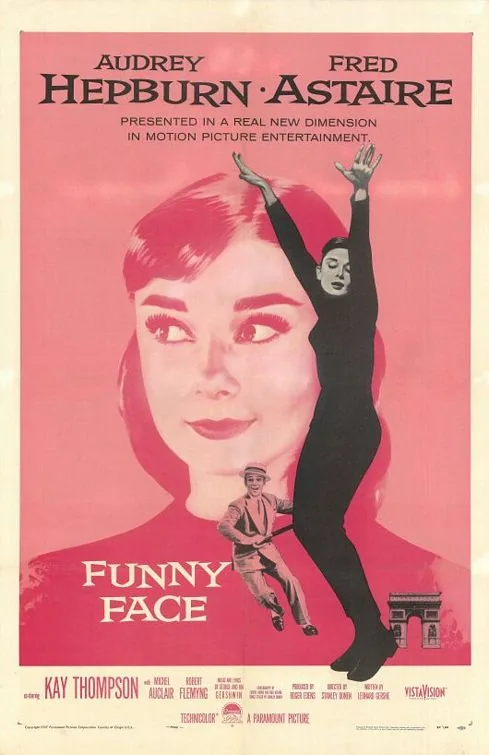
A fashion photographer notices a bookshop assistant whose intellectual interests seem incompatible with the magazine world employing him. She accepts a modeling opportunity partly because it will take her to Paris and a philosopher she admires. The makeover and photo sessions turn professional image-making into a setting for attraction and competing ideas about authenticity. Songs and dance express the tension between the self she believes she must defend and the new experiences that commercial glamour makes possible.
Based on recorded story, mood and style. Your preferences can change the order.
What changes High School Musical 2: brisk and episodic. Fever Pitch: seasonal and character-led.
A schoolteacher begins dating a man whose devotion to the Boston Red Sox shapes how he spends much of the baseball season. As the relationship deepens, she has to decide whether she can share space with a passion that predates her, while he learns that commitment means more than asking someone else to adapt. The romantic comedy ties intimacy to a sports season, using fandom as a vivid test of time and attention.
Both share themes of class and friendship, plus a warm and playful atmosphere.
Why this matches +
Genres: Comedy / Romance
Shared film traits
Based on recorded story, mood and style. Your preferences can change the order.
Coming of age
What changes High School Musical 2: brisk and episodic. Clueless: fast.
A wealthy Beverly Hills teenager treats matchmaking and social makeovers as evidence of her ability to improve other people's lives. Helping a new student join her circle produces consequences she has not anticipated, while romantic confusion exposes gaps in her judgement. Her confidence gradually gives way to a more attentive understanding of friendship, attraction and the difference between generosity and control.
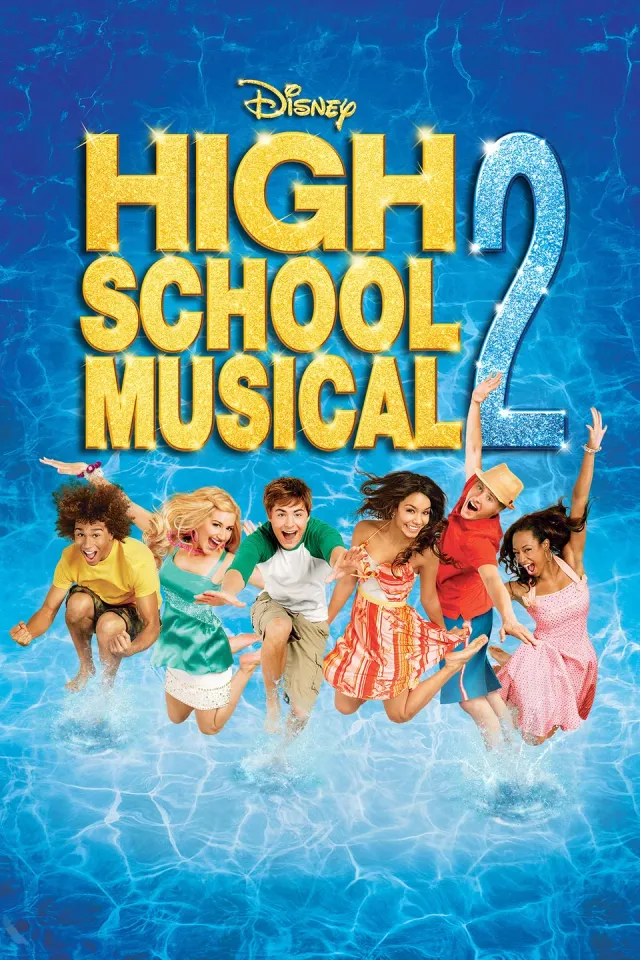
A group of school friends takes summer jobs at an exclusive country club, where its owner's daughter offers the basketball star privileges that could help secure his college future. The opportunities separate him from friends who remain workers and complicate his relationship with his girlfriend. A talent show turns access to performance into another boundary that the employees must negotiate. The musical shifts from school cliques toward class and patronage, asking what professional advantage costs when acceptance depends on allowing others to be excluded.
What drives the story
A privileged patron draws one member of a working friend group into opportunities whose conditions undermine their solidarity and shared performance plans.
The people at its centre
Troy's anxiety about college makes preferential treatment tempting, while Gabriella and Chad experience his advancement as withdrawal from promises of equality.
What it feels like
Bright resort choreography and buoyant songs carry disagreements over work, friendship and ambition within a reassuring summer-romance framework.
Worth knowing
Unlike the first film's school-label conflict, the sequel places belonging inside an employer's power over jobs and opportunity; the class tension remains stylized rather than labor realism.