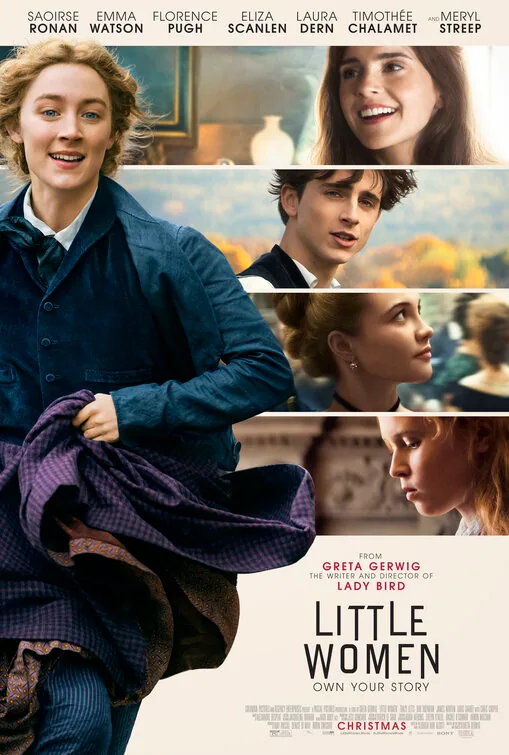
The film begins near its later turning points and revisits childhood through warm memory sequences. This structure makes Beth’s illness and Jo’s writing feel like forces shaping the sisters’ futures rather than a single chronological march.
Why this matches +
These offer a related experience with a meaningful difference in story, tone, or presentation.
An adjacent discovery: a related idea with a different viewing experience.
Genres: Drama / Romance
Shared film traits
Based on recorded story, mood and style. Your preferences can change the order.
Memory and identity
What changes Women across generations navigate love, independence and family, with personal stories shaping their understanding of commitment.
Greta Gerwig’s adaptation moves between the March sisters’ youthful household and their adult lives, using a non-linear structure to make memory, loss and ambition speak across time. Jo pursues writing and financial independence, Meg chooses a less publicly celebrated domestic life, Amy weighs artistic aspiration against material limits, and Beth’s illness shapes the family’s sense of what can be preserved. The publisher’s demand that Jo’s novel end in marriage creates a final ambiguity between character and author: the film gives her a romantic conclusion while also showing her negotiate ownership and payment for her book. This is neither a simple rejection of Alcott’s ending nor an unambiguous confirmation of romance. The two timelines let Jo’s authorship and lived future remain productively entangled.
A man's new relationship unfolds alongside memories of his father beginning a more honest life in old age.
Why this matches +
These offer a related experience with a meaningful difference in story, tone, or presentation.
An adjacent discovery: a related idea with a different viewing experience.
Genres: Drama / Romance
Shared film traits
Based on recorded story, mood and style. Your preferences can change the order.
Memory and identity
What changes An adult reflects on a parent's life and past relationships while reconsidering his own capacity for intimacy.
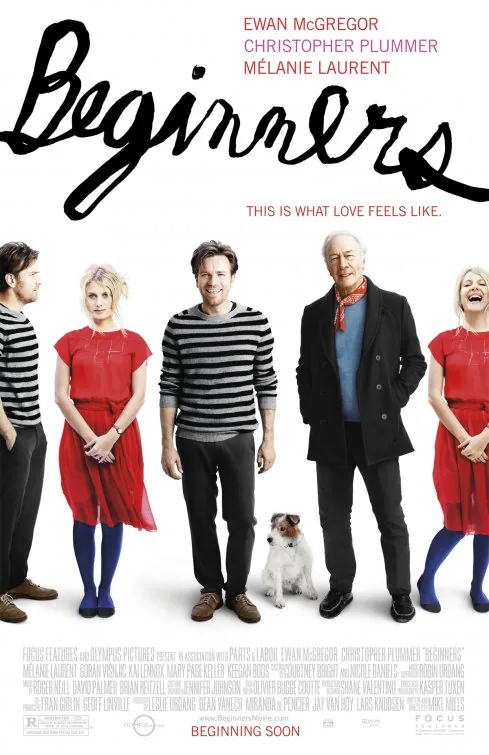
After his father's death, Oliver remembers the older man's late-life coming out and the years of illness that followed, while beginning a hesitant relationship with actress Anna. Memories of his mother, his childhood and the family he thought he understood surface alongside the new romance. Mike Mills' drama shifts between periods with a light, personal touch, examining grief, honesty and the possibilities of starting over.
A hotel reopening and a parallel account of Donna's youth bring Sophie's present uncertainty into contact with the relationships that formed her family.
Why this matches +
These offer a related experience with a meaningful difference in story, tone, or presentation.
An adjacent discovery: a related idea with a different viewing experience.
Genres: Musical / Romance
Shared film traits
Based on recorded story, mood and style. Your preferences can change the order.
Memory and identity
What changes A younger woman's romantic decisions become intertwined with stories about her mother's past and the bonds among older friends.
A year after Donna's death, Sophie prepares to reopen the Greek island hotel while learning more about the summer her mother first arrived there. In parallel, young Donna leaves home, reaches Kalokairi and meets Harry, Bill and Sam, whose separate courtships shape the family history Sophie is trying to understand. Storm damage and an unexpected pregnancy complicate the present celebration; the young and older generations gradually converge around the people Donna chose to keep close. The sequel alternates two timelines, making inherited stories and chosen family as central as its returning pop songs.
The time jump connects a mother’s youthful choices to her daughter’s present.
Why this matches +
These offer a related experience with a meaningful difference in story, tone, or presentation.
An adjacent discovery: a related idea with a different viewing experience.
Genres: Drama / Romance
Shared film traits
Based on recorded story, mood and style. Your preferences can change the order.
What changes Women across generations confront grief, family history and changing expectations about romantic relationships.
After a tragedy upends two generations of one family, Morgan and her teenage daughter Clara struggle to understand their changing relationships, grief, and the secrets surrounding the event. Morgan’s sister and long-time friend Jonah complicate the family’s attempts to rebuild trust. The romantic drama adapts a novel into an intergenerational story about how private loss reshapes love and parenthood.
The daughter’s question gives the father a reason to revisit the story of how several relationships shaped his life.
Why this matches +
These offer a related experience with a meaningful difference in story, tone, or presentation.
An adjacent discovery: a related idea with a different viewing experience.
Genres: Comedy / Drama
Shared film traits
Based on recorded story, mood and style. Your preferences can change the order.
Memory and identity
What changes A parent recounts past relationships to a child, using multiple love stories to reflect on commitment and change over time.
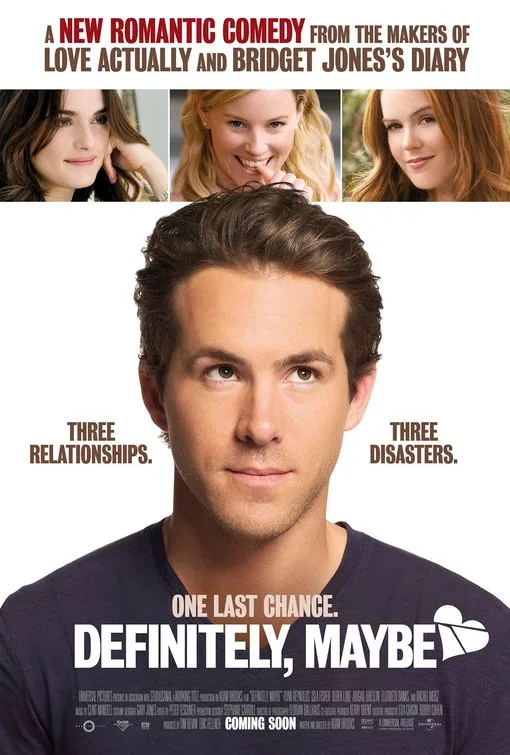
A father tells his young daughter how he met her mother, reshaping names and details as she tries to identify which woman became her parent. The story moves through his past relationships and political work, revealing how timing, ambition and uncertainty affected each connection. The romantic comedy frames the search as a conversation between a parent and child about love and memory.
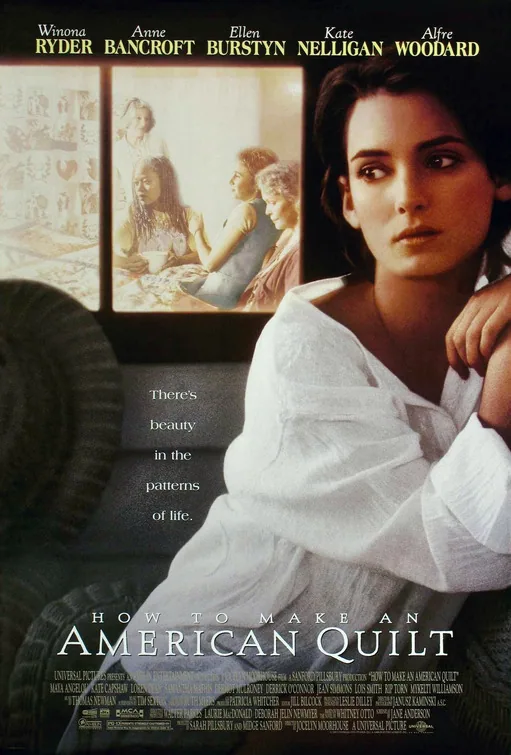
Graduate student Finn spends the summer with her grandmother and great-aunt while deciding whether to marry her boyfriend. The older women work on a quilt and recount their own relationships, giving Finn a set of intimate but conflicting examples of love, loss and independence. The ensemble drama links a present-day decision to stories carried across generations.
What drives the story
A young woman reconsiders marriage while listening to the life stories of her grandmother's quilting circle.
The people at its centre
Finn tests inherited ideas of love against her own wishes and the varied choices of the women around her.
What it feels like
The film shifts between present conversation and recollected romances, then returns to the present.
Worth knowing
Its structure treats memory as shared counsel, rather than a single linear courtship plot.
LoveMemoryIndependence
Mood
Reflective · Tender · Bittersweet
Pacing
A present choice is reframed through interwoven memories
Visual style
Ensemble romantic drama · Textile imagery
Storytelling
Quilting circle · Marriage decision · Generational stories