Explore films connected to Hunger through Political resistance, Bodily autonomy, Conviction and sacrifice. Choose the qualities you want to carry into your next watch.
What should feel similar?
Find your next favourite
9 films · Closest overall matches
Hide films you’ve seen or don’t want. Saved on this device.
No matches for this combination yet.
Try another option or reset your choices to see more films.
Based on recorded story, mood and style. Your preferences can change the order.
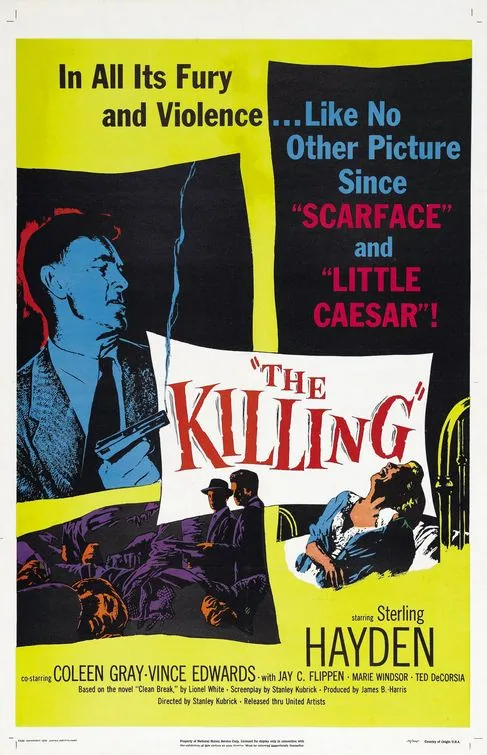
What changes Hunger: observational opening, extended central dialogue and slow physical deterioration. The Killing: nonlinear preparation and heist and fallout.
Recently released from prison, Johnny Clay plans a racetrack robbery and recruits a small team whose jobs range from inside access to creating diversions. Each person has a different reason for accepting the plan, and George Peatty’s wife Sherry learns enough to place the money at risk. Stanley Kubrick tells the preparation and race day through overlapping perspectives, returning to events from different characters’ positions rather than following a single uninterrupted clock. The robbery succeeds, but the group’s careful timing cannot control what happens after the cash is collected. The film’s tension comes from watching a supposedly precise operation collide with the private motives and bad luck its planners overlooked.
Based on recorded story, mood and style. Your preferences can change the order.
Political resistance
What changes Hunger: observational opening, extended central dialogue and slow physical deterioration. Kiss of the Spider Woman: conversation-led.
In a Brazilian prison cell, political prisoner Valentin shares space with Molina, a gay man jailed for a sexual offense. Molina recounts vivid film fantasies to pass the time and soften the prison's harsh routines, while Valentin distrusts the stories and resists the authorities' effort to extract information. Their conversations gradually create an unexpected bond, as fantasy, desire, loyalty, and political danger make the cell a place of both coercion and connection.
Based on recorded story, mood and style. Your preferences can change the order.
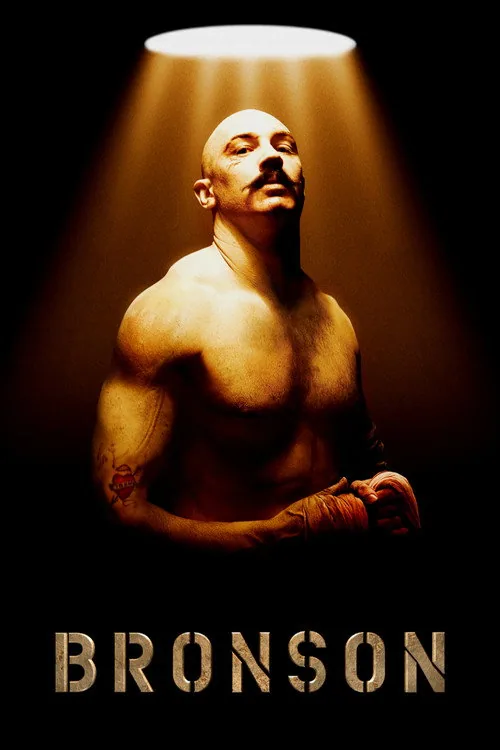
What changes Hunger: observational opening, extended central dialogue and slow physical deterioration. Bronson: fragmented episodes orbit repeated returns to custody.
Michael Peterson, later known as Charles Bronson, recounts a life shaped by prison violence, brief releases, and repeated hostage-taking. He performs parts of his story from a vaudeville stage, addressing the viewer while episodes move between institutions, family memories, and a short-lived attempt at life outside prison. Nicolas Winding Refn’s stylized biographical film treats Peterson’s self-created persona as both spectacle and confinement, without presenting his violence as a triumphant model of rebellion.
Based on recorded story, mood and style. Your preferences can change the order.
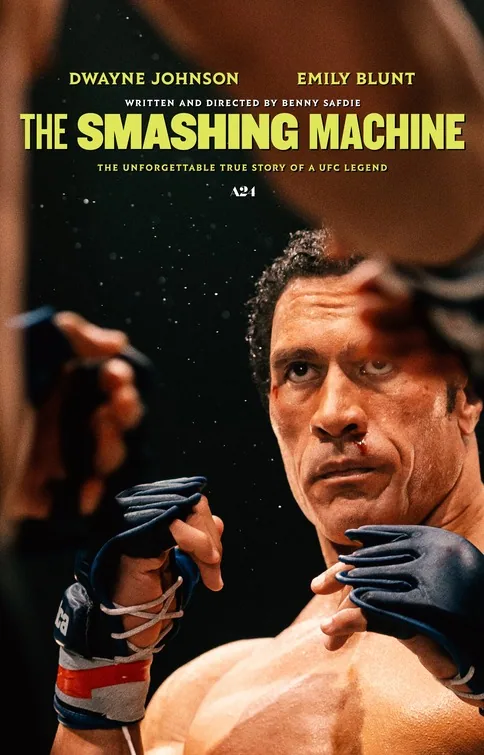
What changes Hunger: observational opening, extended central dialogue and slow physical deterioration. The Smashing Machine: fight preparation and relationship scenes trace a cycle of achievement and strain.
The biographical drama follows mixed martial artist Mark Kerr through his rise in the late 1990s, his demanding training, and the complicated relationship with girlfriend Dawn. Athletic success is accompanied by chronic pain and dependence on painkillers, making the body that wins fights also the source of a private crisis. The film focuses on ambition, intimacy, and the cost of treating endurance as proof of strength.
Based on recorded story, mood and style. Your preferences can change the order.
Survival
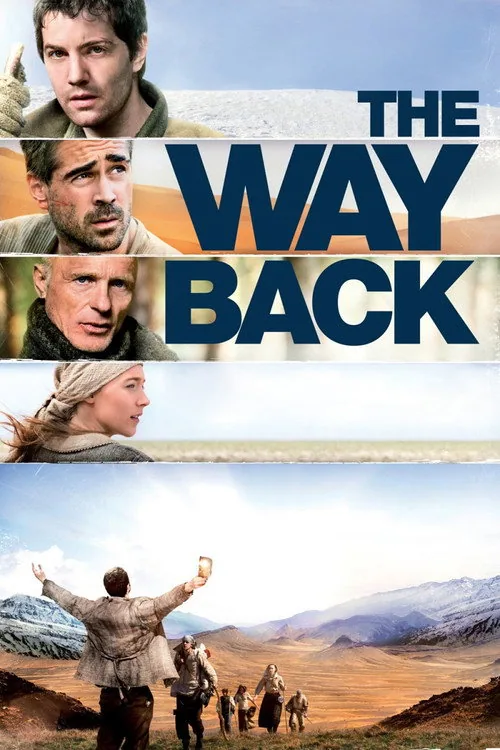
What changes Hunger: observational opening, extended central dialogue and slow physical deterioration. The Way Back: the escape gives way to a series of environmental ordeals across changing terrain..
During the Second World War, a Polish prisoner escapes a Soviet labor camp with a small group of men. They travel south across Siberia, the Gobi Desert, and the Himalayas, relying on one another through hunger, weather, and exhaustion. Their route leads toward British India, but the long journey repeatedly tests the group’s capacity to keep moving and to care for its weakest members. Peter Weir’s survival drama follows the trek in stark landscapes and is based on a disputed memoir.
Based on recorded story, mood and style. Your preferences can change the order.
Political resistance · Survival
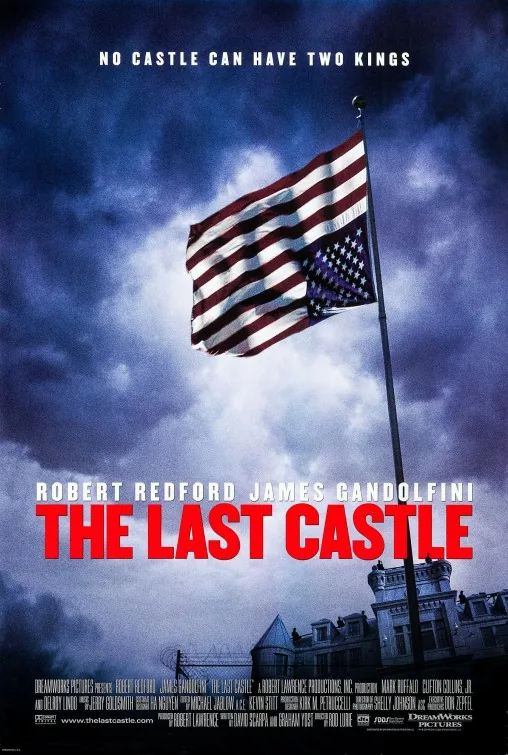
What changes Hunger: observational opening, extended central dialogue and slow physical deterioration. The Last Castle: measured and escalating.
A decorated general is sent to a military prison after a court-martial and clashes with the commandant over the treatment of the inmates. What begins as a dispute over authority develops into an organized challenge to the prison's abusive system, drawing former soldiers into a difficult test of discipline and solidarity. The film frames rebellion as a conflict between rank and moral leadership, with the prison's structure turning every act of resistance into a public choice.
Based on recorded story, mood and style. Your preferences can change the order.
Political resistance
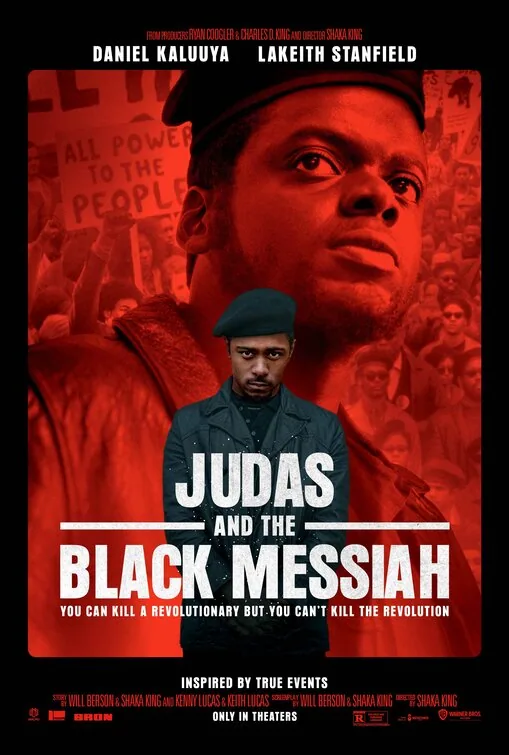
What changes Hunger: observational opening, extended central dialogue and slow physical deterioration. Judas and the Black Messiah: a tightening political drama builds toward coordinated state violence.
FBI informant William O’Neal infiltrates the Illinois Black Panther Party and grows close to its chairman Fred Hampton. The film follows the pressure between O’Neal’s coercive bargain with federal agents and Hampton’s political organizing, community programs, and coalition-building. Its dual focus keeps personal betrayal beside institutional power, asking how surveillance and self-preservation shape lives during a charged historical moment.
Based on recorded story, mood and style. Your preferences can change the order.
Political resistance
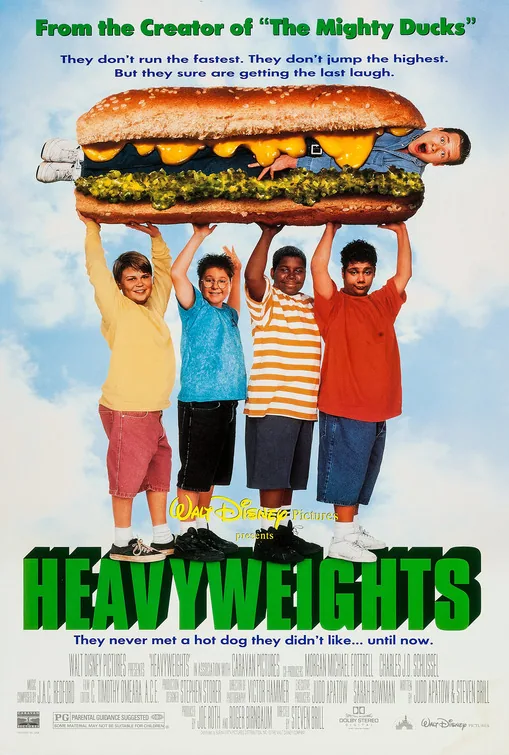
What changes Hunger: observational opening, extended central dialogue and slow physical deterioration. Heavyweights: camp routines shift into an organized revolt against the new program.
Gerry Garner is sent to Camp Hope, a summer weight-loss camp, where he makes friends among the boys and discovers their stash of junk food. The camp changes hands to fitness entrepreneur Tony Perkis, who replaces its games with punishing workouts and plans to use the campers in an infomercial. The boys organize against him, turning a camp comedy into a story about friendship and self-respect.
Based on recorded story, mood and style. Your preferences can change the order.
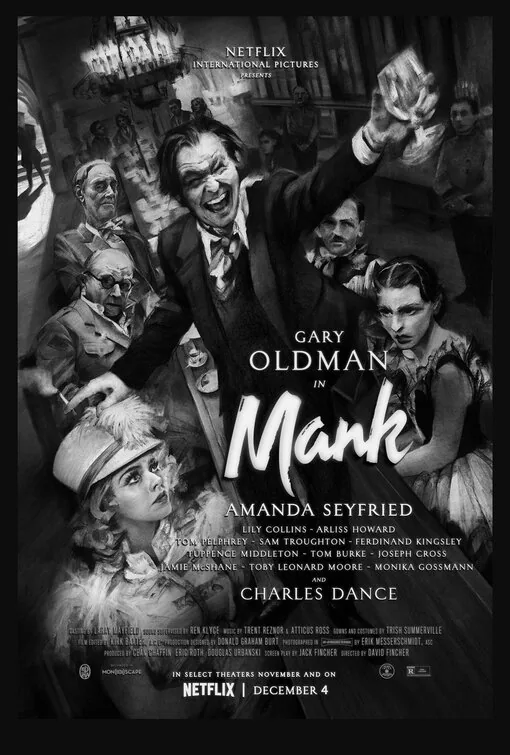
What changes Hunger: observational opening, extended central dialogue and slow physical deterioration. Mank: interwoven and process-focused.
Screenwriter Herman J. Mankiewicz works on the screenplay that will become Citizen Kane while recovering at a secluded ranch. Flashbacks follow his encounters with Hollywood power brokers, political campaigning, and the film industry's social circles as he develops a story shaped by personal observation. David Fincher's black-and-white drama explores creative credit and influence through a stylized portrait of a writer navigating a system that rewards access while contesting who authored a celebrated film.
Set in Northern Ireland’s Maze Prison in 1981, Steve McQueen’s film follows republican prisoners protesting their treatment, then focuses on Bobby Sands and his decision to begin a hunger strike. The film moves from the routines and violence of prison life to a lengthy conversation between Sands and a Catholic priest debating the consequences of self-starvation. Michael Fassbender’s physically demanding performance anchors a spare, formally controlled drama about political conviction, bodily autonomy, and sacrifice.
What drives the story
The prison protest culminates in Sands’s choice to use a hunger strike, forcing an argument about conviction and its human cost.
The people at its centre
Sands’s exchanges with the priest make competing moral positions audible without reducing either man to a simple opponent.
What it feels like
The formally austere film contains prolonged prison routines, physical suffering, and a central dialogue sequence with little conventional action.
Worth knowing
It concentrates on the immediate prison protest and Sands’s body, rather than offering a broad chronological account of the Troubles.
Political resistanceBodily autonomyConviction and sacrifice
Mood
Austere · Harsh · Contemplative
Pacing
Observational opening · Extended central dialogue · Slow physical deterioration