Explore films connected to I Swear through disability and understanding, self-advocacy, dignity and belonging. Choose the qualities you want to carry into your next watch.
What should feel similar?
Find your next favourite
9 films · Closest overall matches
Hide films you’ve seen or don’t want. Saved on this device.
No matches for this combination yet.
Try another option or reset your choices to see more films.
Based on recorded story, mood and style. Your preferences can change the order.
What changes I Swear: life-spanning episodes and character-led emotional build. The King of Staten Island: character-led, episodic and gradual emotional movement.
Scott Carlin is a 24-year-old high-school dropout living with his mother and sister on Staten Island. He dreams of becoming a tattoo artist but spends much of his time avoiding responsibility and processing the childhood loss of his firefighter father. When his mother begins dating Ray, a firefighter with a son of his own, Scott’s resistance pushes him into new relationships and an unexpected stay at Ray’s firehouse. This comedy-drama draws on Pete Davidson’s background for a patient portrait of grief, arrested adulthood, and the uneven steps toward independence.
Based on recorded story, mood and style. Your preferences can change the order.
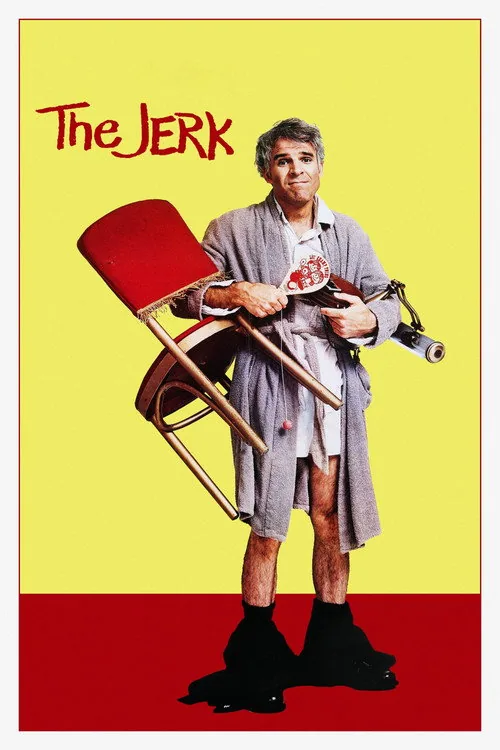
What changes I Swear: life-spanning episodes and character-led emotional build. The Jerk: loose episodic structure and gag-driven.
Navin Johnson leaves the loving family that raised him after learning that he was adopted, convinced that the outside world is waiting for him. His cheerful ignorance leads him through a series of jobs, romances, sudden wealth, and absurd setbacks as he tries to find where he belongs. Carl Reiner directs Steve Martin in an episodic comedy that turns a rags-to-riches story into a satire of luck, ambition, and self-importance, with physical gags and a deliberately foolish central character carrying the journey.
Based on recorded story, mood and style. Your preferences can change the order.
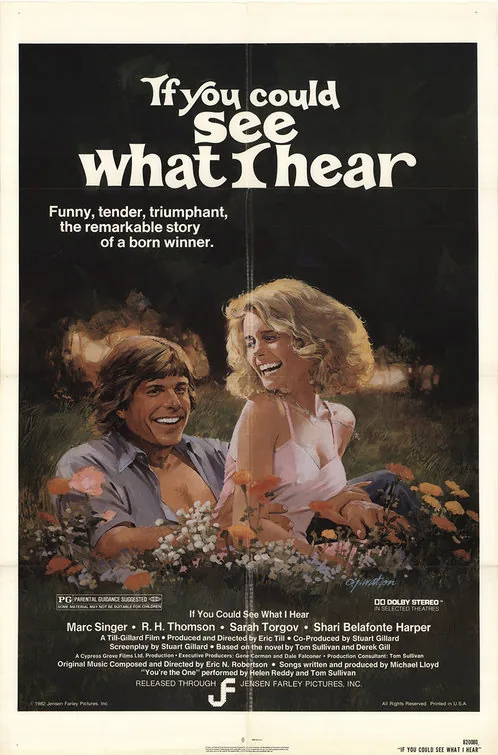
What changes I Swear: life-spanning episodes and character-led emotional build. If You Could See What I Hear: biographical episodes across several years.
Based on the life of musician and disability advocate Tom Sullivan, the film follows a young blind man through school, friendships and romantic relationships as he seeks greater independence. He faces everyday assumptions about blindness as well as moments when other people underestimate what he can do. The story presents disability through an earnest biographical melodrama and centers companionship, self-direction and access.
Based on recorded story, mood and style. Your preferences can change the order.
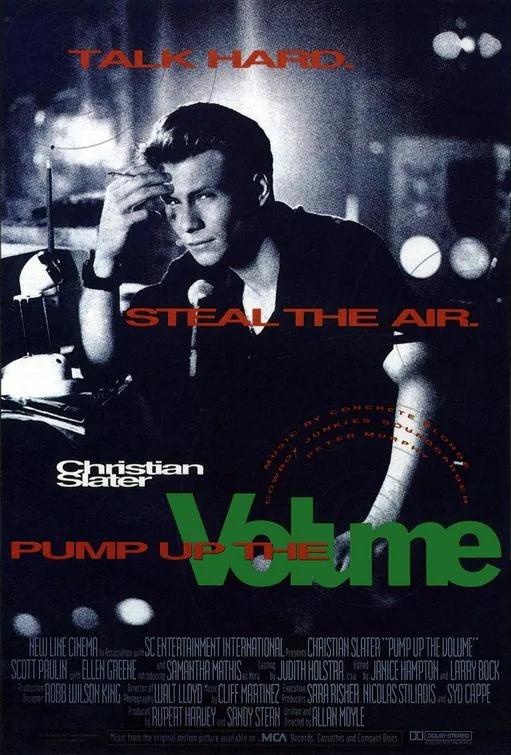
What changes I Swear: life-spanning episodes and character-led emotional build. Pump Up the Volume: alternates between nighttime radio monologues and daytime school pressures before a public climax.
By day, Mark Hunter is a withdrawn high-school student in a Phoenix suburb; at night he broadcasts from a pirate FM station in his parents’ basement as the provocative Happy Harry Hard-on. Listeners at school begin responding to his candid rants about loneliness, authority and the hypocrisies of their community. After one vulnerable student reaches out and tragedy follows, Mark has to reckon with the influence he has gained and the limits of speaking through an anonymous persona. When school officials move against the station, his private outlet becomes a public fight over who gets to speak and be heard.
Based on recorded story, mood and style. Your preferences can change the order.
What changes I Swear: life-spanning episodes and character-led emotional build. Pillion: chance encounter opens a new world, relationship rules develop over time and colin tests his boundaries and needs.
Colin, a shy young man still living within his family's expectations, meets Ray, the charismatic leader of a motorcycle club. Colin is drawn into Ray's highly structured world and their relationship develops around a pronounced imbalance of control, desire, and care. As he becomes a passenger on Ray's bike and in his life, Colin discovers both the pleasures and limits of surrendering agency. This British romantic drama uses comedy and BDSM dynamics to explore queer intimacy, self-definition, and the difference between being accepted by a partner and reshaping oneself to fit them.
Based on recorded story, mood and style. Your preferences can change the order.
What changes I Swear: life-spanning episodes and character-led emotional build. Patch Adams: a life-changing decision leads into school conflicts and personal loss.
After a period of personal crisis, Hunter Adams enters medical school and finds that humor helps him connect with patients whom conventional routines leave unseen. His methods clash with faculty expectations and raise questions about professional rules, while friendships and a developing romance shape his time at school. Tom Shadyac’s comedy-drama presents medicine as both a technical discipline and a human relationship, following Adams’s effort to preserve empathy inside an institution focused on standards and hierarchy.
Based on recorded story, mood and style. Your preferences can change the order.
What changes I Swear: life-spanning episodes and character-led emotional build. Win Win: community setup, sports and family routines and ethical reveal and repair.
New Jersey lawyer Mike Flaherty volunteers to become guardian of an elderly client partly to stabilize his struggling practice. When the client's teenage grandson Kyle arrives, Mike discovers that the boy is a talented wrestler and brings him onto his high-school team. Mike's family and friends grow attached to Kyle, but a hidden financial arrangement threatens their trust. Tom McCarthy's comedy-drama finds decency and discomfort in a small community whose good intentions are mixed with practical self-interest.
Based on recorded story, mood and style. Your preferences can change the order.
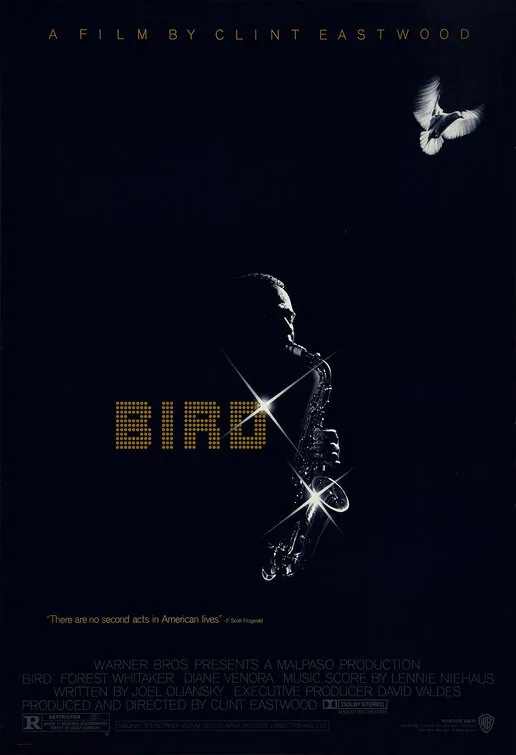
What changes I Swear: life-spanning episodes and character-led emotional build. Bird: nonlinear biographical portrait, recurring musical passages and memory-led transitions.
The film follows jazz saxophonist Charlie Parker from his early Kansas City performances into the New York bebop scene and his turbulent life with Chan Parker. Success brings periods of exhilaration and collapse, while drug and alcohol dependence repeatedly interrupts his playing and relationships. Chan helps reconnect him with work and family life, but Parker’s health and artistic drive remain difficult to separate. Told through shifting memories and music, the portrait moves between performance, intimacy and breakdown, framing bebop as a creative revolution carried by a life under strain.
Based on recorded story, mood and style. Your preferences can change the order.
What changes I Swear: life-spanning episodes and character-led emotional build. The Underdoggs: brisk, episodic and game-centered.
Jaycen Jennings is a once-famous football player whose public career has fallen apart. After returning to his hometown, he is assigned community service coaching a youth team whose players have little interest in discipline or conventional sports success. Working with the children forces Jaycen to reconsider the adults who shaped him, his own arrogance and the value of showing up for others. The comedy follows a redemption arc through neighborhood sport and intergenerational mentorship.
Based on the life of Scottish Tourette syndrome campaigner John Davidson, the film follows him from a teenage diagnosis in the 1980s into adulthood. As involuntary tics and vocal outbursts are misunderstood by people around him, he faces exclusion at school, strained family relationships, and barriers to ordinary work and social life. Encounters with people who listen and support him help Davidson turn experience into advocacy. Kirk Jones’s biographical comedy-drama balances warmth and humor with the frustration of living in a society that often mistakes a neurological condition for deliberate behavior.
What drives the story
Davidson’s attempts to live independently lead from isolation toward a public role explaining Tourette syndrome.
The people at its centre
Family, peers, and later allies shape his experience, with supportive relationships helping him define his own voice.
What it feels like
The film combines accessible humor with scenes of misunderstanding and social barriers, centered on a biographical performance.
Worth knowing
Its humor is rooted in Davidson’s particular life and advocacy, not in treating Tourette syndrome as a punchline.
disability and understandingself-advocacydignity and belonging