Explore films connected to Kung Pow! Enter the Fist through revenge and destiny, martial arts parody, absurdity and genre convention. Choose the qualities you want to carry into your next watch.
What should feel similar?
Find your next favourite
9 films · Closest overall matches
Hide films you’ve seen or don’t want. Saved on this device.
No matches for this combination yet.
Try another option or reset your choices to see more films.
Based on recorded story, mood and style. Your preferences can change the order.
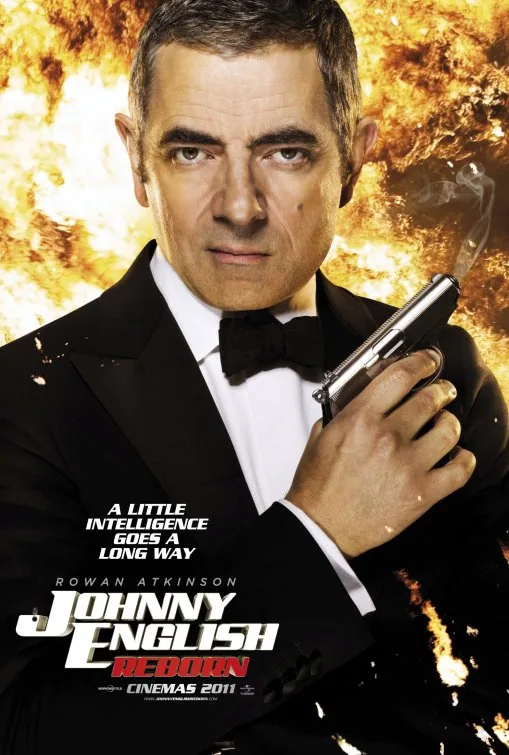
What changes Kung Pow! Enter the Fist: quest and training establish parody, dojo encounters add running jokes and final duel fulfills revenge premise. Johnny English Reborn: brisk and escalating.
A disgraced spy returns from a period of retreat when an assassination plot appears connected to the mission that ruined him. Recovering his memory and locating three parts of a weapon require cooperation with a junior agent whose warnings he is too ready to dismiss. Trusted colleagues and recurring mistaken identities make institutional familiarity a poor guide to safety. The sequel adds fragments of genuine discipline to its hero's comic vanity, turning redemption into a struggle to distinguish a flattering ally from a useful subordinate.
Based on recorded story, mood and style. Your preferences can change the order.
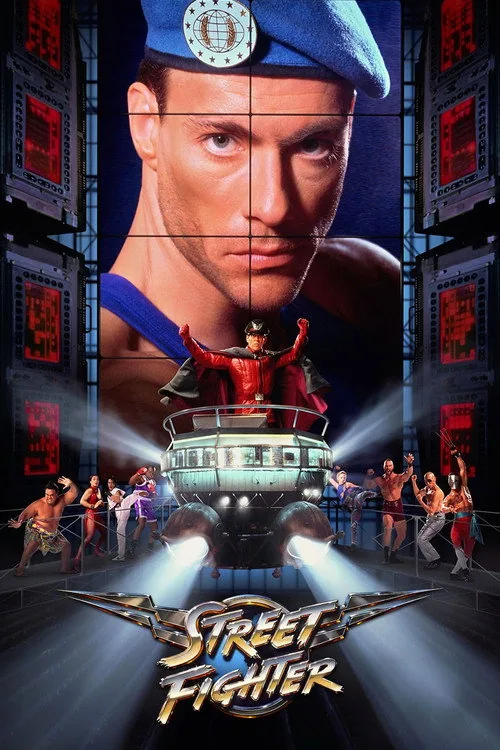
What changes Kung Pow! Enter the Fist: quest and training establish parody, dojo encounters add running jokes and final duel fulfills revenge premise. Street Fighter: multi-strand action, broad comic beats and deadline-driven climax.
In the fictional country of Shadaloo, General M. Bison holds international relief workers hostage and demands an enormous ransom. Colonel Guile leads the Allied Nations forces trying to locate Bison’s base, while martial artists Ryu and Ken become entangled in the conflict through an arms-dealing scheme. Journalist Chun-Li pursues her own vendetta, and Bison’s experiments threaten to turn a captured soldier into a weapon. Steven E. de Souza’s adaptation turns the fighting-game cast into a campy military action ensemble.
Based on recorded story, mood and style. Your preferences can change the order.
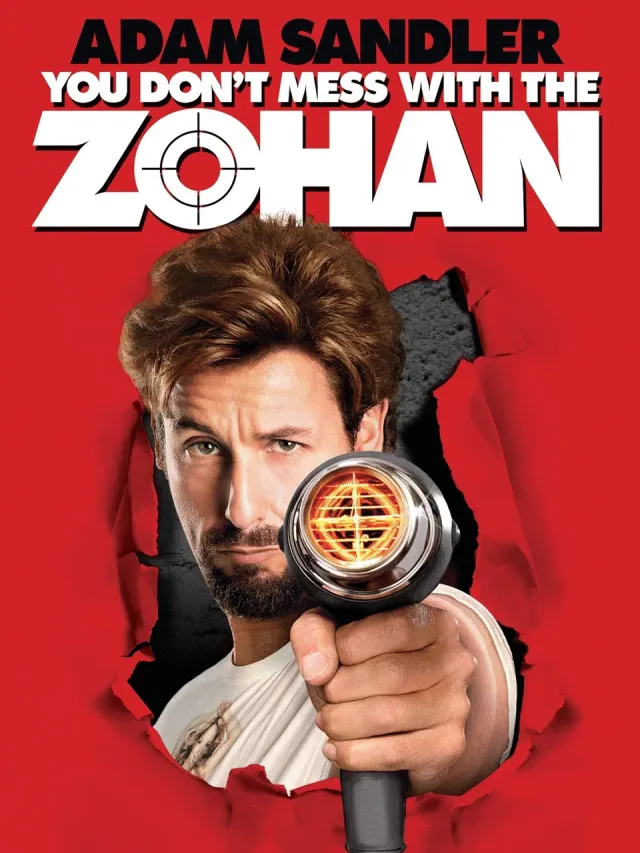
What changes Kung Pow! Enter the Fist: quest and training establish parody, dojo encounters add running jokes and final duel fulfills revenge premise. You Don't Mess with the Zohan: broad escalation.
Zohan Dvir is an elite Israeli counterterrorism operative who secretly wants to leave combat and become a hairdresser in New York. He fakes his death, finds work in a salon run by Dalia, and tries to build a peaceful life while keeping his identity hidden. His former enemies and the expectations attached to his old role eventually follow him, forcing the skilled fighter to decide what a new identity means when the past is still visible. Adam Sandler’s broad action-comedy mixes physical gags with a deliberately exaggerated conflict between public image and private ambition. The premise aims for absurdity, but its humour can date unevenly because it depends on ethnic caricature.
Based on recorded story, mood and style. Your preferences can change the order.
What changes Kung Pow! Enter the Fist: quest and training establish parody, dojo encounters add running jokes and final duel fulfills revenge premise. Year One: two exiles stumble into familiar biblical stories while trying to rescue their partners..
After eating from the Tree of Knowledge, hunter Zed is banished from his Stone Age village and travels with the timid gatherer Oh. Their journey passes through encounters with Cain and Abel, Abraham, and other biblical figures before they reach the Bronze Age city of Sodom. There they discover that the women they love have been captured and enslaved, and they become entangled in a palace plot involving a prophecy and a planned sacrifice. Harold Ramis’s adventure comedy uses ancient settings for an irreverent parody of Genesis stories and historical epics.
Based on recorded story, mood and style. Your preferences can change the order.
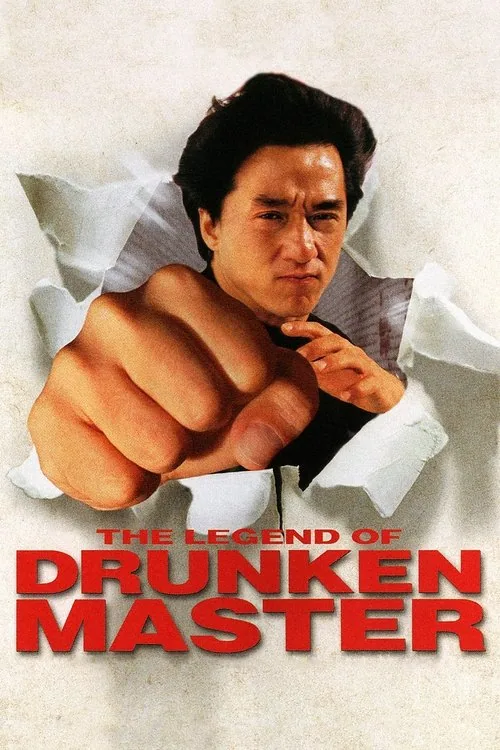
What changes Kung Pow! Enter the Fist: quest and training establish parody, dojo encounters add running jokes and final duel fulfills revenge premise. Drunken Master II: journey and mistaken exchange, comic home complications and extended martial-arts showdown.
On a journey home to Canton, martial-arts master Wong Fei-hung accidentally exchanges boxes with a stranger and unknowingly takes a valuable Imperial Seal sought by British smugglers. Back home, the relic brings danger to his family, while Wong's use of drunken boxing draws his father's anger and threatens their reputation. As foreign agents pursue the artifact and local officials look away, Wong must defend the seal and confront the cost of his reckless fighting style. The comedy builds toward elaborate, physically inventive kung-fu battles.
Based on recorded story, mood and style. Your preferences can change the order.
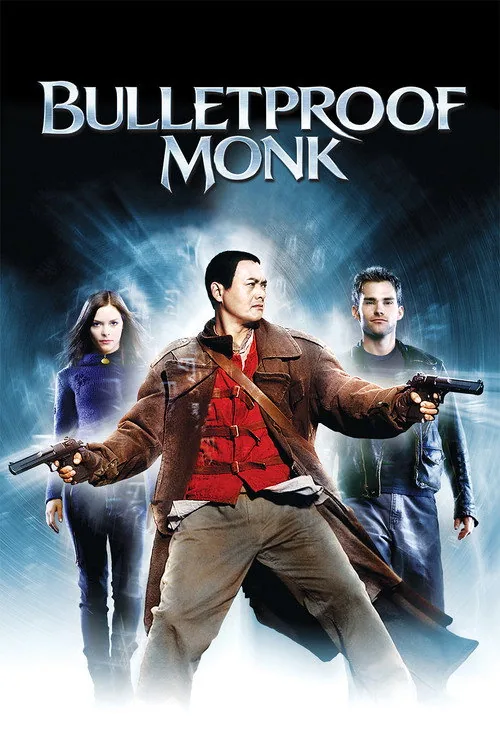
What changes Kung Pow! Enter the Fist: quest and training establish parody, dojo encounters add running jokes and final duel fulfills revenge premise. Bulletproof Monk: prophecy and city encounter, training and pursuit and warehouse and rooftop action climax.
A nameless Tibetan monk has guarded a powerful scroll for decades, fleeing Nazi soldiers and later arriving in modern New York. He spots a pickpocket named Kar as a possible successor and begins training him while a ruthless descendant of the Nazi colonel hunts the scroll. Kar's street instincts, the monk's martial-arts skill, and the help of Jade become essential as the pursuers close in. The action comedy mixes ancient prophecy with urban chase scenes and the question of whether a selfish young man can become a worthy protector.
Based on recorded story, mood and style. Your preferences can change the order.
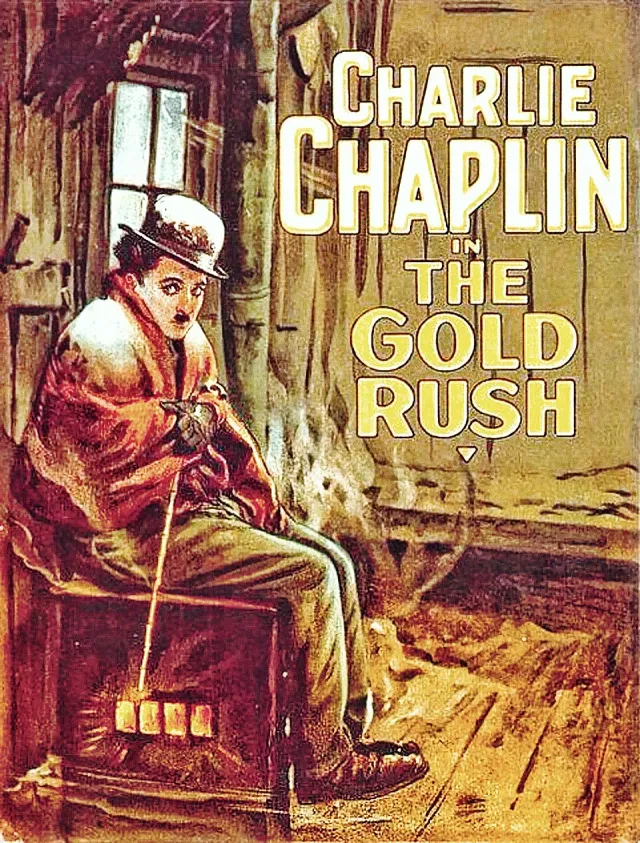
What changes Kung Pow! Enter the Fist: quest and training establish parody, dojo encounters add running jokes and final duel fulfills revenge premise. The Gold Rush: survival farce and romantic turn.
A solitary prospector known as the Little Tramp is caught in a Klondike blizzard and takes refuge in a cabin with a wanted man and another miner. Hunger, rivalry and an unlikely friendship drive the opening survival comedy; later, the Tramp imagines a romance with Georgia while trying to appear prosperous enough to win her attention. Charlie Chaplin turns cold, scarcity and social embarrassment into carefully composed physical gags, including the famous cabin meal. The story shifts from danger in the wilderness to the fragile hope of being loved, making hardship and longing parts of the same comic persona.
Based on recorded story, mood and style. Your preferences can change the order.
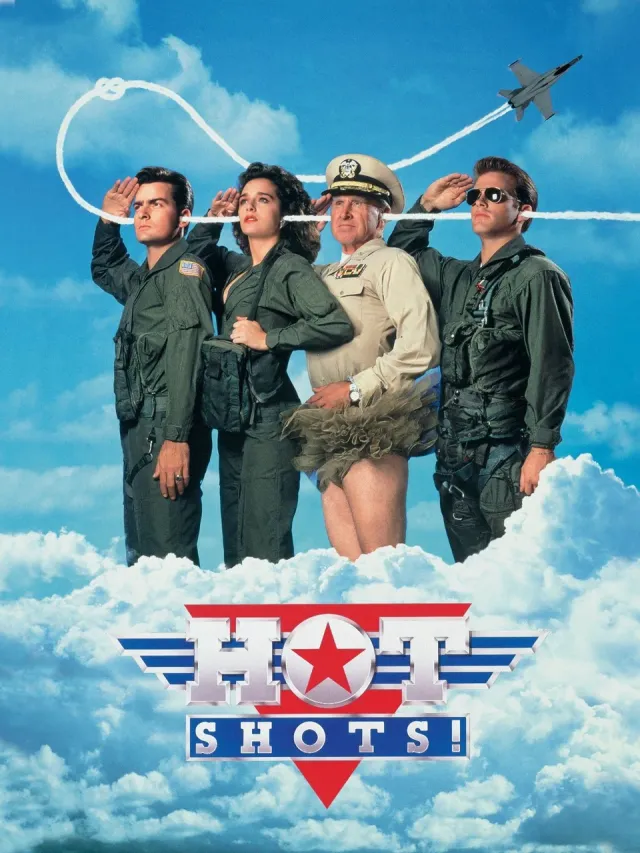
What changes Kung Pow! Enter the Fist: quest and training establish parody, dojo encounters add running jokes and final duel fulfills revenge premise. Hot Shots!: rapid-fire.
A former fighter pilot is drawn back into military service when a new conflict requires an improbable rescue mission. The setup and characters deliberately echo familiar combat dramas, while the film continually interrupts its own action with wordplay, visual jokes, and genre parody. Its adventure depends on audiences recognizing the conventions being exaggerated, so heroic posturing and battlefield tension become material for a fast comic routine.
Based on recorded story, mood and style. Your preferences can change the order.
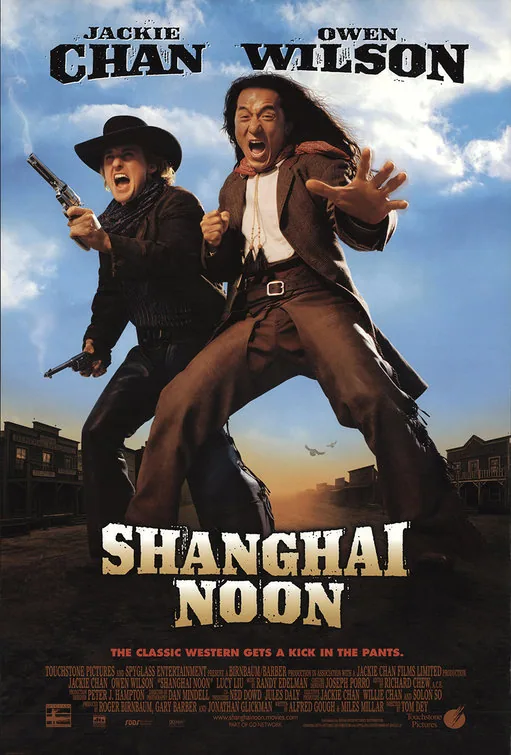
What changes Kung Pow! Enter the Fist: quest and training establish parody, dojo encounters add running jokes and final duel fulfills revenge premise. Shanghai Noon: brisk, journey-based and comic.
Chinese Imperial Guard Chon Wang travels to Nevada when Princess Pei-Pei is kidnapped from the Forbidden City, and ends up partnering with outlaw Roy O’Bannon after a train robbery goes wrong. Pei-Pei initially believes she has escaped an arranged marriage, then learns that rebel Lo Fong has used her flight to secure a ransom. Wang and Roy follow her trail through frontier towns while Roy teaches him cowboy habits and Wang’s martial-arts skill repeatedly overturns their plans. A parallel relationship with Falling Leaves makes Wang question his assumptions about belonging and romance.
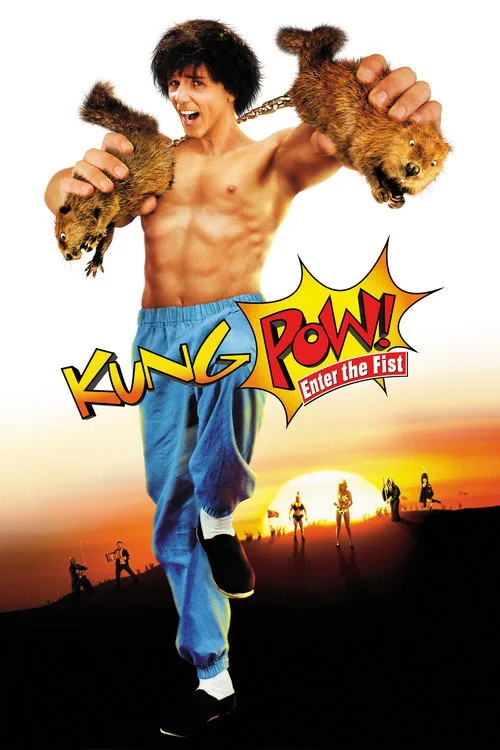
The Chosen One wanders the countryside seeking the warrior who murdered his family when he was an infant. He trains under the eccentric Master Tang, whose dojo includes Wimp Lo, deliberately taught incorrectly, and Ling, who harbors feelings for the newcomer. The hero's quest grows into a confrontation with the formidable Betty, while deliberately absurd dubbing, mismatched footage, and anachronistic jokes turn the martial-arts revenge plot into a sustained parody.
What drives the story
A wandering fighter follows a revenge quest while training with an eccentric master and confronting a martial-arts rival.
The people at its centre
The Chosen One's solemn hero persona is constantly undercut by Tang, Wimp Lo, Ling, and the film's intrusive jokes.
What it feels like
A rapid-fire parody combines new performances with repurposed Hong Kong fight footage and intentionally awkward dubbing.
Worth knowing
Its comedy comes from remixing martial-arts cinema itself, rather than presenting a straight adventure with occasional comic relief.
revenge and destinymartial arts parodyabsurdity and genre convention
Mood
silly · surreal · irreverent
Pacing
quest and training establish parody · dojo encounters add running jokes · final duel fulfills revenge premise
Visual style
new footage composited into older martial-arts film · deliberately mismatched dubbing · broad visual gags and exaggerated fights
Storytelling
chosen hero searches for his family's killer · eccentric master trains an unusual student · recycled martial-arts footage becomes comic world