Both share themes of survival, plus a satirical and apocalyptic atmosphere.
Why this matches +
Genres: Horror / Thriller
Shared film traits
Based on recorded story, mood and style. Your preferences can change the order.
Survival
What changes Land of the Dead: a mercenary’s armored vehicle becomes the center of a standoff between a tower elite and advancing zombies.. Dawn of the Dead: siege episodes shift between survival routines and violent breaches.
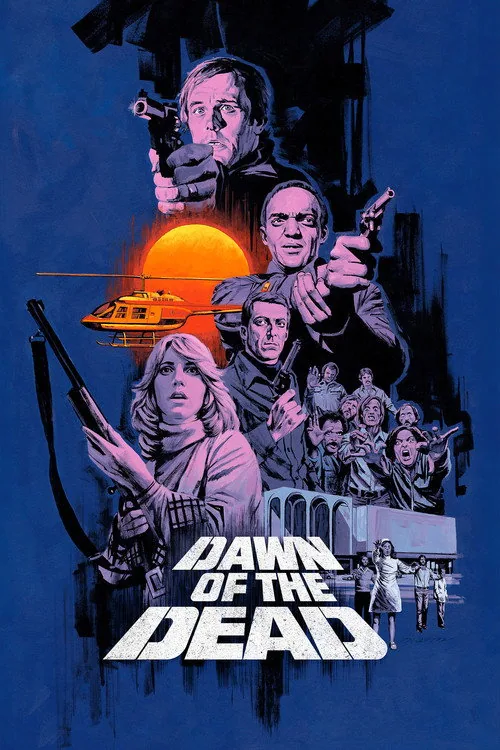
As a zombie outbreak overwhelms Philadelphia, television producer Francine, pilot Stephen, and police officers Roger and Peter escape by helicopter and take shelter in a shopping mall. They clear the building, secure its entrances, and enjoy its supplies, but grief, boredom, and a later invasion by a biker gang erode the safety they have created. George A. Romero’s horror sequel uses the mall as both a survival base and a pointed image of consumer culture under collapse.
Based on recorded story, mood and style. Your preferences can change the order.
Survival
What changes Land of the Dead: a mercenary’s armored vehicle becomes the center of a standoff between a tower elite and advancing zombies.. The Dead Don't Die: two police officers try to manage a zombie outbreak in a town that is slow to accept what is happening..
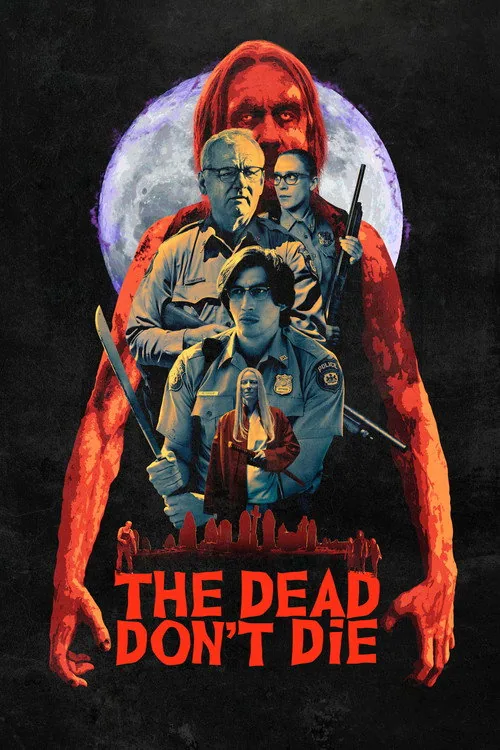
In the quiet town of Centerville, police officers Cliff Robertson and Ronnie Peterson investigate strange disruptions that precede the dead returning as zombies. The invasion spreads through the community while a range of residents prepare, flee, or remain bewildered by the threat. Jim Jarmusch’s ensemble film uses familiar zombie-movie violence as the basis for dry humor, commentary on consumption and environmental damage, and jokes about filmmaking itself. Its deliberately repetitive, deadpan style makes the small town and its characters feel trapped inside a self-aware genre story.
Based on recorded story, mood and style. Your preferences can change the order.
Survival
What changes Land of the Dead: a mercenary’s armored vehicle becomes the center of a standoff between a tower elite and advancing zombies.. Army of the Dead: countdown structure with ensemble action.
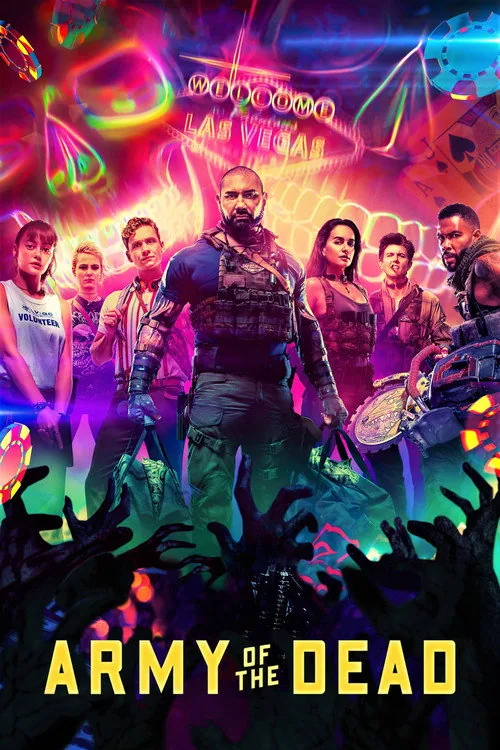
Six years after a zombie outbreak leaves Las Vegas quarantined, casino owner Bly Tanaka asks former resident Scott Ward to recover money from a vault before the government destroys the city. Ward assembles a team of mercenaries, a safecracker, a pilot, and other specialists, while his estranged daughter becomes involved in the dangerous plan. The film mixes a deadline-driven heist with zombie action and family conflict inside a sealed city.
Based on recorded story, mood and style. Your preferences can change the order.
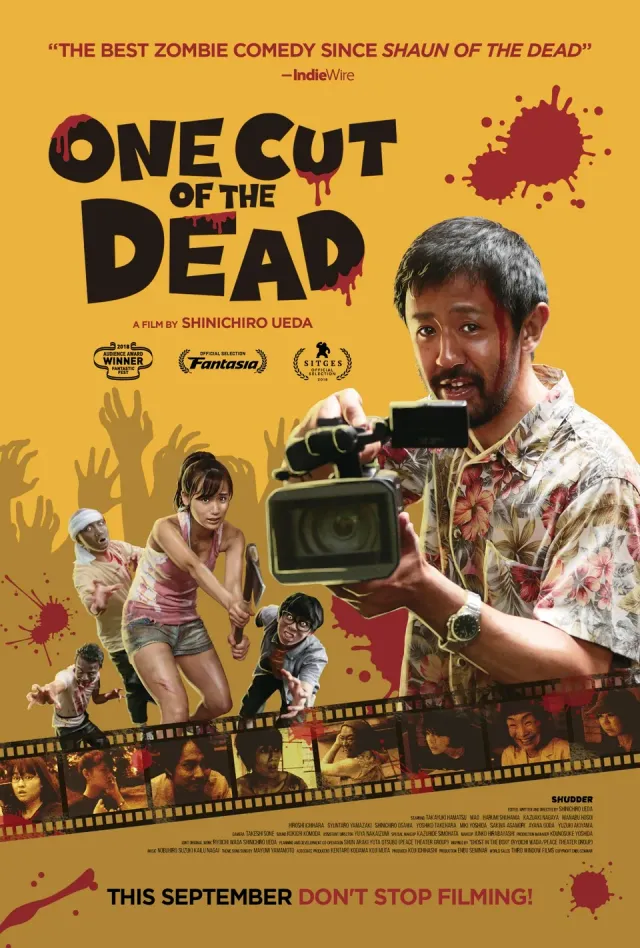
What changes Land of the Dead: a mercenary’s armored vehicle becomes the center of a standoff between a tower elite and advancing zombies.. One Cut of the Dead: slow-burn opening, perspective shift and comic payoff.
A small film crew shoots a zombie movie inside an abandoned water-treatment plant, where the determined director keeps the cameras rolling as strange events unfold. The story then widens beyond the apparent one-take horror scene, revealing the people, pressures, and improvised planning behind the production. This Japanese comedy-horror turns low-budget filmmaking into both its subject and its source of surprises, moving from undead chaos toward an affectionate portrait of creative teamwork.
Both share themes of survival, plus a grim atmosphere.
Why this matches +
Genres: Horror / Thriller
Shared film traits
Based on recorded story, mood and style. Your preferences can change the order.
Survival
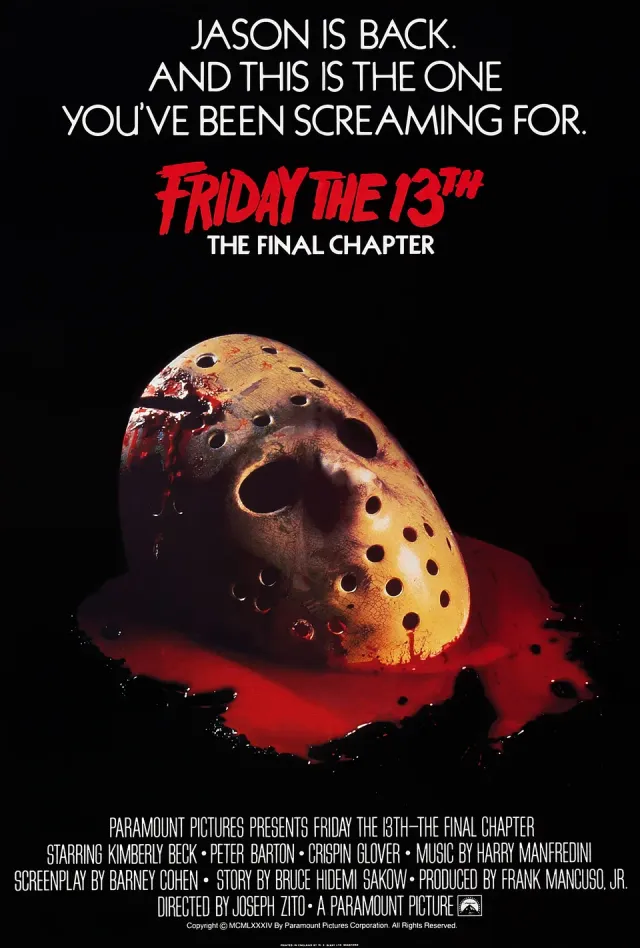
What changes Land of the Dead: a mercenary’s armored vehicle becomes the center of a standoff between a tower elite and advancing zombies.. Friday the 13th: The Final Chapter: fast and escalating.
Declared dead after another massacre, Jason returns to threaten both a neighboring holiday group and the Jarvis household. A brother and sister's home becomes entangled with the same violence consuming the visiting teenagers, making family defense more central than in the earlier camp stories. Young Tommy's interest in making monster effects becomes a resource for understanding and distracting a real attacker. The film intensifies the series' physical violence while shifting the final confrontation toward siblings protecting each other.
Based on recorded story, mood and style. Your preferences can change the order.
Survival
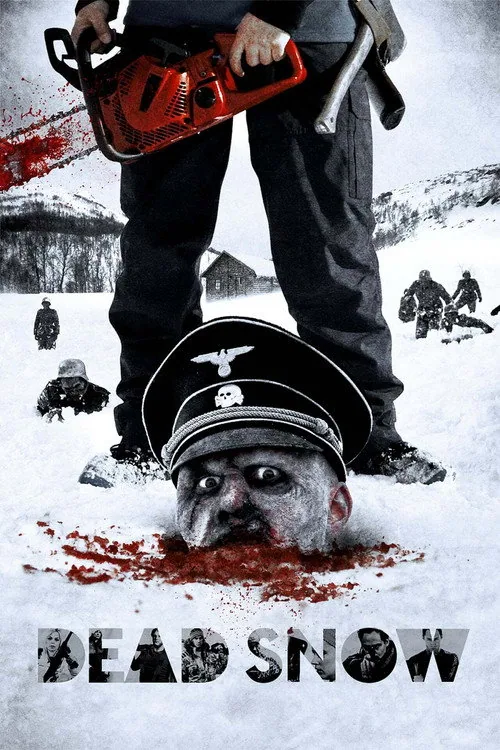
What changes Land of the Dead: a mercenary’s armored vehicle becomes the center of a standoff between a tower elite and advancing zombies.. Dead Snow: slow warning and discovery, sudden splatter escalation and action-comedy survival.
A group of medical students travel to a remote Norwegian mountain cabin for an Easter holiday, where a local visitor warns them about Nazi soldiers who once hid in the area. The students discover a cache of valuables and awaken the violent undead force guarding it. Tommy Wirkola’s horror comedy turns a secluded winter getaway into a bloody survival battle, mixing zombie action with splatter humor and historical imagery. The film contains graphic gore, including attacks by Nazi zombies.
Based on recorded story, mood and style. Your preferences can change the order.
Survival
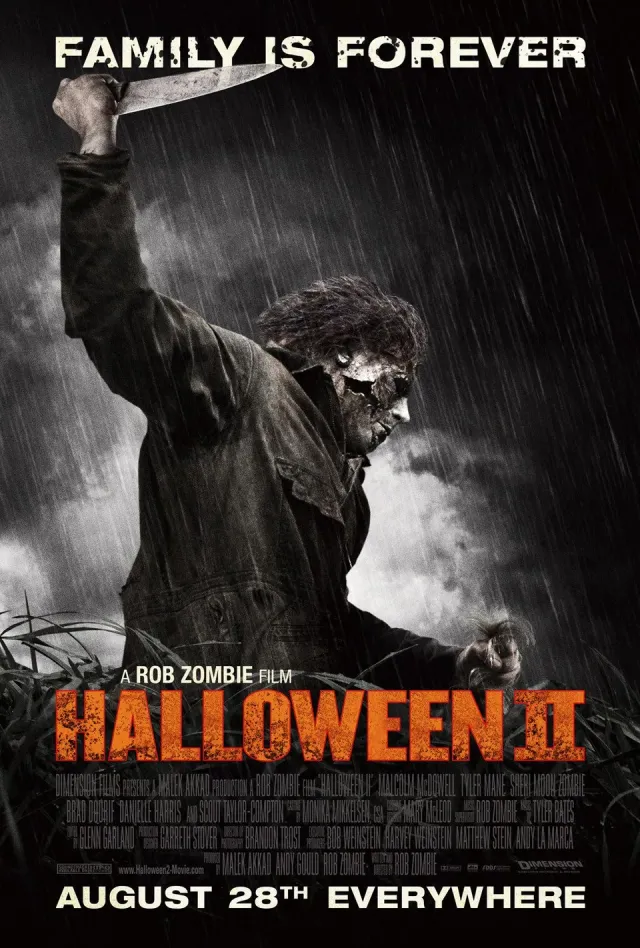
What changes Land of the Dead: a mercenary’s armored vehicle becomes the center of a standoff between a tower elite and advancing zombies.. Halloween II: relentless and fragmented.
After the events of the previous film, Laurie struggles with trauma while Michael Myers continues to pursue her and those around her. The story moves through a bleak Midwestern town and revisits the franchise’s family connection, placing psychological aftermath beside slasher pursuit. Rob Zombie’s sequel emphasizes abrasive imagery and raw distress, making the experience less about a puzzle of identity than about survivors living under the continuation of violence.
Based on recorded story, mood and style. Your preferences can change the order.
Survival
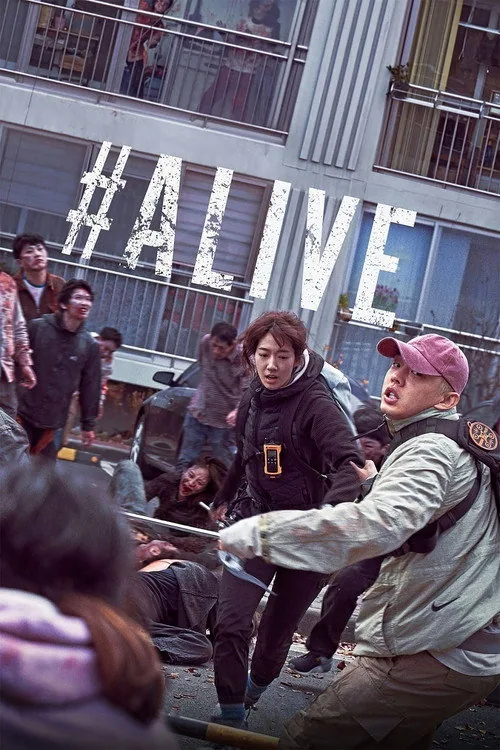
What changes Land of the Dead: a mercenary’s armored vehicle becomes the center of a standoff between a tower elite and advancing zombies.. #Alive: solitary survival opening, parallel apartment tension and rooftop rescue climax.
When a zombie outbreak overwhelms Seoul, video-game player Oh Joon-woo is trapped alone in his family's apartment as phones and utilities begin to fail. He uses a drone and social media to assess the streets, then discovers another survivor, Kim Yoo-bin, in a nearby building. The pair coordinate across balconies and hallways while rationing food, avoiding the infected, and resisting despair. This Korean survival thriller turns a familiar apartment block into a vertical maze and treats digital connection as both a practical tool and an emotional lifeline.
Based on recorded story, mood and style. Your preferences can change the order.
Survival
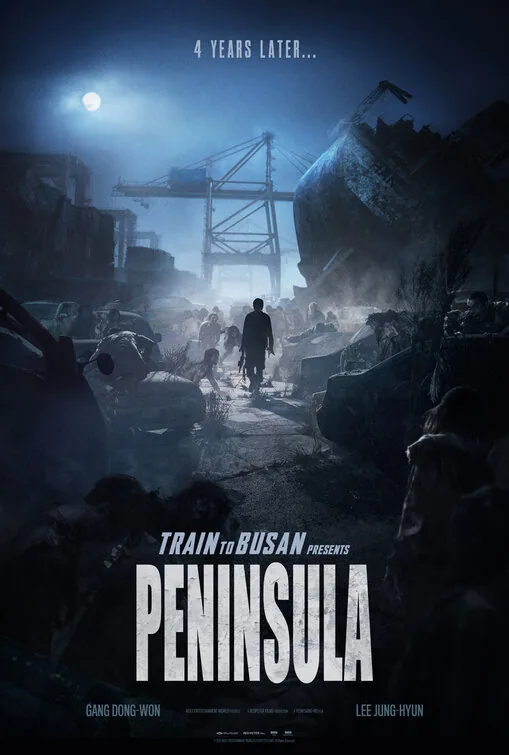
What changes Land of the Dead: a mercenary’s armored vehicle becomes the center of a standoff between a tower elite and advancing zombies.. Peninsula: a retrieval plan evolves into a rolling escape and rescue.
Years after a zombie outbreak isolates the Korean Peninsula, former soldier Jung-seok returns with a small crew to retrieve a cash truck from the quarantine zone. The mission collapses when survivors and a violent militia become involved, forcing him to protect a family and find a way out. The action sequel expands Train to Busan’s world into a post-apocalyptic chase story about guilt, solidarity and survival.
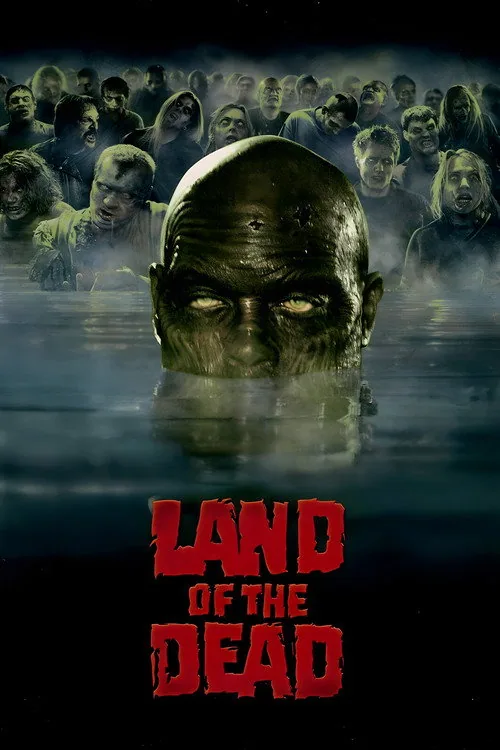
In a zombie-overrun world, wealthy survivors occupy Fiddler’s Green, a fortified tower in Pittsburgh, while poorer residents live in the streets below. Mercenary Riley Denbo leads supply runs in the armored vehicle Dead Reckoning but plans to leave the city. His former associate Cholo turns the vehicle into leverage against the tower’s ruler, Paul Kaufman, as a zombie named Big Daddy leads the undead in a more coordinated advance. George A. Romero’s horror film returns to his zombie cycle with a siege story about class division, exploitation, and a population beginning to adapt.
What drives the story
Riley and his crew travel beyond the protected district to obtain supplies for city residents and for trade.
The people at its centre
Big Daddy’s growing awareness changes the zombies from a roaming threat into an organized force.
What it feels like
The film contains graphic zombie violence, gore, and social violence.
Worth knowing
Its siege narrative uses zombie behavior and a class-divided city to extend Romero’s social critique.
ClassPowerSurvival
Mood
Grim · Satirical · Apocalyptic
Pacing
A mercenary’s armored vehicle becomes the center of a standoff between a tower elite and advancing zombies.