Based on recorded story, mood and style. Your preferences can change the order.
Constructed reality
What changes The Dead Don't Die: two police officers try to manage a zombie outbreak in a town that is slow to accept what is happening.. One Cut of the Dead: slow-burn opening, perspective shift and comic payoff.
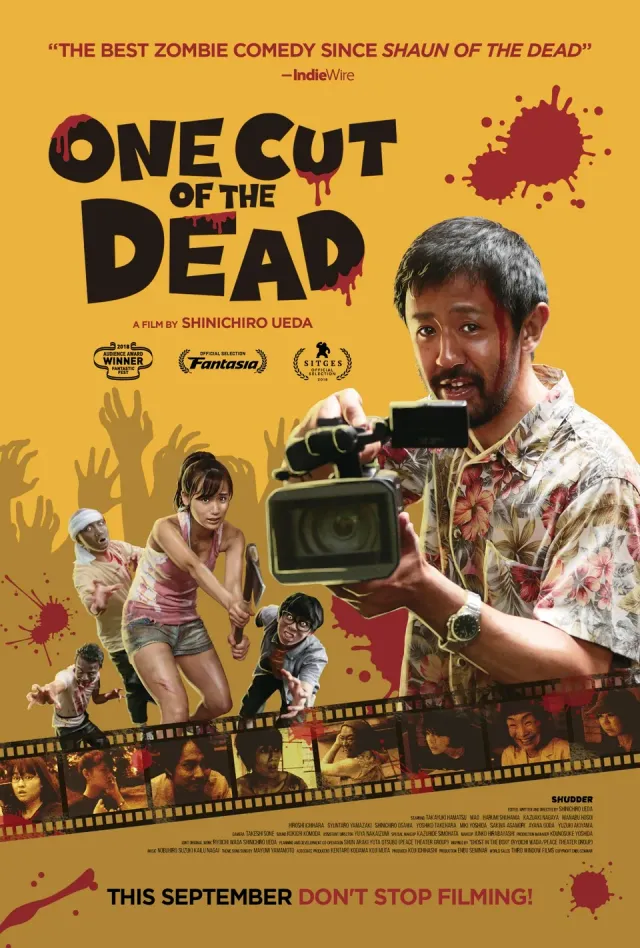
A small film crew shoots a zombie movie inside an abandoned water-treatment plant, where the determined director keeps the cameras rolling as strange events unfold. The story then widens beyond the apparent one-take horror scene, revealing the people, pressures, and improvised planning behind the production. This Japanese comedy-horror turns low-budget filmmaking into both its subject and its source of surprises, moving from undead chaos toward an affectionate portrait of creative teamwork.
Both share themes of consumerism, plus an apocalyptic atmosphere.
Why this matches +
Genres: Horror / Thriller
Shared film traits
Based on recorded story, mood and style. Your preferences can change the order.
Survival
What changes The Dead Don't Die: two police officers try to manage a zombie outbreak in a town that is slow to accept what is happening.. Dawn of the Dead: siege episodes shift between survival routines and violent breaches.
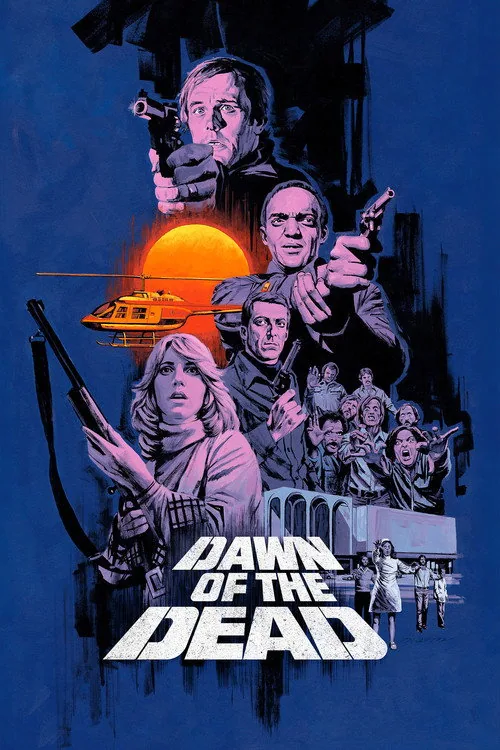
As a zombie outbreak overwhelms Philadelphia, television producer Francine, pilot Stephen, and police officers Roger and Peter escape by helicopter and take shelter in a shopping mall. They clear the building, secure its entrances, and enjoy its supplies, but grief, boredom, and a later invasion by a biker gang erode the safety they have created. George A. Romero’s horror sequel uses the mall as both a survival base and a pointed image of consumer culture under collapse.
Based on recorded story, mood and style. Your preferences can change the order.
Survival
What changes The Dead Don't Die: two police officers try to manage a zombie outbreak in a town that is slow to accept what is happening.. Zombieland: episodic journey.
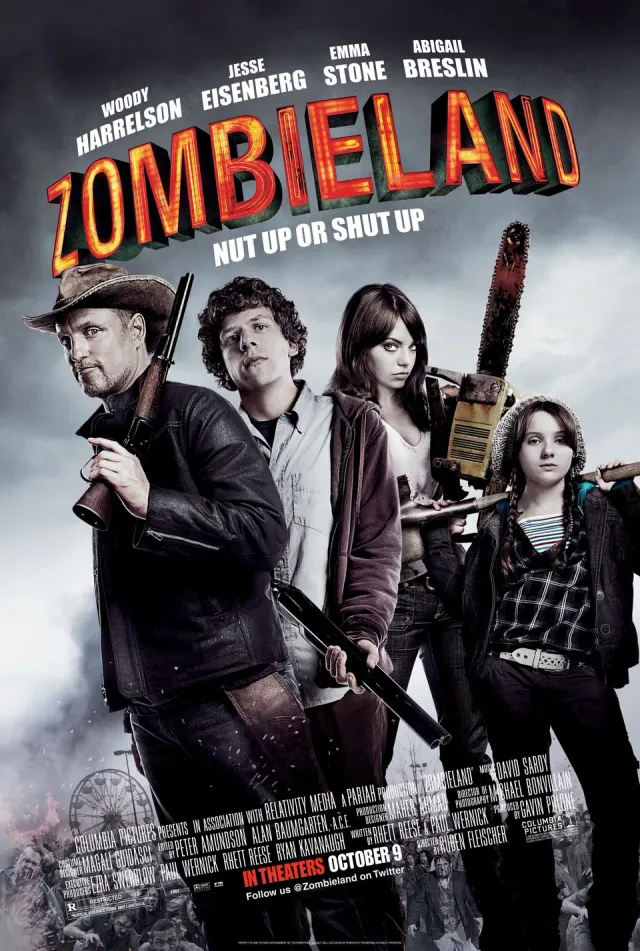
In a United States devastated by a zombie outbreak, anxious college student Columbus survives by following a strict set of rules. On the road he joins Tallahassee, a fearless hunter who is looking for Twinkies, and later sisters Wichita and Little Rock, who have learned to fend for themselves through deception. Their uneasy group travels toward a California amusement park, with each new encounter testing whether trust is more dangerous than the zombies. The horror-comedy lets the characters’ mismatched coping styles carry the road story as much as the undead threat. The film uses the rules as a way to narrate fear, then reveals that personal connection cannot be reduced to a checklist.
Based on recorded story, mood and style. Your preferences can change the order.
Survival
What changes The Dead Don't Die: two police officers try to manage a zombie outbreak in a town that is slow to accept what is happening.. Land of the Dead: a mercenary’s armored vehicle becomes the center of a standoff between a tower elite and advancing zombies..
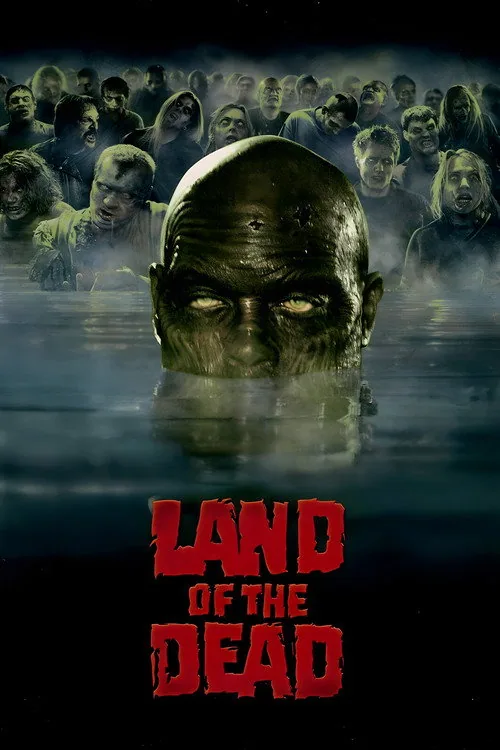
In a zombie-overrun world, wealthy survivors occupy Fiddler’s Green, a fortified tower in Pittsburgh, while poorer residents live in the streets below. Mercenary Riley Denbo leads supply runs in the armored vehicle Dead Reckoning but plans to leave the city. His former associate Cholo turns the vehicle into leverage against the tower’s ruler, Paul Kaufman, as a zombie named Big Daddy leads the undead in a more coordinated advance. George A. Romero’s horror film returns to his zombie cycle with a siege story about class division, exploitation, and a population beginning to adapt.
Based on recorded story, mood and style. Your preferences can change the order.
What changes The Dead Don't Die: two police officers try to manage a zombie outbreak in a town that is slow to accept what is happening.. Warm Bodies: measured and comic interludes.
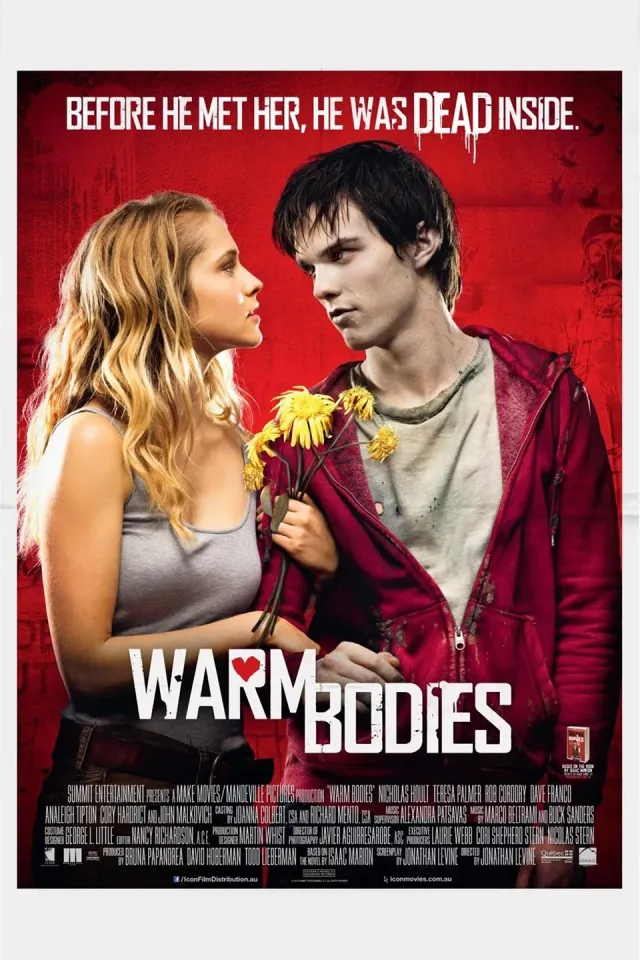
In a world divided between human survivors and the undead, a zombie unexpectedly protects a young woman after a violent encounter. Their uneasy companionship begins to awaken feelings and physical changes that challenge what both communities believe about the infection. A dryly comic inner voice and hesitant romance turn the survival setting toward communication, suggesting that recognition may matter as much as force in ending a supposedly permanent division.
Based on recorded story, mood and style. Your preferences can change the order.
Survival
What changes The Dead Don't Die: two police officers try to manage a zombie outbreak in a town that is slow to accept what is happening.. Halloween II: relentless and fragmented.
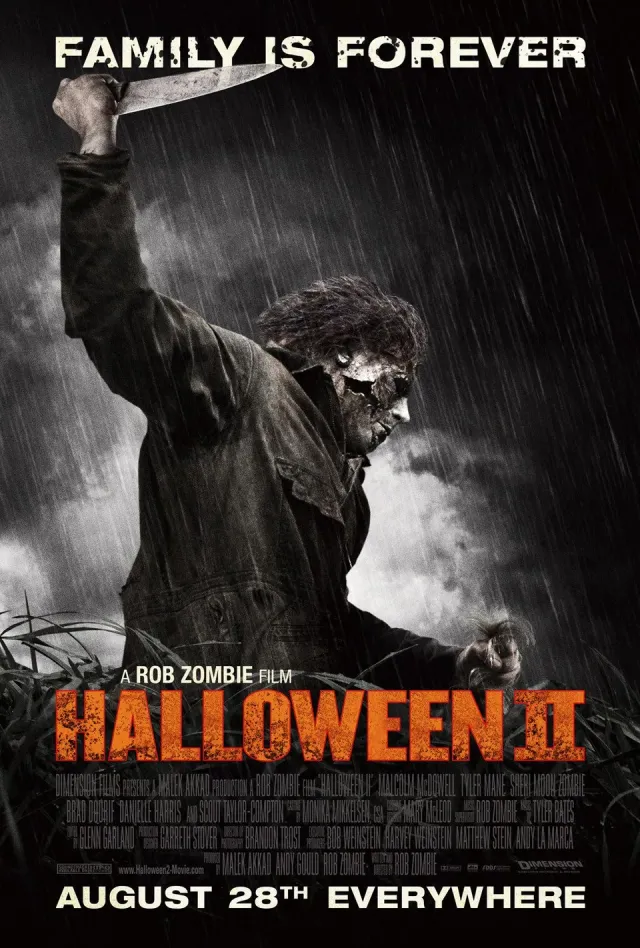
After the events of the previous film, Laurie struggles with trauma while Michael Myers continues to pursue her and those around her. The story moves through a bleak Midwestern town and revisits the franchise’s family connection, placing psychological aftermath beside slasher pursuit. Rob Zombie’s sequel emphasizes abrasive imagery and raw distress, making the experience less about a puzzle of identity than about survivors living under the continuation of violence.
Based on recorded story, mood and style. Your preferences can change the order.
Survival
What changes The Dead Don't Die: two police officers try to manage a zombie outbreak in a town that is slow to accept what is happening.. The Return of the Living Dead: one-night escalation toward catastrophe.
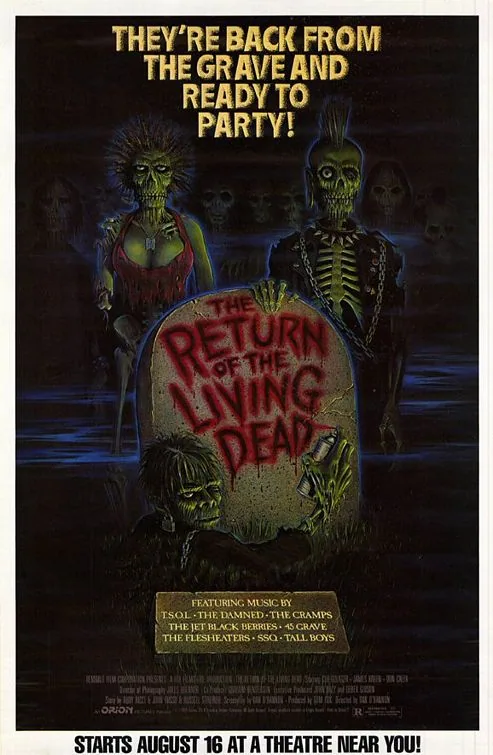
A chemical accident at a medical-supply warehouse releases an unstoppable gas that reanimates the dead, forcing workers, a mortician and a group of punks into a desperate night of survival. Dan O'Bannon mixes horror with punk irreverence, rapid banter and a bleak refusal of easy containment. The film helped popularize brain-eating zombies while making the genre's familiar emergency procedures part of its joke.
Based on recorded story, mood and style. Your preferences can change the order.
Survival
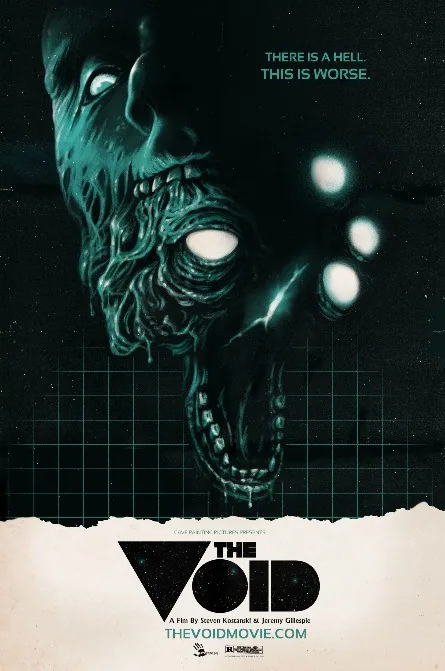
What changes The Dead Don't Die: two police officers try to manage a zombie outbreak in a town that is slow to accept what is happening.. The Void: crisis-driven, rapid escalation and contained siege structure.
Police officer Daniel Carter brings an injured stranger to a nearly empty hospital on the edge of town. Once inside, patients and staff find themselves surrounded by hooded figures and cut off from help. As disturbing changes spread through the hospital, Carter and the survivors try to find a way out while uncovering a cult’s connection to the place. Jeremy Gillespie and Steven Kostanski build the film around a single besieged location and increasingly grotesque body-horror imagery.
Based on recorded story, mood and style. Your preferences can change the order.
Survival
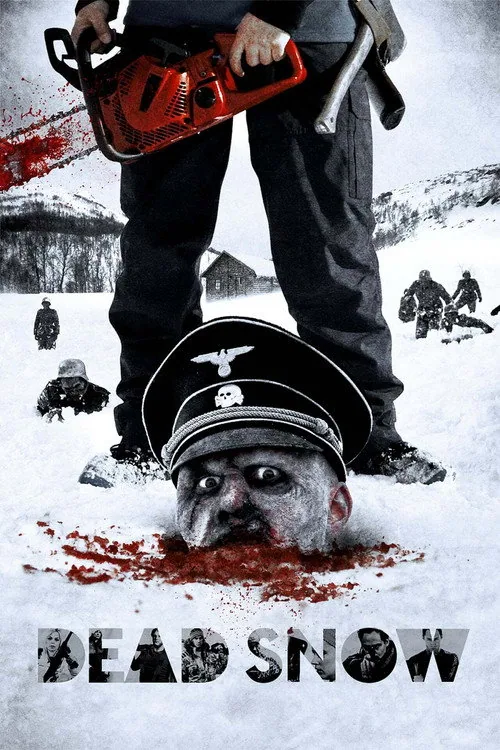
What changes The Dead Don't Die: two police officers try to manage a zombie outbreak in a town that is slow to accept what is happening.. Dead Snow: slow warning and discovery, sudden splatter escalation and action-comedy survival.
A group of medical students travel to a remote Norwegian mountain cabin for an Easter holiday, where a local visitor warns them about Nazi soldiers who once hid in the area. The students discover a cache of valuables and awaken the violent undead force guarding it. Tommy Wirkola’s horror comedy turns a secluded winter getaway into a bloody survival battle, mixing zombie action with splatter humor and historical imagery. The film contains graphic gore, including attacks by Nazi zombies.
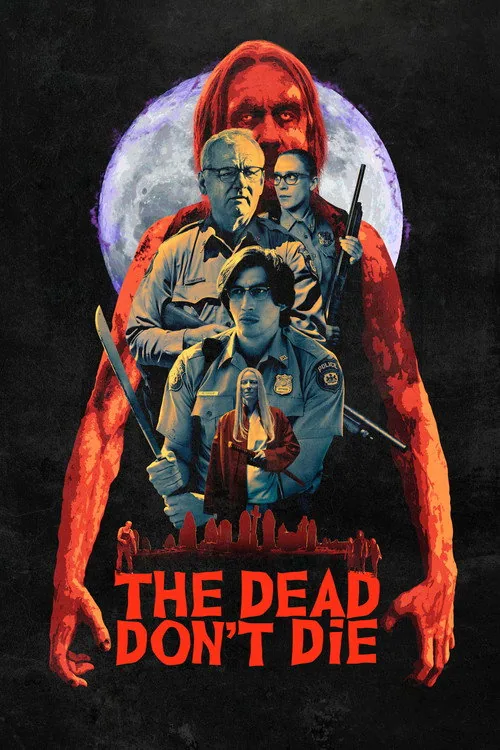
In the quiet town of Centerville, police officers Cliff Robertson and Ronnie Peterson investigate strange disruptions that precede the dead returning as zombies. The invasion spreads through the community while a range of residents prepare, flee, or remain bewildered by the threat. Jim Jarmusch’s ensemble film uses familiar zombie-movie violence as the basis for dry humor, commentary on consumption and environmental damage, and jokes about filmmaking itself. Its deliberately repetitive, deadpan style makes the small town and its characters feel trapped inside a self-aware genre story.
What drives the story
The town’s residents respond to the invasion with habits and assumptions that prove poorly suited to the crisis.
The people at its centre
The film’s characters openly acknowledge genre conventions and, at points, the script that contains them.
What it feels like
Contains zombie attacks, gore, strong language, and dark comic treatment of death.
Worth knowing
Its self-conscious pacing and meta-humor make the outbreak less a conventional survival thriller than a satirical ensemble piece.
DeathConsumerismClimate
Mood
Deadpan · Absurd · Apocalyptic
Pacing
Two police officers try to manage a zombie outbreak in a town that is slow to accept what is happening.