Explore films connected to Left-Handed Girl through superstition and shame, family obligation, women's economic precarity. Choose the qualities you want to carry into your next watch.
What should feel similar?
Find your next favourite
9 films · Closest overall matches
Hide films you’ve seen or don’t want. Saved on this device.
No matches for this combination yet.
Try another option or reset your choices to see more films.
Based on recorded story, mood and style. Your preferences can change the order.
Coming of age
What changes Left-Handed Girl: slice-of-life, ensemble-driven and gradual emotional turns. Homebound: measured, years-spanning and character-led.
Childhood friends Chandan and Shoaib leave their North Indian village to pursue police jobs, hoping a uniform will bring them dignity and economic stability. Caste prejudice, religious discrimination, and structural barriers complicate their shared ambition, placing pressure on a friendship that once seemed unshakeable. Spanning several years and culminating during the pandemic, Homebound follows how unequal treatment shapes two young men's chances of returning home with the life they imagined.
Based on recorded story, mood and style. Your preferences can change the order.
Coming of age
What changes Left-Handed Girl is tagged intimate and observant; Kaushaljis vs Kaushal is tagged warm and witty.
Sahil Kaushal is a small-town accountant who loves qawwali, and his wife Sangita is a homemaker passionate about making perfume. When their son Yug casually suggests that his unhappy parents separate, they take him seriously and file for divorce. Their unexpected decision unsettles the household and spills into Yug's workplace, challenging the assumption that older couples should simply preserve appearances. The Hindi family comedy lets a son's offhand advice expose what each generation believes marriage, independence, and happiness are supposed to look like.
Based on recorded story, mood and style. Your preferences can change the order.
Memory and identity
What changes Left-Handed Girl: slice-of-life, ensemble-driven and gradual emotional turns. Goodbye June: character-driven, intimate and reflective.
Just before Christmas, four estranged siblings reunite at their terminally ill mother June's hospital bedside. June faces the end on her own terms, with sharp humor and directness, while her children revisit old arguments, hidden resentments, and complicated forms of love. Their father and a caring nurse become part of the family gathering as holiday routines are reworked around the hospital room. The drama treats grief as a shared family process, moving between pain and tenderness as June's final days bring relatives back into one another's lives.
Based on recorded story, mood and style. Your preferences can change the order.
Memory and identity
What changes Left-Handed Girl: slice-of-life, ensemble-driven and gradual emotional turns. Hallow Road: real-time pressure, gradual dread and contained.
Late at night, Alice calls her mother Maddie after striking a girl with a car on a remote road. Maddie, a paramedic, tries to guide her daughter through the emergency while she and her husband Frank race toward the scene. As Alice's account changes and an unsettling stranger appears, the parents must decide how far they will go to protect her. Hallow Road compresses family conflict, moral compromise, and psychological horror into a phone conversation unfolding during a drive.
Based on recorded story, mood and style. Your preferences can change the order.
Coming of age
What changes Left-Handed Girl is tagged intimate and observant; Bethlehem Kudumba Unit is tagged warm and comic.
Ashley returns to Kerala after studying in Ireland and is reminded of Justin, the young man she loved before leaving. The story flashes back to their earlier relationship, when financial pressure moved Ashley's family to Angamaly and forced her to leave familiar friends, home, and band behind. At home, an unreliable father and a mother carrying much of the household burden shape daily life. This Malayalam family romance joins courtship to the routines, humor, and tensions of a close-knit extended family.
Based on recorded story, mood and style. Your preferences can change the order.
What changes Left-Handed Girl: slice-of-life, ensemble-driven and gradual emotional turns. The Hand That Rocks the Cradle: slow-burn, escalating and character-centered.
Pregnant Los Angeles attorney Caitlyn Morales represents Polly Murphy, a young woman facing eviction, then reconnects with her after giving birth to her second daughter. As Caitlyn tries to balance a legal career, a newborn, and a volatile older child, Polly becomes the family's nanny and quickly earns everyone's trust. The remake turns that welcome assistance into a domestic thriller about intimacy, vulnerability, and the risks that come with allowing a stranger into the most private parts of family life.
Based on recorded story, mood and style. Your preferences can change the order.
Coming of age · Memory and identity
What changes Left-Handed Girl: slice-of-life, ensemble-driven and gradual emotional turns. Kaalidhar Laapata: episodic journey, character-led and reflective.
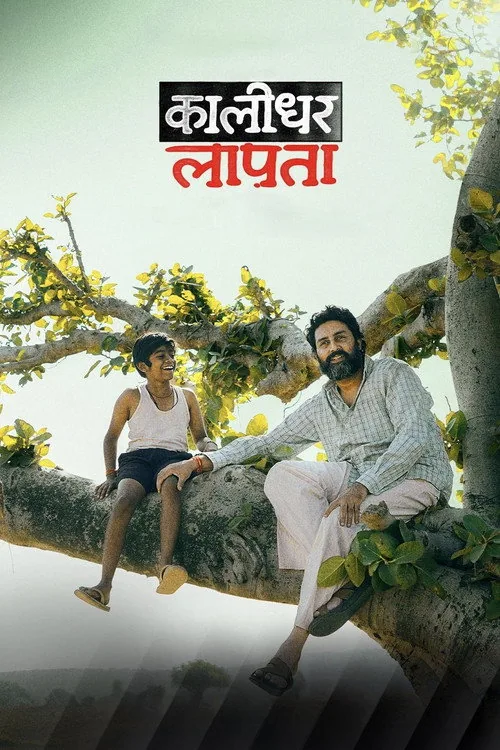
Middle-aged Kaalidhar, who is experiencing memory loss, overhears his family planning to leave him behind during a religious gathering and decides to leave on his own. On the road he meets Ballu, an eight-year-old orphan, and the two form an unexpected bond. They travel across India to complete items on Kaalidhar's bucket list, turning a private fear of abandonment into a shared adventure. The Hindi drama balances humor and poignancy as an older man and child help each other rediscover a sense of purpose and belonging.
Based on recorded story, mood and style. Your preferences can change the order.
Memory and identity
What changes Left-Handed Girl: slice-of-life, ensemble-driven and gradual emotional turns. Uttar Da Puttar: dialogue-led, character-based and measured.
A village professor and Ginni become entangled in a story examining Vastu, astrology, and numerology as forces that shape people's decisions. The film follows how faith in these systems can offer guidance but also create fear and harmful consequences when superstition overrides judgment. Uttar Da Puttar uses family and community relationships to frame a contemporary debate about belief, presenting its characters' reliance on traditional practices as both a source of meaning and a question worth challenging.
Based on recorded story, mood and style. Your preferences can change the order.
Coming of age
What changes Left-Handed Girl: slice-of-life, ensemble-driven and gradual emotional turns. Nadaaniyan: light, relationship-led and moderate.
Pia Jaisingh is a privileged Delhi teenager whose family life is troubled by her father's misogyny and her own social insecurity. When she clashes with her best friend, Pia turns to a paid arrangement with a new student, Arjun, to pose as her boyfriend and repair her standing among classmates. Their staged romance develops into a youthful relationship drama about status, family pressure, and the difference between performing affection and learning to trust someone.
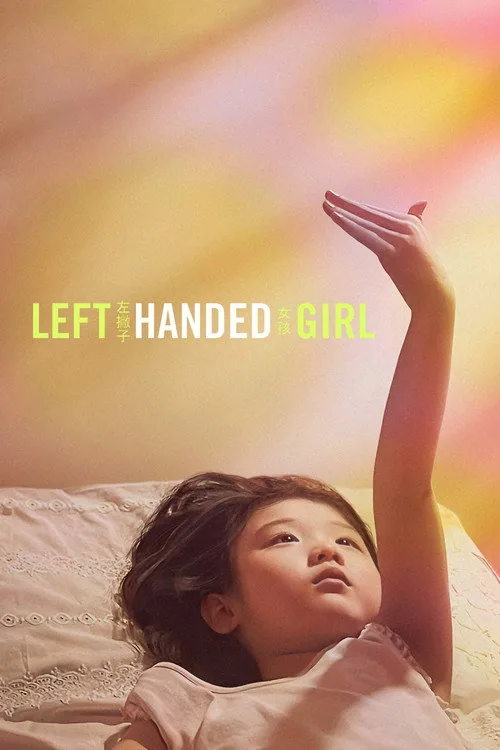
Single mother Shu-Fen moves to Taipei with her five-year-old I-Jing and university-aged I-Ann to open a night-market noodle stand. Money troubles and an estranged husband's illness deepen the family's strain, while I-Jing's grandfather tells her that using her left hand is evil. The child misreads the superstition and begins to believe her left hand excuses misbehavior, even as her older sister faces adult pressures of work, sex, and pregnancy. The Taiwanese family drama views a busy market through the different understandings and burdens of three generations of women.
What drives the story
A family's move and mounting debt bring practical crises into the children's different encounters with social beliefs.
The people at its centre
Shu-Fen, I-Ann, and I-Jing carry distinct expectations around caregiving, work, and growing independence.
What it feels like
The film combines the bustle of the night market with close observation of private family tensions.
Worth knowing
Its left-handed premise opens a broader family portrait rather than a mystery about disability or a child hero.
superstition and shamefamily obligationwomen's economic precarity