Explore films connected to Love through Desire and attachment, Memory and regret, Intimacy and jealousy. Choose the qualities you want to carry into your next watch.
What should feel similar?
Find your next favourite
9 films · Closest overall matches
Hide films you’ve seen or don’t want. Saved on this device.
No matches for this combination yet.
Try another option or reset your choices to see more films.
Based on recorded story, mood and style. Your preferences can change the order.
What changes Love: fragmented chronology, intimate relationship scenes and memory-driven structure. 365 Days: melodramatic and set-piece driven.
Laura’s vacation in Italy takes a disturbing turn when Massimo, the head of a Sicilian crime family, kidnaps her and gives her a year to fall in love with him. Their relationship is framed through luxury, erotic spectacle and criminal power, with the premise drawing a sharp line between fantasy romance conventions and coercion. Barbara Białowąs and Tomasz Mandes make an adult melodrama whose central conflict is inseparable from captivity and unequal control.
Based on recorded story, mood and style. Your preferences can change the order.
Memory and identity
What changes Love: fragmented chronology, intimate relationship scenes and memory-driven structure. The Virgin Suicides: reflective and memory-led progression.
Years after five sisters died by suicide, the neighborhood boys who watched them as teenagers revisit their fragmentary memories of the Lisbon family. The film centers on the girls’ restricted lives under protective parents and on the distance between what the boys observed and what they can truly know. Sofia Coppola’s adaptation is a melancholy study of adolescence, family control, and retrospective mythmaking; its subject matter is handled as tragedy, not as a puzzle to solve.
Based on recorded story, mood and style. Your preferences can change the order.
Memory and identity
What changes Love: fragmented chronology, intimate relationship scenes and memory-driven structure. Y tu mamá también: meandering and accumulating.
Two teenage friends take a road trip with an older woman who is dealing with a private loss, and their shifting trio turns a carefree journey into a reckoning with desire, class and growing up. A candid voice-over widens the story beyond the travelers’ self-image. The film’s erotic humor sits beside an attentive portrait of Mexican places and inequalities.
Based on recorded story, mood and style. Your preferences can change the order.
Memory and identity
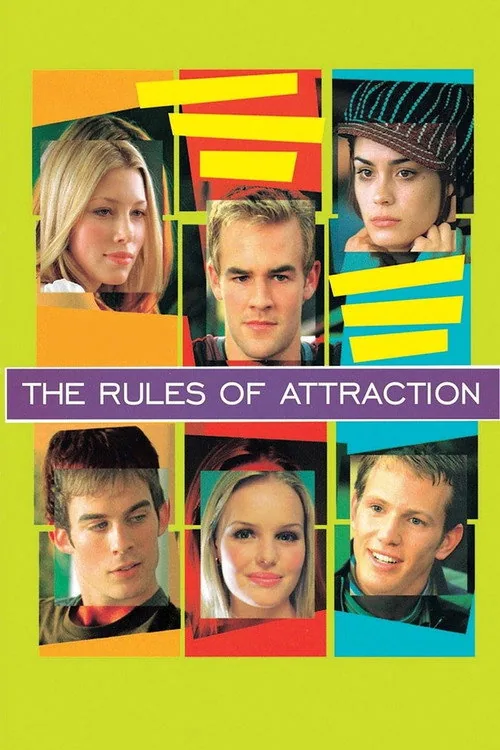
What changes Love: fragmented chronology, intimate relationship scenes and memory-driven structure. The Rules of Attraction: interwoven character stories, nonlinear transitions and bleak convergence.
At Camden College, students Sean Bateman, Lauren Hynde, and Paul Denton move through parties, hookups, drugs, and private disappointments with little ability to communicate honestly. Lauren longs for her former boyfriend Victor, while Sean reads anonymous love letters as a sign of connection and Paul struggles with rejection. Their overlapping stories reveal a campus culture where desire is frequently unreturned and consequences are displaced onto others. The dark comedy adapts Bret Easton Ellis through fragmented chronology, shifting viewpoints, and a deliberately disaffected tone.
Based on recorded story, mood and style. Your preferences can change the order.
What changes Love: fragmented chronology, intimate relationship scenes and memory-driven structure. The Dreamers: apartment interludes and political interruption.
Early in 1968, American exchange student Matthew meets French twins Théo and Isabelle during protests over the removal of Henri Langlois from the Cinémathèque Française. Their shared cinephilia becomes an intense friendship, and the twins invite Matthew to stay in their family apartment while their parents are away. The trio reenacts movie scenes, tests one another with games and negotiates an intimate household dynamic that Matthew does not fully understand. As the film moves toward the May 1968 demonstrations and strikes, their sealed-off world becomes harder to sustain. When the parents return, the friends must decide whether to remain spectators or join the upheaval beyond their window. The private story is a cinephile drama set against political events, not a broad account of the protests.
Based on recorded story, mood and style. Your preferences can change the order.
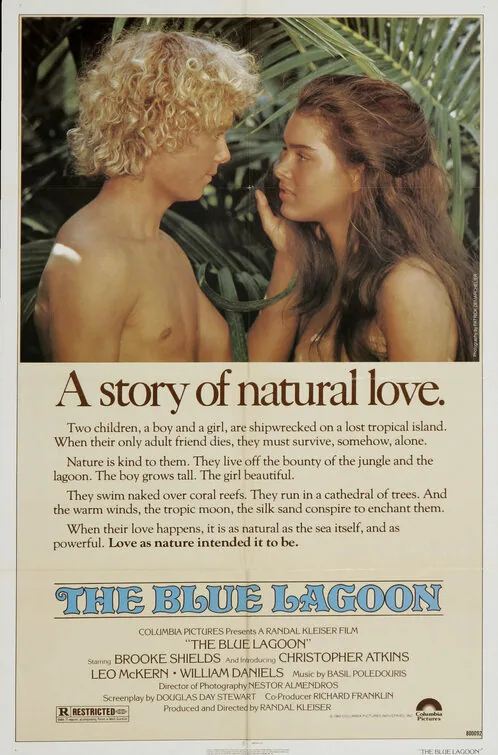
What changes Love: fragmented chronology, intimate relationship scenes and memory-driven structure. The Blue Lagoon: episodic coming-of-age and nature-driven passage of time.
After a shipwreck, young cousins Richard and Emmeline are stranded on a South Pacific island with the galley cook Paddy, who keeps them safe and teaches them what he knows. After his death, the children grow up without other adults or reliable knowledge about life beyond the island. Their changing feelings for each other, their discoveries about sexuality and their disagreements about whether to stay or seek rescue become part of a survival romance shaped by isolation. The film’s lush photography makes the island feel idyllic, but that romantic surface also frames adolescent development and a cousin relationship in ways that merit care. It is a stylized adaptation of a novel, not a realistic account of how children mature or learn about consent.
Based on recorded story, mood and style. Your preferences can change the order.
What changes Love: fragmented chronology, intimate relationship scenes and memory-driven structure. My Oxford Year: oxford arrival establishes a new routine, academic and romantic lives intertwine and relationship brings a personal turning point.
American student Anna De La Vega arrives at Oxford determined to complete a year of study before pursuing her ambitious career plans. Her connection with Jamie Davenport, a witty local teaching assistant, turns an academic detour into a romance that complicates the future she had carefully scheduled. Their relationship draws her into the university's social world and forces both to confront a life-changing reality. The film blends campus romance with questions about ambition, mortality, and what makes a year matter.
Based on recorded story, mood and style. Your preferences can change the order.
Memory and identity
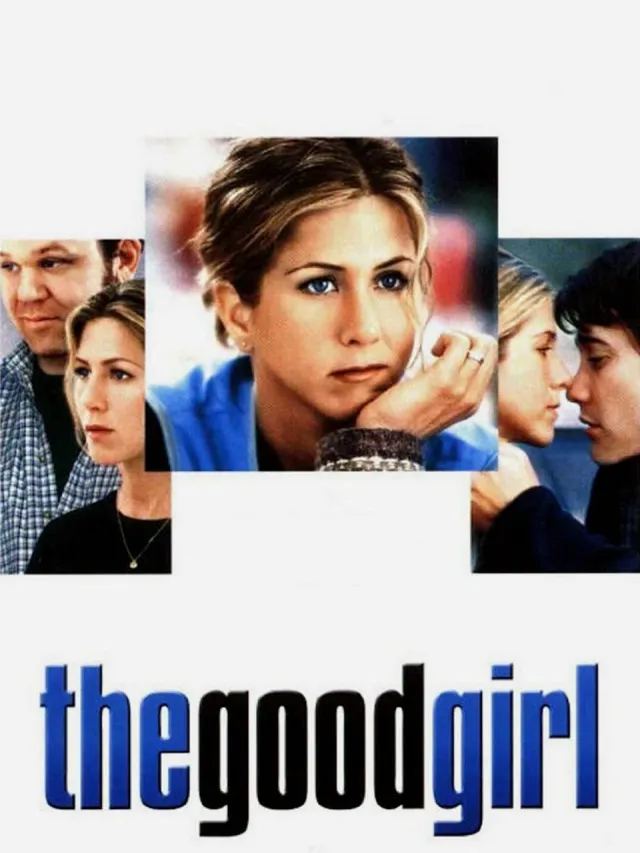
What changes Love: fragmented chronology, intimate relationship scenes and memory-driven structure. The Good Girl: conversational and episodic.
A dissatisfied retail worker begins an affair with a young co-worker while her marriage and small-town routine feel increasingly confining. Their private escape changes once fantasy collides with responsibility and with the people affected by their decisions. The film observes how self-pity can make destructive choices feel like liberation before their consequences become unavoidable. Understated performances and everyday retail spaces give the drama a dry, unsentimental texture.
Based on recorded story, mood and style. Your preferences can change the order.
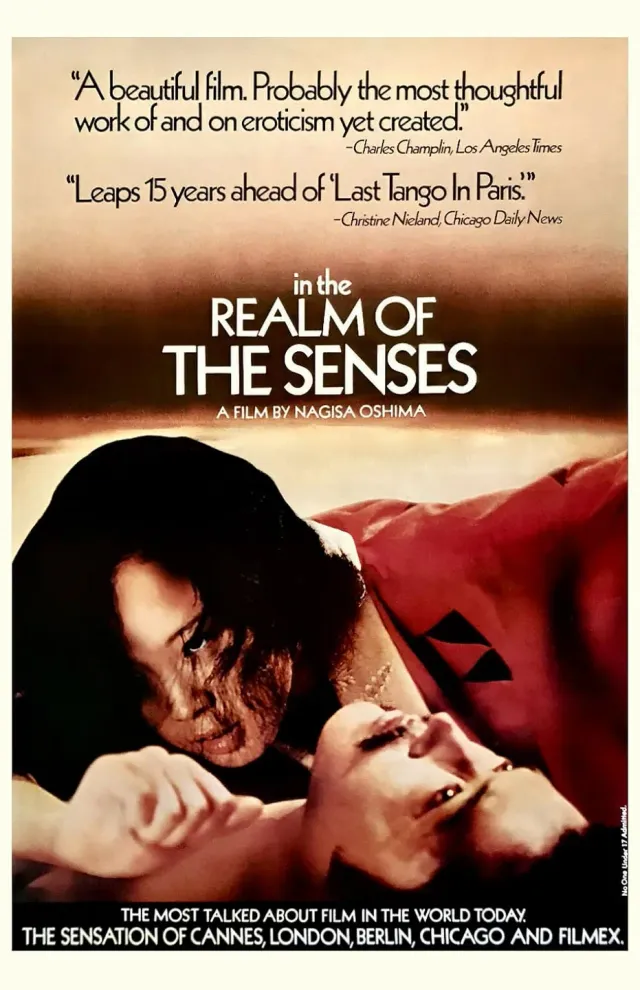
What changes Love: fragmented chronology, intimate relationship scenes and memory-driven structure. In the Realm of the Senses: repetitive, escalating and intimate.
In 1936 Tokyo, former sex worker Sada Abe begins a volatile affair with hotel owner Kichizo Ishida. Their private relationship grows more exclusive as they withdraw from everyday life and repeatedly test the limits of desire, control and mutual dependence. The film follows this escalating obsession with stark intimacy and historical detail, culminating in a fatal act that has made the work one of cinema's most controversial examinations of erotic attachment.
American film student Murphy lives in Paris with his partner and young son, but a message about his former girlfriend Electra sends him into memories of their intense relationship. Told through shifts in time, Gaspar Noé’s erotic drama follows desire, jealousy, experimentation, and the emotional consequences of choices made by a young couple. The film contains explicit, unsimulated sexual material and nudity; its sexual imagery is central to its style and should be considered before viewing.
What drives the story
Murphy’s concern about Electra opens a day of memories that traces the choices and emotional damage of their past relationship.
The people at its centre
The couple’s desire and openness coexist with jealousy, insecurity, and decisions that reshape the people around them.
What it feels like
The film is an explicit, nonlinear erotic drama with unsimulated sexual content, saturated imagery, and a reflective mood.
Worth knowing
It focuses on memory and physical intimacy through an unusually explicit art-film approach, rather than a conventional romantic comedy.
Desire and attachmentMemory and regretIntimacy and jealousy