Explore films connected to Love Me If You Dare through Love and rivalry, Risk and emotional avoidance, Childhood games into adulthood. Choose the qualities you want to carry into your next watch.
What should feel similar?
Find your next favourite
9 films · Closest overall matches
Hide films you’ve seen or don’t want. Saved on this device.
No matches for this combination yet.
Try another option or reset your choices to see more films.
Based on recorded story, mood and style. Your preferences can change the order.
What changes Love Me If You Dare: time-spanning romantic episodes, game-based turning points and emotional escalation. Game Night: escalating and clue-driven.
A competitive couple and their friends gather for a staged kidnapping game arranged by the host’s charismatic brother. When the apparent performance turns into a real crime, the group keeps mistaking clues, actors and injuries for part of the evening’s entertainment. The comedy plays with puzzle-solving and escalating danger while giving its leads a reason to reconsider how rivalry affects their partnership.
Based on recorded story, mood and style. Your preferences can change the order.
Coming of age
What changes Love Me If You Dare: time-spanning romantic episodes, game-based turning points and emotional escalation. To All the Boys I've Loved Before: light and character-led.
High school student Lara Jean writes private letters to boys she has loved and keeps them hidden until they are accidentally sent. To avoid confronting an old crush, she agrees to a pretend relationship with another recipient, Peter, and their performance begins to develop real emotional stakes. Susan Johnson adapts Jenny Han’s novel as a warm teen romance about privacy, family, first love and the awkward risks of letting other people see what you feel.
Based on recorded story, mood and style. Your preferences can change the order.
Coming of age
What changes Love Me If You Dare: time-spanning romantic episodes, game-based turning points and emotional escalation. John Tucker Must Die: brisk and escalating.
Three girls discover that a popular basketball player has been dating each without telling the others. They recruit a less popular classmate to expose him, but revenge brings complications as attraction, friendship and public humiliation become entangled. This teen comedy uses a shared grievance to explore how status and performance shape romance in a school social world.
Based on recorded story, mood and style. Your preferences can change the order.
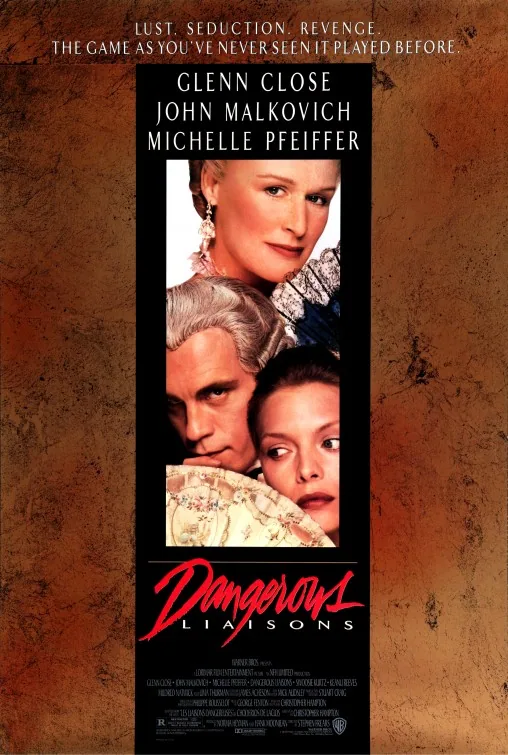
What changes Love Me If You Dare: time-spanning romantic episodes, game-based turning points and emotional escalation. Dangerous Liaisons: measured.
In pre-revolutionary aristocratic society, former lovers Merteuil and Valmont make seduction a contest and a tool for revenge. Their targets include the young Cécile and the devout Madame de Tourvel, whose reputations are more vulnerable than those of the people manipulating them. Valmont's genuine attachment complicates the game but does not turn coercion into courtship, while Merteuil's awareness of gendered restriction does not excuse her use of others. Letters, manners and public exposure make power appear elegant until the consequences become visible. Letters allow Merteuil and Valmont to stage, record and later expose their private contests.
Based on recorded story, mood and style. Your preferences can change the order.
What changes Love Me If You Dare: time-spanning romantic episodes, game-based turning points and emotional escalation. Downhill: a holiday setting allows one crisis to echo through several encounters.
A couple vacationing in the Alps with their children survives a controlled avalanche, but the father’s instinctive flight during the scare becomes a source of deep marital conflict. Away from home and under social pressure, the family must address what the incident revealed about trust and their relationship. This American adaptation of Force Majeure uses dark comedy and awkward encounters to examine cowardice, shame and domestic roles.
Based on recorded story, mood and style. Your preferences can change the order.
What changes Love Me If You Dare: time-spanning romantic episodes, game-based turning points and emotional escalation. Kal Ho Naa Ho: episodic and escalating.
A guarded student in New York carries family strain and bereavement into a friendship circle transformed by a newly arrived neighbor. His warmth helps revive the household and draws her love, but a concealed fatal illness leads him to arrange a future with her closest friend instead. The resulting courtship depends on performances that protect some feelings while denying others informed choice. The musical melodrama links communal repair with anticipatory loss, giving exuberant participation an urgency supplied by the time one participant knows he does not have.
Based on recorded story, mood and style. Your preferences can change the order.
Coming of age
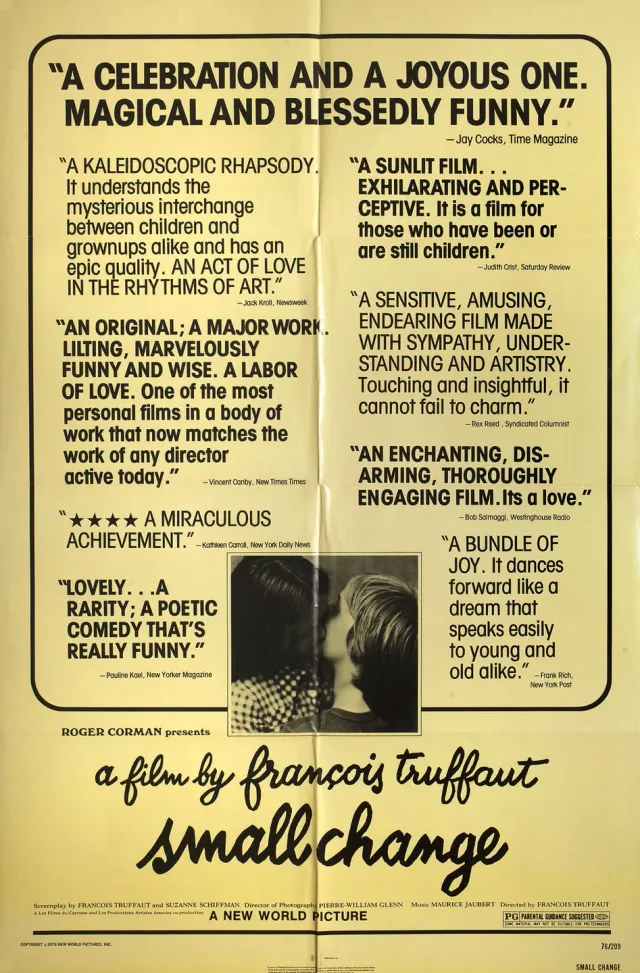
What changes Love Me If You Dare: time-spanning romantic episodes, game-based turning points and emotional escalation. Small Change: episodic, gentle and natural.
Set in the French town of Thiers during one summer, the film follows several children through school, home and neighborhood life. Patrick navigates his first crush and awkward attempts at growing up, while Julien's unexplained injuries and exhaustion reveal violence and neglect at home. Their stories sit beside pranks, accidents, friendships and first discoveries, until a teacher speaks up about the responsibility adults have toward vulnerable children.
Based on recorded story, mood and style. Your preferences can change the order.
Coming of age
What changes Love Me If You Dare: time-spanning romantic episodes, game-based turning points and emotional escalation. Love, Rosie: episodic leaps through adulthood.
Childhood friends Rosie and Alex imagine a future that keeps bringing them close while missed chances send them down different paths. A misunderstanding around a birthday party and later adult decisions shape their friendship as careers, relationships, and parenthood alter what each can choose. The romantic comedy follows their bond across years, using separation and reunion to explore timing, loyalty, and the difference between enduring affection and a simple path to romance.
Based on recorded story, mood and style. Your preferences can change the order.
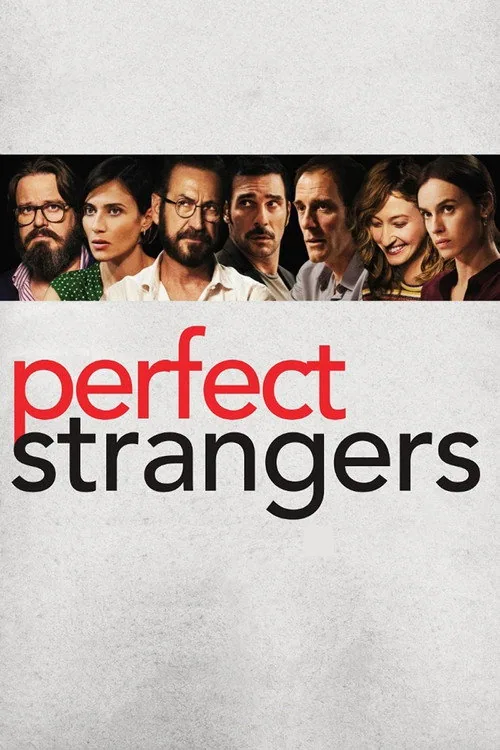
What changes Love Me If You Dare: time-spanning romantic episodes, game-based turning points and emotional escalation. Perfect Strangers: single-evening chamber piece, dialogue-driven escalation and tonal shift from comedy to drama.
Seven longtime friends gather for dinner, where hostess Eva proposes a game: everyone must place their phone on the table and share each incoming call or message. What starts as a test of openness gradually exposes secrets that alter how the guests see their partners and one another. Paolo Genovese’s Italian chamber comedy-drama unfolds largely over a single evening, using phones as a source of both intimacy and danger while moving between uncomfortable humor and relationship drama.
Julien and Sophie begin a childhood game in which they dare one another to perform increasingly risky or humiliating acts. The game follows them into adulthood, shaping their friendship and romantic feelings while making it difficult to distinguish playful challenge from deliberate cruelty. Yann Samuell’s French romantic drama uses a playful framing device and shifts through time to explore desire, rivalry, and the consequences of refusing to admit vulnerability, with Marion Cotillard and Guillaume Canet at its center.
What drives the story
A dare game gives Julien and Sophie a way to challenge each other while avoiding a direct admission of their feelings.
The people at its centre
Their closeness mixes affection, competition, and acts that can injure friends or partners as the game outgrows its childhood boundaries.
What it feels like
The film uses playful visual flourishes and time jumps to turn romantic tension into an escalating series of challenges.
Worth knowing
Its central romance is structured around a lifelong game of dares, making it more mischievous and destructive than a conventional meet-cute.
Love and rivalryRisk and emotional avoidanceChildhood games into adulthood