Both share school life, plus an observant atmosphere.
Why this matches +
Genres: Comedy / Drama
Shared film traits
Based on recorded story, mood and style. Your preferences can change the order.
Coming of age
What changes Small Change: episodic, gentle and natural. Fast Times at Ridgemont High: loose and ensemble-paced.
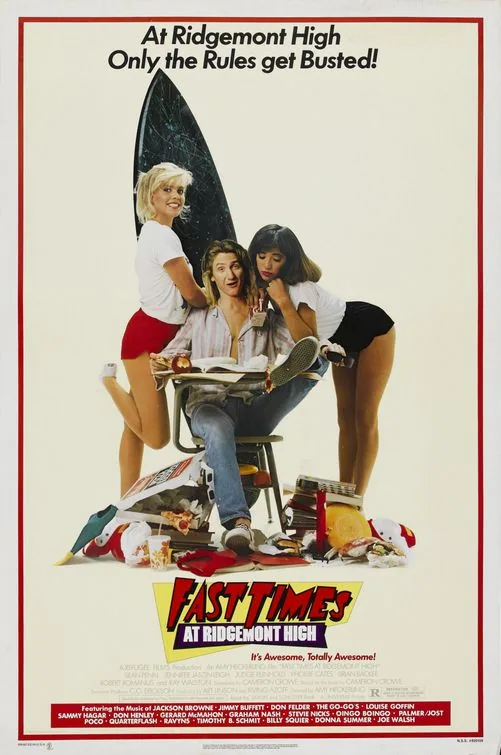
At a Southern California high school, teenagers navigate attraction, awkward sex, early work, friendship, and the uncertainty of becoming adults. Their intersecting experiences range from a confident senior's romantic misjudgments to a younger student's first crush and a fast-food job's daily frustrations. The film treats adolescence as funny and consequential, observing how peer pressure and small choices shape self-understanding.
Based on recorded story, mood and style. Your preferences can change the order.
Coming of age
What changes Small Change: episodic, gentle and natural. The 400 Blows: observational episodes and open-ended finish.
Antoine Doinel grows up in Paris feeling unwanted at home and misunderstood at school. Small acts of defiance, including truancy and a failed attempt to sell a stolen typewriter, draw him deeper into conflict with the adults who supervise him. His parents send him to a youth observation center, where a rare interview lets him speak about his life without interruption. Antoine escapes and runs toward the sea he has never seen, ending the film alone at the shoreline. The story follows a child's search for space and recognition rather than a neat reform narrative.
Based on recorded story, mood and style. Your preferences can change the order.
Expect wry and whimsical, with episodic and precisely composed pacing.
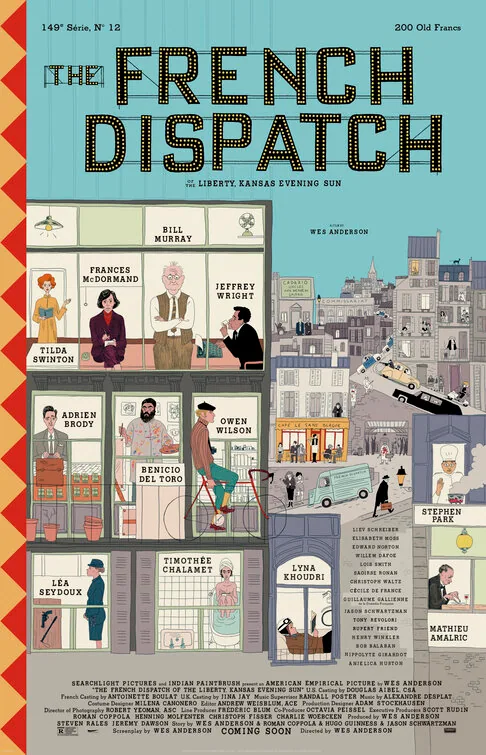
At a fictional American newspaper's French outpost, the death of its editor prompts a final issue assembled from stories written by the staff. The film moves through an art-world profile, a student revolt and a crime report, each with its own characters and visual language. Together the episodes celebrate the eccentric craft of journalism while showing how an editor's attention gives separate observations a shared home.
Based on recorded story, mood and style. Your preferences can change the order.
Coming of age
What changes Small Change is tagged tender and observant; Licorice Pizza is tagged nostalgic and loose.
In 1970s San Fernando Valley, teenage actor Gary and young Alana move through jobs, friendships and chance encounters while trying to decide what adulthood should look like. Their closeness keeps changing shape, and the surrounding adults drift in and out of their plans. The film favors wandering episodes and period atmosphere over a conventional romance plot, treating growing up as uneven and improvisational.
Both share themes of friendship, plus a tender and wry atmosphere.
Why this matches +
Genres: Drama / Comedy
Shared film traits
Based on recorded story, mood and style. Your preferences can change the order.
What changes Small Change: episodic, gentle and natural. The Barbarian Invasions: conversation-led and measured.
A Montreal professor nearing death is reunited with his estranged son, who tries to make his final days more comfortable and reconnects him with old friends and former lovers. Their visits expose differences in politics, values and memory, but also leave room for humor and reconciliation. The film treats mortality through conversation, friendship and the imperfect work of repairing a relationship before time runs out.
Based on recorded story, mood and style. Your preferences can change the order.
Coming of age
What changes Small Change: episodic, gentle and natural. Stolen Kisses: episodic drift and comic encounters.
After being discharged from the army, Antoine Doinel returns to Paris hoping to resume his romance with Christine Darbon, but her family first helps him find work as a hotel night clerk. He drifts between jobs, including private detective work, where his curiosity pulls him into the affairs of others. Antoine becomes fascinated by Fabienne Tabard, the wife of a shoe-store owner, while Christine remains part of his life. The film follows his impulsive choices and uncertain loyalties through a loose comic portrait of a young man not yet ready to settle.
Both share themes of friendship, plus a wry atmosphere.
Why this matches +
Genres: Comedy / Drama
Shared film traits
Based on recorded story, mood and style. Your preferences can change the order.
Coming of age
What changes Small Change: episodic, gentle and natural. Ghost World: loose and observational.
After high school, Enid and Rebecca confront an uncertain adulthood in a town where their ironic distance from ordinary life is both shield and habit. When Enid befriends Seymour, an older record collector who shares her outsider instincts, the friendship complicates the girls’ plans and exposes their different needs. The comedy observes drift, taste and loneliness without turning growing up into a neat lesson.
Both share themes of friendship, plus a tender atmosphere.
Why this matches +
Genres: Comedy / Drama
Shared film traits
Based on recorded story, mood and style. Your preferences can change the order.
Coming of age
Expect whimsical and restless, with episodic and summer interlude pacing.
Frustrated by his father’s attempts to manage his life, teenager Joe Toy runs away with his friend Patrick and an eccentric boy named Biaggio. The trio build a makeshift house in the woods and attempt to live independently through the summer. Their self-sufficiency is tested by practical problems, friendship tensions, and growing feelings for a girl from town. Jordan Vogt-Roberts’s coming-of-age comedy observes the appeal and limits of escape from family as boys try to define adulthood for themselves.
Based on recorded story, mood and style. Your preferences can change the order.
Coming of age
What changes Small Change: episodic, gentle and natural. Love Me If You Dare: time-spanning romantic episodes, game-based turning points and emotional escalation.
Julien and Sophie begin a childhood game in which they dare one another to perform increasingly risky or humiliating acts. The game follows them into adulthood, shaping their friendship and romantic feelings while making it difficult to distinguish playful challenge from deliberate cruelty. Yann Samuell’s French romantic drama uses a playful framing device and shifts through time to explore desire, rivalry, and the consequences of refusing to admit vulnerability, with Marion Cotillard and Guillaume Canet at its center.
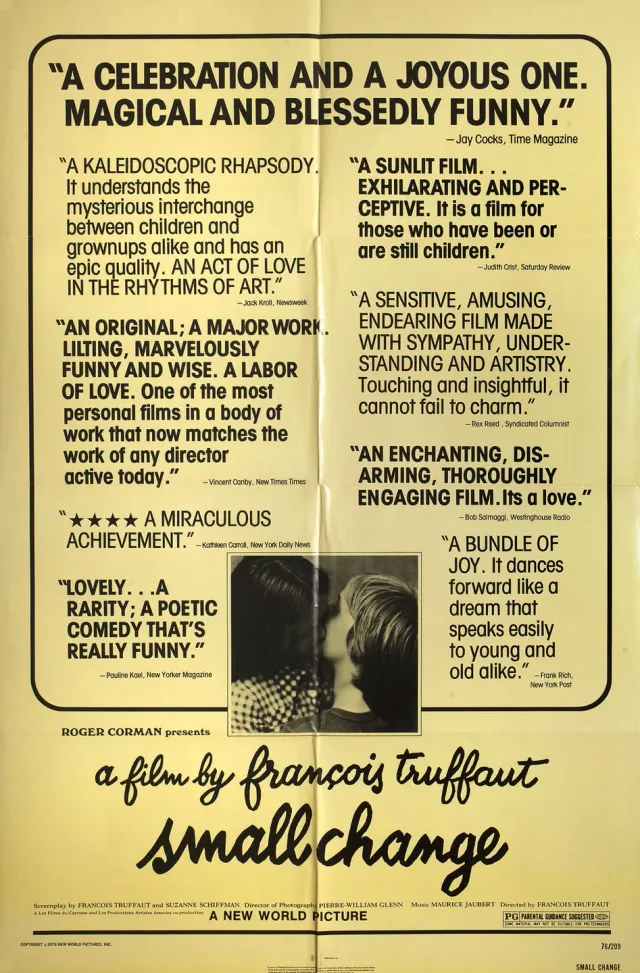
Set in the French town of Thiers during one summer, the film follows several children through school, home and neighborhood life. Patrick navigates his first crush and awkward attempts at growing up, while Julien's unexplained injuries and exhaustion reveal violence and neglect at home. Their stories sit beside pranks, accidents, friendships and first discoveries, until a teacher speaks up about the responsibility adults have toward vulnerable children.
What drives the story
Small incidents in children's lives accumulate around Julien's hidden abuse and the adults who finally recognize it.
The people at its centre
Patrick, Julien, classmates and teachers reveal different childhood experiences, from innocent curiosity to the harm adults can conceal.
What it feels like
The film blends affectionate humor with a serious concern for children's safety and the limits of adult attention.
Worth knowing
Rather than follow one young hero, it offers an ensemble portrait built from several children and their different circumstances.