The invasion depends on timing and coordination across airborne and seaborne forces, while weather, confusion and German defenses disrupt the plan.
Why this matches +
These offer a related experience with a meaningful difference in story, tone, or presentation.
An adjacent discovery: a related idea with a different viewing experience.
Genres: Drama / Action
Shared film traits
Based on recorded story, mood and style. Your preferences can change the order.
War and civilian life
What changes A major World War II battle is depicted through multiple military perspectives, command decisions and large-scale combat; the Normandy landings.
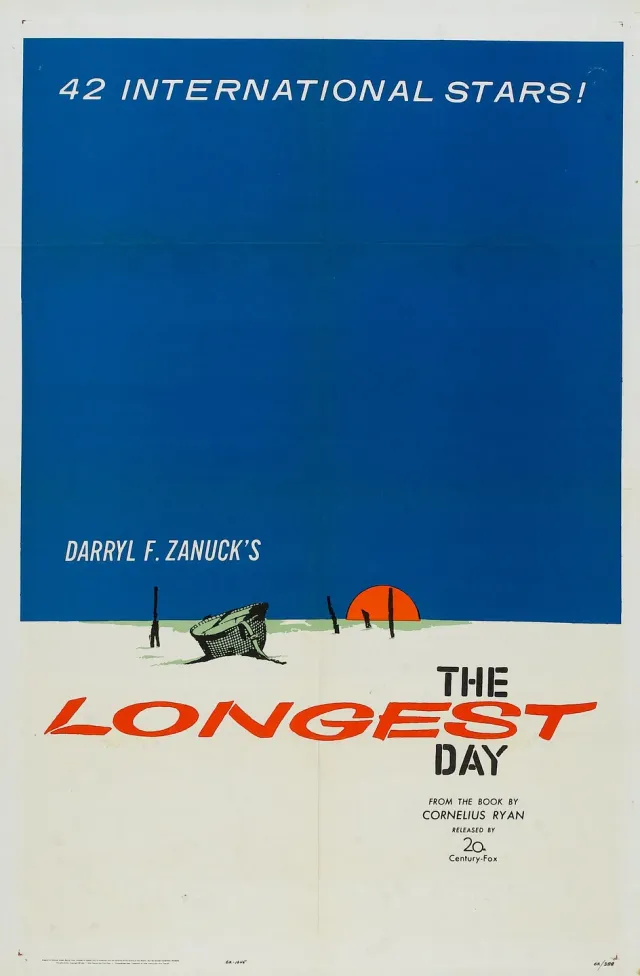
On June 6, 1944, Allied forces launch the D-Day invasion of German-occupied Normandy. The film follows the operation across several locations and perspectives: commanders planning the assault, paratroopers scattered inland, French resistance members aiding the effort and soldiers confronting the beach landings. Rather than following one protagonist, it builds a large-scale account from linked episodes of preparation, confusion and combat. Adapted from Cornelius Ryan’s nonfiction book, it dramatizes a historic military operation through a 1960s international ensemble.
A romantic triangle is placed inside an epic account of the attack and its aftermath, with private loyalties repeatedly tested by military events.
Why this matches +
These offer a related experience with a meaningful difference in story, tone, or presentation.
An adjacent discovery: a related idea with a different viewing experience.
Genres: War / Romance
Shared film traits
Based on recorded story, mood and style. Your preferences can change the order.
War and civilian life
What changes American service members and aviators confront the attack on Pearl Harbor and its consequences for the Pacific War; romance and individual relationships receive more emphasis.
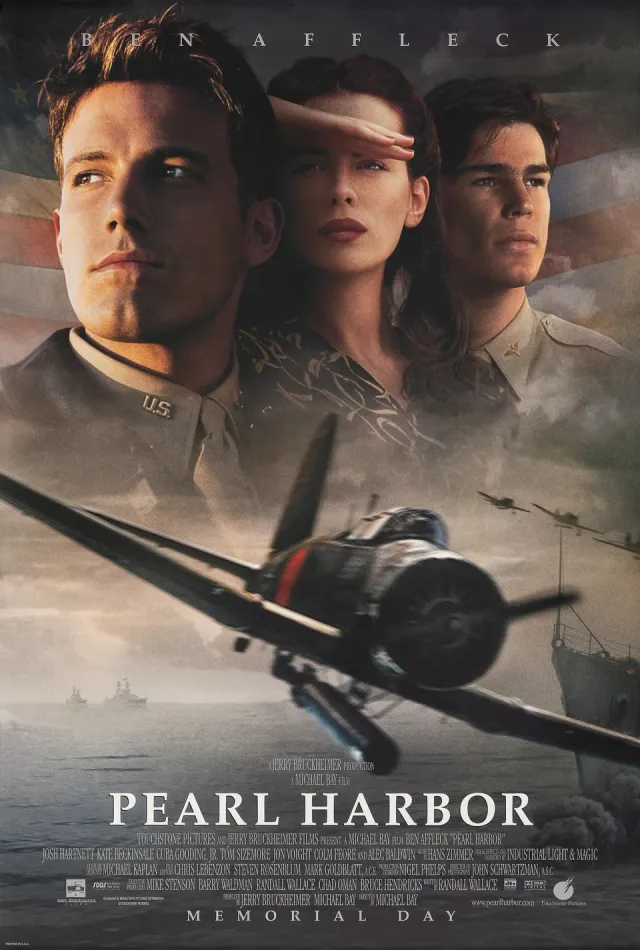
Childhood friends Rafe McCawley and Danny Walker become Army Air Forces pilots as the United States approaches the Second World War. Rafe volunteers to fight with the British before America enters the conflict and is reported missing after a mission, leaving nurse Evelyn Johnson to grieve with Danny. When Rafe returns, the three friends must navigate a relationship already altered by loss just as Japan attacks Pearl Harbor. The attack brings them back together as pilots, and they later join Jimmy Doolittle’s raid on Tokyo. Danny dies after their aircraft crash in China, asking Rafe to raise his unborn child with Evelyn.
A destroyer captain guides a convoy through a dangerous gap in air cover.
Why this matches +
These offer a related experience with a meaningful difference in story, tone, or presentation.
An adjacent discovery: a related idea with a different viewing experience.
Genres: War / Action
Shared film traits
Based on recorded story, mood and style. Your preferences can change the order.
Survival
What changes Naval officers coordinate under immense pressure during a crucial World War II operation at sea; an Atlantic convoy escort.
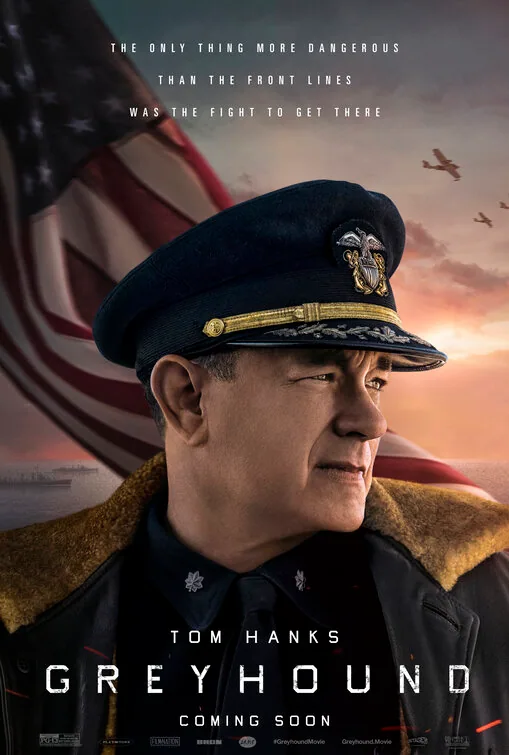
In 1942, commander Ernest Krause leads an Allied convoy through a stretch of the Atlantic beyond reliable air cover. German submarines threaten the ships, and the destroyer captain must make decisions with limited information while managing an exhausted crew. Aaron Schneider keeps the war story tightly focused on the bridge and radio, creating suspense from navigation, timing and the burden of command rather than a broad battlefield view.
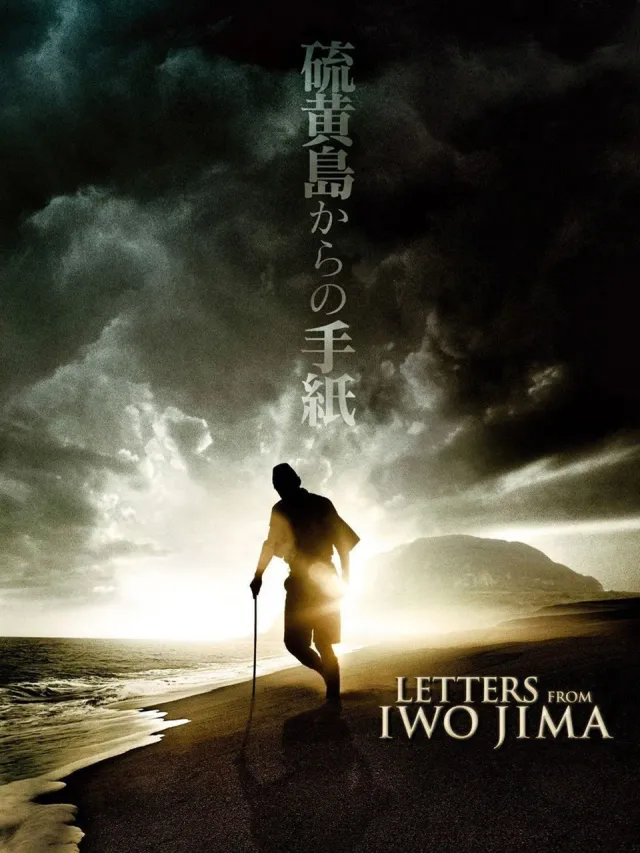
The tactical shift to a defense from caves and tunnels changes the battle from an open-front engagement into a prolonged survival problem. Letters provide a second structure, carrying home lives into a position where return is unlikely.
Why this matches +
These offer a related experience with a meaningful difference in story, tone, or presentation.
An adjacent discovery: a related idea with a different viewing experience.
Genres: War / Drama
Shared film traits
Based on recorded story, mood and style. Your preferences can change the order.
War and civilian life
What changes Pacific War soldiers face the consequences of command decisions and overwhelming combat; the Japanese defense of Iwo Jima.
As U.S. forces approach Iwo Jima in 1945, Japanese soldiers prepare to defend an island they know they may not survive. Letters and flashbacks follow General Kuribayashi, Saigo the baker and other men whose motives range from duty and fear to attachment to families at home. Their human individuality complicates the language of national honor without making the film a full account of the Pacific War or Japanese imperial responsibility. Clint Eastwood’s Japanese-language companion to Flags of Our Fathers focuses on one selected military perspective; it does not stand for every Japanese soldier or civilian. The battle’s underground tunnels and fragmented correspondence turn defense into an intimate, enclosed ordeal, while the historical context remains larger than the film’s sympathetic frame.
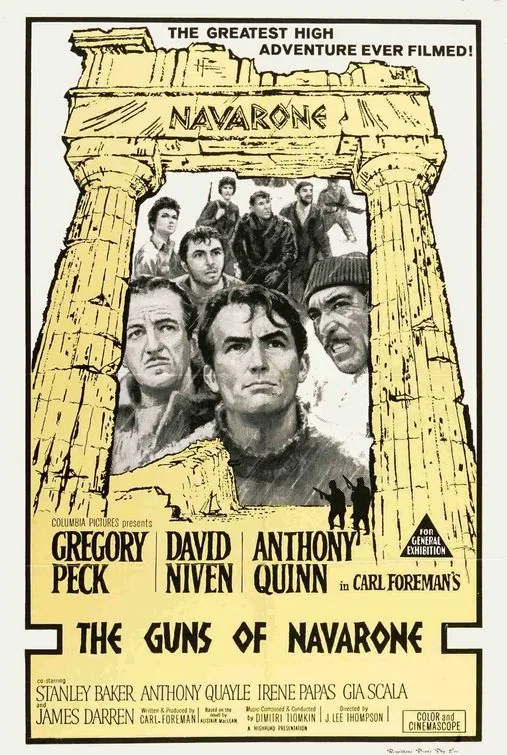
The guns turn a rescue into a timed sabotage mission: the commandos must penetrate the island and destroy the weapons before the fleet approaches.
Why this matches +
These offer a related experience with a meaningful difference in story, tone, or presentation.
An adjacent discovery: a related idea with a different viewing experience.
Genres: Drama / Action
Shared film traits
Based on recorded story, mood and style. Your preferences can change the order.
War and civilian life
What changes A group of specialists conducts a dangerous World War II mission where preparation and coordination determine survival; destroying German guns in Greece.
A British commando team is sent to infiltrate a German-held Greek island whose enormous guns prevent the Royal Navy from rescuing troops trapped on nearby Keros. Captain Keith Mallory, explosives expert John Miller and their companions must cross hostile terrain, survive mistrust within the group and reach the fortress before the rescue window closes. The mission’s practical problem—how to disable a position that air raids cannot reach—organizes the film’s mixture of covert movement, sabotage and wartime suspense. Its characters are fictional, and the island operation is a dramatic wartime adventure rather than a documentary account.
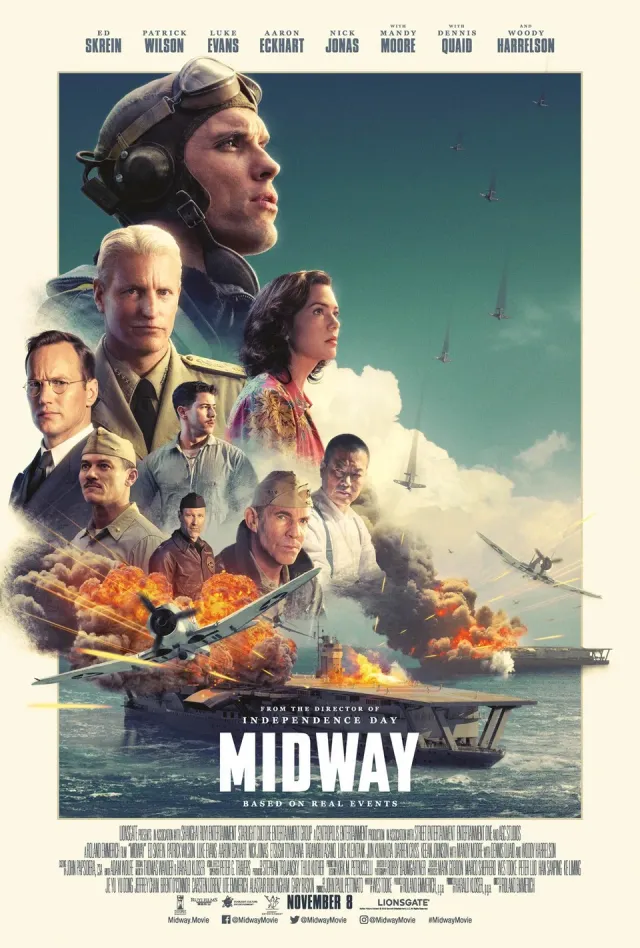
The attack on Pearl Harbor brings Navy aviator Dick Best and other American service members into the Pacific War. The film follows military decisions and air operations from the surprise attack through the Battle of Midway, moving between pilots, intelligence staff and commanders. Large-scale combat scenes frame a story about preparation, coordination and the consequences of decisions made with incomplete information.
What drives the story
American forces respond to Pearl Harbor by preparing for a decisive carrier battle in the Pacific.
The people at its centre
Pilots and commanders face the same campaign from sharply different levels of danger and responsibility.
What it feels like
The narrative alternates operational planning with aerial set pieces to make the scale of combat visible.
Worth knowing
It concentrates on naval and air warfare rather than a single ground-unit campaign.
DutyStrategyCourage
Mood
Intense · Patriotic · Grave
Pacing
Action-led · Chronological
Visual style
Large-scale effects · War spectacle · Pacific vistas
Storytelling
Naval warfare · Military intelligence · Air combat