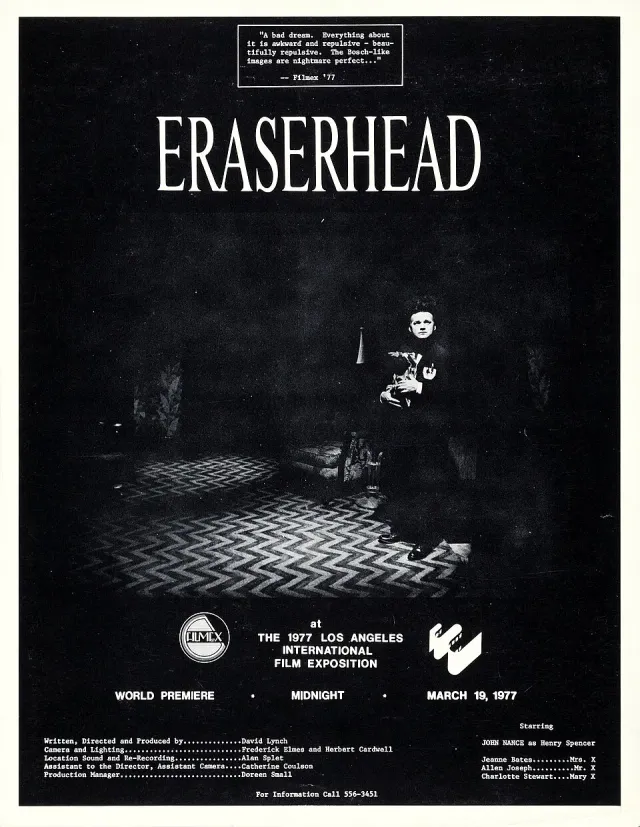
An imposed domestic responsibility produces a sequence of failed attempts at comfort or escape, while recurring images transform ordinary parenthood into an unstable bodily and psychological ordeal. Henry’s strained domestic arrangement becomes a sequence of attempted escapes whose logic shifts with his perception.
Why this matches +
Related viewing experiences with the specific differences recorded for each pair.
An adjacent discovery: a related idea with a different viewing experience.
Genres: Horror / Drama
Shared film traits
Based on recorded story, mood and style. Your preferences can change the order.
What changes Parenthood and intimate responsibility become surreal bodily dread in a carefully controlled environment; an industrial father’s nightmare replaces a woman’s creation-and-consumption allegory.
A young man's awkward encounter with his girlfriend's family leads to a household organized around an infant whose needs and bodily form he cannot comfortably understand. Sleeplessness, industrial surroundings and recurring visions make intimacy and reproduction feel inseparable from dread. Attempts to distinguish escape, desire and responsibility become less secure as the film changes the boundaries between perception and event, keeping the domestic situation distressingly immediate without supplying one stable explanatory key. The film makes domestic responsibility feel material and inescapable while refusing to stabilize the events as literal realism.
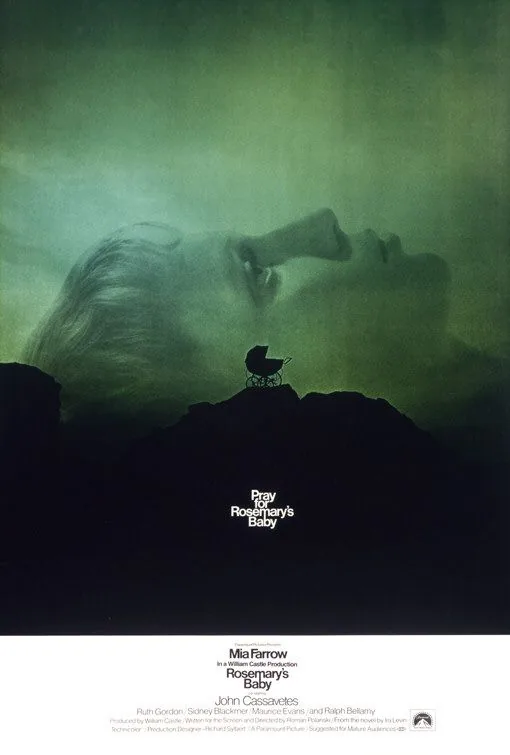
A pregnancy is managed through a coordinated network of domestic and professional authority, turning apparently solicitous assistance into a means of isolation and control.
Why this matches +
Related viewing experiences with the specific differences recorded for each pair.
An adjacent discovery: a related idea with a different viewing experience.
Genres: Horror / Drama
Shared film traits
Based on recorded story, mood and style. Your preferences can change the order.
What changes Pregnancy and a husband’s ambitions make apparently hospitable domestic relationships into a threat to a woman’s autonomy; a restrained conspiratorial mystery replaces the source’s chaotic allegorical crowds.
A young couple move into a New York apartment where friendly neighbours offer advice, gifts and increasing access to their lives. After a disturbing night and an unexpected pregnancy, the woman's attempts to understand pain and unsettling coincidences are repeatedly redirected by her husband and trusted professionals. Discovering connections among people who claim to be helping makes pregnancy a site of contested bodily agency rather than private reassurance or uncomplicated domestic fulfilment.
Harper’s solitude creates space for grief but does not shield her from memory.
Why this matches +
Related viewing experiences with the specific differences recorded for each pair.
An adjacent discovery: a related idea with a different viewing experience.
Genres: Drama / Horror
Shared film traits
Based on recorded story, mood and style. Your preferences can change the order.
What changes An isolated woman encounters recurring male entitlement through an increasingly grotesque, symbolic horror experience; village encounters and grief replace a marriage and the invasion of a restored house.
Harper rents a country house after her husband dies and spends time alone in an English village. Walks through the surrounding woods and encounters with local men blur the boundary between ordinary discomfort and the uncanny. The folk horror externalizes grief and abuse through repetition and bodily imagery, leaving viewers to interpret how memory, guilt, and gendered threat shape Harper’s experience.
A coveted dual role turns perfectionism into a demand to become incompatible versions of oneself under escalating scrutiny.
Why this matches +
Related viewing experiences with the specific differences recorded for each pair.
An adjacent discovery: a related idea with a different viewing experience.
Genres: Drama / Thriller
Shared film traits
Based on recorded story, mood and style. Your preferences can change the order.
Both directed by Darren Aronofsky.
What changes Bodily vulnerability and a woman’s constricted perspective turn an intimate environment into feverish psychological horror; performance perfection replaces domestic restoration and sacrificial motherhood.
A tightly controlled ballet dancer is chosen to perform a lead role demanding both precision and a sensual spontaneity she struggles to express. Pressure from a manipulative director, a possessive mother and an apparently freer rival intensifies her fear of being replaced. As rehearsal consumes her private life, bodily disturbance and unreliable perception blur the line between artistic transformation and a dangerous collapse of self.
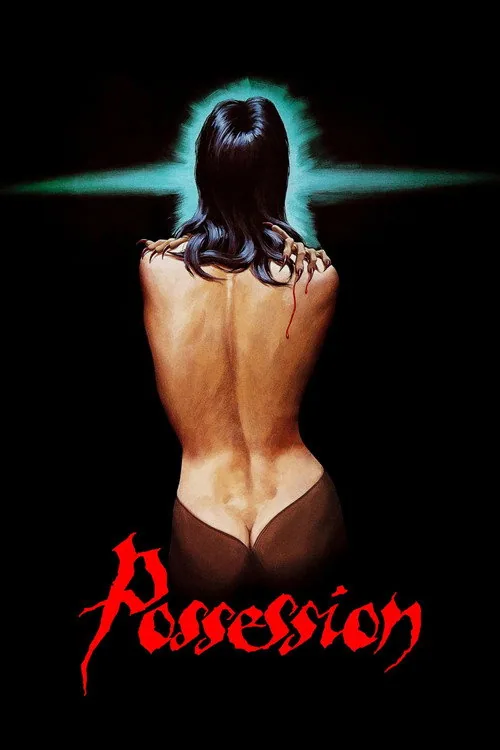
Mark's effort to understand his wife's sudden departure becomes a search through a marriage and reality breaking apart.
Why this matches +
Related viewing experiences with the specific differences recorded for each pair.
An adjacent discovery: a related idea with a different viewing experience.
Genres: Horror / Drama
Shared film traits
Based on recorded story, mood and style. Your preferences can change the order.
What changes A disintegrating marriage becomes an extreme bodily and symbolic nightmare of intimacy and control; divided spousal perspectives and a divided Berlin replace Mother’s trapped domestic viewpoint and biblical crowds.
When spy Mark returns to West Berlin, his wife Anna says she wants to leave him, and their separation turns into a violent unraveling of family life. Mark tries to care for their young son while tracking Anna's movements and encountering people who seem to mirror her. What begins as a marital breakdown becomes an increasingly grotesque psychological and supernatural ordeal. Andrzej Żuławski's intense drama uses fractured behavior and a divided city to make private collapse feel apocalyptic.
A poet known as Him lives with his younger wife, Mother, in a secluded house she is restoring. When a physician and his wife arrive uninvited, Him welcomes them; their sons then fight, and one dies. The mourners who descend on the home ignore Mother's objections and damage the house. Pregnancy briefly gives her and Him a shared future, but the poet's renewed fame brings crowds, escalating violence and invasions of domestic space. Mother tries to protect her newborn and the home while Him repeatedly privileges visitors and adoration over her safety.
What drives the story
A succession of guests converts hospitality into trespass, then turns the house itself into an escalating crisis that the couple cannot agree how to govern.
The people at its centre
Mother's labor and boundaries are repeatedly subordinated to Him's need for admiration; the imbalance makes their intimacy feel exploitative rather than mutually sustaining.
What it feels like
Claustrophobic point-of-view, sensory damage and abrupt tonal escalation create a deliberately disorienting descent into allegorical horror.
Worth knowing
Darren Aronofsky has described the film as built on biblical structure and environmental allegory. Those intended frames coexist with its intimate home-invasion story; no single code accounts for every image, and its escalating violence remains central to the viewing experience.