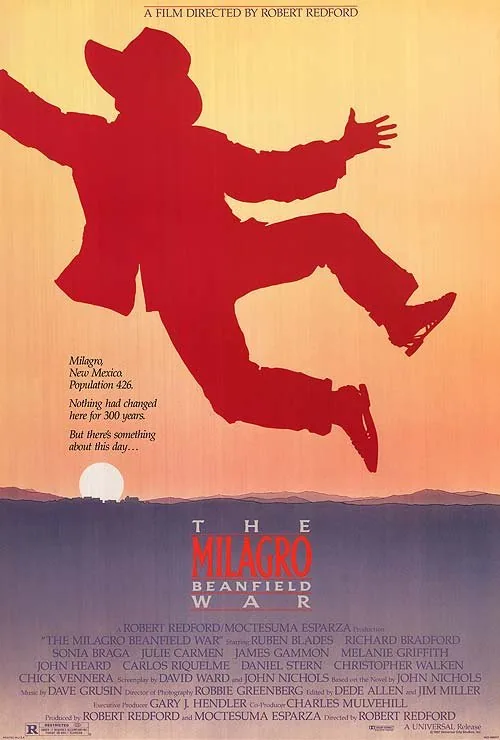
One farmer's beanfield becomes the focus of a town's fight over water and development.
Why this matches +
Related viewing experiences with the specific differences recorded for each pair.
An adjacent discovery: a related idea with a different viewing experience.
Genres: Drama / Comedy
Shared film traits
Based on recorded story, mood and style. Your preferences can change the order.
Political resistance
What changes The Milagro Beanfield War follows a small community resisting a powerful development scheme, moving the underdog-versus-influence conflict from the Senate to rural New Mexico.
In the dry New Mexico town of Milagro, Joe Mondragon diverts irrigation water onto his small field and plants beans on land targeted for a resort development. His seemingly modest act draws farmers, business owners, officials and activists into a dispute over water rights and local control. The ensemble comedy-drama follows a community deciding whether to accept the project's promises or defend its way of life.
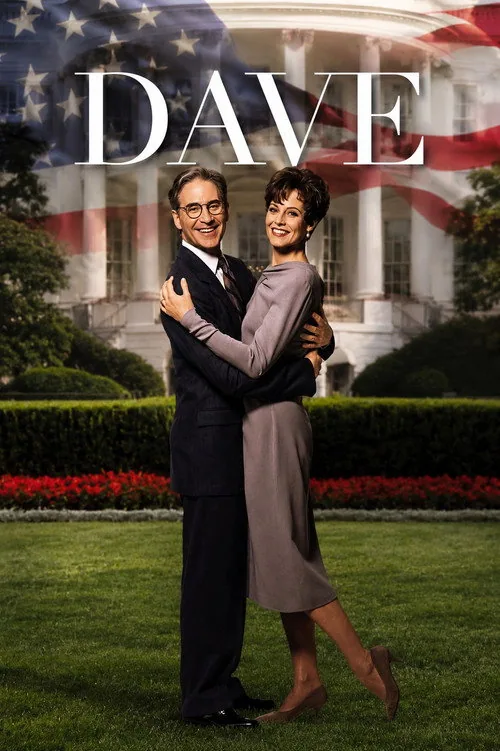
A small-business owner is recruited as a presidential double and ends up making real decisions once the president cannot return.
Why this matches +
Related viewing experiences with the specific differences recorded for each pair.
An adjacent discovery: a related idea with a different viewing experience.
Genres: Comedy / Romance
Shared film traits
Based on recorded story, mood and style. Your preferences can change the order.
Political resistance
What changes Dave follows an ordinary, well-meaning outsider placed in the presidency who challenges cynical advisers, using impersonation and modern comedy rather than a senator's filibuster.
Dave Kovic earns money by impersonating the president at public events because he looks remarkably like President Bill Mitchell. When the Secret Service asks him to stand in after Mitchell suffers a stroke, Dave becomes part of a political cover-up and is drawn into the workings of the White House. His honest instincts win the confidence of the first lady and staff, while the president's allies try to use the substitution for their own ends. The comedy asks what ordinary decency might do inside executive power.
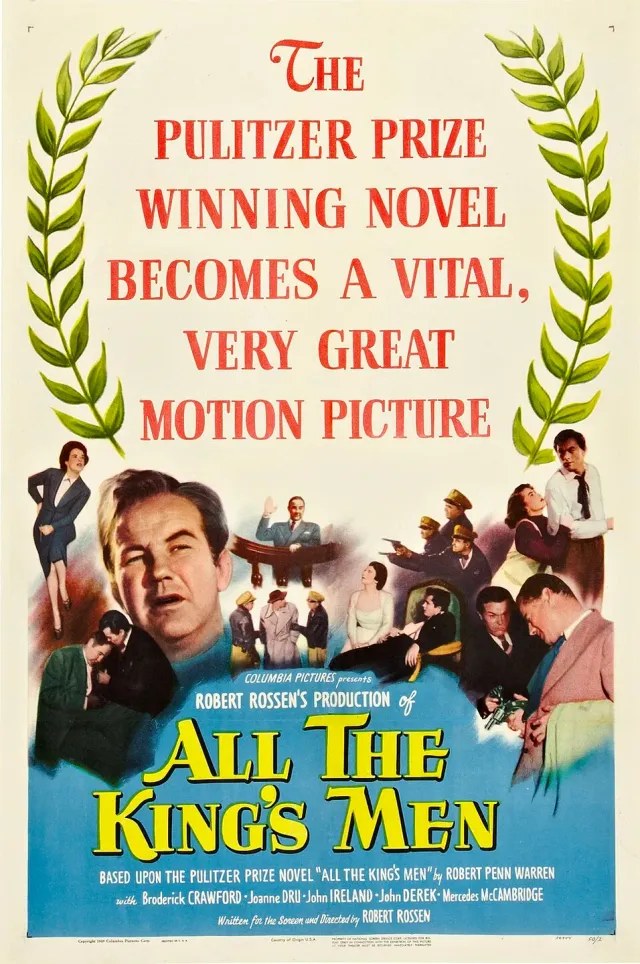
Stark's campaign begins as a revolt against a rigged political order, then reproduces its leverage through loyalty, favors and intimidation. Jack's retrospective narration measures the cost of remaining inside that transformation.
Why this matches +
Related viewing experiences with the specific differences recorded for each pair.
An adjacent discovery: a related idea with a different viewing experience.
Genres: Drama
Shared film traits
Based on recorded story, mood and style. Your preferences can change the order.
What changes All the King's Men examines populist politics and corrupt power from a far darker perspective, following a politician's rise rather than an idealist fighting a political machine.
Country lawyer Jack Burden watches Willie Stark rise from a local reformer to a powerful state politician whose populist appeal increasingly depends on patronage and coercion. Jack's work as a political aide puts him close to the bargains behind the public speeches and ties his family's history to Stark's climb. The story asks whether exposing corruption can remain separate from helping it operate. The film opened in New York in 1949 but received its broader release in 1950, which explains the catalogue's 1950 dating and its alternate 1949 label.
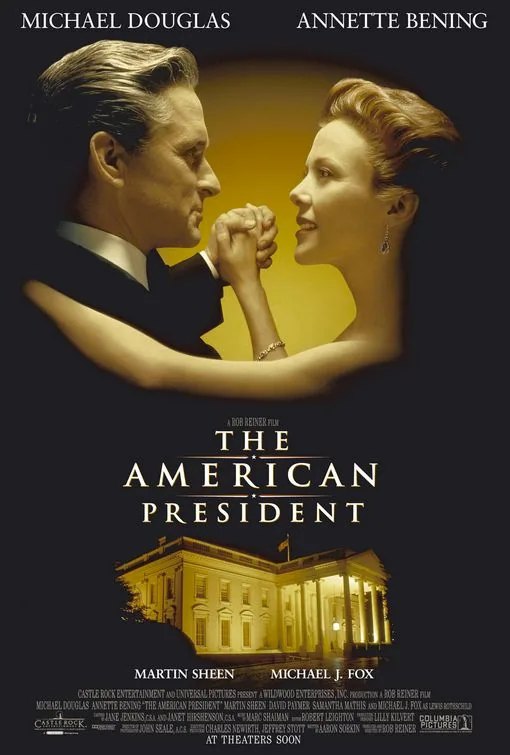
A president's courtship of a lobbyist becomes public during a contentious policy season.
Why this matches +
Related viewing experiences with the specific differences recorded for each pair.
An adjacent discovery: a related idea with a different viewing experience.
Genres: Comedy / Drama
Shared film traits
Based on recorded story, mood and style. Your preferences can change the order.
What changes The American President combines political maneuvering and a leader's appeal to public principles, with a sitting president's romance and policy battles rather than a freshman senator's frame-up.
Widowed president Andrew Shepherd begins dating Sydney Ellen Wade, an environmental lobbyist whose public work makes the relationship politically visible. As the White House manages policy, an election and attacks from opponents, the couple must decide how private affection can coexist with public duty. The romantic comedy places a personal relationship inside presidential decision-making without treating political debate as mere background decoration.
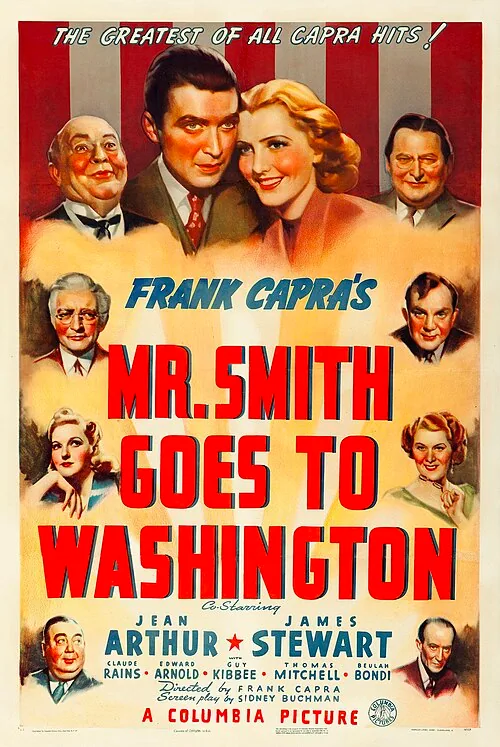
Boy Rangers leader Jefferson Smith is appointed to the Senate as a supposedly manageable replacement. Senior senator Joseph Paine mentors him while political boss Jim Taylor expects him to support a corrupt dam scheme. Smith proposes a national boys' camp, unaware the site is already part of the graft plan. When Paine manufactures evidence that Smith owns the land for personal gain, secretary Clarissa Saunders helps him fight back. Smith takes to the Senate floor for a filibuster, trying to hold attention long enough for the public to hear the truth before the machine expels him.
What drives the story
A modest camp bill exposes a larger graft operation, and Smith's only available weapon is to use Senate procedure and endurance against institutional control.
The people at its centre
Paine's paternal mentorship is revealed as compromised loyalty, while Saunders moves from cynical aide to active ally as Smith's idealism becomes costly.
What it feels like
A civic melodrama builds from press caricature and political maneuvering to an extended, theatrical Senate speech.
Worth knowing
It shares political corruption with modern dramas, but its emotional promise is old-fashioned civic idealism tested through procedural resistance.