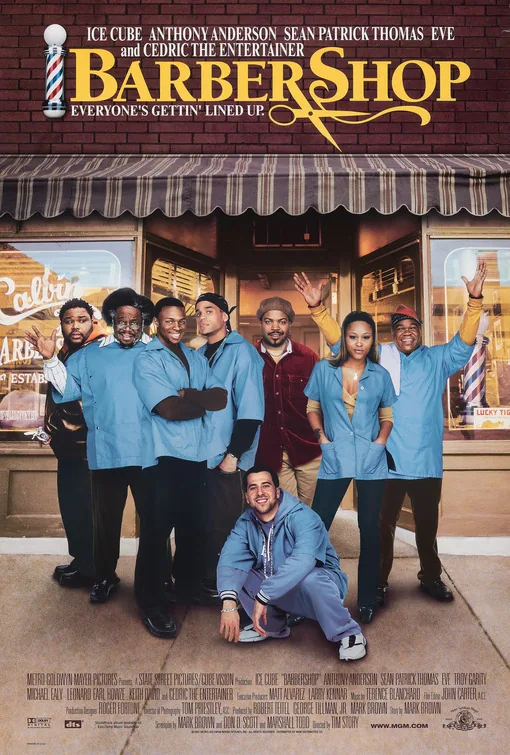
Calvin’s plan to sell the shop forces him to see that the business is also a daily meeting place whose value cannot be measured only in money.
Why this matches +
These offer a related experience with a meaningful difference in story, tone, or presentation.
An adjacent discovery: a related idea with a different viewing experience.
Genres: Comedy / Drama
Shared film traits
Based on recorded story, mood and style. Your preferences can change the order.
Coming of age
What changes A neighborhood business becomes a gathering place where community members debate change, loyalty and their shared future.
A Chicago barbershop owner considers selling the family business, while a day’s conversations reveal what the shop means to its customers. The lively workplace debate becomes a decision about preserving a neighborhood gathering place or pursuing financial relief. The comedy treats the shop as civic space where ordinary talk carries humor, memory and competing values. An ensemble of regulars and loose conversation give the film a communal rhythm that extends beyond the central sale.
A conflict over the right to graze cattle becomes a test of whether a small community can resist a rancher's private authority.
Why this matches +
These offer a related experience with a meaningful difference in story, tone, or presentation.
An adjacent discovery: a related idea with a different viewing experience.
Genres: Western / Drama
Shared film traits
Based on recorded story, mood and style. Your preferences can change the order.
Political resistance
What changes People in a rural community resist a powerful landowner trying to dictate who can use the land and how.
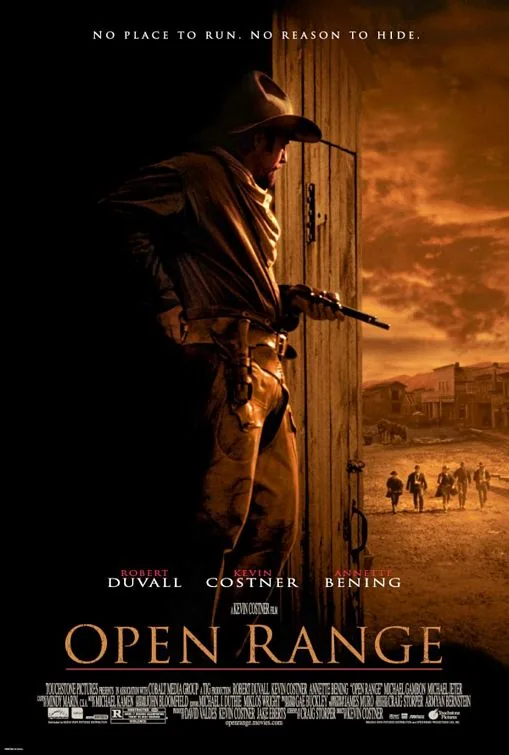
Two free-grazing cattlemen enter a Montana town controlled by a wealthy rancher who expects them to follow his rules. When violence against their crew reveals that negotiation alone will not protect the community, the men consider how to respond without abandoning the code that has guided their lives. The Western builds from quiet work and local observation toward a confrontation about land, power and the meaning of self-determination.
William studies energy production after losing access to school and tries to persuade his father to let him build a windmill-powered pump.
Why this matches +
These offer a related experience with a meaningful difference in story, tone, or presentation.
An adjacent discovery: a related idea with a different viewing experience.
Genres: Biography / Drama
Shared film traits
Based on recorded story, mood and style. Your preferences can change the order.
Coming of age
What changes A young inventor works to address a farming community's water crisis while local families struggle to protect their livelihoods.
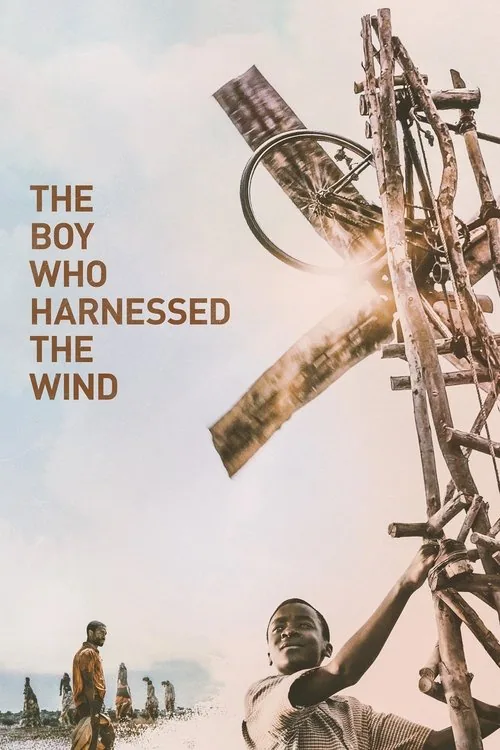
In a farming village in Malawi, young William Kamkwamba is forced to leave school when his family can no longer pay tuition. He keeps learning from the library and salvaged electronics while drought destroys the harvest and famine puts his community under severe pressure. William proposes building a windmill from discarded parts to power a water pump, but the project depends on persuading his skeptical father to risk the family's last bicycle. The story follows practical ingenuity as an answer to a crisis that overwhelms individuals.
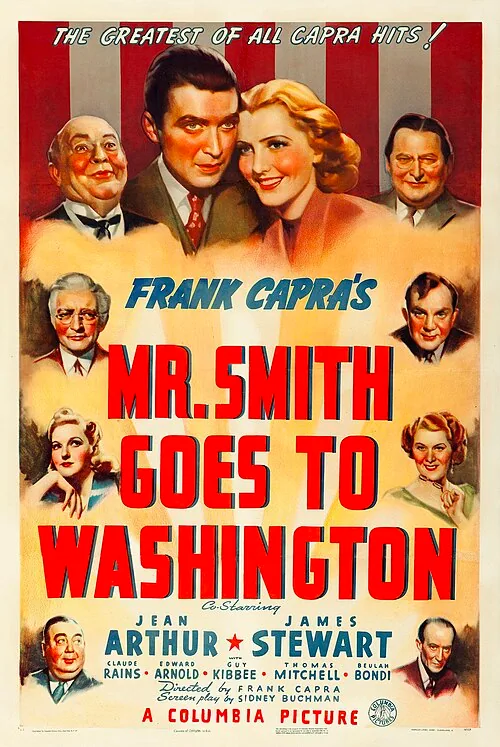
A modest camp bill exposes a larger graft operation, and Smith's only available weapon is to use Senate procedure and endurance against institutional control.
Why this matches +
These offer a related experience with a meaningful difference in story, tone, or presentation.
An adjacent discovery: a related idea with a different viewing experience.
Genres: Drama / Comedy
Shared film traits
Based on recorded story, mood and style. Your preferences can change the order.
Political resistance
What changes An ordinary citizen confronts entrenched political and business interests over a project that threatens local public interests.
Boy Rangers leader Jefferson Smith is appointed to the Senate as a supposedly manageable replacement. Senior senator Joseph Paine mentors him while political boss Jim Taylor expects him to support a corrupt dam scheme. Smith proposes a national boys' camp, unaware the site is already part of the graft plan. When Paine manufactures evidence that Smith owns the land for personal gain, secretary Clarissa Saunders helps him fight back. Smith takes to the Senate floor for a filibuster, trying to hold attention long enough for the public to hear the truth before the machine expels him.
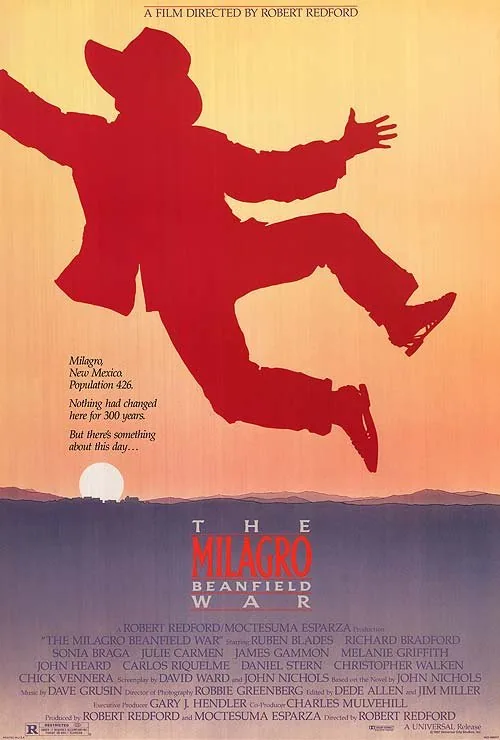
In the dry New Mexico town of Milagro, Joe Mondragon diverts irrigation water onto his small field and plants beans on land targeted for a resort development. His seemingly modest act draws farmers, business owners, officials and activists into a dispute over water rights and local control. The ensemble comedy-drama follows a community deciding whether to accept the project's promises or defend its way of life.
What drives the story
One farmer's beanfield becomes the focus of a town's fight over water and development.
The people at its centre
Joe's impulsive act draws support from neighbors whose interests and methods do not always align.
What it feels like
The film combines local humor with a political conflict rooted in land, water and cultural memory.
Worth knowing
Its rural community mobilization differs from a courtroom drama or a lone-hero political thriller.
CommunityLandJustice
Mood
Warm · Defiant · Comic
Pacing
Community story with accumulating conflict
Visual style
Ensemble realism · Southwestern landscape and folk touches
Storytelling
Water rights · Small-town protest · Development dispute