Explore films connected to No Other Choice through Work and identity, Economic insecurity, Rationalizing violence. Choose the qualities you want to carry into your next watch.
What should feel similar?
Find your next favourite
9 films · Closest overall matches
Hide films you’ve seen or don’t want. Saved on this device.
No matches for this combination yet.
Try another option or reset your choices to see more films.
Both share a darkly comic and satirical atmosphere.
Why this matches +
Genres: Comedy / Crime
Shared film traits
Based on recorded story, mood and style. Your preferences can change the order.
Criminal underworld
What changes No Other Choice: character-driven suspense, comic unease and violence escalates. Ruthless People: escalating and farce.
Unhappy millionaire Sam Stone is delighted when kidnappers take his wife Barbara, believing they will carry out his own plan to murder her. The kidnappers, Ken and Sandy, have their own motives and soon discover that Sam has no interest in paying a ransom. Their intersecting schemes spiral into misunderstandings and reversals, turning a domestic revenge plot into a farce about greed and selfishness.
Based on recorded story, mood and style. Your preferences can change the order.
What changes No Other Choice: character-driven suspense, comic unease and violence escalates. American Beauty: measured.
A suburban advertising worker responds to dissatisfaction with work and marriage by attempting a dramatic reinvention of his daily life. His fixation on his daughter's friend becomes one expression of a wish to recover a younger, less constrained self. Neighbouring households reveal other gaps between appearances and private experience, while narration from beyond the story's endpoint makes ordinary grievances unfold beneath an approaching death.
Based on recorded story, mood and style. Your preferences can change the order.
Criminal underworld
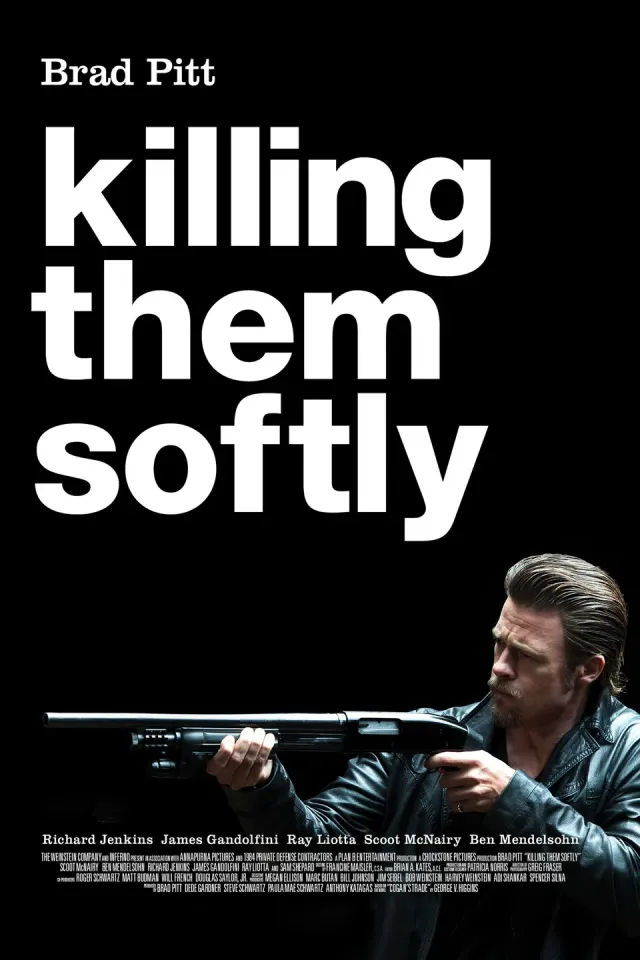
What changes No Other Choice: character-driven suspense, comic unease and violence escalates. Killing Them Softly: deliberate and procedural.
When a robbery disrupts a mob-protected poker game, fixer Jackie Cogan is hired to identify the responsible men and restore confidence in the criminal economy. Conversations among gangsters, clients and intermediaries reveal a world where business language masks fear and self-interest. Andrew Dominik adapts the crime story as a spare, darkly comic portrait of violence treated as routine work.
Based on recorded story, mood and style. Your preferences can change the order.
Memory and identity
What changes No Other Choice: character-driven suspense, comic unease and violence escalates. Burning: slow-burn, observational and ambiguous escalation.
Aspiring writer Lee Jong-su reconnects with childhood acquaintance Shin Hae-mi, who asks him to feed her cat while she travels. When she returns with wealthy and enigmatic Ben, Jong-su becomes increasingly suspicious after Ben describes a private pastime involving greenhouses. Hae-mi then disappears, and Jong-su tries to determine what happened while his interpretations grow more intense. Lee Chang-dong’s Korean psychological mystery adapts a Haruki Murakami story into an ambiguous portrait of class, desire, and the danger of incomplete knowledge.
Based on recorded story, mood and style. Your preferences can change the order.
Memory and identity
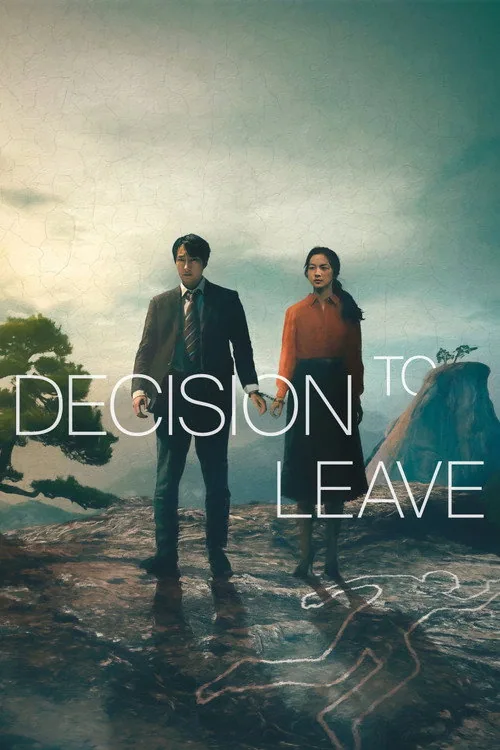
What changes No Other Choice: character-driven suspense, comic unease and violence escalates. Decision to Leave: measured procedural build and emotional turns reshape earlier scenes.
After a man dies in a fall from a mountain, detective Hae-joon investigates the death and focuses on the dead climber’s widow, Seo-rae. Their interviews and surveillance gradually develop into an attraction that complicates the case and Hae-joon’s own sense of professional distance. Park Chan-wook shapes the film as a Korean-language romantic mystery and psychological neo-noir, using shifts in perspective, meticulous visual design, and restrained performances to make attention itself a source of intimacy and doubt.
Based on recorded story, mood and style. Your preferences can change the order.
Memory and identity
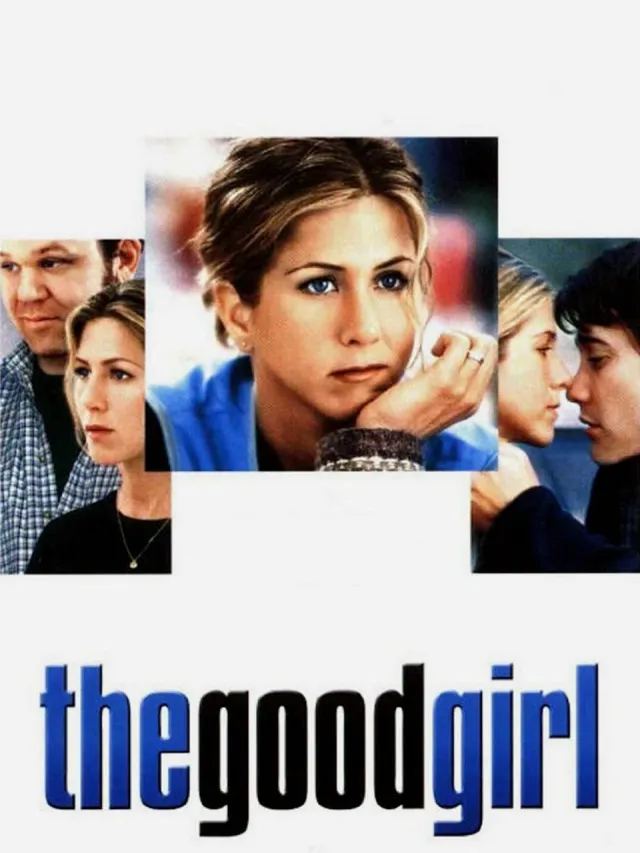
What changes No Other Choice: character-driven suspense, comic unease and violence escalates. The Good Girl: conversational and episodic.
A dissatisfied retail worker begins an affair with a young co-worker while her marriage and small-town routine feel increasingly confining. Their private escape changes once fantasy collides with responsibility and with the people affected by their decisions. The film observes how self-pity can make destructive choices feel like liberation before their consequences become unavoidable. Understated performances and everyday retail spaces give the drama a dry, unsentimental texture.
Based on recorded story, mood and style. Your preferences can change the order.
Criminal underworld
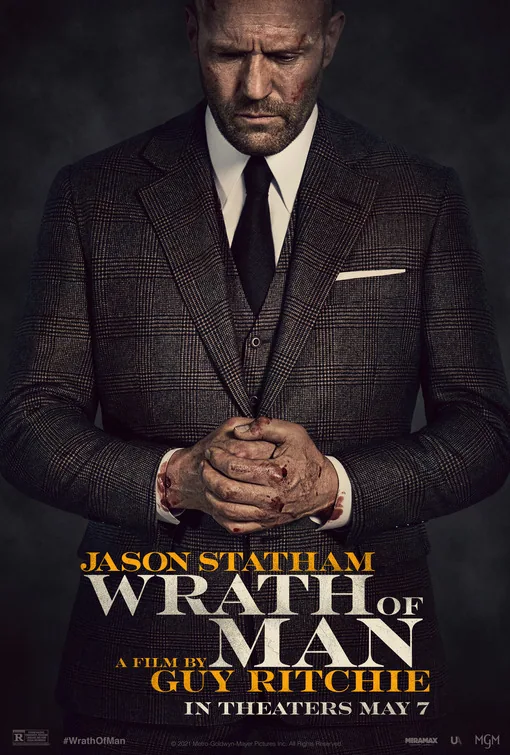
What changes No Other Choice: character-driven suspense, comic unease and violence escalates. Wrath of Man: nonlinear chapters gradually disclose the motive behind the job.
A guarded man known as H takes a job with an armored-truck company and displays exceptional skill during a robbery. His coworkers begin to suspect that his motives extend beyond the job as the story reveals a personal loss linked to the company’s routes. Guy Ritchie’s crime thriller rearranges chronology to reveal the connections between the crew, the robberies and H’s deliberate search for those responsible.
Based on recorded story, mood and style. Your preferences can change the order.
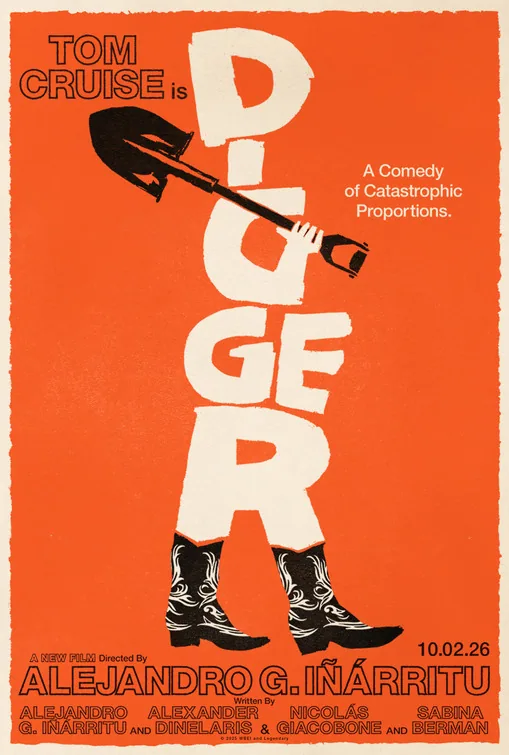
What changes No Other Choice: character-driven suspense, comic unease and violence escalates. Digger: propulsive and escalating.
A powerful man sets out to cast himself as humanity's rescuer after a disaster linked to his own decisions threatens far more than his reputation. The crisis draws private ambition into public view, turning damage control into an increasingly unstable performance of leadership. As the scale of the emergency grows, the gap between his self-image and the consequences he must face becomes the film's comic and dramatic pressure point.
Based on recorded story, mood and style. Your preferences can change the order.
Memory and identity
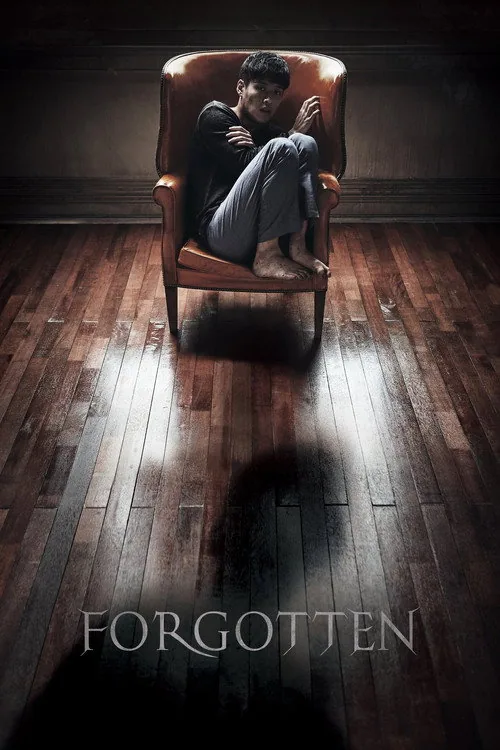
What changes No Other Choice: character-driven suspense, comic unease and violence escalates. Forgotten: clue-driven escalation, shifting perspective and twist-oriented suspense.
Jin-seok moves with his family into a new home and shares a room nearby with his older brother Yoo-seok, whom he deeply admires. When Yoo-seok is abducted and returns nineteen days later with no memory of the event, Jin-seok notices changes that make the family's reassuring explanations hard to accept. His investigation becomes a psychological thriller about memory, identity, and the reliability of familiar relationships. The Korean film uses escalating clues and an unstable point of view to keep both the protagonist and the audience questioning what has actually happened.
After Man-su is abruptly laid off from the paper company where he has worked for twenty-five years, he searches for another position while trying to protect his family’s comfortable life. The scarcity of suitable jobs turns a normal job hunt into a bitter rivalry with other experienced applicants. Park Chan-wook adapts Donald E. Westlake’s novel as a Korean dark comedy and thriller about work, status, and desperation, following the increasingly extreme logic Man-su applies to a labor market that offers few options.
What drives the story
Man-su’s attempt to replace a lost job evolves into a plan to remove competitors as ordinary applications fail to restore his prospects.
The people at its centre
His family’s expectations and his fellow job seekers expose how loyalty and competition change when economic security disappears.
What it feels like
The film joins precise domestic observation with black humor and bursts of violence, treating career loss as an existential crisis.
Worth knowing
It is a South Korean adaptation of Westlake’s The Ax, distinct from Costa-Gavras’s earlier French-language adaptation.
Work and identityEconomic insecurityRationalizing violence