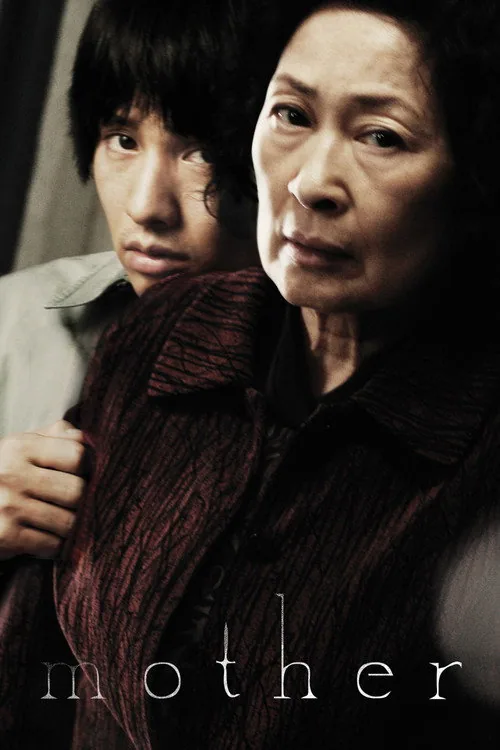
The mother pursues her own explanation of a murder as the official case and the town’s assumptions threaten her son’s future.
Why this matches +
A reserved observer's uncertain evidence entangles private desire, concealed violence and the limits of knowing another person.
Genres: Crime / Thriller
Shared film traits
Based on recorded story, mood and style. Your preferences can change the order.
Investigation · Memory and identity
What changes Burning: slow-burn, observational and ambiguous escalation. Mother: investigation-driven, gradual revelation and tonal shifts.
An unnamed mother’s adult son, Do-joon, is arrested after a teenage girl is found murdered in their South Korean town. Convinced that the investigation has settled on him too quickly, she searches for evidence and questions people who knew the victim. Her determination is complicated by the limits of the police inquiry and by the town’s assumptions about her son. Bong Joon-ho’s neo-noir thriller becomes an unsettling study of devotion, denial, and moral compromise. It addresses the murder and sexual exploitation of a minor and contains violence and distressing family material.
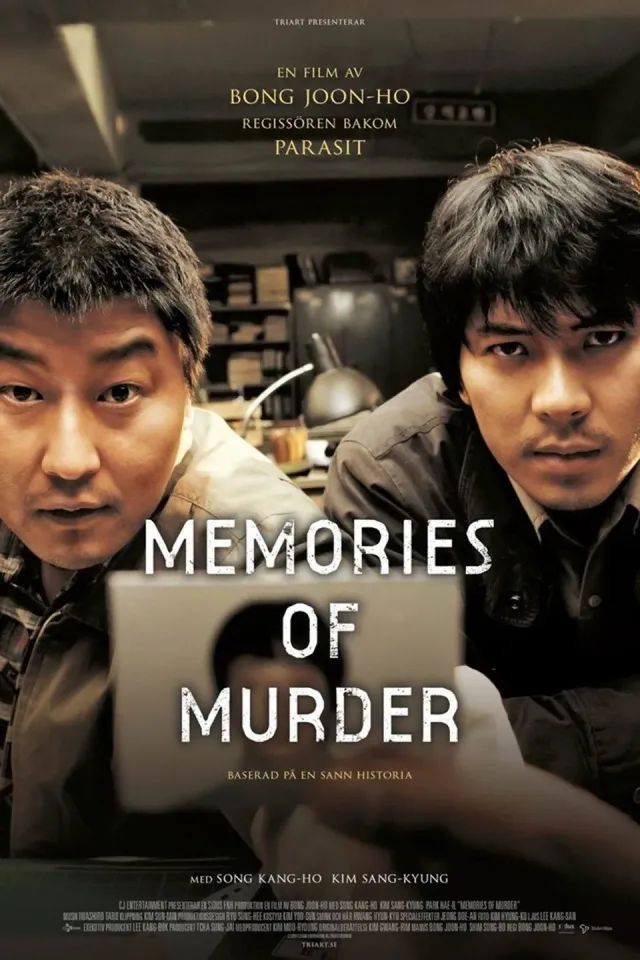
An elusive serial case tests methods that produce certainty more easily than reliable evidence.
Why this matches +
A reserved observer's uncertain evidence entangles private desire, concealed violence and the limits of knowing another person.
Genres: Crime / Mystery
Shared film traits
Based on recorded story, mood and style. Your preferences can change the order.
Investigation
What changes Burning: slow-burn, observational and ambiguous escalation. Memories of Murder: measured and escalating.
Detectives in a rural Korean district investigate a series of killings with limited forensic resources and deeply unreliable police practices. A visiting investigator's faith in evidence collides with local coercion, intuition and pressure for a quick arrest. Repeated failures erode their confidence as the search exposes both the victims' vulnerability and the institutions meant to protect them.
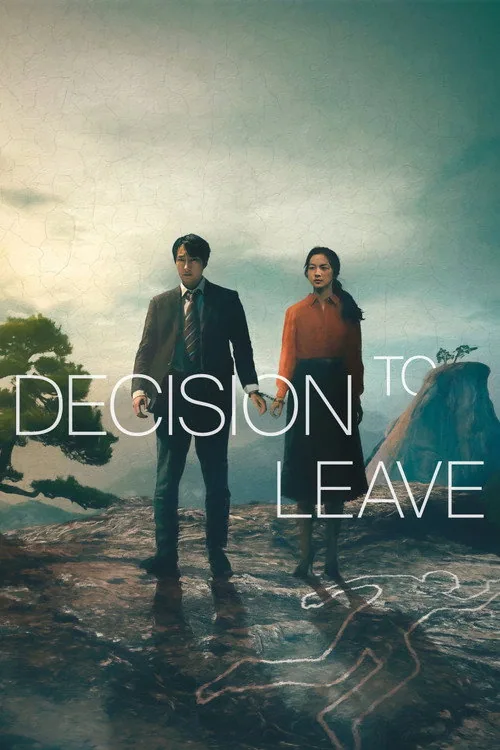
The investigation advances through interviews and observation while attraction weakens the detective’s confidence in his own judgment.
Why this matches +
A reserved observer's uncertain evidence entangles private desire, concealed violence and the limits of knowing another person.
Genres: Mystery / Romance
Shared film traits
Based on recorded story, mood and style. Your preferences can change the order.
Investigation · Memory and identity
What changes Burning: slow-burn, observational and ambiguous escalation. Decision to Leave: measured procedural build and emotional turns reshape earlier scenes.
After a man dies in a fall from a mountain, detective Hae-joon investigates the death and focuses on the dead climber’s widow, Seo-rae. Their interviews and surveillance gradually develop into an attraction that complicates the case and Hae-joon’s own sense of professional distance. Park Chan-wook shapes the film as a Korean-language romantic mystery and psychological neo-noir, using shifts in perspective, meticulous visual design, and restrained performances to make attention itself a source of intimacy and doubt.
An elusive criminal's intermittent evidence creates a prolonged investigation whose uncertainty becomes a sustaining obsession of its own.
Why this matches +
A reserved observer's uncertain evidence entangles private desire, concealed violence and the limits of knowing another person.
Genres: Thriller / Mystery
Shared film traits
Based on recorded story, mood and style. Your preferences can change the order.
Investigation
What changes Burning: slow-burn, observational and ambiguous escalation. Zodiac: slow burn.
A series of killings and public messages draws police officers and newspaper staff into a search for an offender who controls attention through selective disclosure. Years of interviews, uncertain identifications and jurisdictional boundaries make progress difficult to distinguish from renewed speculation. A cartoonist's growing private commitment to the case exposes the personal cost of treating an unresolved account as a problem that more persistence must eventually close.
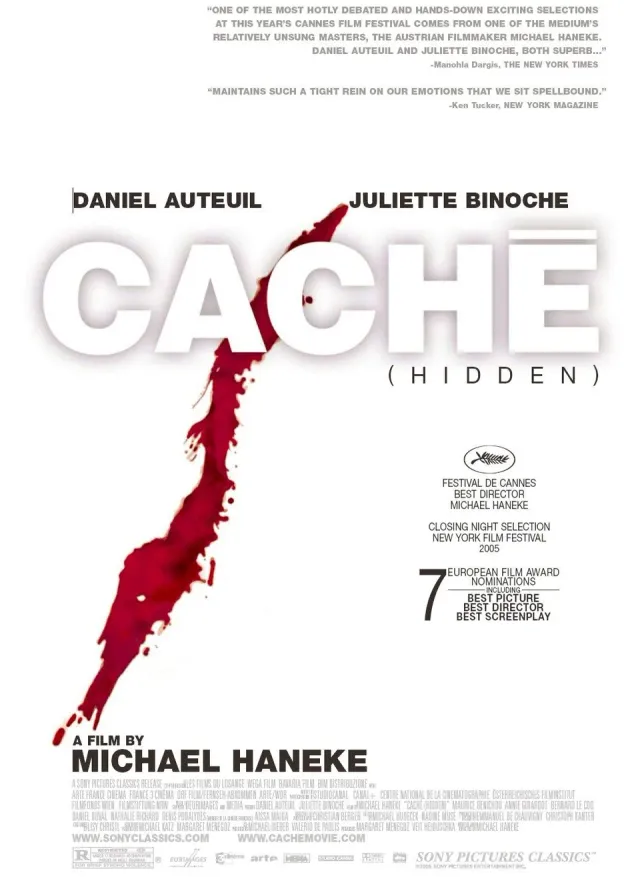
Anonymous images trigger a search that turns from identifying a watcher toward Georges's childhood harm and the colonial history he keeps outside his present account. The film links a private lie to the wider aftermath of the October 1961 massacre without explaining who sent the tapes.
Why this matches +
A reserved observer's uncertain evidence entangles private desire, concealed violence and the limits of knowing another person.
Genres: Drama / Thriller
Shared film traits
Based on recorded story, mood and style. Your preferences can change the order.
Investigation · Memory and identity
What changes Burning: slow-burn, observational and ambiguous escalation. Caché: slow burn.
Georges and Anne receive anonymous recordings of their Paris home, accompanied by drawings that point toward Georges's childhood. His search leads back to Majid, an Algerian orphan whose family was likely lost in the 1961 Paris massacre, and to Georges's lie that helped keep the boy from his own family. The tapes never yield a stable explanation of who made them, but uncertainty about authorship does not make the historical injury or Georges's responsibility unreal. Haneke makes the viewer's position as watcher part of the pressure.
A solitary professor discovers an actor who appears to be his exact double and seeks him out.
Why this matches +
A reserved observer's uncertain evidence entangles private desire, concealed violence and the limits of knowing another person.
Genres: Thriller / Drama
Shared film traits
Based on recorded story, mood and style. Your preferences can change the order.
Memory and identity
What changes Burning: slow-burn, observational and ambiguous escalation. Enemy: slow-building and subjective.
History professor Adam Bell notices an actor who looks exactly like him in a small film role and becomes determined to find the stranger. Their encounter draws both men and their partners into a pattern of secrecy, anxiety, and uncertainty about identity. Denis Villeneuve's psychological thriller adapts José Saramago through recurring images and an ambiguous structure, inviting attention to repetition and symbolism rather than offering a conventional explanation for every event.
Jerry’s promise to a grieving parent keeps him investigating after the department accepts a confession and moves on.
Why this matches +
A reserved observer's uncertain evidence entangles private desire, concealed violence and the limits of knowing another person.
Genres: Crime / Drama
Shared film traits
Based on recorded story, mood and style. Your preferences can change the order.
Investigation · Memory and identity
What changes Burning is tagged uneasy and contemplative; The Pledge is tagged somber and patient.
On the day of his retirement, Nevada detective Jerry Black helps investigate the murder of an eight-year-old girl. He promises the child’s mother that he will find the killer, but the police quickly close the case after a suspect confesses. Jerry remains unconvinced and continues his own inquiry, gradually reorganizing his life around a theory that others dismiss. Sean Penn’s psychological crime drama follows the cost of obsession and the burden of a promise that may have no clear answer.
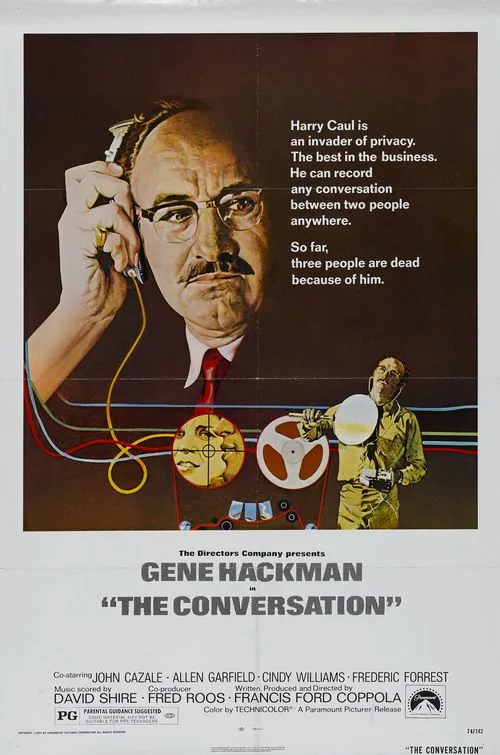
Repeated analysis of a recorded conversation deepens a technician's uncertainty about the harm his work may enable.
Why this matches +
A reserved observer's uncertain evidence entangles private desire, concealed violence and the limits of knowing another person.
Genres: Mystery / Thriller
Shared film traits
Based on recorded story, mood and style. Your preferences can change the order.
Investigation
What changes Burning: slow-burn, observational and ambiguous escalation. The Conversation: slow burn.
A surveillance specialist records a couple in a crowded square and becomes preoccupied with what their apparently ordinary exchange might mean. His professional distance is eroded by memories of an earlier job with deadly consequences. Replaying and refining the recording draws him into a situation where technical precision cannot guarantee understanding, and the observer begins to fear that he is also being watched.
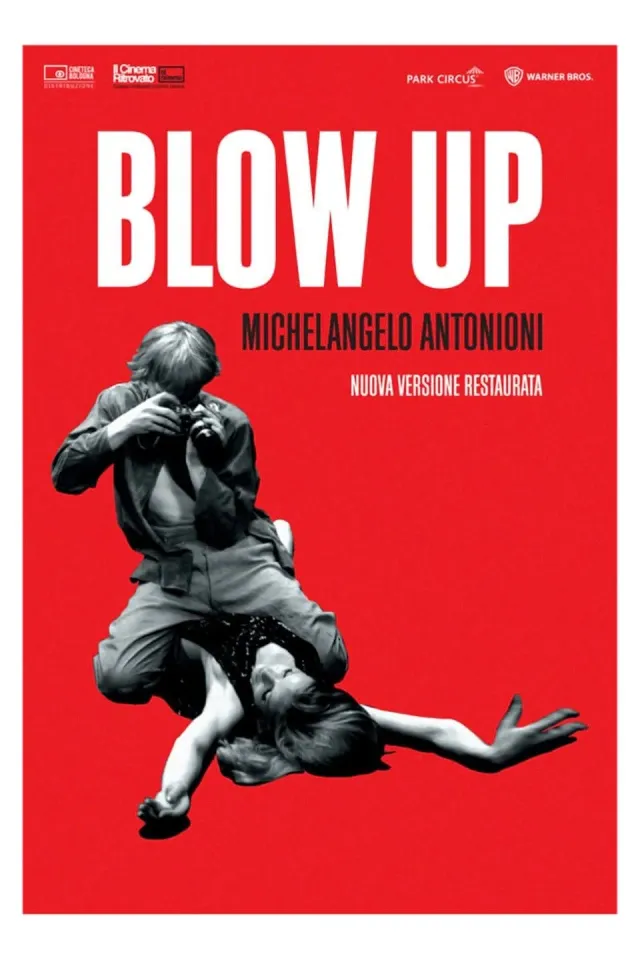
A casual photograph becomes a suspected crime scene, but each attempt to enlarge or verify the image multiplies interpretations rather than securing proof. The disappearance of the prints and possible body leaves the method of verification unstable.
Why this matches +
A reserved observer's uncertain evidence entangles private desire, concealed violence and the limits of knowing another person.
Genres: Drama / Mystery
Shared film traits
Based on recorded story, mood and style. Your preferences can change the order.
Investigation
What changes Burning: slow-burn, observational and ambiguous escalation. Blowup: slow.
A fashion photographer follows a couple through a London park and later enlarges his pictures until he suspects they record a killing. Each crop seems to sharpen a detail while loosening the connection between image and event; a possible body and the prints themselves then disappear. His professional habit of turning people into subjects gives him no authority over what the encounter meant or how others receive his evidence. The investigation tests whether looking closely can ever amount to possessing the truth. In the final tennis sequence, the audience is asked to sustain the same unstable act of seeing.
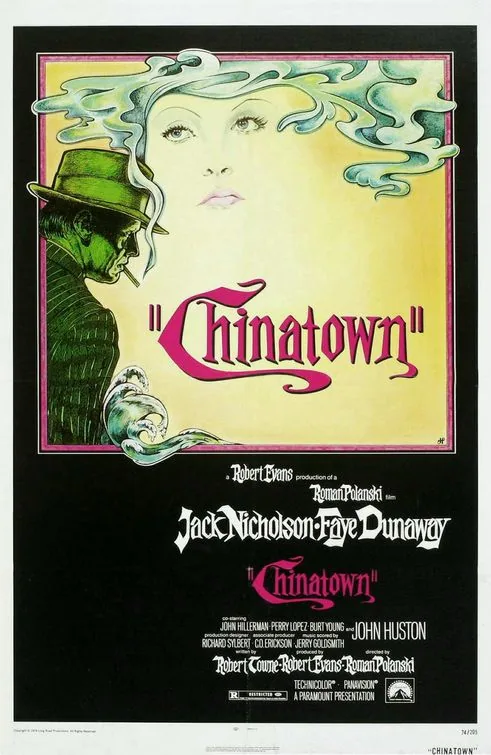
A small surveillance assignment expands into a confrontation with wealth whose authority reaches beyond the investigator's practical ability to expose or restrain it.
Why this matches +
A reserved observer's uncertain evidence entangles private desire, concealed violence and the limits of knowing another person.
Genres: Mystery / Crime
Shared film traits
Based on recorded story, mood and style. Your preferences can change the order.
Investigation
What changes Burning: slow-burn, observational and ambiguous escalation. Chinatown: slow burn.
A private investigator accepts what appears to be a routine marital surveillance job and becomes involved in a death connected to a dispute over water. A wealthy woman's inconsistent explanations seem to promise an ordinary deception, but the evidence points towards forms of power that control both public resources and intimate lives. His confidence in reading other people's motives becomes a liability when the harm he is approaching exceeds the categories of the job he thought he took.
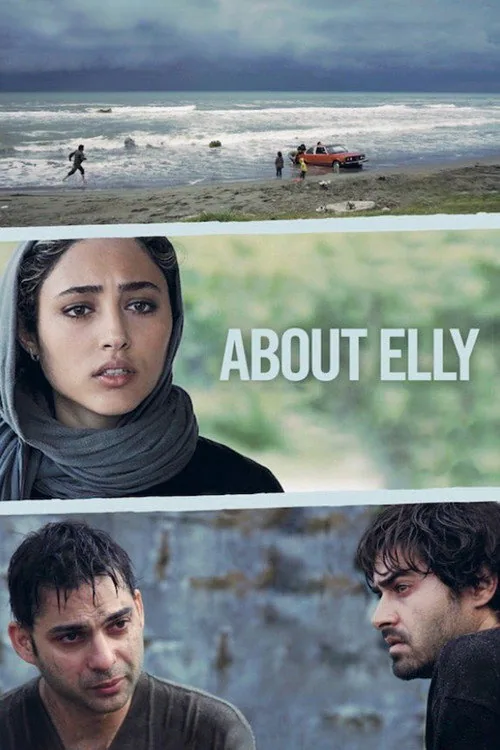
A seaside trip becomes a search when a child disappears and Elly, the group's invited guest, cannot be found.
Why this matches +
An ordinary relationship or investigation exposes hidden class pressure and a truth that cannot be reduced to one reliable account.
An adjacent discovery: a related idea with a different viewing experience.
Genres: Drama / Mystery
Shared film traits
Based on recorded story, mood and style. Your preferences can change the order.
Investigation · Memory and identity
What changes Burning: slow-burn, observational and ambiguous escalation. About Elly: gradual unease, ensemble argument shifts and moral suspense.
A group of middle-class friends travel to the Caspian Sea for a weekend and invite Elly, a kindergarten teacher, to meet Ahmad, who has recently returned from Germany. When a child disappears in the water, Elly is also missing, and the friends begin reconstructing what happened while trying to explain their choices to one another. As incomplete stories and social expectations surface, Asghar Farhadi's Iranian drama turns a holiday into a tightly observed moral investigation.
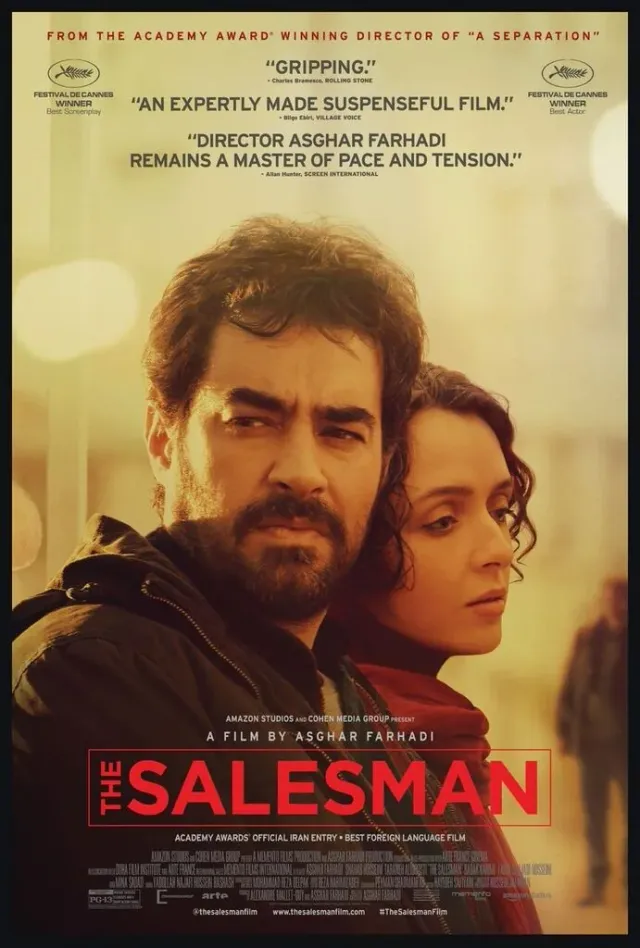
A violent intrusion and an apartment's hidden history provoke a search for the responsible person, but the pursuit itself becomes a conflict within the marriage.
Why this matches +
An ordinary relationship or investigation exposes hidden class pressure and a truth that cannot be reduced to one reliable account.
An adjacent discovery: a related idea with a different viewing experience.
Genres: Drama / Thriller
Shared film traits
Based on recorded story, mood and style. Your preferences can change the order.
Investigation
What changes Burning: slow-burn, observational and ambiguous escalation. The Salesman: measured and psychological.
Literature teacher Emad and his wife Rana are rehearsing Death of a Salesman when structural damage forces them from their Tehran apartment into a flat whose previous tenant has left unresolved complications. After an incident while Rana is alone, Emad becomes intent on identifying the person responsible, while Rana is more concerned with recovering a sense of safety and privacy. The couple's different responses place pressure on both their marriage and their theatrical work, which starts to mirror the play's themes of pride, dignity and public failure. Emad's investigation leads him to an older man connected to the apartment's past. Rather than leave the matter to the authorities or accept Rana's wishes, he engineers a private confrontation that shifts the story from mystery toward moral reckoning.
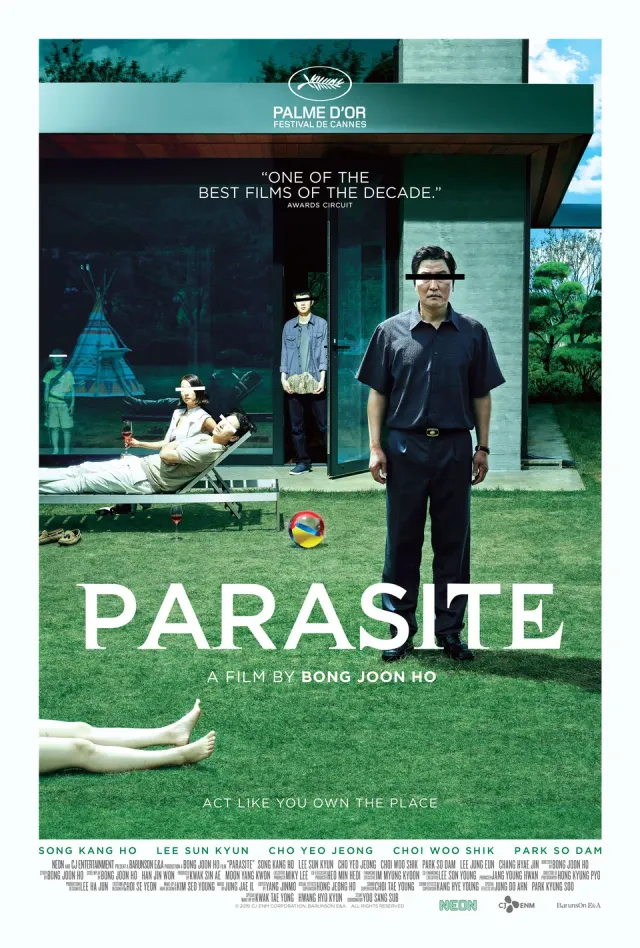
A family infiltration succeeds through staged appearances and replacement of workers, then an unforeseen encounter exposes competing claims to the security the household represents.
Why this matches +
An ordinary relationship or investigation exposes hidden class pressure and a truth that cannot be reduced to one reliable account.
An adjacent discovery: a related idea with a different viewing experience.
Genres: Drama / Thriller
Shared film traits
Based on recorded story, mood and style. Your preferences can change the order.
What changes Burning: slow-burn, observational and ambiguous escalation. Parasite: slow burn and intense.
A young man from a financially insecure Seoul family gains a tutoring job in a wealthy household using invented credentials. One appointment becomes a coordinated effort to place his relatives in other domestic roles, each concealed behind a separate identity. Their apparent ascent depends on the same insecurity they displace onto other workers, and an unexpected return reveals how much the house's comfortable surface has hidden from both employers and servants.
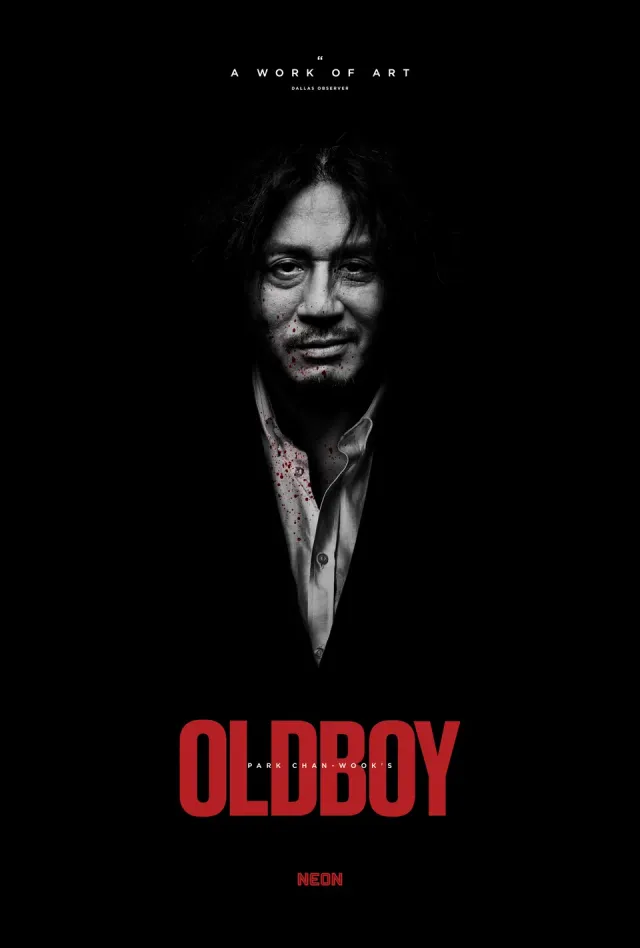
An unexplained captivity becomes a deliberately staged investigation in which the pursuer's discoveries are themselves instruments of an opponent's revenge.
Why this matches +
An ordinary relationship or investigation exposes hidden class pressure and a truth that cannot be reduced to one reliable account.
An adjacent discovery: a related idea with a different viewing experience.
Genres: Drama / Thriller
Shared film traits
Based on recorded story, mood and style. Your preferences can change the order.
Investigation · Memory and identity
What changes Burning: slow-burn, observational and ambiguous escalation. Oldboy: intense.
A man imprisoned without explanation for fifteen years is abruptly released into a world where his missing family and damaged memory offer few reliable anchors. With help from a young woman, he follows small material clues toward the people who confined him. His demand to know why becomes part of another person's continuing design, turning the search for revenge into a disturbing inquiry about responsibility, intimacy and knowledge he may not want to possess.
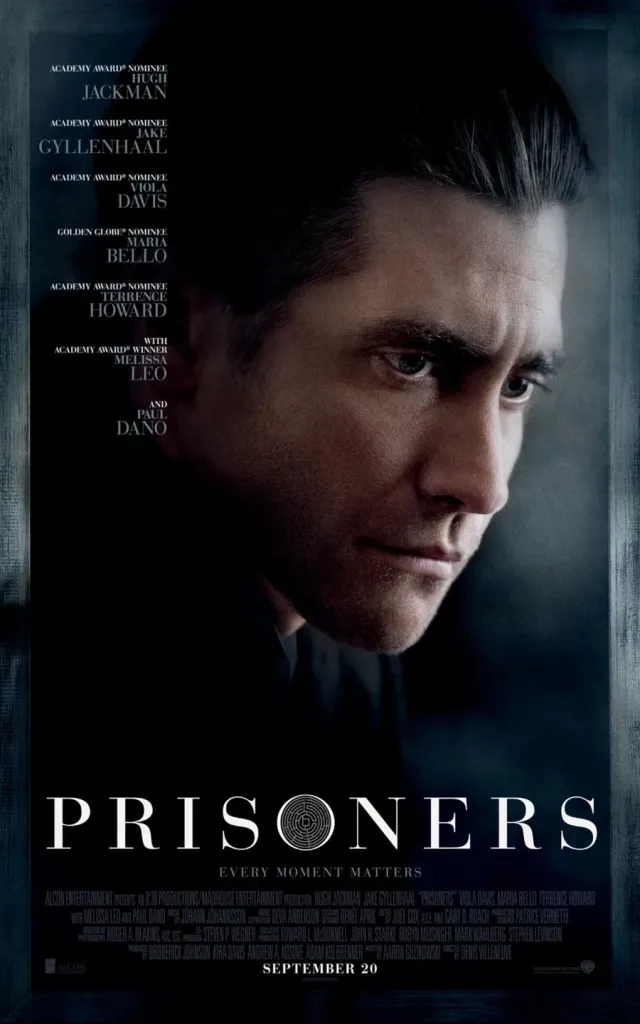
A missing-child investigation develops alongside an unauthorised interrogation, placing professional evidence and desperate conviction on competing paths.
Why this matches +
An ordinary relationship or investigation exposes hidden class pressure and a truth that cannot be reduced to one reliable account.
An adjacent discovery: a related idea with a different viewing experience.
Genres: Thriller / Mystery
Shared film traits
Based on recorded story, mood and style. Your preferences can change the order.
Investigation
What changes Burning: slow-burn, observational and ambiguous escalation. Prisoners: slow burn.
Two young girls disappear during a neighbourhood holiday gathering, leaving their families dependent on an investigation that produces uncertainty faster than reassurance. One father becomes convinced that a released suspect knows more than he admits and decides that protecting his child justifies methods the police will not use. The detective's parallel search exposes a wider history while the parent's private certainty creates victims and consequences of its own.
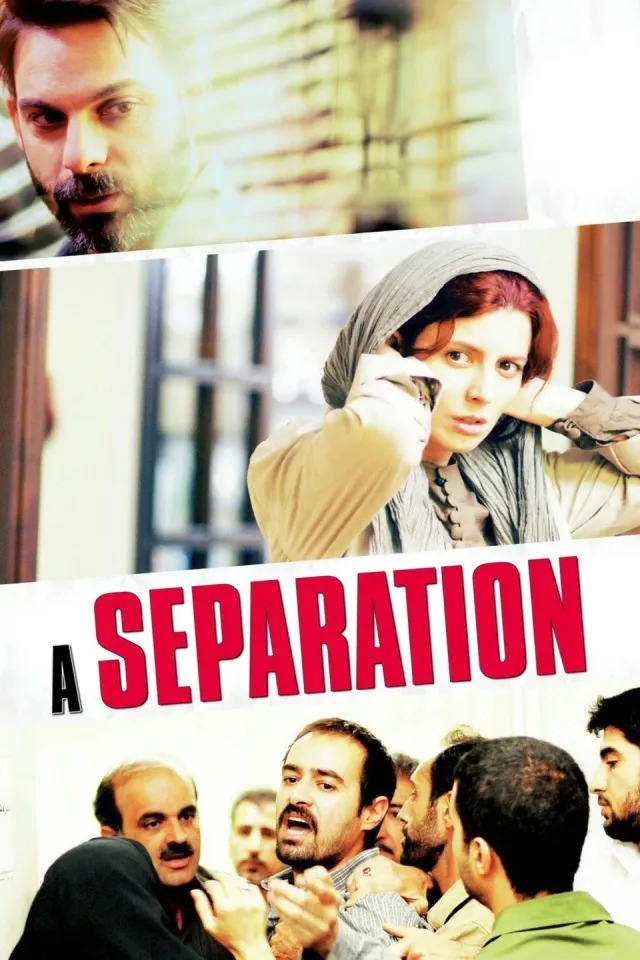
A domestic arrangement produces a disputed incident whose interpretation threatens two families' futures.
Why this matches +
An ordinary relationship or investigation exposes hidden class pressure and a truth that cannot be reduced to one reliable account.
An adjacent discovery: a related idea with a different viewing experience.
Genres: Drama
Shared film traits
Based on recorded story, mood and style. Your preferences can change the order.
What changes Burning: slow-burn, observational and ambiguous escalation. A Separation: measured and escalating.
A couple's disagreement about leaving Iran leads to a household separation and the hiring of a caregiver for an elderly father. An incident between the caregiver and the husband produces accusations whose consequences reach both families. Class, religious obligation and partial knowledge complicate every account, while a daughter is pressed to navigate loyalties that the adults cannot reconcile.
A retired investigator revisits an unresolved murder through memory and writing, uncovering how legal power and political violence shaped the original case.
Why this matches +
An ordinary relationship or investigation exposes hidden class pressure and a truth that cannot be reduced to one reliable account.
An adjacent discovery: a related idea with a different viewing experience.
Genres: Crime / Drama
Shared film traits
Based on recorded story, mood and style. Your preferences can change the order.
Investigation
What changes Burning: slow-burn, observational and ambiguous escalation. The Secret in Their Eyes: nonlinear and patiently unfolding.
Retired legal investigator Benjamín Espósito begins writing about a rape and murder case that has haunted him for decades. Reconstructing the investigation takes him back to 1970s Argentina, where he worked with his superior Irene and encountered Ricardo Morales, the victim's grieving husband. The search for the killer was shaped by institutional corruption and the political climate, while Benjamín's restrained feelings for Irene remained unresolved. In the present, details that seemed settled become newly uncertain as memory and evidence are tested against one another. Benjamín's decision to revisit the case is not only professional: the act of writing forces him to confront what he has avoided in both the investigation and his personal life.
An apparent amnesia investigation draws disparate Hollywood encounters together before ruptures in identity and perspective destabilise the original explanatory frame.
Why this matches +
An ordinary relationship or investigation exposes hidden class pressure and a truth that cannot be reduced to one reliable account.
An adjacent discovery: a related idea with a different viewing experience.
Genres: Fantasy / Crime
Shared film traits
Based on recorded story, mood and style. Your preferences can change the order.
Investigation · Memory and identity
What changes Burning: slow-burn, observational and ambiguous escalation. Mulholland Drive: slow burn.
An aspiring actress arriving in Los Angeles discovers a frightened woman who has lost her memory after a night-time car crash. Their attempt to establish an identity becomes entangled with a film director's unexplained pressures and other unsettling fragments of the city. As relationships, names and apparent realities shift, the investigation offers less a stable solution than a disturbing connection between desire, ambition, humiliation and the stories people construct about themselves.
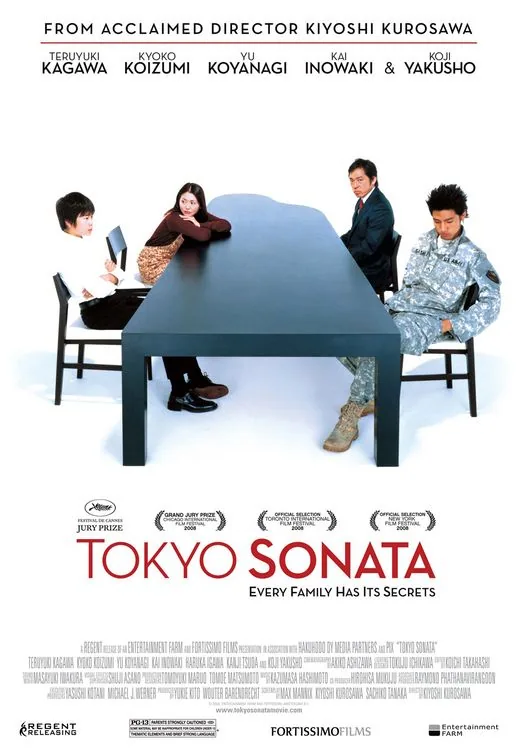
The family’s separate secrets accumulate until job loss, a son’s departure and a hidden piano education force the household toward crisis.
Why this matches +
An ordinary relationship or investigation exposes hidden class pressure and a truth that cannot be reduced to one reliable account.
An adjacent discovery: a related idea with a different viewing experience.
Genres: Drama
Shared film traits
Based on recorded story, mood and style. Your preferences can change the order.
Memory and identity
What changes Burning: slow-burn, observational and ambiguous escalation. Tokyo Sonata: measured, gradually escalating and quietly suspenseful.
When office worker Ryūhei loses his position during a corporate restructuring, he conceals the dismissal from his wife and sons and keeps returning each day as if he still has a job. His teenage son Takashi announces a plan that takes him far from home, while younger Kenji secretly studies piano against his father’s wishes. Megumi, the family’s mother, is left managing a household whose members share meals but hide their fears. As their deceptions unravel, this restrained Tokyo drama follows economic insecurity into the private life of a family.
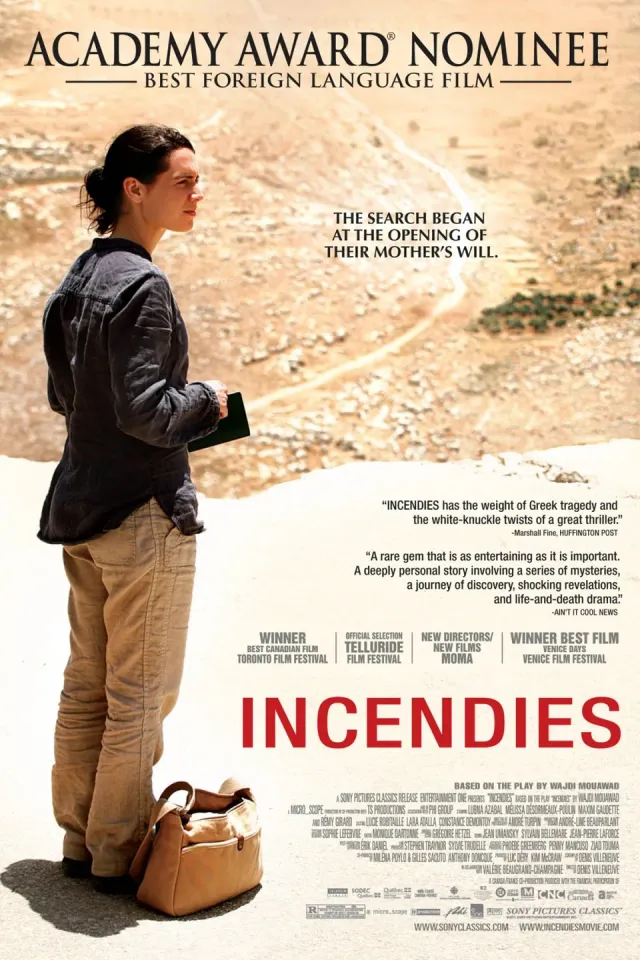
Twins follow their mother's final instructions into a past marked by war and concealed family history.
Why this matches +
An ordinary relationship or investigation exposes hidden class pressure and a truth that cannot be reduced to one reliable account.
An adjacent discovery: a related idea with a different viewing experience.
Genres: Drama / Mystery
Shared film traits
Based on recorded story, mood and style. Your preferences can change the order.
Memory and identity
What changes Burning: slow-burn, observational and ambiguous escalation. Incendies: interwoven and gradually revealing.
After their mother's death, twins Jeanne and Simon receive instructions from her will to find a father they thought was dead and a brother they never knew existed. Jeanne follows the clues to their mother's past in a country scarred by civil war, while the film gradually reconstructs the choices and violence that shaped the family. Denis Villeneuve's drama interweaves a present-day investigation with wartime history, making memory and inheritance difficult to separate.
Aspiring writer Lee Jong-su reconnects with childhood acquaintance Shin Hae-mi, who asks him to feed her cat while she travels. When she returns with wealthy and enigmatic Ben, Jong-su becomes increasingly suspicious after Ben describes a private pastime involving greenhouses. Hae-mi then disappears, and Jong-su tries to determine what happened while his interpretations grow more intense. Lee Chang-dong’s Korean psychological mystery adapts a Haruki Murakami story into an ambiguous portrait of class, desire, and the danger of incomplete knowledge.
What drives the story
After Hae-mi disappears, Jong-su interprets Ben’s cryptic behavior and searches for evidence without certainty.
The people at its centre
Jong-su’s attraction and resentment shape his view of both Hae-mi and the more privileged Ben.
What it feels like
Contains adult sexual themes, stalking, violence, and a deliberately unresolved mystery.
Worth knowing
This slow-burn mystery leaves motives and evidence uncertain, prioritizing class tension and perception over a solved case.
ClassDesireSuspicion
Mood
Uneasy · Contemplative · Ambiguous
Pacing
Slow-burn · Observational · Ambiguous escalation
Visual style
Naturalistic Korean landscapes · Long quiet takes · Muted urban and rural contrast