Explore films connected to Open Water through isolation and dependence, survival under uncertainty, relationship under stress. Choose the qualities you want to carry into your next watch.
What should feel similar?
Find your next favourite
9 films · Closest overall matches
Hide films you’ve seen or don’t want. Saved on this device.
No matches for this combination yet.
Try another option or reset your choices to see more films.
Based on recorded story, mood and style. Your preferences can change the order.
Survival
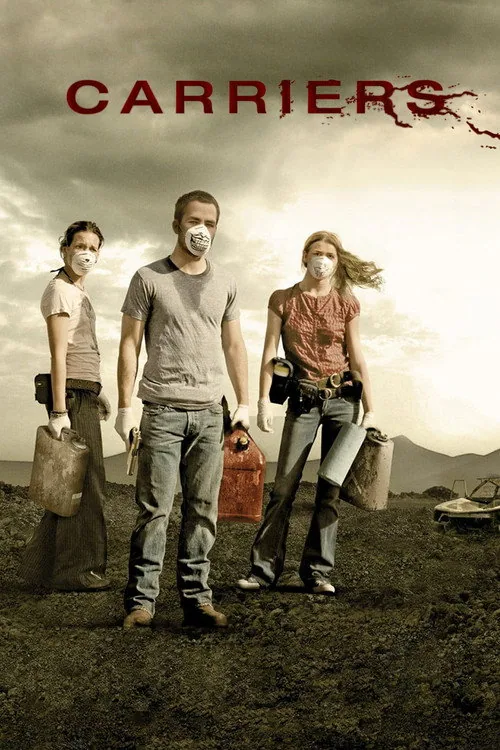
What changes Open Water: slow survival erosion, long periods of uncertainty and naturalistic escalation. Carriers: road journey under strict rules, encounters expose hidden infection and fracture and reckoning within the group.
After a lethal virus devastates the population, brothers Brian and Danny travel with Bobby and Kate toward a childhood beach refuge, following strict rules meant to prevent infection. Their route brings them into contact with a desperate father and his infected daughter, rumored medical treatment, and armed survivors, while Bobby hides that she has contracted the disease. Each encounter forces the group to choose between helping strangers and protecting itself, gradually testing the morality behind Brian's survival code.
Based on recorded story, mood and style. Your preferences can change the order.
Survival
What changes Open Water: slow survival erosion, long periods of uncertainty and naturalistic escalation. I Still Know What You Did Last Summer: escalating and slasher set pieces.
Julie James tries to move beyond a deadly accident from the previous summer, but an anonymous invitation takes her and friends to a remote island resort. When a killer begins targeting them, old secrets and current mistrust narrow their options. The slasher sequel turns vacation isolation into a trap and asks whether survivors can rebuild trust while being forced to repeat the fear they hoped to escape.
Based on recorded story, mood and style. Your preferences can change the order.
Survival
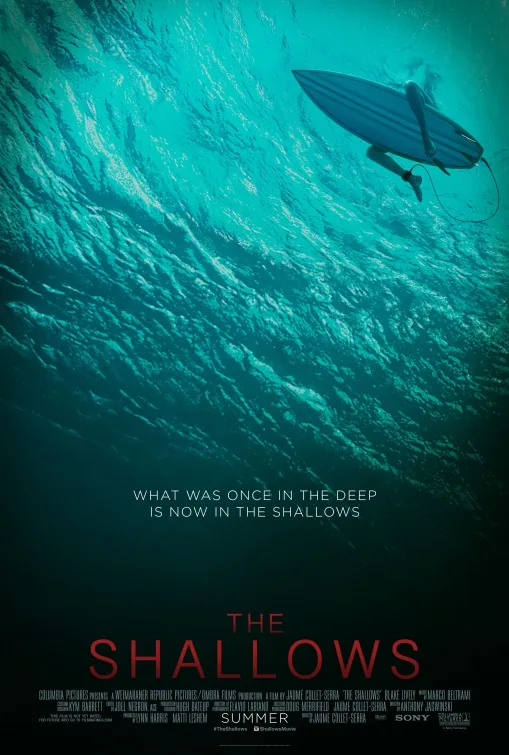
What changes Open Water: slow survival erosion, long periods of uncertainty and naturalistic escalation. The Shallows: contained and escalating.
Nancy Adams travels to a secluded Mexican beach where a surfing session ends with a great white shark blocking her route back to shore. Injured and stranded on a small rock, she uses limited time, local objects and her knowledge of the water to search for a way to reach safety. The survival thriller keeps its focus on one person's decisions against a nearby but difficult-to-cross stretch of ocean.
Based on recorded story, mood and style. Your preferences can change the order.
Survival
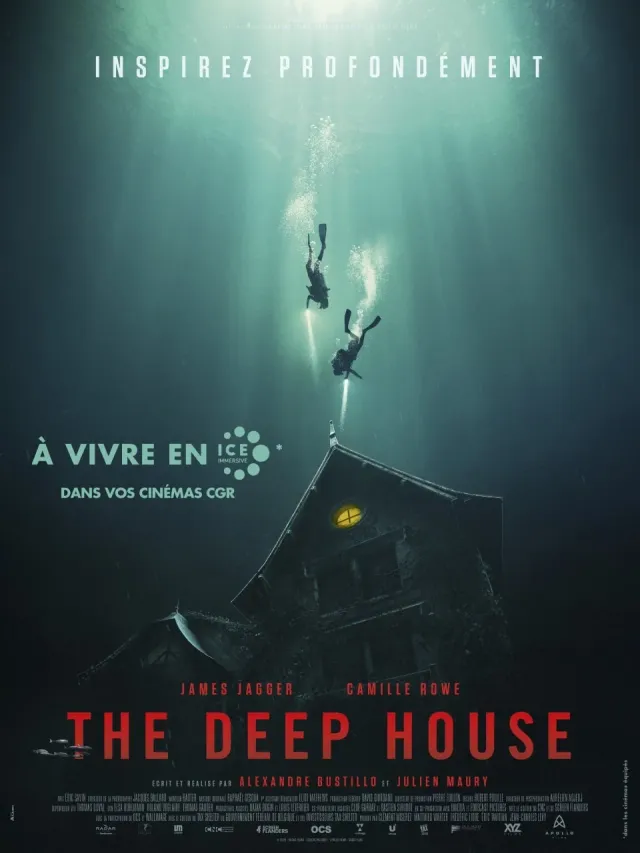
What changes Open Water: slow survival erosion, long periods of uncertainty and naturalistic escalation. The Deep House: the couple pursue a promising location, descend to the submerged house, discover evidence of its history and and struggle to escape as the environment turns hostile.
Young travel video creators Ben and Tina head to a remote French lake after learning that a deserted village and its buildings lie beneath the water. They find a preserved house at the bottom and take their cameras inside, hoping for a striking exploration video. Once the couple becomes trapped underwater with signs of the house’s past around them, their planned excursion turns into a claustrophobic supernatural ordeal.
Based on recorded story, mood and style. Your preferences can change the order.
Survival
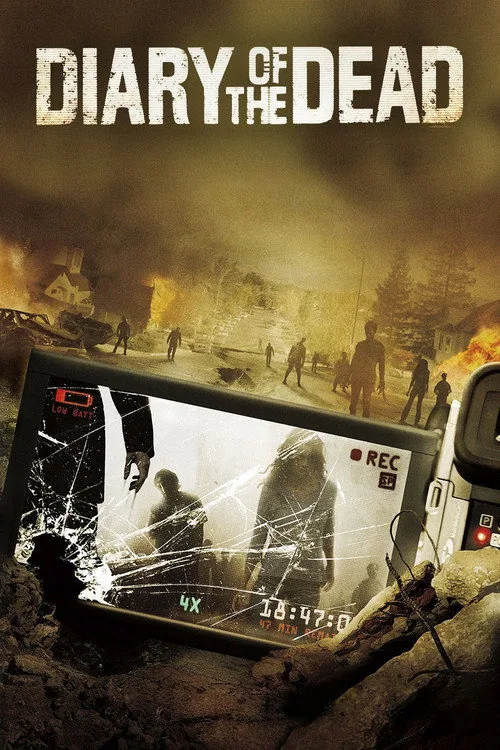
What changes Open Water: slow survival erosion, long periods of uncertainty and naturalistic escalation. Diary of the Dead: outbreak interrupts a student film shoot, road encounters reveal widening collapse and group fractures as filming and survival collide.
While a group of film students shoots a low-budget horror movie in the woods, reports emerge of the dead returning to life. Student filmmaker Jason insists on recording the collapse, turning the group's escape into an evolving documentary edited with news clips and online footage. His girlfriend Debra and the others encounter frightened survivors, armed authorities, and abandoned communities, while the camera becomes both a tool for witnessing events and a source of conflict about what deserves to be filmed.
Based on recorded story, mood and style. Your preferences can change the order.
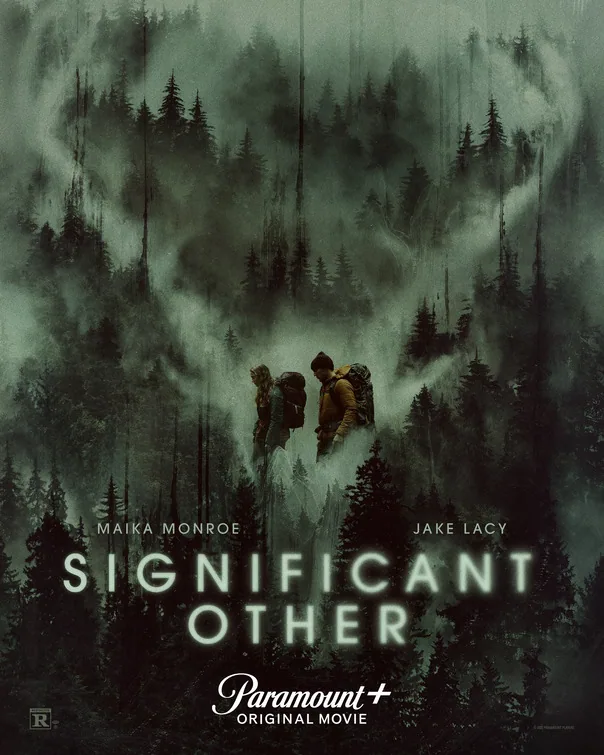
What changes Open Water: slow survival erosion, long periods of uncertainty and naturalistic escalation. Significant Other: slow-burn, twisty, escalating and genre-shifting.
Ruth and Harry set out on a hiking trip in the Pacific Northwest, where Harry hopes to propose and Ruth’s anxiety makes the future of their six-year relationship difficult to read. An unexplained object has fallen nearby, and strange events begin to alter what each partner believes about the other. Dan Berk and Robert Olsen’s film moves from relationship tension into science-fiction horror, using the wilderness to unsettle assumptions about identity and intimacy.
Based on recorded story, mood and style. Your preferences can change the order.
Survival
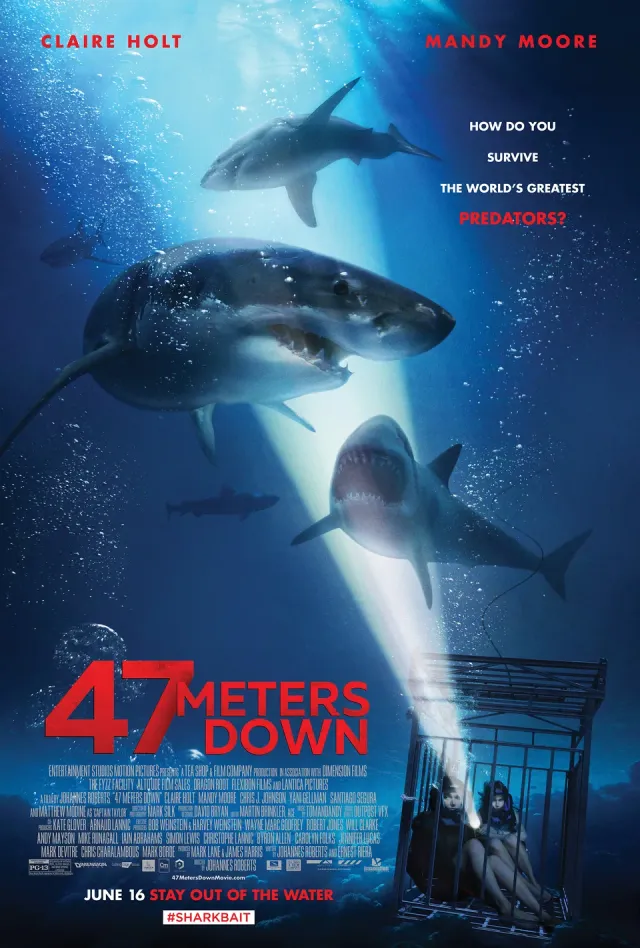
What changes Open Water: slow survival erosion, long periods of uncertainty and naturalistic escalation. 47 Meters Down: real-time pressure tightens as oxygen runs low.
Two sisters on a cage-diving excursion are trapped underwater after equipment failure leaves them separated from their boat and surrounded by sharks. They must manage oxygen, communication and rising panic while searching for a way back to the surface. The survival thriller keeps the danger physically close, using the confined cage and limited visibility to make each decision feel consequential.
Based on recorded story, mood and style. Your preferences can change the order.
Survival
What changes Open Water: slow survival erosion, long periods of uncertainty and naturalistic escalation. The Blackcoat's Daughter: slow-burn, elliptical and revelatory.
At an isolated Catholic boarding school during winter break, students Kat and Rose are left behind while the rest of the pupils go home. Rose is worried about a possible pregnancy, while Kat becomes increasingly withdrawn and experiences a disturbing presence within the school. A second storyline follows Joan, a young woman traveling with a couple who take her toward the same school. Oz Perkins gradually links the timelines as isolation, grief and the supernatural converge.
Based on recorded story, mood and style. Your preferences can change the order.
Survival
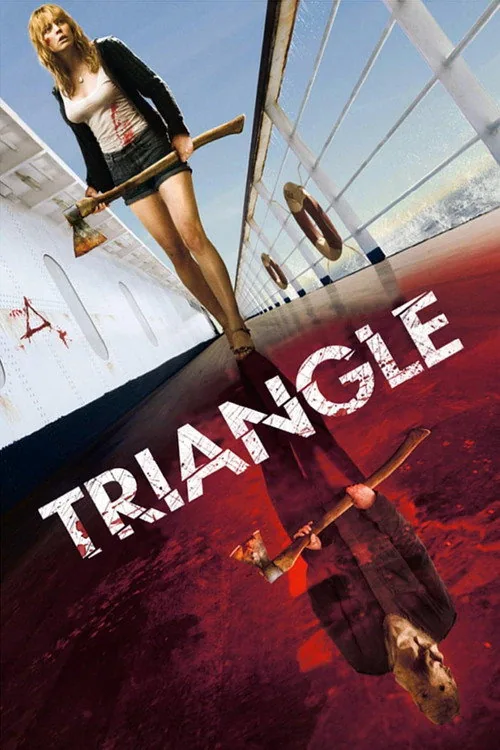
What changes Open Water: slow survival erosion, long periods of uncertainty and naturalistic escalation. Triangle: revelations reframe earlier scenes as the loop continues.
Jess joins friends on a sailing trip that is interrupted by a violent storm, and the survivors board an apparently deserted ocean liner called the Aeolus. Familiar details and repeated encounters make Jess believe she has been on the ship before, while events begin to repeat in increasingly threatening forms. The psychological horror thriller uses a closed setting and fractured chronology to make survival depend on how much Jess can understand about the cycle she appears unable to escape.
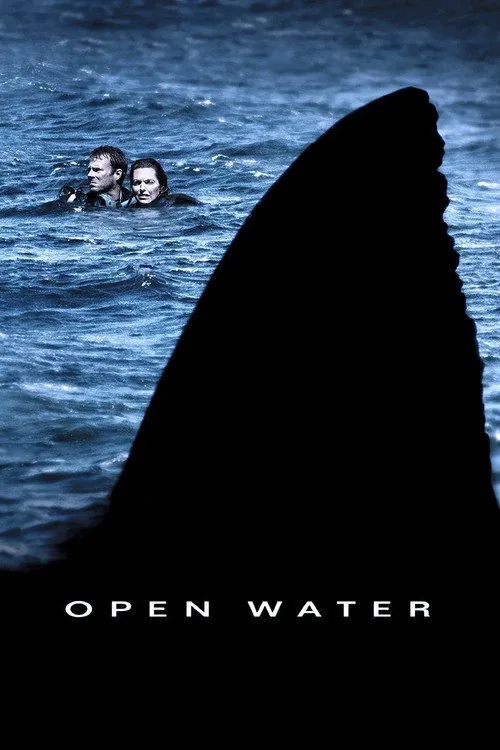
Vacationing couple Daniel and Susan join a scuba-diving excursion in the Caribbean, but a mistaken headcount leaves them stranded at sea after the boat returns to shore. At first they believe the crew will notice and come back; as currents carry them away, the couple has to confront the open water, exhaustion, and the possibility that no one knows where they are. The low-budget survival thriller uses real ocean conditions and long stretches of uncertainty to make a simple logistical mistake feel terrifyingly final.
What drives the story
A headcount error leaves a couple alone at sea and turns a vacation dive into a test of endurance and hope.
The people at its centre
Daniel and Susan must stay connected as fear and fatigue make their odds feel increasingly uncertain.
What it feels like
A minimalist survival horror film builds dread through empty water, prolonged waiting, and limited physical resources.
Worth knowing
Its threat is the couple's accidental abandonment at sea, not a planned shark hunt or an action-driven rescue mission.
isolation and dependencesurvival under uncertaintyrelationship under stress
Mood
minimalist · anxious · bleak
Pacing
slow survival erosion · long periods of uncertainty · naturalistic escalation