Based on recorded story, mood and style. Your preferences can change the order.
Memory and identity
What changes Significant Other: slow-burn, twisty, escalating and genre-shifting. Wolf: measured transformation arc, character drama with horror turns and romantic progression.
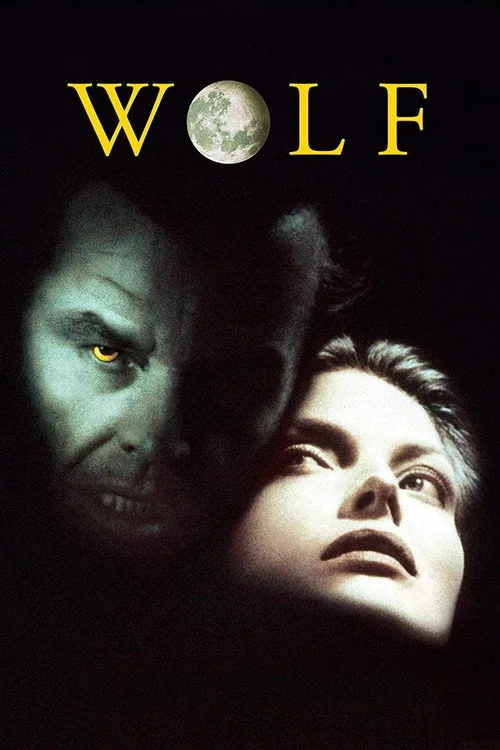
Will Randall, an aging New York book editor, is bitten by a wolf while driving through the countryside just as a younger colleague takes his job. His senses and confidence sharpen, altering his work and relationships, but the transformation also brings impulses and rivalries he cannot easily control. Will becomes involved with Laura Alden, the powerful publisher's daughter, while trying to understand what is happening to him. Mike Nichols' supernatural romantic drama uses the werewolf idea to explore aging, ambition, desire, and the uneasy effects of regained power.
Based on recorded story, mood and style. Your preferences can change the order.
Escape and pursuit
What changes Significant Other: slow-burn, twisty, escalating and genre-shifting. Eden Lake: a couple’s escape from one hostile group becomes more difficult when the surrounding community closes ranks..
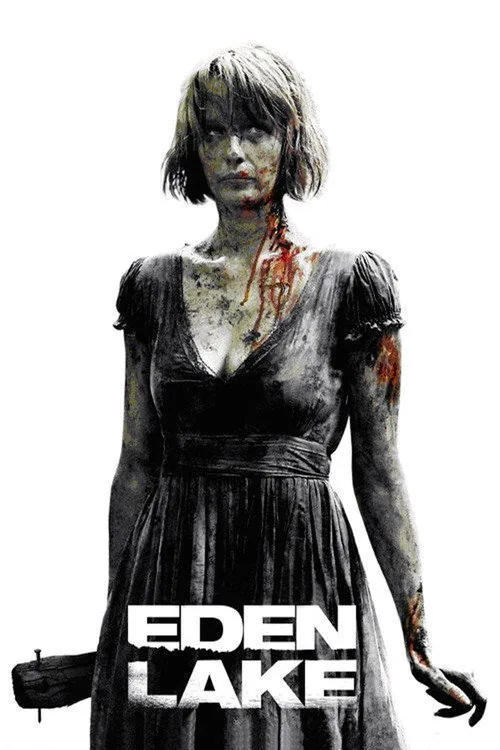
Jenny and Steve travel to a remote lake in the English countryside for a weekend together. Their quiet trip is disrupted by a group of hostile teenagers led by Brett, whose harassment escalates from noise and theft to a violent pursuit through the woods. As the couple tries to reach the road and find help, local adults prove unwilling or unable to intervene, and the danger moves into a nearby community. James Watkins’s survival horror film uses an isolated getaway to examine how quickly social aggression can become a life-threatening group dynamic.
Based on recorded story, mood and style. Your preferences can change the order.
Constructed reality
What changes Significant Other is tagged romantic and uneasy; The Parenting is tagged awkward and spooky.
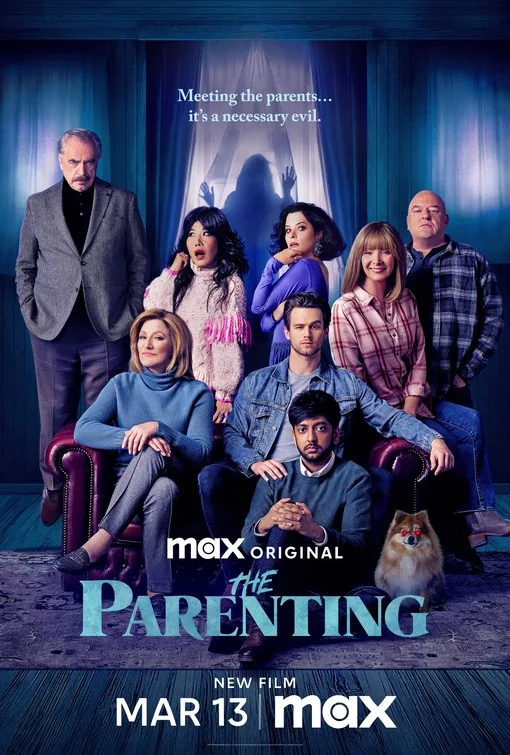
A young couple brings their relationship to a weekend gathering with both families at a country house. The visit is already tense because of different expectations and unresolved family dynamics, but a supernatural presence in the home turns the meeting into a horror-comedy ordeal. As the guests try to understand what is happening, polite introductions give way to panic, exposing how little control anyone has over the strange situation or each other's behavior.
Based on recorded story, mood and style. Your preferences can change the order.
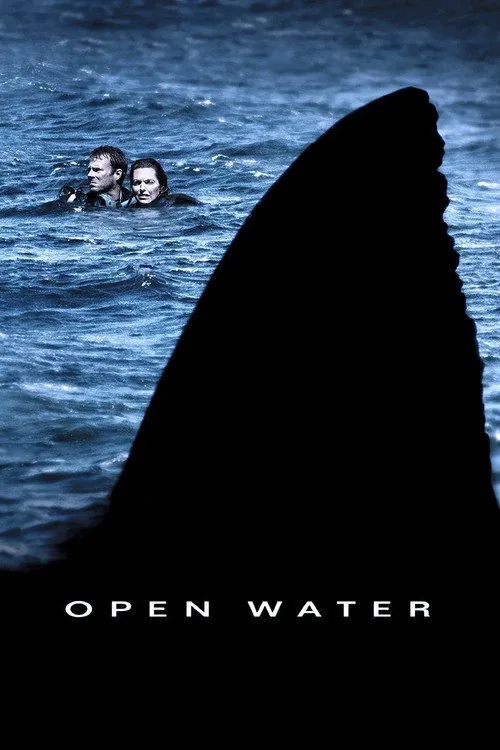
What changes Significant Other: slow-burn, twisty, escalating and genre-shifting. Open Water: slow survival erosion, long periods of uncertainty and naturalistic escalation.
Vacationing couple Daniel and Susan join a scuba-diving excursion in the Caribbean, but a mistaken headcount leaves them stranded at sea after the boat returns to shore. At first they believe the crew will notice and come back; as currents carry them away, the couple has to confront the open water, exhaustion, and the possibility that no one knows where they are. The low-budget survival thriller uses real ocean conditions and long stretches of uncertainty to make a simple logistical mistake feel terrifyingly final.
Based on recorded story, mood and style. Your preferences can change the order.
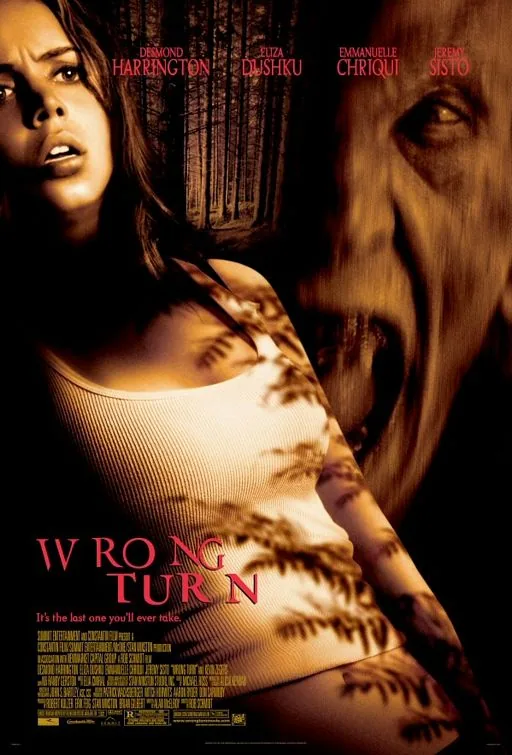
What changes Significant Other: slow-burn, twisty, escalating and genre-shifting. Wrong Turn: fast and continuous chase.
After taking an isolated road through the Appalachian hills of West Virginia, a group of young travelers become stranded and realize they are being hunted by violent men who live in the surrounding woods. With their vehicle unusable and rescue unlikely, the survivors must move through unfamiliar terrain while trying to stay quiet and protect one another. The film’s short running time and remote setting keep the threat close, using the fear of being watched and pursued to drive its slasher structure. Limited visibility and uncertain routes keep escape attempts from feeling safe. The strangers' cooperation shifts between concealment and sudden flight as the hunters close in.
Based on recorded story, mood and style. Your preferences can change the order.
Escape and pursuit
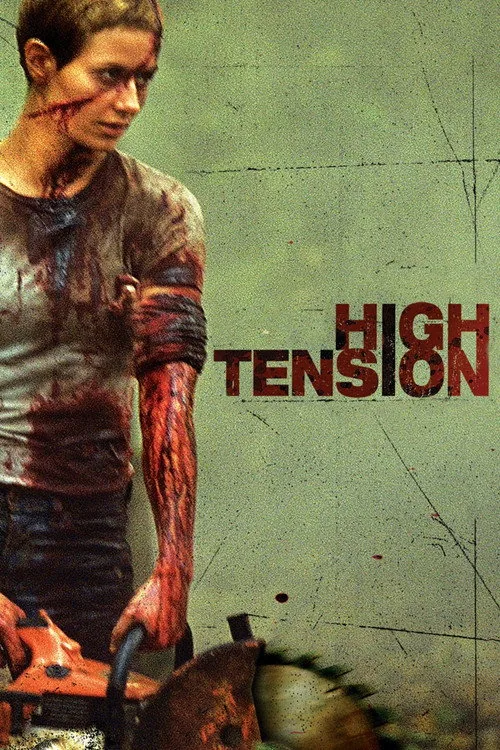
What changes Significant Other: slow-burn, twisty, escalating and genre-shifting. High Tension: relentless, high suspense and violent escalation.
Best friends Marie and Alex travel to Alex’s family farmhouse for a quiet study weekend. During the night, a violent intruder attacks the household and abducts Alex, leaving Marie to hide, search for help, and pursue the killer through isolated roads and buildings. The French slasher film moves from a remote-home invasion into a relentless pursuit, using sparse dialogue and abrupt violence to sustain pressure. It contains graphic violence and a major perspective shift, making its disturbing content and narrative construction central to the viewing experience.
Based on recorded story, mood and style. Your preferences can change the order.
Constructed reality · Memory and identity
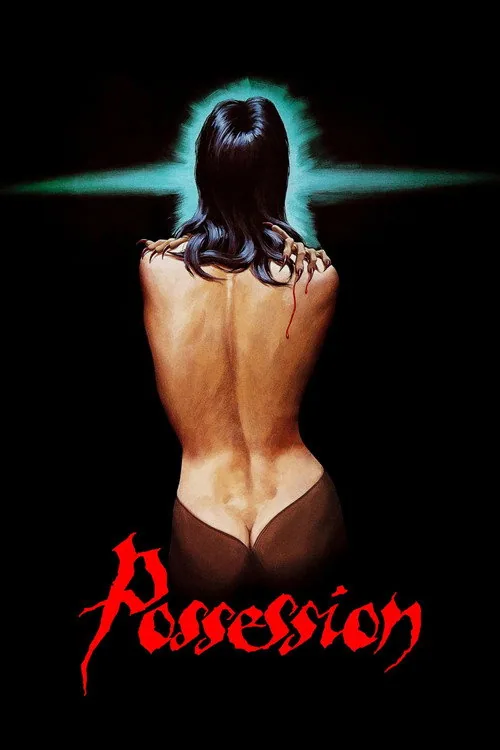
What changes Significant Other: slow-burn, twisty, escalating and genre-shifting. Possession: volatile confrontations, psychological disorientation and surreal escalation.
When spy Mark returns to West Berlin, his wife Anna says she wants to leave him, and their separation turns into a violent unraveling of family life. Mark tries to care for their young son while tracking Anna's movements and encountering people who seem to mirror her. What begins as a marital breakdown becomes an increasingly grotesque psychological and supernatural ordeal. Andrzej Żuławski's intense drama uses fractured behavior and a divided city to make private collapse feel apocalyptic.
Based on recorded story, mood and style. Your preferences can change the order.
Escape and pursuit
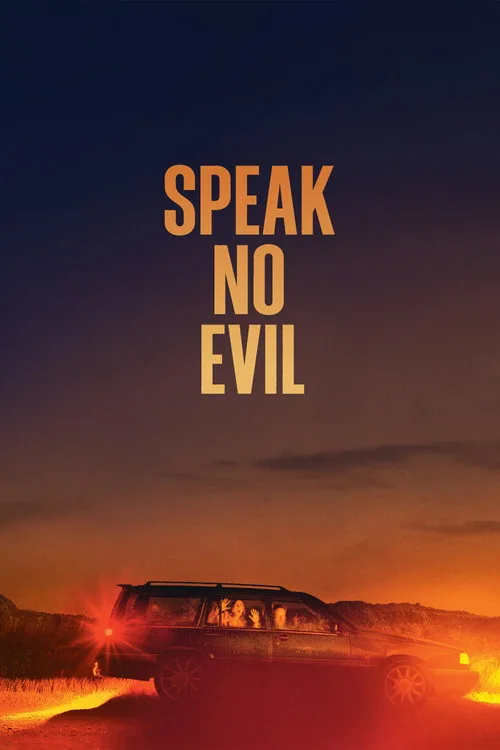
What changes Significant Other: slow-burn, twisty, escalating and genre-shifting. Speak No Evil: slow-burn escalation, quiet social scenes and sudden shifts in threat.
During a holiday in Tuscany, Danish couple Bjørn and Louise befriend Dutch couple Patrick and Karin, then accept an invitation to visit their remote home. Small social discomforts accumulate as the guests notice troubling differences in the hosts' behavior and the children are caught in an awkward household dynamic. Bjørn and Louise struggle between politeness and the instinct to leave, turning an ordinary weekend visit into a study of boundaries and fear. Christian Tafdrup's thriller uses restrained interactions and escalating tension to make social compliance feel dangerous.
Based on recorded story, mood and style. Your preferences can change the order.
Constructed reality · Memory and identity
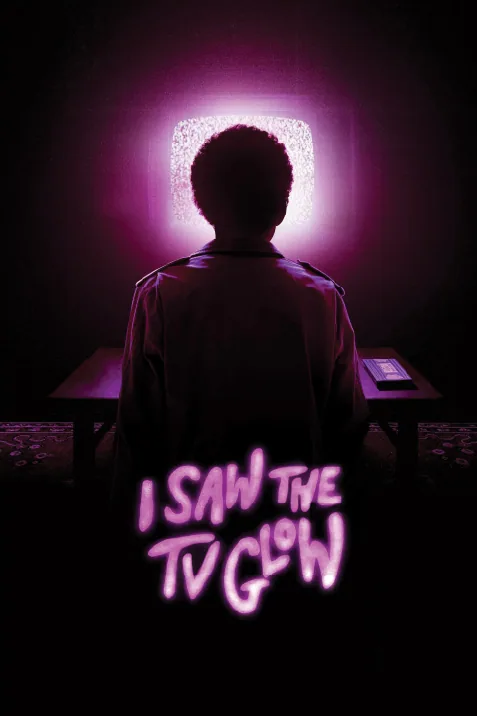
What changes Significant Other: slow-burn, twisty, escalating and genre-shifting. I Saw the TV Glow: slow burn and episodic.
Two isolated classmates, Owen and Maddy, bond over a late-night television series that seems to offer a world more meaningful than their suburban routines. Maddy disappears after insisting that the show reveals something true about their identities; years later, she returns with a frightening explanation that Owen cannot bring himself to accept. Their unequal readiness to act turns time, memory and ordinary adulthood into sources of horror. The film’s trans allegory is closely tied to repression and recognition, while its unstable reality resists a tidy supernatural solution. Its ending is disturbing because Owen’s continued deferral has visible costs, not because it offers instructions for a viewer’s safety or identity.
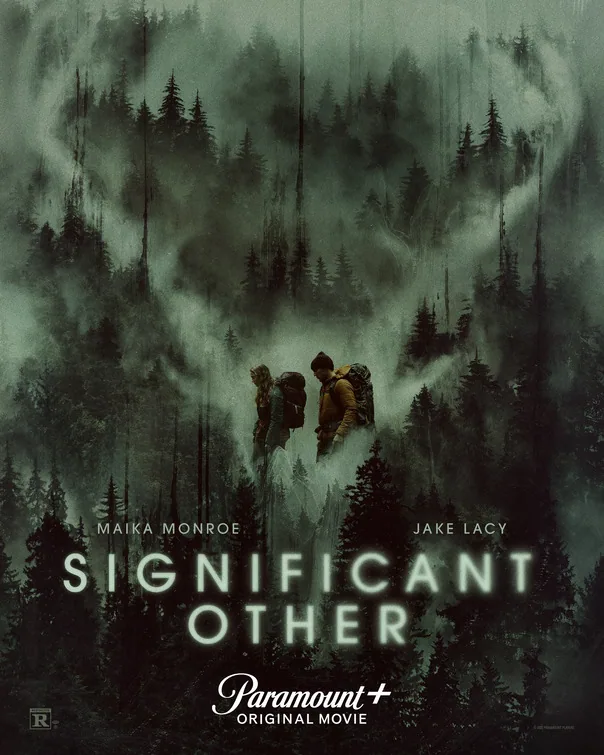
Ruth and Harry set out on a hiking trip in the Pacific Northwest, where Harry hopes to propose and Ruth’s anxiety makes the future of their six-year relationship difficult to read. An unexplained object has fallen nearby, and strange events begin to alter what each partner believes about the other. Dan Berk and Robert Olsen’s film moves from relationship tension into science-fiction horror, using the wilderness to unsettle assumptions about identity and intimacy.
What drives the story
A hiking trip and proposal plan are disrupted by an unexplained presence that begins to manipulate the couple’s relationship.
The people at its centre
Ruth and Harry’s assumptions about intimacy and commitment shift as they confront a threat that can imitate and distort familiar behavior.
What it feels like
The film uses a two-person relationship drama as the entry point for a compact and strange science-fiction horror premise.
Worth knowing
A contained romantic science-fiction horror film for viewers who enjoy intimate casts and abrupt changes in genre direction.