Explore films connected to Pawn Sacrifice through genius and isolation, competition and politics, paranoia and control. Choose the qualities you want to carry into your next watch.
What should feel similar?
Find your next favourite
9 films · Closest overall matches
Hide films you’ve seen or don’t want. Saved on this device.
No matches for this combination yet.
Try another option or reset your choices to see more films.
Based on recorded story, mood and style. Your preferences can change the order.
Sport and competition
What changes Pawn Sacrifice: childhood and rise, tournament pressure and championship mind game. Miracle: training-to-competition and steady.
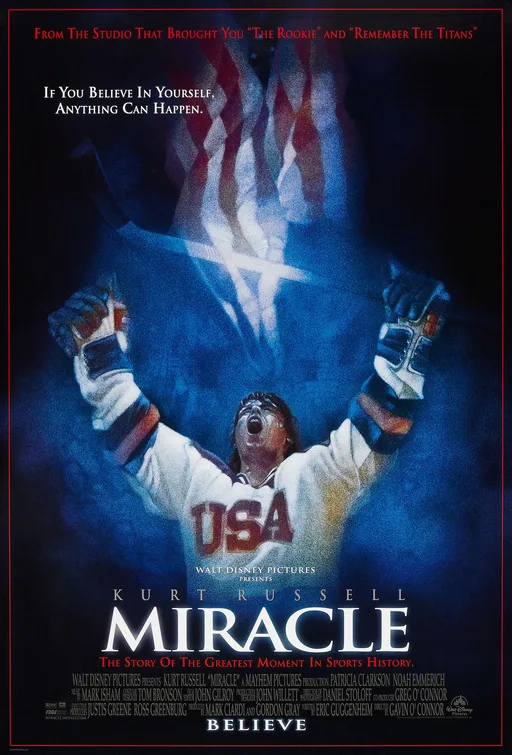
Coach Herb Brooks assembles a group of U.S. college hockey players and prepares them for the 1980 Winter Olympics, where they face the heavily favored Soviet team. The film follows the discipline, conditioning and disagreements that turn individuals with different backgrounds into a functioning team. Its historical sports drama focuses on leadership and collective effort, making the result depend on preparation and trust rather than presenting victory as an isolated miracle.
Based on recorded story, mood and style. Your preferences can change the order.
What changes Pawn Sacrifice: childhood and rise, tournament pressure and championship mind game. Rushmore: episodic and measured.
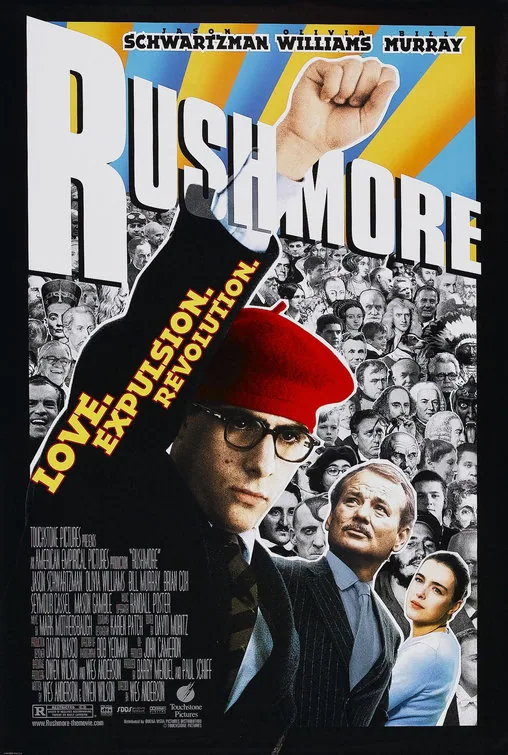
Max Fischer is an ambitious student at a private school whose many clubs and productions do not protect him from academic failure or romantic disappointment. His fixation on teacher Rosemary Cross draws him into an unlikely friendship with wealthy industrialist Herman Blume, but the two soon become rivals. Max's elaborate schemes and theatrical confidence gradually expose a more vulnerable need to belong.
Based on recorded story, mood and style. Your preferences can change the order.
Sport and competition
What changes Pawn Sacrifice: childhood and rise, tournament pressure and championship mind game. Haikyu!! The Dumpster Battle: fast, momentum-driven and match-length.
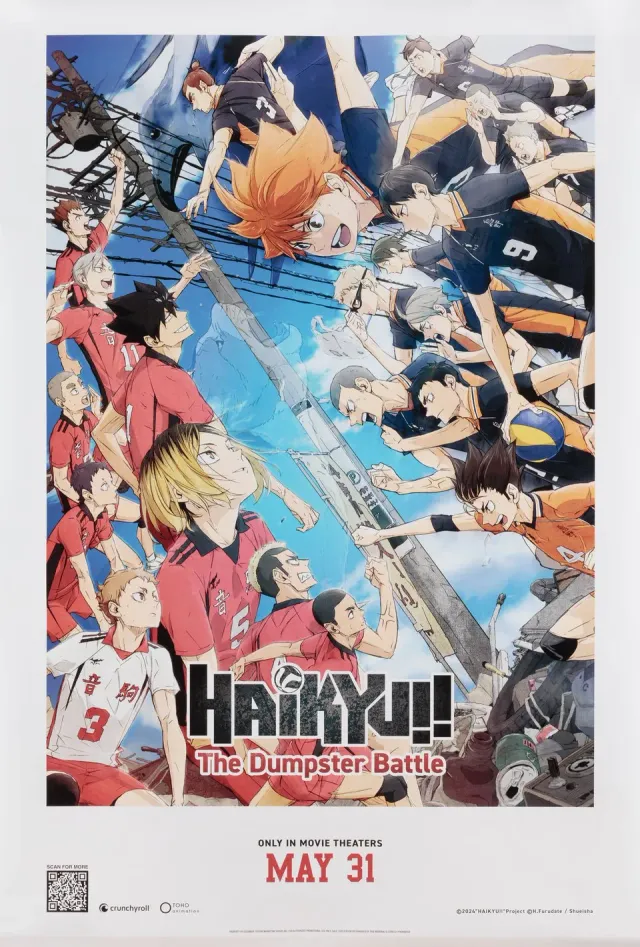
Karasuno and Nekoma meet in an official high-school volleyball match after years of practice games and friendship between their teams. The contest puts Hinata's explosive instincts and Kageyama's precision against Nekoma's disciplined defense, with both sides drawing on familiar patterns and hard-won trust. Told through the changing flow of one match, the film follows the athletes' adjustments, nerves and teamwork as their long-awaited rivalry tests how well they understand one another.
Based on recorded story, mood and style. Your preferences can change the order.
Sport and competition
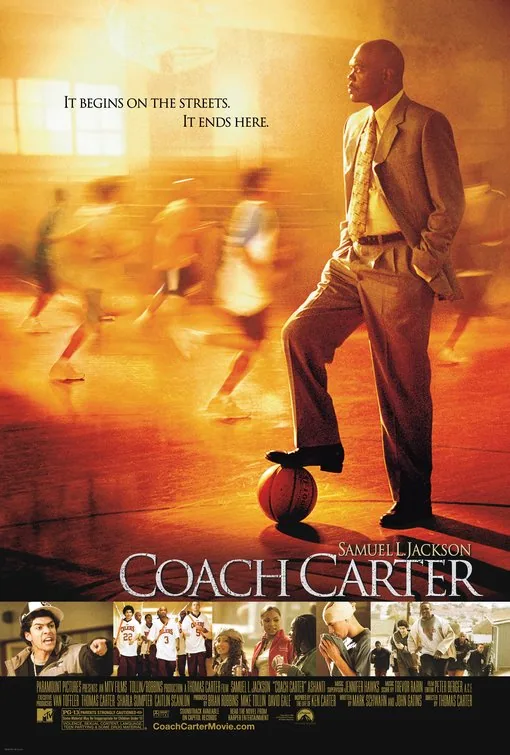
What changes Pawn Sacrifice: childhood and rise, tournament pressure and championship mind game. Coach Carter: season shaped and builds toward decision.
Coach Carter (2005), directed by Thomas Carter, follows A demanding high-school basketball coach inherits a talented team and sets academic standards that players must meet before they can compete. His decision to suspend games over grades pits his methods against community expectations and the students' immediate ambitions. The sports drama asks whether discipline and education can open choices beyond athletic success, while acknowledging the conflict between a coach's authority and students' needs.
Based on recorded story, mood and style. Your preferences can change the order.
Memory and identity
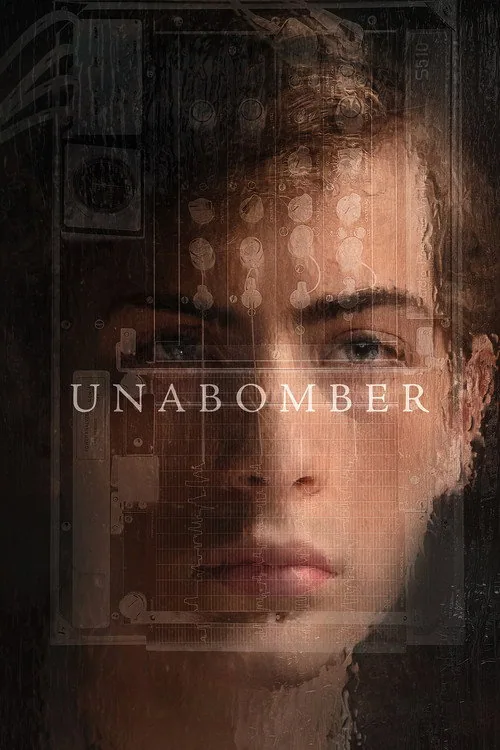
What changes Pawn Sacrifice: childhood and rise, tournament pressure and championship mind game. Unabomber: student years establish formative pressures, isolation and ideology deepen over time and later violence reframes earlier events.
The film follows Theodore Kaczynski from his early years as a mathematics prodigy at Harvard, where he participates in confrontational psychological experiments, through an increasingly isolated life shaped by his rejection of industrial society. As the biography traces the formation of the ideas and violence associated with the Unabomber case, it examines how intellectual ambition, institutional treatment, and personal alienation intersect. The crime drama focuses on the person behind a notorious domestic-terrorism investigation without reducing the story to a procedural manhunt.
Based on recorded story, mood and style. Your preferences can change the order.
Sport and competition
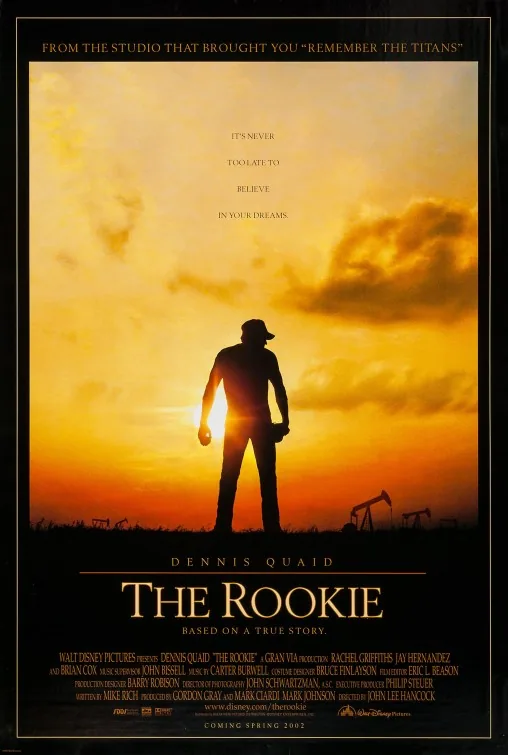
What changes Pawn Sacrifice: childhood and rise, tournament pressure and championship mind game. The Rookie: training-to-competition and game-day build.
A high-school chemistry teacher makes a promise that sends him back to professional baseball after his team wins an unlikely championship. His return to the minor leagues tests his body and changes how his family understands the dream he postponed. The sports drama frames achievement as a shared family negotiation rather than a private triumph detached from ordinary life. Open fields, game sequences and a measured performance style ground the inspirational arc in everyday routines.
Based on recorded story, mood and style. Your preferences can change the order.
Sport and competition
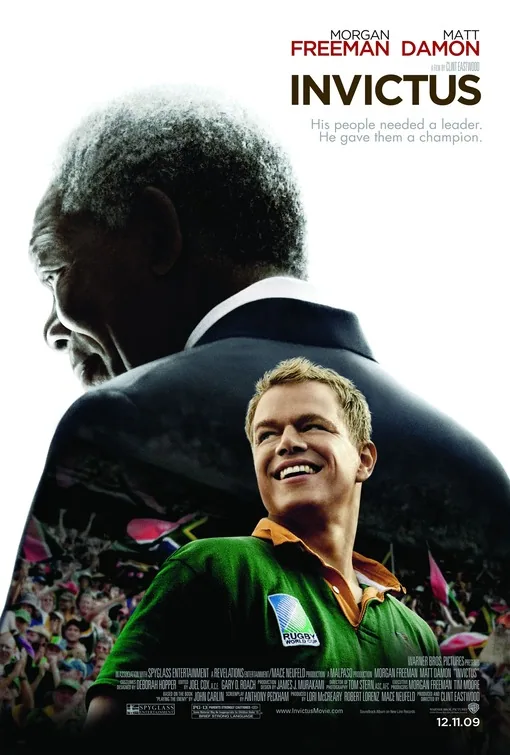
What changes Pawn Sacrifice: childhood and rise, tournament pressure and championship mind game. Invictus: measured and escalating.
After becoming South Africa’s president, Nelson Mandela backs the Springboks, a rugby team many Black South Africans associate with apartheid, as the country prepares to host the 1995 World Cup. His meeting with captain François Pienaar turns a tournament into an invitation to imagine national responsibility beyond winning. The team’s public progress is intercut with changes among Mandela’s bodyguards, where distrust cannot be dissolved by a speech. The final match offers an affecting image of shared identification, but the film’s focus on a single symbolic event compresses a longer and unresolved political transition. Its optimism is best read as a practical wager on what a visible gesture might make possible, not a claim that sport repaired structural inequality.
Based on recorded story, mood and style. Your preferences can change the order.
Sport and competition
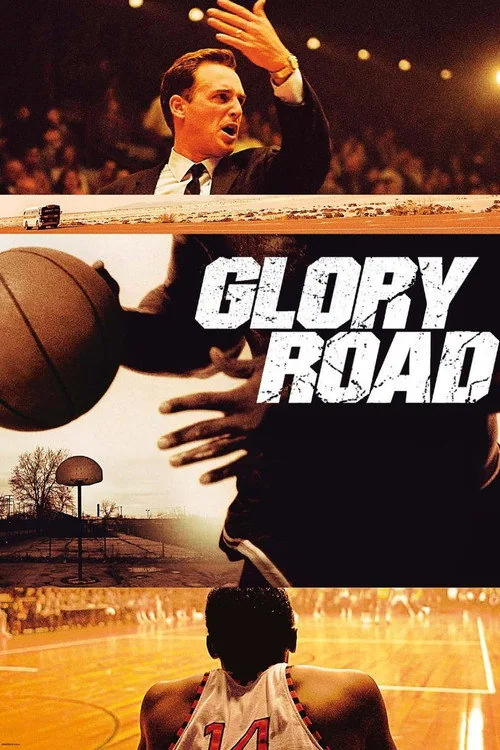
What changes Pawn Sacrifice: childhood and rise, tournament pressure and championship mind game. Glory Road: recruitment and training, season victories and backlash and high-stakes ncaa final.
In 1965, Texas Western College coach Don Haskins recruits a racially integrated basketball team despite limited resources and skepticism from university officials. He pushes the players into a demanding system while their success draws racist hostility from opponents, crowds, and communities they visit. After a difficult regular season, the Miners reach the NCAA final against top-ranked Kentucky, where Haskins makes a decision that will challenge the era's expectations about who belongs on the court. The sports drama connects team building to a broader fight over racial equality.
Based on recorded story, mood and style. Your preferences can change the order.
Sport and competition · Memory and identity
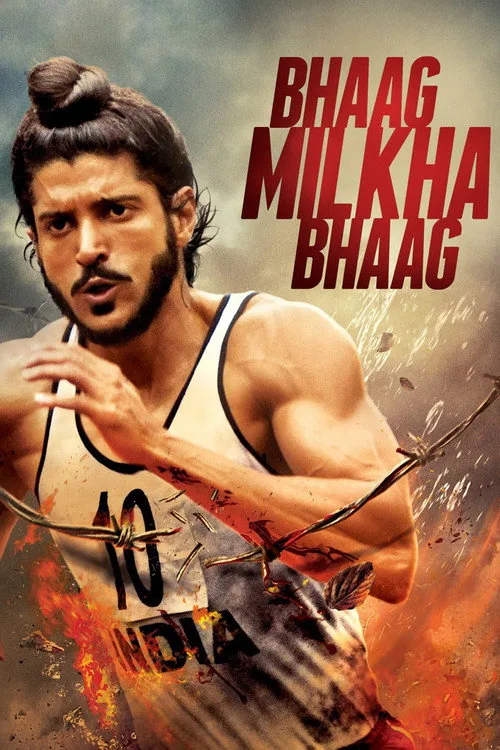
What changes Pawn Sacrifice: childhood and rise, tournament pressure and championship mind game. Bhaag Milkha Bhaag: flashback structure, training montages and race-centered climax.
The biographical drama follows Indian runner Milkha Singh from the trauma of Partition through military service and his rise as an international athlete. Flashbacks to the violence that separated him from his family inform his difficult relationship with the past, while coaches and teammates help him turn grief into disciplined training. The story builds toward his races at the 1960 Rome Olympics and his later journey to Pakistan. Rakeysh Omprakash Mehra’s film dramatizes Singh’s life and sporting achievements.
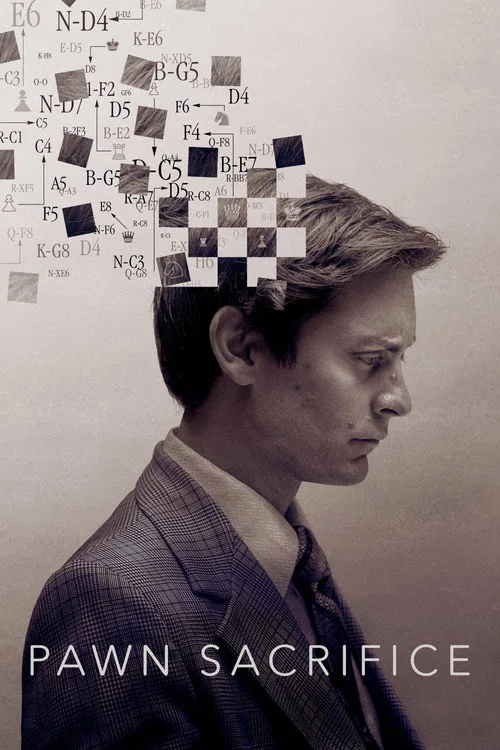
American chess prodigy Bobby Fischer rises through tournaments during the Cold War, attracting attention for his talent and increasingly erratic behavior. His pursuit of the world title brings him into conflict with Soviet champion Boris Spassky and with the officials managing the match. Fischer's fear of surveillance and his demands for different conditions threaten to derail the 1972 championship in Reykjavik. The biographical drama follows chess as public competition and personal obsession, portraying a gifted player whose paranoia increasingly shapes the contest around him.
What drives the story
Fischer's rise toward a world championship is repeatedly threatened by his demands and suspicions about those around him.
The people at its centre
His relationship with coach and supporters becomes strained as they try to protect his competitive focus without validating every fear.
What it feels like
A cerebral sports biography uses chess positions and Cold War context to make mental pressure feel dramatic.
Worth knowing
The story is a dramatization of Fischer's life and match, not a tournament documentary or chess instruction film.
genius and isolationcompetition and politicsparanoia and control
Mood
tense · interior · historical
Pacing
childhood and rise · tournament pressure · championship mind game
Visual style
close chessboard imagery · period Cold War staging · subjective paranoid fragments
Storytelling
chess prodigy challenges Soviet champion · Cold War attention surrounds world championship · paranoia threatens the match