Both share an investigation, plus a melancholic atmosphere.
Why this matches +
Genres: Drama / Biography
Shared film traits
Based on recorded story, mood and style. Your preferences can change the order.
Investigation
Expect contemplative and melancholic, with measured pacing.
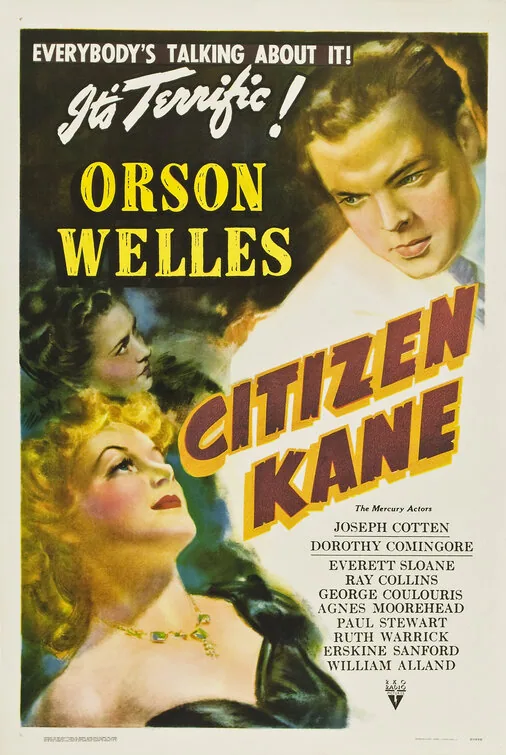
After a powerful newspaper owner dies, a reporter searches for the meaning of his final word through interviews with people who knew him at different stages of life. Their accounts reveal a career built around public influence and a private need to secure affection on his own terms. Each recollection adds information without granting complete authority, leaving material success unable to supply the single explanation the investigation appears to promise.
Both share an investigation, plus themes of justice.
Why this matches +
Genres: Drama / Biography
Shared film traits
Based on recorded story, mood and style. Your preferences can change the order.
Investigation
What changes Philomena: measured, episodic and reflective. Erin Brockovich: steady.
A single mother with limited formal qualifications obtains work in a small law office and follows inconsistencies in a property file towards evidence of contaminated water. Listening to affected residents supplies connections that an apparently routine transaction has obscured, but building a case requires records, trust and time she also owes her children. Her insistence on being taken seriously becomes inseparable from recognising the households whose experiences have been discounted by a much more powerful company.
Both share a bittersweet and melancholic atmosphere.
Why this matches +
Genres: Comedy / Drama
Shared film traits
Based on recorded story, mood and style. Your preferences can change the order.
Expect humorous and melancholic, with measured pacing.
An estranged father returns to the household of his once-celebrated children with a claim that requires their attention and care. Their adult lives already carry disappointment, grief and attachments left unresolved beneath the public memory of early brilliance. His attempt to regain a place in the family forces everyone to negotiate whether acknowledging harm can coexist with accepting an imperfect possibility of connection.
Based on recorded story, mood and style. Your preferences can change the order.
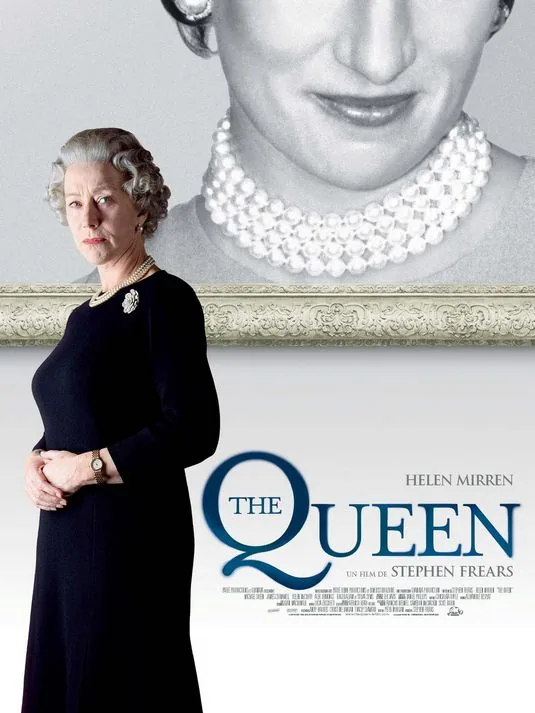
Both directed by Stephen Frears.
What changes Philomena is tagged bittersweet and warm; The Queen is tagged restrained and wry.
After Diana, Princess of Wales dies in a car crash in 1997, Queen Elizabeth II treats the event as a private family bereavement and remains at Balmoral with her grandsons. Prime Minister Tony Blair sees the public's grief and the absence of an official response as a crisis for both the monarchy and the new government. Their disagreement plays out through advisers, news coverage and an unprecedented display of flowers outside the palaces. Blair urges the Queen to acknowledge the country's mourning; she sees his proposals as yielding to public pressure. The film stages the week as a negotiation between protocol and changing public expectation, using the Queen's eventual response as a turning point in the monarchy's relationship with the public. Private conversations are dramatized, not documentary record.
Both share an investigation, plus themes of justice.
Why this matches +
Genres: Crime / Drama
Shared film traits
Based on recorded story, mood and style. Your preferences can change the order.
Investigation
What changes Philomena: measured, episodic and reflective. Mystic River: slow burn.
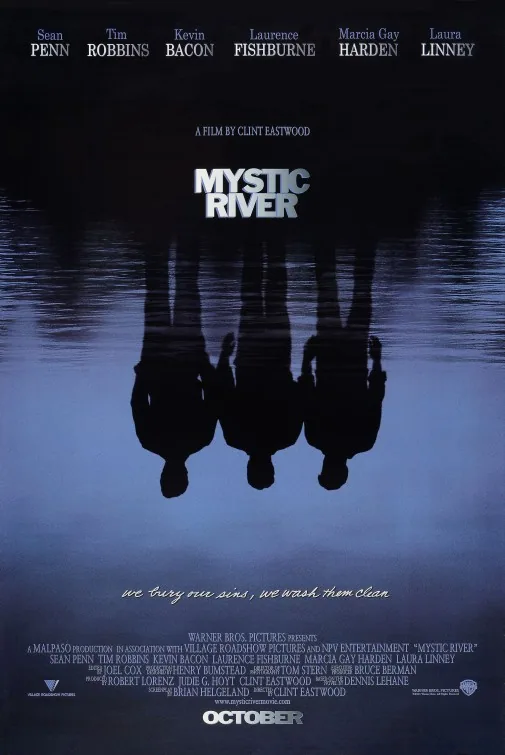
The murder of a young woman reconnects three Boston men whose childhood friendship was fractured by one boy's abduction and abuse. One is now the victim's father, another a police investigator, and the third returns home injured on the night she dies. Their different responses to grief and remembered vulnerability produce competing accounts of what happened, while neighbourhood loyalties turn suspicion into a force that can outrun evidence.
Based on recorded story, mood and style. Your preferences can change the order.
What changes Philomena: measured, episodic and reflective. The Divine Secrets of the Ya-Ya Sisterhood: alternating timelines and character-led.
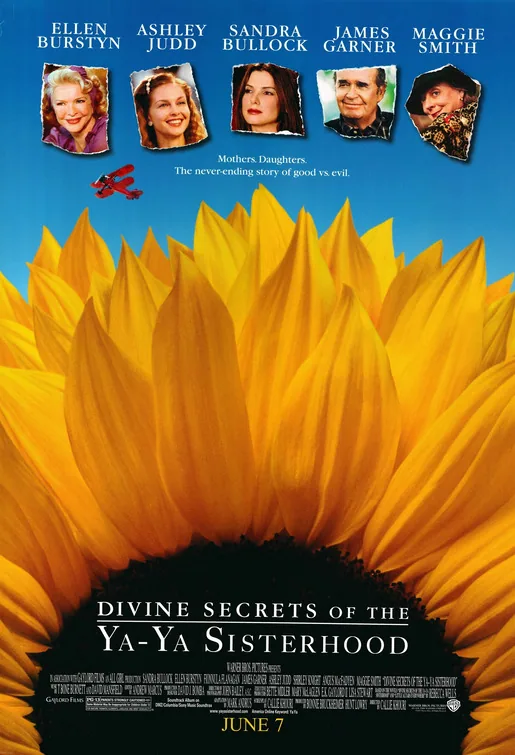
A playwright's public comments about her childhood deepen a long-running rift with her mother and threaten to disrupt her upcoming wedding. The mother's lifelong friends intervene, bringing the daughter into a shared history that spans girlhood, marriage and painful family choices. The drama uses memories and an ensemble of older women to ask how adult children can understand parents without excusing the harm they experienced.
Based on recorded story, mood and style. Your preferences can change the order.
Investigation
What changes Philomena is tagged bittersweet and warm; Gentle Monster is tagged uneasy and intimate.
Lucy, a concert pianist, has moved to the country with her husband Philip and their son while Philip recovers from burnout. A police search disrupts their apparent refuge, and an investigator brings a serious allegation against him. Lucy must reconsider the person she thought she knew as her loyalties as a partner and a parent come under pressure.
Both share an investigation, plus themes of justice.
Why this matches +
Genres: Crime / Mystery
Shared film traits
Based on recorded story, mood and style. Your preferences can change the order.
Investigation
What changes Philomena: measured, episodic and reflective. Gone Baby Gone: slow burn and escalating.
Two private investigators familiar with a working-class Boston neighbourhood help search for a missing child. Access to people who distrust police gives them useful leads, but conflicting stories complicate the difference between criminal danger and inadequate care. As the investigation crosses loyalties within the community and the police, recovering the truth creates choices that evidence alone cannot settle.
Based on recorded story, mood and style. Your preferences can change the order.
Investigation
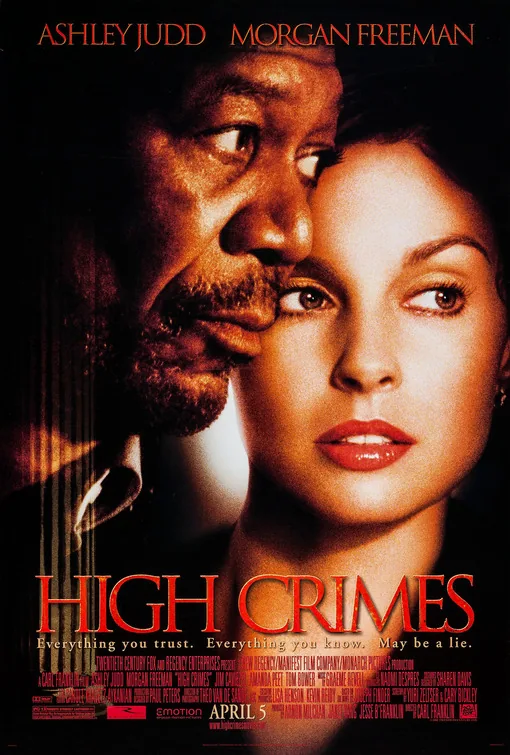
What changes Philomena is tagged bittersweet and warm; High Crimes is tagged suspicious and tense.
A successful defense attorney must defend her husband when authorities accuse him of concealing a violent military past under another identity. As she examines the evidence, trust in the man she married collides with courtroom strategy and disputed events overseas. This legal thriller combines intimate betrayal with investigation, asking how much of a private life can be known through testimony.
After losing her child to adoption at an Irish convent decades earlier, Philomena Lee agrees to let journalist Martin Sixsmith investigate what happened. Their search takes them from the convent to the United States, where they discover that her son Anthony became Michael Hess, a political aide who had tried to learn about his birth mother. The nuns’ secrecy and the limits of their records obscure the fact that Michael returned to Ireland seeking Philomena before he died. Martin wants to confront the people who withheld the truth; Philomena must decide how to respond to the institution that separated them. Her final choice is forgiveness, not silence about the injustice.
What drives the story
The search joins a mother’s private loss to an investigation into how religious authority controlled records and separated families.
The people at its centre
Philomena’s warmth and faith coexist with Martin’s anger; neither simply converts the other to a single moral response.
What it feels like
A restrained road drama balances painful testimony with dry humor, letting Judi Dench and Steve Coogan’s contrasting temperaments carry the journey.
Worth knowing
Its focus is a specific adoption and its aftermath; Philomena’s forgiveness does not undo the institutional coercion or substitute for historical context.