A staged family celebration turns knowledge of approaching loss into a practical dispute over who should carry emotional responsibility.
Why this matches +
Parents pretend their separation never happened while their daughter struggles with fading memories.
Genres: Drama / Comedy
Shared film traits
Based on recorded story, mood and style. Your preferences can change the order.
What changes The concealed truth concerns a grandmother's diagnosis rather than parents' separation and a child's memory.
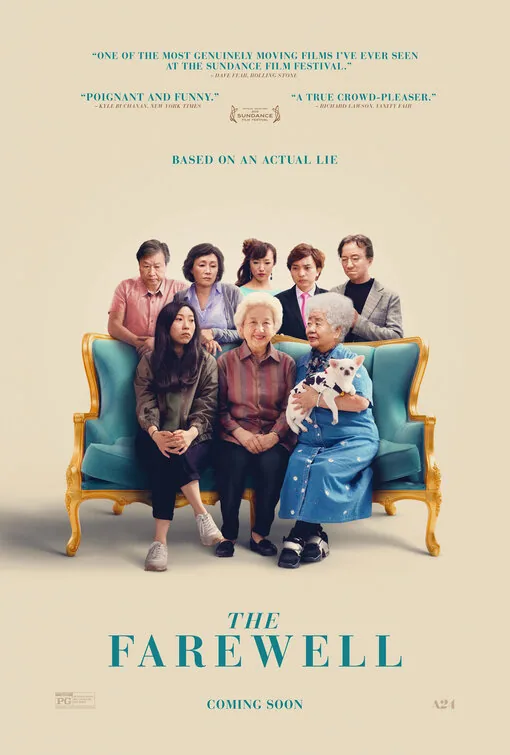
A Chinese American woman learns that her grandmother in China has received a terminal diagnosis that the family intends to conceal from her. A hastily arranged wedding creates a reason for relatives living abroad to gather without revealing why they have come. Returning against her parents' advice, the granddaughter struggles with a form of care that depends on collective concealment, while recognising that migration has already complicated what belonging and responsibility mean.
a bodily-autonomy claim forcing the family to revisit protective choices
Why this matches +
Parents pretend their separation never happened while their daughter struggles with fading memories.
Genres: Drama
Shared film traits
Based on recorded story, mood and style. Your preferences can change the order.
What changes Its ethical conflict concerns donation and autonomy, not performing a reunited marriage.
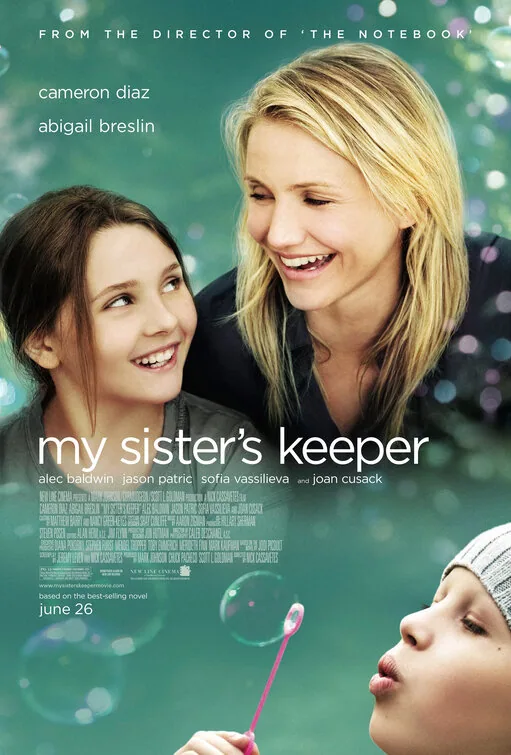
A family’s effort to care for a daughter with a serious illness is disrupted when her younger sister seeks the right to make medical decisions for herself. The court dispute exposes different forms of love, fear and sacrifice carried by each family member. The drama examines the strain of treating one child as a possible source of help for another and asks who gets to choose what their body endures.
A recounted youthful romance traces repeated separations while its telling becomes part of a present-day effort to sustain recognition.
Why this matches +
These selections share a specific story or viewing dimension; the recorded differences explain the limits of each comparison.
An adjacent discovery: a related idea with a different viewing experience.
Genres: Romance / Drama
Shared film traits
Based on recorded story, mood and style. Your preferences can change the order.
What changes The central relationship is a lifelong romance rather than separated parents protecting a daughter.
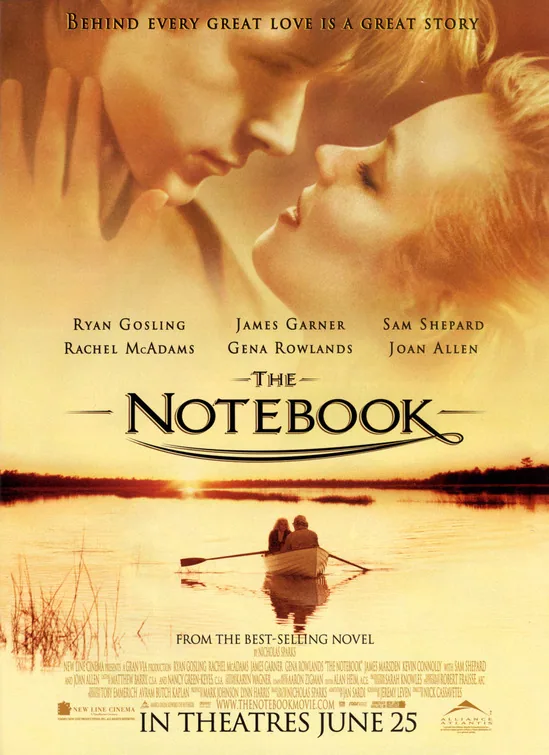
An older man reads a story of a young couple whose summer attachment develops across a sharp difference in class and family expectation. Separation, war and other relationships make their eventual choices less straightforward than the intensity of the first encounter suggests. The framing situation gradually gives the remembered romance another emotional purpose, connecting the promise of enduring devotion with the vulnerability of memory and bodily aging.
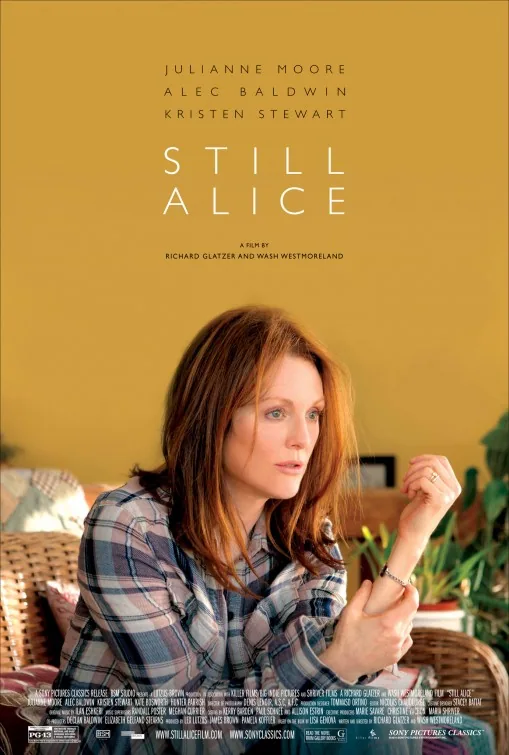
The loss of language makes everyday work and family conversation newly difficult, so Alice's tools for holding onto agency become central to the story.
Why this matches +
These selections share a specific story or viewing dimension; the recorded differences explain the limits of each comparison.
An adjacent discovery: a related idea with a different viewing experience.
Genres: Drama
Shared film traits
Based on recorded story, mood and style. Your preferences can change the order.
Memory and identity
What changes An adult's younger-onset Alzheimer's replaces an ill child and estranged parents.
Alice Howland is a successful linguistics professor whose occasional word loss and disorientation lead to a diagnosis of early-onset familial Alzheimer's disease. As she builds reminders and routines to preserve independence, her husband John and their adult children respond in different ways. Her daughter Anna learns she carries the inherited risk, while aspiring actress Lydia declines testing and remains closely involved with her mother. Alice's career, memory and ability to communicate change over time, shifting the family's idea of care and of who Alice is.
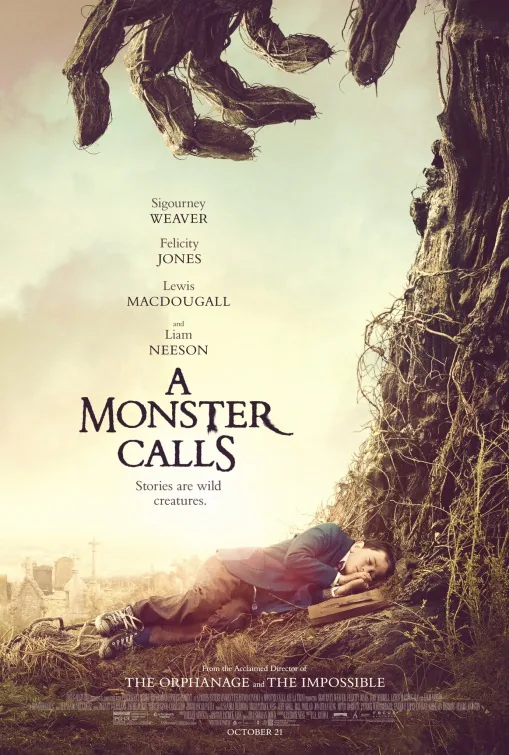
A mysterious creature helps a grieving boy approach the truth he has avoided.
Why this matches +
These selections share a specific story or viewing dimension; the recorded differences explain the limits of each comparison.
An adjacent discovery: a related idea with a different viewing experience.
Genres: Fantasy / Drama
Shared film traits
Based on recorded story, mood and style. Your preferences can change the order.
What changes Fantasy helps a boy face his mother's illness rather than parents responding to his own memory loss.
Conor, a boy whose mother is seriously ill, struggles with fear, school conflict and the possibility of losing her. At night, an enormous tree-like creature visits and tells him stories that lead toward a truth he does not want to face. J. A. Bayona treats fantasy as a language for grief, combining the boy's ordinary difficulties with visual storytelling that gives difficult emotions an imaginative form.
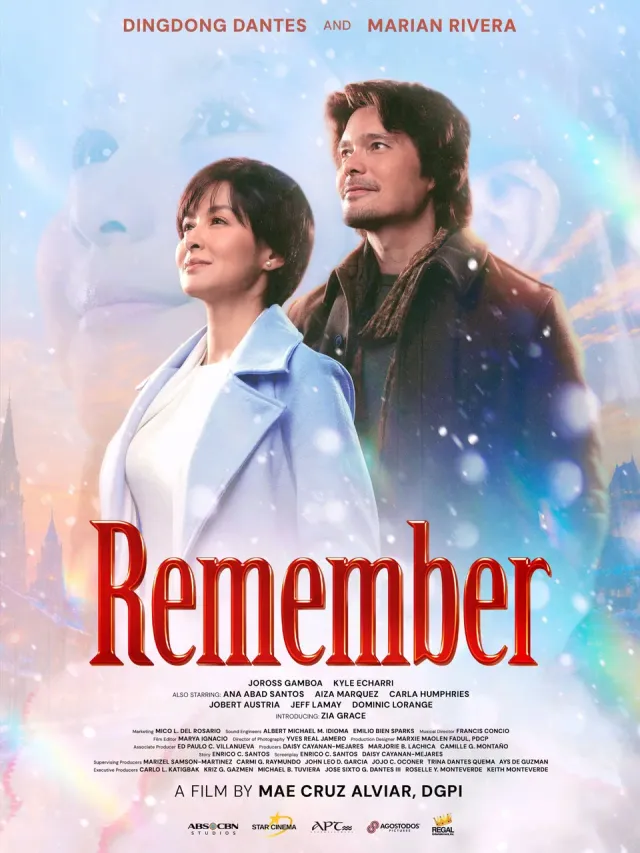
Ria and Joseph have built separate lives after their marriage broke down. Their daughter's fading memory brings them together in Quebec, where they agree to act as though they are still a couple. Maintaining that appearance makes old grievances difficult to avoid, while their concern for their child gives every attempt at reconciliation an emotional urgency neither parent can easily dismiss.
What drives the story
Parents pretend their separation never happened while their daughter struggles with fading memories.
The people at its centre
Joseph seeks renewed trust from Ria while both put their daughter's emotional needs first.
What it feels like
The appeal lies in intimate family melodrama about memory and reconciliation under medical pressure.
Worth knowing
A child's illness drives the reunion; this is not a light romantic fake-relationship comedy.