Both centre on satirical absurdity and constrained rescue.
Why this matches +
Genres: Horror / Comedy
Shared film traits
Based on recorded story, mood and style. Your preferences can change the order.
From the same film series.
What changes Scary Movie 4 is tagged broad and vulgar; Scary Movie 2 is tagged crude and hyperactive.
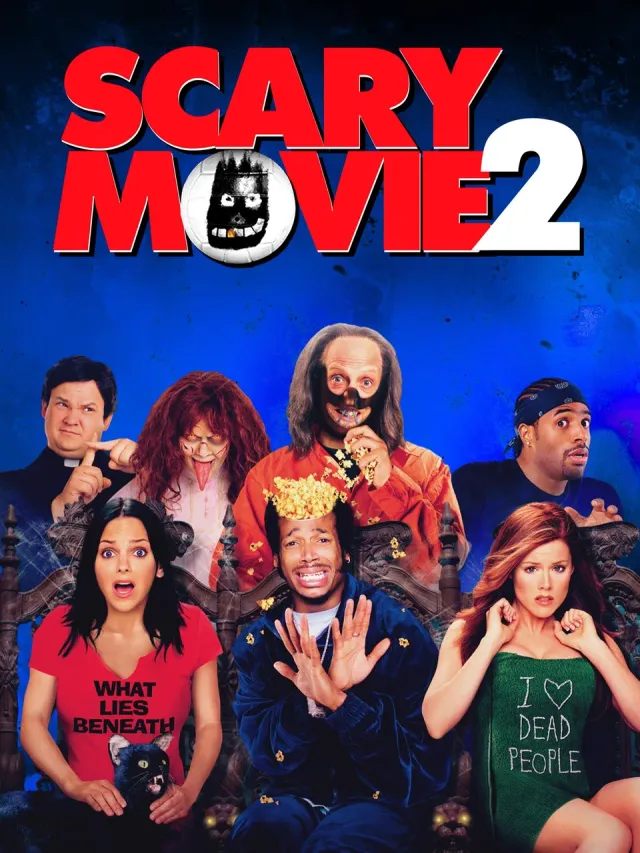
College students Cindy, Ray, Brenda and Shorty are lured to a haunted mansion for an experiment that quickly becomes a series of ghostly attacks and absurd failures. The setup borrows the isolated-house and exorcism machinery of familiar horror films, then keeps undercutting suspense with bodily gags, crude dialogue and deliberately ridiculous behavior. Cindy and Brenda remain at the center of the friend group, but the plot is less concerned with a coherent supernatural mystery than with making each new encounter an excuse to parody the genre. Its humor is intentionally tasteless and often depends on shock rather than character development.
Based on recorded story, mood and style. Your preferences can change the order.
Escape and pursuit
What changes Scary Movie 4: sketch-like, rapid and disjointed. Snatched: adventure episodes with comic recovery.
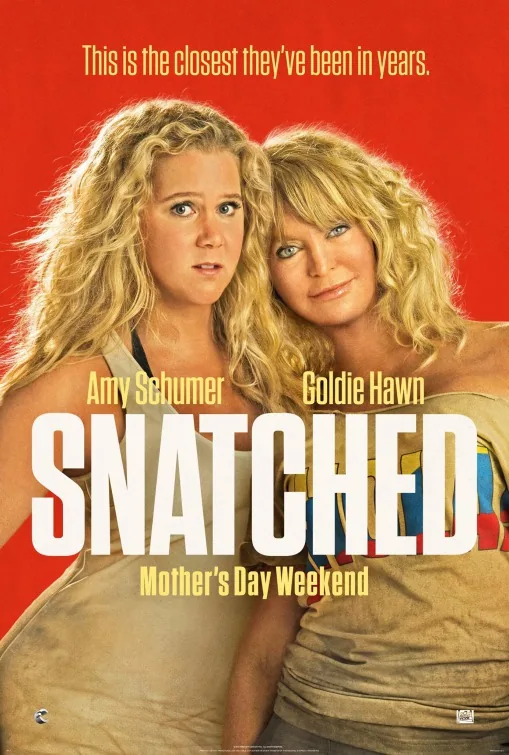
After losing her job and boyfriend, Emily persuades her cautious mother Linda to join her on a trip to Ecuador. The holiday takes a dangerous turn when the two are kidnapped, forcing them to rely on each other and on strangers as they try to escape. The comedy reverses their usual parent-child roles: Linda’s careful preparation becomes useful, while Emily must reconsider how much she has taken her mother for granted.
Based on recorded story, mood and style. Your preferences can change the order.
Escape and pursuit
What changes Scary Movie 4: sketch-like, rapid and disjointed. Breaking In: deadline-driven escalation.
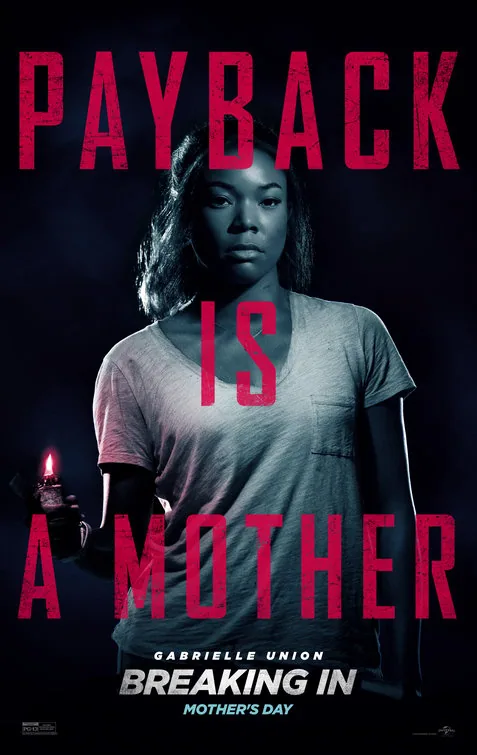
Shaun Russell takes her children to a remote, technologically secured home and finds that burglars have entered while the family is away. When the thieves hold the children inside, Shaun must use the property’s security systems and her own resourcefulness to break back in. The thriller reverses the home-invasion setup by making a mother the pursuer, with each barrier and camera becoming part of a rescue strategy.
Based on recorded story, mood and style. Your preferences can change the order.
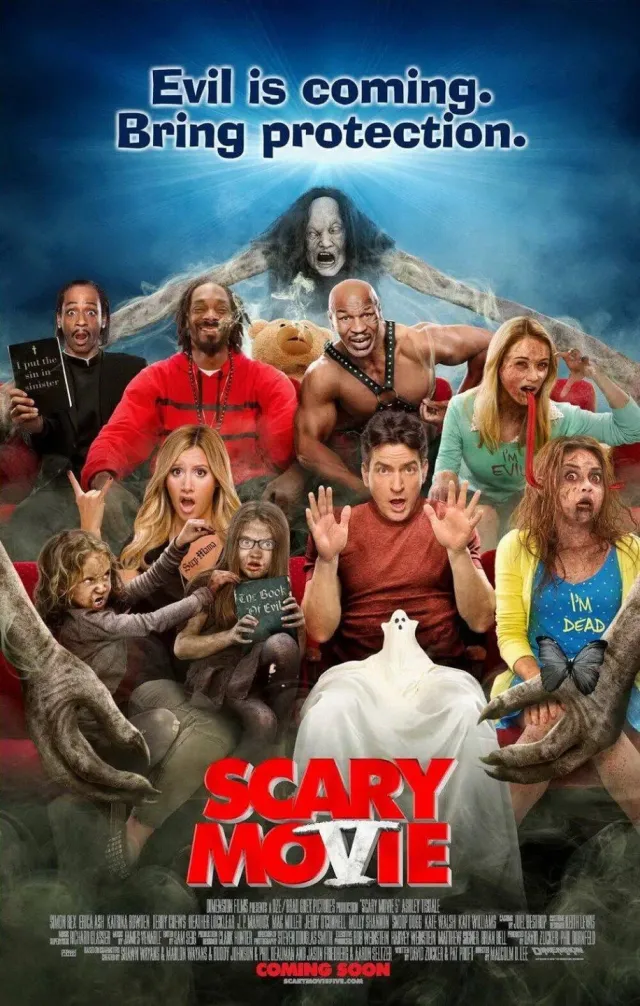
What changes Scary Movie 4: sketch-like, rapid and disjointed. Scary Movie 5: fragmented and sketch-driven.
A couple begin a new life while raising children who may be haunted by a supernatural force, and their family problems quickly become a framework for parodying recent horror and pop-culture films. Malcolm D. Lee uses the franchise’s broad sketch-comedy style, changing scenarios rapidly and relying on visual gags, celebrity appearances and crude references. The result is an intentionally disposable spoof whose appeal depends on recognition and tolerance for exaggerated sexual humor.
Based on recorded story, mood and style. Your preferences can change the order.
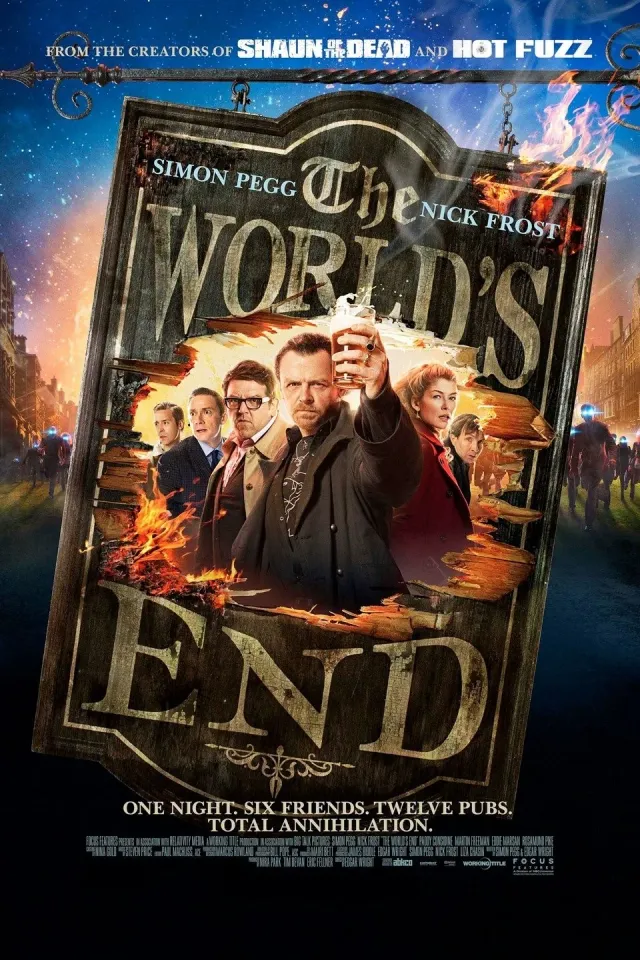
What changes Scary Movie 4: sketch-like, rapid and disjointed. The World's End: fast and escalating.
Gary King reunites his childhood friends to finish a pub crawl they failed to complete as teenagers in their hometown. The group discovers that the familiar pubs and some of the people inside them have been replaced by an alien system intent on enforcing conformity. Edgar Wright's science-fiction comedy combines a reunion road map with a fast escalation, while Gary's nostalgia and denial threaten the friendships he hopes to restore.
Based on recorded story, mood and style. Your preferences can change the order.
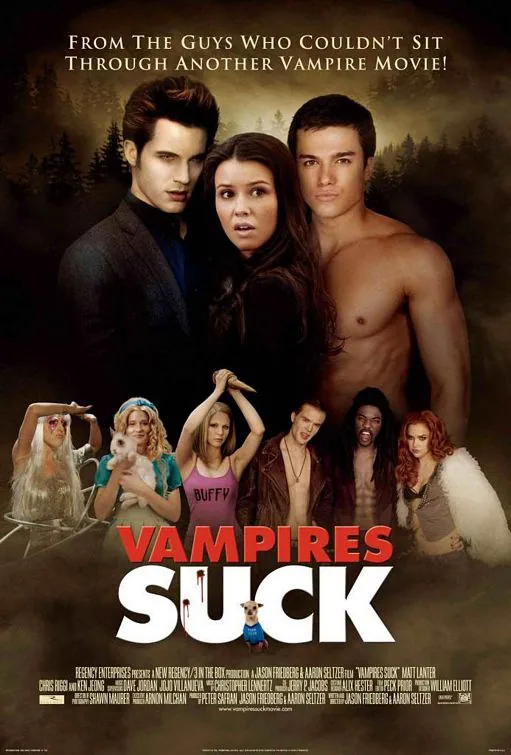
What changes Scary Movie 4: sketch-like, rapid and disjointed. Vampires Suck: sketch-like string of references.
Teenager Becca moves to a small Pacific Northwest town and becomes involved in a parody of the contemporary vampire-romance craze. A love triangle, a secretive supernatural student and a series of genre references provide the framework for jokes about melodramatic longing and pop-culture fixation. The comedy relies on recognition of its targets, turning familiar scenes and character types into fast, broad spoof material.
Both centre on constrained rescue and rescue partnership.
Why this matches +
Genres: Action / Comedy
Shared film traits
Based on recorded story, mood and style. Your preferences can change the order.
Escape and pursuit
What changes Scary Movie 4: sketch-like, rapid and disjointed. Taxi 2: sequel escalation and car-chase set pieces.
A Japanese defense minister visits Marseille to inspect a staged police exercise before signing a weapons agreement. The visit becomes real trouble when a yakuza group kidnaps him and police detective Émilien's girlfriend Petra. Émilien again calls on Daniel, the taxi driver whose modified Peugeot and reckless speed can reach places the police cannot. Their rescue effort moves between official ceremonies, mistaken plans and increasingly elaborate car stunts. The sequel repeats the pair's contrasting methods while expanding the scale of the local comic action.
Based on recorded story, mood and style. Your preferences can change the order.
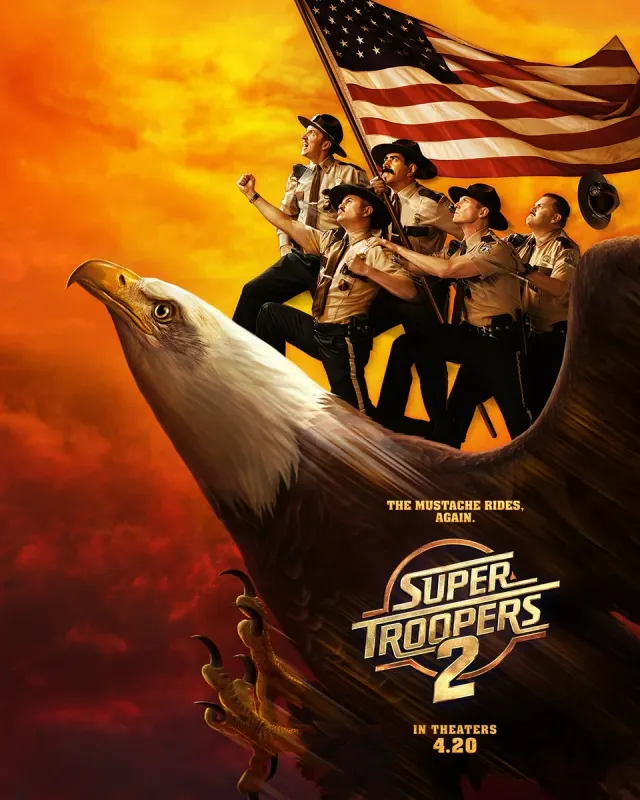
What changes Scary Movie 4: sketch-like, rapid and disjointed. Super Troopers 2: sketch-like episodes build around the town’s jurisdictional confusion.
After a border dispute reveals that a small Canadian town lies on the American side of a newly clarified boundary, the former Vermont state troopers are assigned to establish a police presence. Their return brings familiar pranks, rivalries and deliberately juvenile humor, while local residents and Canadian officers resist the takeover. The sequel extends the original ensemble’s absurd policing style into a cross-border comic conflict.
Based on recorded story, mood and style. Your preferences can change the order.
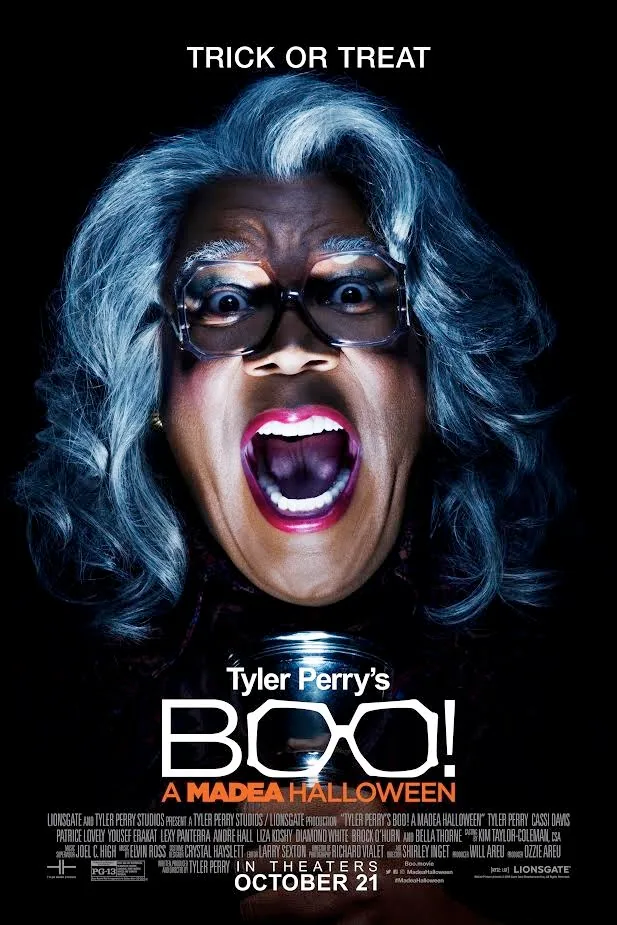
What changes Scary Movie 4: sketch-like, rapid and disjointed. Tyler Perry’s Boo! A Madea Halloween: episodic and escalating.
Brian tries to keep his teenage daughter Tiffany away from a Halloween party, but she finds ways to evade his rules. Madea and Aunt Bam are asked to watch over the household, and their interventions add comic confusion to the family’s attempts to manage the night. Pranks, party trouble and supposed supernatural scares build a broad seasonal farce about parental worry, adolescent independence and the limits of household supervision.
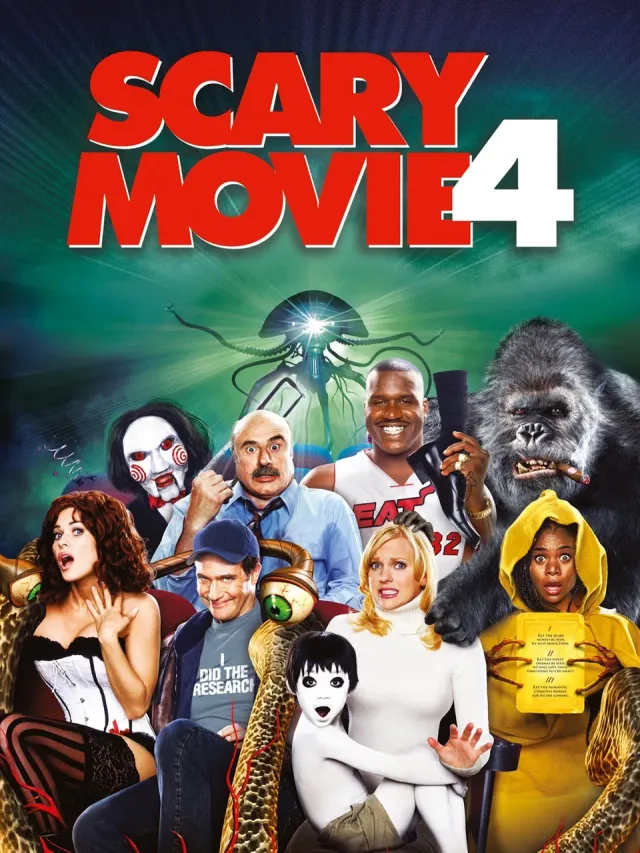
Cindy Campbell takes a job caring for a woman in a haunted house while trying to manage grief and loneliness after her husband’s death. Next door, Tom Ryan is struggling to reconnect with his estranged children just as an alien invasion begins to empty the town. Their growing attachment is repeatedly interrupted by parodies of haunted-house, invasion and trap-horror films, which the movie treats as a chain of comic disasters rather than one consistent threat. Cindy and Tom ultimately work together against the invading forces, but the jokes are intentionally broad and often far more important than the plot’s logic.
What drives the story
The haunted-house assignment turns into an alien-invasion scramble, and the film uses each new danger to launch another spoof rather than build a single suspense puzzle.
The people at its centre
Cindy and Tom’s shared loneliness gives the parody a simple romantic through-line; Tom’s attempt to become a dependable father is central to his comic redemption.
What it feels like
Rapid scene changes, famous-movie imitations and physical gags create a deliberately disjointed, sketch-like rhythm that keeps resetting the stakes.
Worth knowing
Best for fans of broad pop-culture spoofing; its vulgar humor, abrupt tone and loose plot make it a poor choice for viewers seeking sustained horror or romance.