Both centre on performance ambition and communication and trust.
Why this matches +
Genres: Animation / musical
Shared film traits
Based on recorded story, mood and style. Your preferences can change the order.
Music and performance
What changes Sing: ensemble, upbeat and climactic. Sing 2: parallel character arcs and build to spectacle.
Buster Moon’s troupe leaves its repaired hometown theater for Redshore City, hoping to impress entertainment mogul Jimmy Crystal with a new science-fiction musical. Crystal approves the show on the false promise that reclusive rock star Clay Calloway will perform, so Buster must find him while staging a production far beyond the group’s resources. Each cast member faces a separate pressure: Rosita’s fear of heights, Johnny’s punishing dance coach, Meena’s inexperience with romance and Ash’s effort to reach Clay through grief. The show becomes a test of whether Buster’s optimism can survive a powerful patron’s control.
Based on recorded story, mood and style. Your preferences can change the order.
Music and performance
What changes Sing: ensemble, upbeat and climactic. Madagascar 3: Europe's Most Wanted: fast.
Animals hoping to return to their old zoo take refuge in a failing traveling circus while a relentless official pursues them. Claiming to be performers offers immediate safety but creates obligations to a troupe whose confidence has been damaged. Inventing a new act makes belonging feel possible before the deception is exposed and the original destination finally becomes reachable. The animated sequel turns the desire to go home into a test of whether familiarity still contains the kind of life the group has learned to want.
Based on recorded story, mood and style. Your preferences can change the order.
What changes Sing: ensemble, upbeat and climactic. Tokyo Godfathers: episodic search, coincidental encounters and emotional christmas resolution.
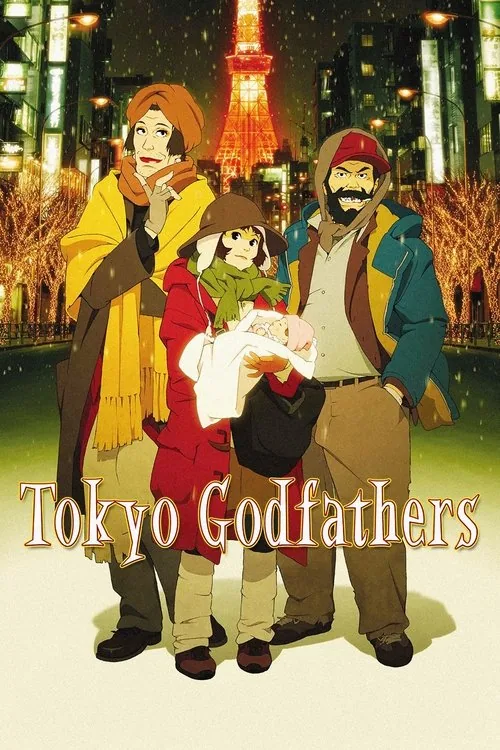
On Christmas Eve in Tokyo, three unhoused companions—Gin, Hana, and runaway teenager Miyuki—find a newborn among discarded belongings. They follow a few clues to identify the baby's parents and carry her through the city, encountering people connected to their own pasts along the way. Their search turns into a chain of coincidences, danger, and unlikely generosity. Satoshi Kon's animated drama uses a holiday structure for a humane urban adventure about chosen family, regret, and the possibility of returning a child to safety.
Based on recorded story, mood and style. Your preferences can change the order.
What changes Sing: ensemble, upbeat and climactic. Swapped: comic escalation and adventure quest.
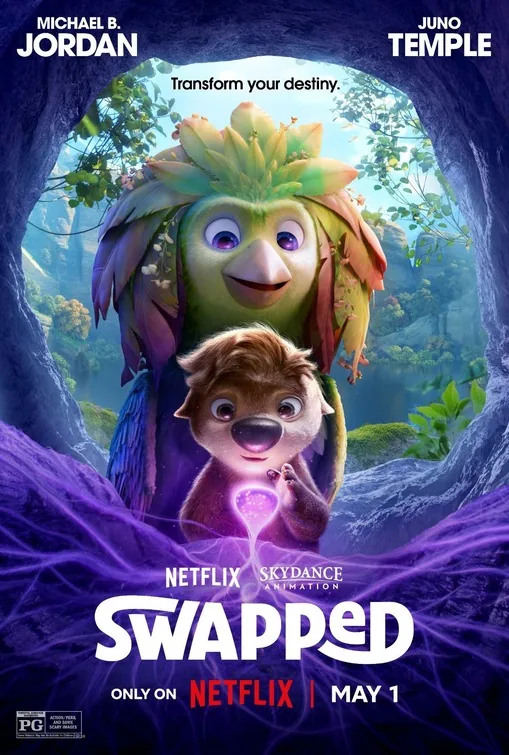
Two natural enemies swap bodies and must learn to work together to survive in a changing animal world. This animated comedy uses a body-swap premise to create visual jokes while giving its mismatched pair a shared survival goal. Their partnership grows through practical problem-solving and a new appreciation of the other's perspective, as each learns to navigate a dangerous world without relying on familiar instincts.
Based on recorded story, mood and style. Your preferences can change the order.
What changes Sing: ensemble, upbeat and climactic. Dumbo: steady.
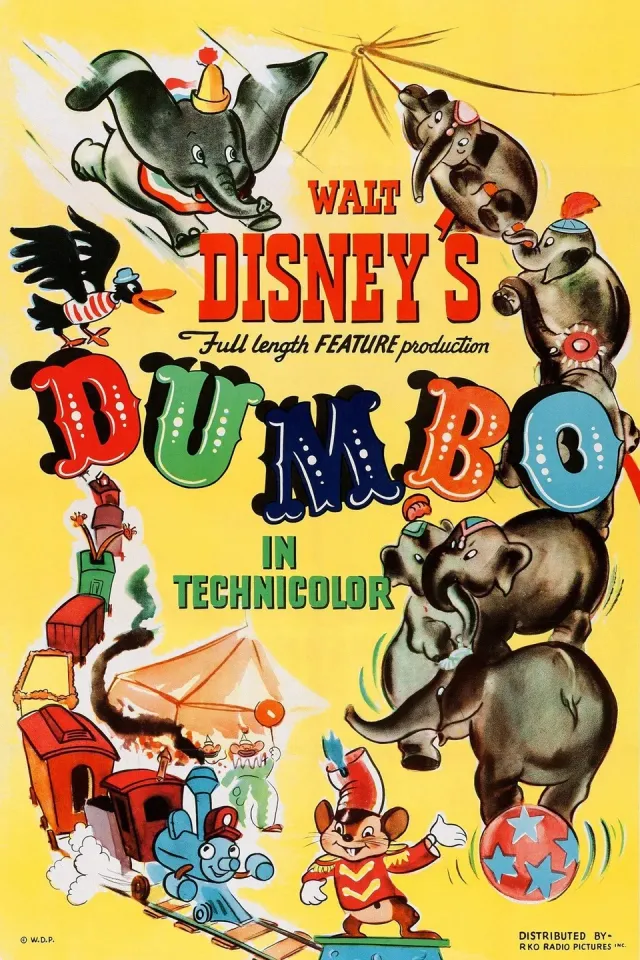
A young circus elephant's unusually large ears make him a target for ridicule and separate him from the mother who attempts to protect him. An unexpected friendship helps him navigate a workplace that turns difference into humiliating entertainment. Discovering an unforeseen use for the feature others mock offers a route towards recognition, while the underlying emotional need remains simpler than public applause: safety and renewed closeness with his family.
Based on recorded story, mood and style. Your preferences can change the order.
What changes Sing: ensemble, upbeat and climactic. Horton Hears a Who!: brisk and escalating.
An elephant hears a voice from a dust speck and becomes responsible for a city that others cannot perceive. His efforts to move it to safety provoke a local authority who treats belief in unseen people as a challenge to social order. Inside the speck, a mayor also struggles to persuade his own community to act on a danger it cannot understand. The parallel stories make protection depend on communication across radically unequal scales, with the smallest possible contribution eventually carrying public significance.
Based on recorded story, mood and style. Your preferences can change the order.
Music and performance
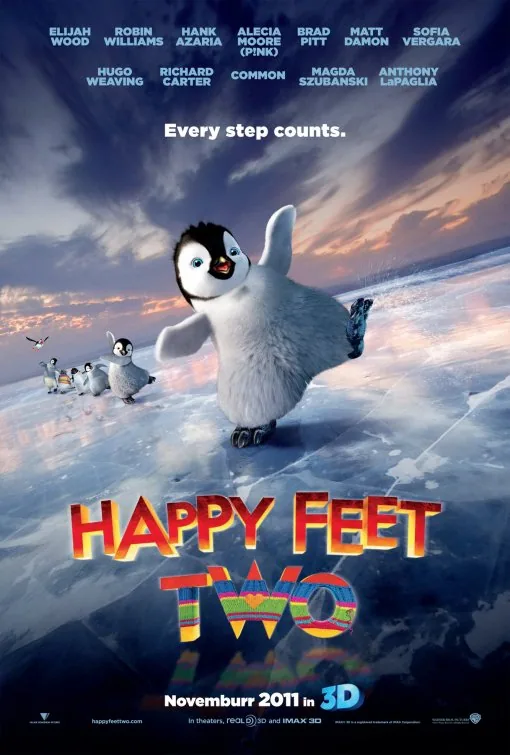
What changes Sing: ensemble, upbeat and climactic. Happy Feet Two: episodic and escalating.
A young penguin who cannot match his father's dancing is drawn to a charismatic figure promising a different route to significance. Their return home reveals the colony trapped by shifting ice, turning a private problem of belonging into a collective rescue. Help must come from beyond the emperor penguins' own group, while a parallel pair of krill question their place in a larger food chain. The musical adventure joins uncertainty about individual usefulness with the discovery that survival depends on cooperation across scales and species.
Based on recorded story, mood and style. Your preferences can change the order.
Music and performance
What changes Sing: ensemble, upbeat and climactic. KPop Demon Hunters: fast and escalating.
K-pop trio Huntr/x fills arenas by day and keeps demons from reaching its fans by night. Rumi’s voice and leadership hold the group together, but she hides that she is half-demon and believes the truth makes her unworthy of love. Rival boy band the Saja Boys uses polished performance to draw audiences toward the demons’ plan, while Jinu’s bond with Rumi makes betrayal and vulnerability personal. Their final confrontation changes the barrier protecting humanity; it does not erase the structures of shame or the consequences of the men’s deception. The fast, colorful musical adventure turns fame into a weapon of connection and control, but its resolution is more than a slogan about accepting oneself: trust, confession and accountability are shared actions.
Based on recorded story, mood and style. Your preferences can change the order.
Music and performance
What changes Sing: ensemble, upbeat and climactic. Melody Time: episodic and variable.
This 1948 Disney package feature contains seven musical segments with different characters, animation styles and sources: a seasonal courtship, a piano performance, Johnny Appleseed’s folk legend, Little Toot’s coming-of-age story, a poem set to music, a samba interlude and Pecos Bill’s tall tale. There is no single protagonist or shared plot; each short begins a new relationship between sound and image. Some later television and home-video editions alter the lineup, so the version matters when describing what a viewer will see. The shifts between abstract music, folklore and comic adventure are the film’s core experience, not interruptions on the way to one climax. Its family-oriented format spans playful material and older-story elements that may need context for contemporary audiences.
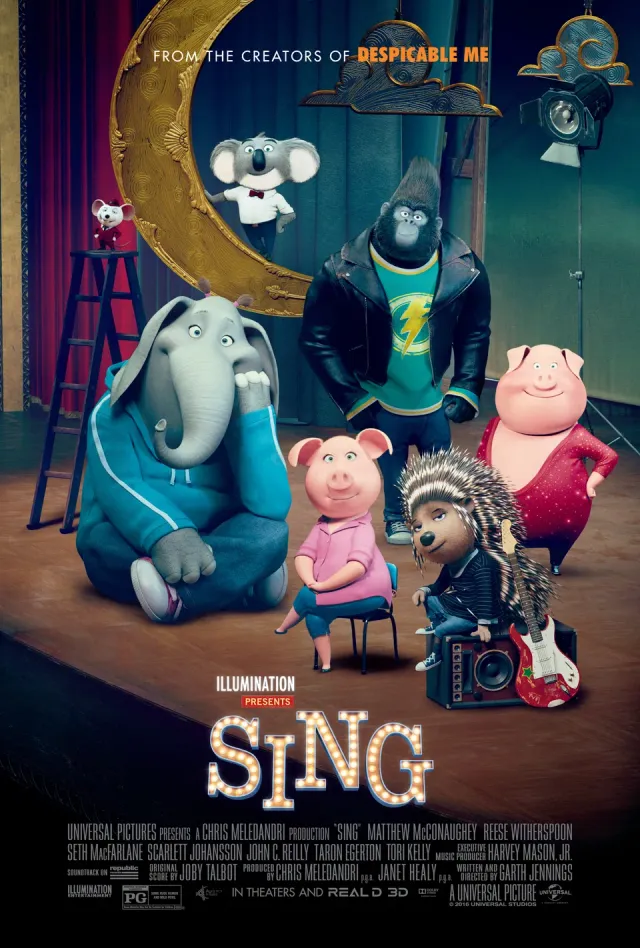
Koala theater owner Buster Moon tries to save his struggling venue with a singing contest, but a printing mistake advertises a prize far larger than he can pay. A mismatched group of animal contestants arrives, each balancing a private obstacle with the chance to perform: a mother overwhelmed by childcare, a punk singer leaving a controlling boyfriend, a gorilla torn between music and his criminal father, an overconfident mouse and an elephant with stage fright. As Buster scrambles to keep the promise, their different stories converge around the theater’s opening night.
What drives the story
The accidental prize amount turns Buster’s fundraising scheme into a deadline, but the contestants’ own performances gradually become the reason to save the theater.
The people at its centre
The characters’ ambitions are not equally supported at home: Johnny must defy his father’s criminal expectations, while Rosita and Meena have to claim space for talents others overlook.
What it feels like
Bright animation and familiar pop songs make the contest accessible, while backstage mishaps keep the ensemble structure comic and energetic.
Worth knowing
Choose it for an upbeat animated music story about performance and persistence; the several parallel character arcs matter more than a single competition winner.