A salesman discovers a fast-food restaurant system and turns it into a national franchise.
Why this matches +
Exceptional creative authority is refracted through disputed collaboration and damage to close relationships.
Genres: Drama / Biography
Shared film traits
Based on recorded story, mood and style. Your preferences can change the order.
What changes Steve Jobs: three-act structure and backstage confrontation. The Founder: rise-and-fall and process-driven.
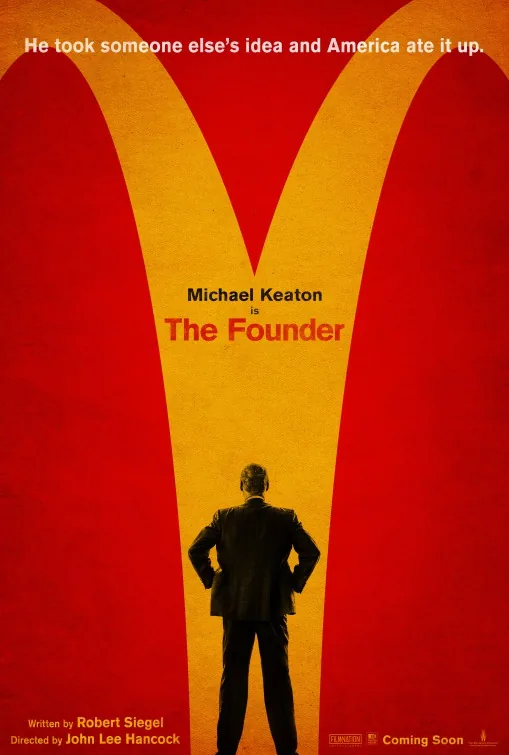
Traveling milkshake-machine salesman Ray Kroc encounters the McDonald brothers' efficient California restaurant and sees a model that could be replicated across the country. He helps expand the business, then presses to gain greater control over the name, property, and future of the company. John Lee Hancock's biographical drama follows entrepreneurship as a contest over systems and ownership, examining how ambition can recast another person's invention as an empire.
A platform's rapid expansion transforms collaboration and campus status competition into disputes over ownership, contribution and exclusion.
Why this matches +
Exceptional creative authority is refracted through disputed collaboration and damage to close relationships.
Genres: Drama / Biography
Shared film traits
Based on recorded story, mood and style. Your preferences can change the order.
What changes Steve Jobs: three-act structure and backstage confrontation. The Social Network: fast.
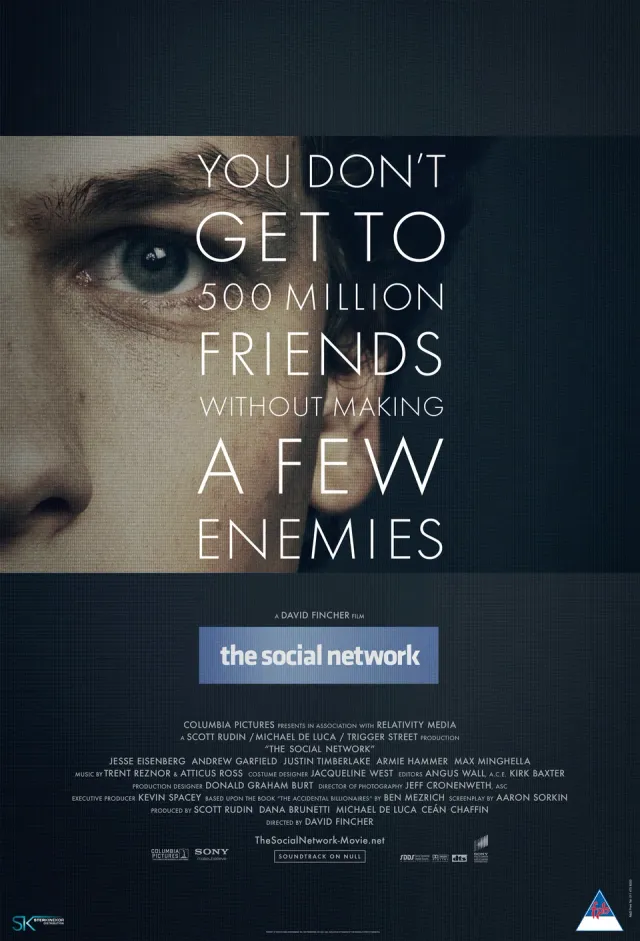
A Harvard student's response to rejection and social competition leads him from an intrusive campus website to a rapidly expanding social platform. Growth brings investment, influence and disputes over who supplied the original idea and who deserves control. Intercut legal testimony revisits apparently decisive choices from incompatible positions, making the achievement of public connection coexist with broken friendships and a persistent private desire for recognition.
A startup’s push to build a new communications device becomes a race to grow, defend, and then adapt its business.
Why this matches +
Exceptional creative authority is refracted through disputed collaboration and damage to close relationships.
Genres: Biography / Comedy
Shared film traits
Based on recorded story, mood and style. Your preferences can change the order.
What changes Steve Jobs: three-act structure and backstage confrontation. BlackBerry: fast business rise, ensemble workplace conflict and downfall and reflection.
In the 1990s, engineer Mike Lazaridis and his friend Doug Fregin try to turn a small Ontario technology company into a communications business. Investor Jim Balsillie joins them and pushes the company toward the mass market, helping transform the BlackBerry device into a global business before the smartphone landscape changes. Matt Johnson’s Canadian biographical comedy-drama traces the company’s rise and decline through workplace conflict, ambition, and shifting partnerships, drawing on the real history of Research In Motion while dramatizing its events.
A resource-poor organisation tests a new decision-making system against entrenched expertise and unpredictable outcomes.
Why this matches +
Exceptional creative authority is refracted through disputed collaboration and damage to close relationships.
Genres: Drama / Sport
Shared film traits
Based on recorded story, mood and style. Your preferences can change the order.
What changes Steve Jobs: three-act structure and backstage confrontation. Moneyball: measured.
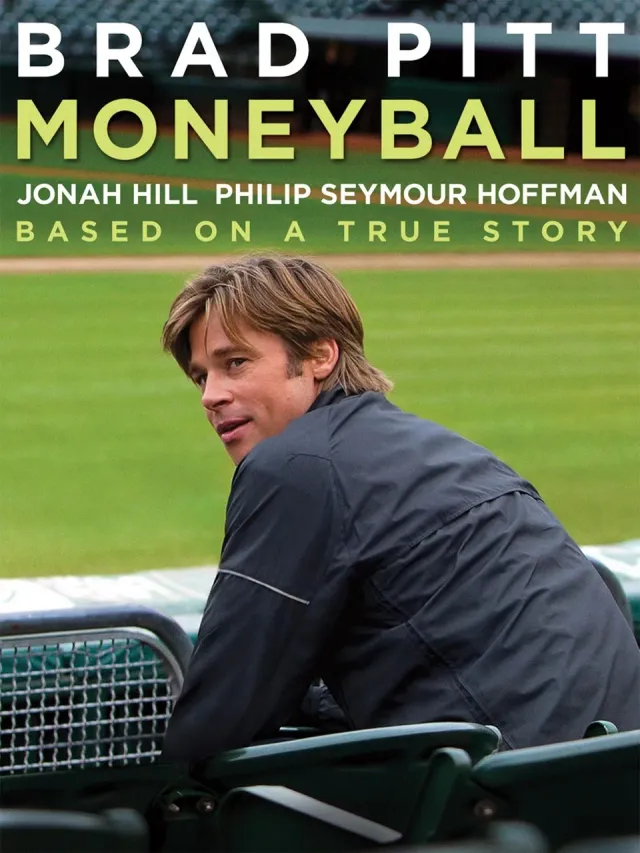
The general manager of a financially constrained baseball team recruits an analyst whose statistical approach challenges traditional scouting. Replacing established stars with undervalued players invites resistance from staff, supporters and the team's own manager. A disappointing personal history sharpens the executive's need to prove that a different method can work, even when individual games cannot supply a clean verdict.
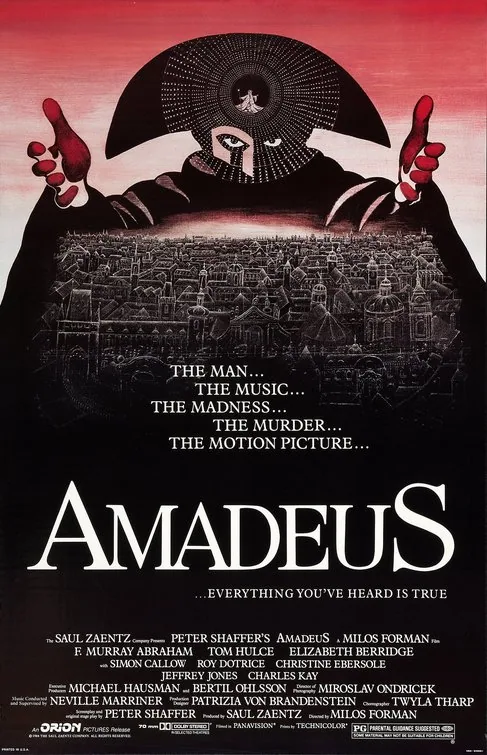
A musician's belief that talent should reward virtue is destabilised by a rival whose genius exposes the limits of earned achievement.
Why this matches +
Exceptional creative authority is refracted through disputed collaboration and damage to close relationships.
Genres: Drama / Biography
Shared film traits
Based on recorded story, mood and style. Your preferences can change the order.
What changes Steve Jobs: three-act structure and backstage confrontation. Amadeus: measured and epic.
An elderly composer recounts his relationship with a younger musician whose effortless brilliance seemed incompatible with his vulgar behaviour. Admiration becomes resentment as professional rivalry collides with religious belief and a painful awareness of his own limitations. Court patronage, money and personal vulnerability create opportunities for interference, while the act of retelling makes confession and self-dramatisation difficult to distinguish.
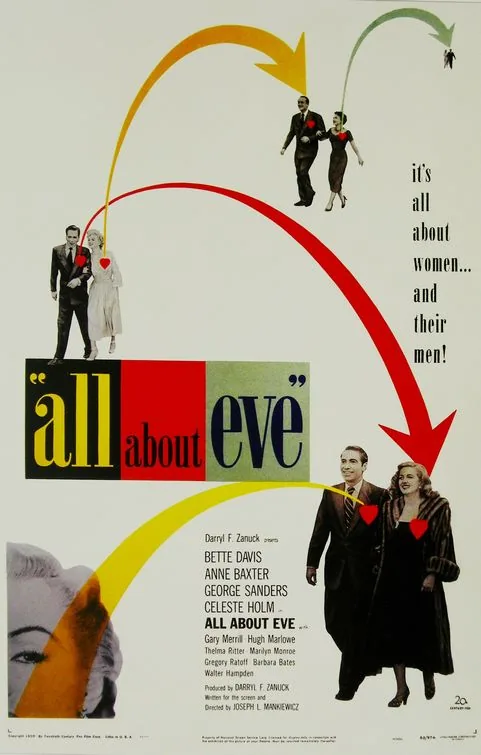
A newcomer's carefully performed devotion creates professional access that gradually exposes the established star's fear of replacement.
Why this matches +
Exceptional creative authority is refracted through disputed collaboration and damage to close relationships.
Genres: Drama / Comedy
Shared film traits
Based on recorded story, mood and style. Your preferences can change the order.
What changes Steve Jobs: three-act structure and backstage confrontation. All About Eve: measured.
A theatre star takes an apparently devoted admirer into her professional and private circle, interpreting the newcomer's vulnerability as evidence of sincerity. Access to the household and backstage world gives the younger woman opportunities to make herself indispensable. As colleagues and friends begin responding to different versions of her story, generosity becomes difficult to distinguish from the granting of power to someone skilled at presenting ambition as service.
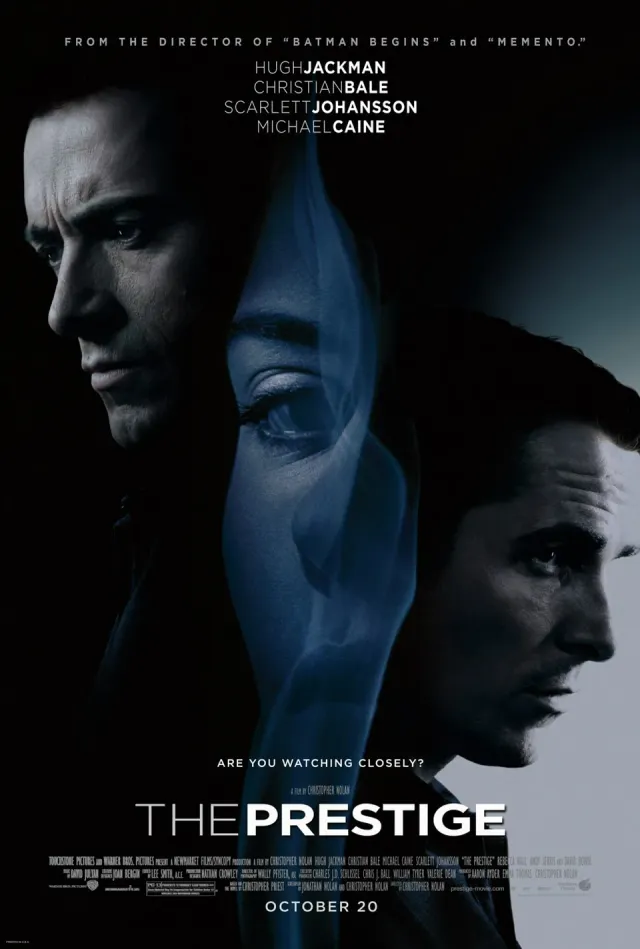
A competitive quest for an unmatched illusion becomes a cycle of espionage, sabotage and escalating personal cost.
Why this matches +
Exceptional creative authority is refracted through disputed collaboration and damage to close relationships.
Genres: Mystery / Thriller
Shared film traits
Based on recorded story, mood and style. Your preferences can change the order.
What changes Steve Jobs: three-act structure and backstage confrontation. The Prestige: measured.
Two stage magicians turn an early partnership into an escalating rivalry after a performance ends in tragedy. Each studies and sabotages the other's methods, making professional invention inseparable from humiliation and private sacrifice. Diaries, demonstrations and competing accounts reveal a world built on controlled attention, where the pursuit of a perfect illusion steadily damages relationships beyond the stage.
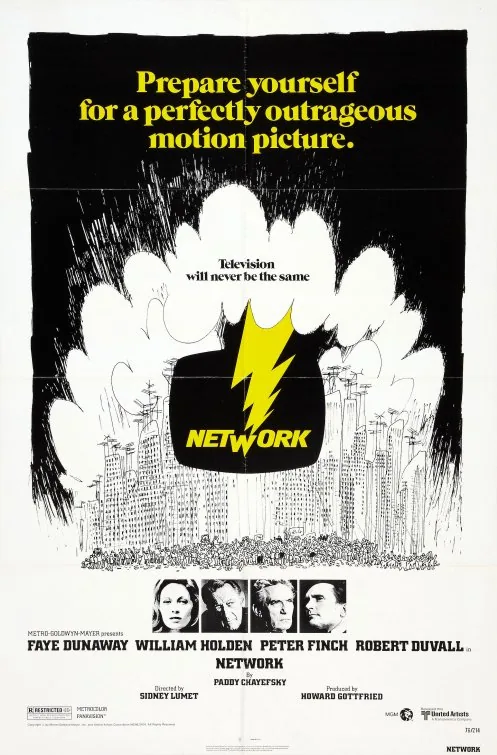
Ratings convert Beale's breakdown into a product, and every attempt to restore control becomes another negotiation between truth, profit and public appetite.
Why this matches +
Exceptional creative authority is refracted through disputed collaboration and damage to close relationships.
Genres: Drama / Comedy
Shared film traits
Based on recorded story, mood and style. Your preferences can change the order.
What changes Steve Jobs: three-act structure and backstage confrontation. Network: escalating and steady.
When veteran news anchor Howard Beale learns he will be dismissed, he announces on air that he will kill himself, then turns a farewell broadcast into an angry ratings sensation. Network executive Diana Christensen sells the outburst as entertainment, while division president Max Schumacher worries about the erosion of journalism and begins an affair with her. As Beale's populist persona grows, corporate leaders exploit his audience and eventually object when his message threatens a merger. The network answers a business problem with a lethal programming decision, turning the news division's cynicism into the plot's final spectacle.
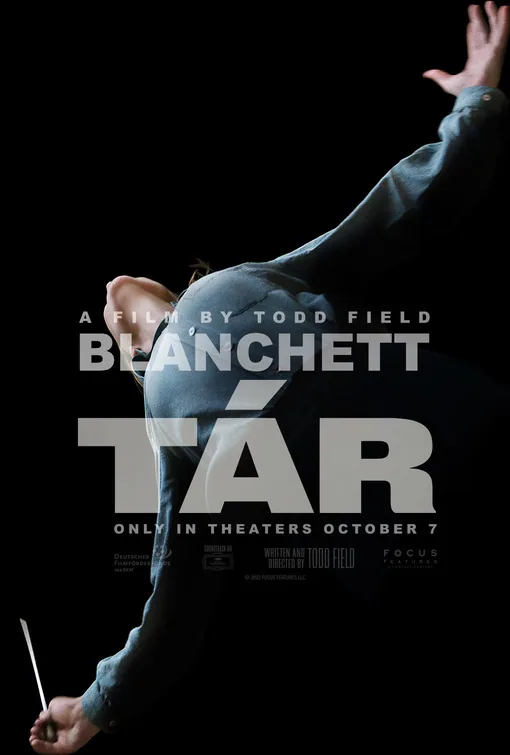
A conductor's authority is tested as her career and private relationships begin to fracture.
Why this matches +
Exceptional creative authority is refracted through disputed collaboration and damage to close relationships.
Genres: Drama / Music
Shared film traits
Based on recorded story, mood and style. Your preferences can change the order.
What changes Steve Jobs: three-act structure and backstage confrontation. Tár: deliberate and accumulative.
Lydia Tár, a celebrated conductor preparing a major recording with a Berlin orchestra, exercises broad influence over musicians and institutions. Her carefully managed career begins to destabilize as allegations, professional decisions, and strained relationships accumulate around her. Todd Field's drama follows Lydia through rehearsals, interviews, teaching, and public scrutiny, examining artistic authority and accountability without reducing the story to a simple rise-and-fall verdict.
A student's hunger for recognition creates a feedback loop with a teacher's coercive demands.
Why this matches +
Exceptional creative authority is refracted through disputed collaboration and damage to close relationships.
Genres: Drama
Shared film traits
Based on recorded story, mood and style. Your preferences can change the order.
What changes Steve Jobs: three-act structure and backstage confrontation. Whiplash: intense.
An ambitious jazz student earns a place in an elite ensemble led by a conductor who treats humiliation and psychological pressure as tools for producing greatness. The student's desire to prove exceptional talent makes approval increasingly difficult to separate from abuse. Rehearsal, competition and performance narrow his world as ordinary relationships and physical well-being become costs he is prepared to discount.
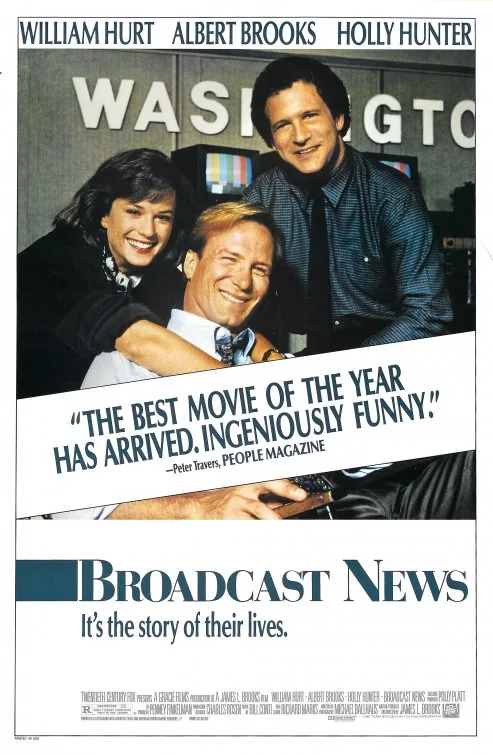
A producer navigates newsroom ambitions and a romantic triangle as television news rewards both reporting and performance.
Why this matches +
A public professional identity demands a performance that private relationships and personal integrity cannot always sustain.
An adjacent discovery: a related idea with a different viewing experience.
Genres: Comedy / Drama
Shared film traits
Based on recorded story, mood and style. Your preferences can change the order.
What changes Steve Jobs: three-act structure and backstage confrontation. Broadcast News: conversational and character-led.
At a Washington television newsroom, producer Jane Craig's commitment to serious reporting shapes her work and her complicated relationships with two colleagues. Reporter Aaron Altman is brilliant but insecure, while anchor Tom Grunick's charm and camera presence help him rise despite gaps in his journalism experience. Their professional and romantic tensions ask how truth, competence, and personality are measured within a medium built to capture attention.
Former technology insiders describe how platforms capture attention and predict behavior; a fictional family illustrates possible effects on users.
Why this matches +
A public professional identity demands a performance that private relationships and personal integrity cannot always sustain.
An adjacent discovery: a related idea with a different viewing experience.
Genres: Documentary / Drama
The approach A documentary treatment rather than a dramatic feature.
Shared film traits
Based on recorded story, mood and style. Your preferences can change the order.
What changes Steve Jobs: three-act structure and backstage confrontation. The Social Dilemma: alternating, expository and argument-driven.
This documentary combines interviews with former technology employees and researchers with a fictional story about a family shaped by social media. Interviewees discuss persuasive design, behavioral data, recommendation systems, advertising, misinformation, and platform incentives. The dramatized family illustrates how a teenager’s engagement can affect attention, mood, and political beliefs. Jeff Orlowski’s film makes a case about technology’s social costs, using testimony and scripted scenes to present its argument.
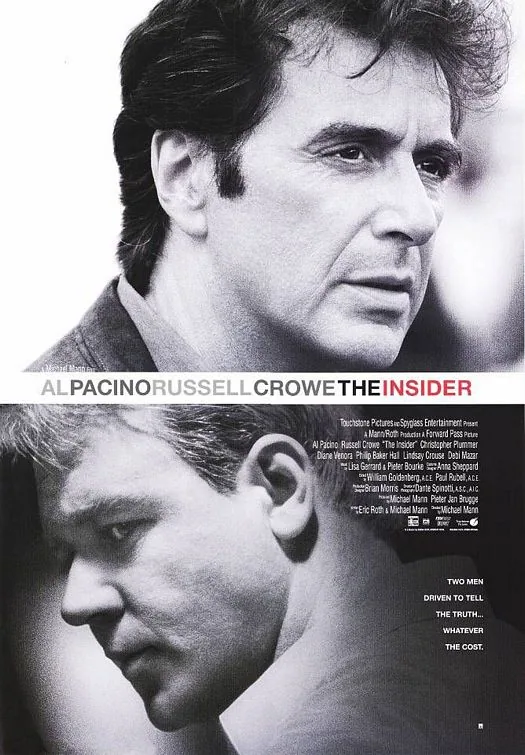
The threat of publication links two risks: Wigand may lose his safety and livelihood, while CBS may suppress the interview to protect itself.
Why this matches +
A public professional identity demands a performance that private relationships and personal integrity cannot always sustain.
An adjacent discovery: a related idea with a different viewing experience.
Genres: Drama / Thriller
Shared film traits
Based on recorded story, mood and style. Your preferences can change the order.
What changes Steve Jobs: three-act structure and backstage confrontation. The Insider: reporting and verification and publicity escalation.
CBS producer Lowell Bergman persuades former tobacco executive Jeffrey Wigand to explain what he knows about Brown & Williamson’s practices for a 60 Minutes investigation. Wigand’s confidentiality agreement, threats and family pressures make cooperation dangerous, while CBS executives worry about legal and financial exposure. As the broadcast is delayed and edited, Bergman must decide whether protecting the story means confronting the network that employs him. The film turns investigative reporting into a battle over sources, corporate pressure and newsroom independence, dramatizing real events without serving as a transcript of every participant’s perspective.
The short bet requires the investors to pay for a collapse everyone else dismisses, so rising premiums and public denial become sustained sources of tension.
Why this matches +
A public professional identity demands a performance that private relationships and personal integrity cannot always sustain.
An adjacent discovery: a related idea with a different viewing experience.
Genres: Crime / Drama
Shared film traits
Based on recorded story, mood and style. Your preferences can change the order.
What changes Steve Jobs: three-act structure and backstage confrontation. The Big Short: intercut ensemble and informational asides.
In the mid-2000s, hedge-fund manager Michael Burry concludes that risky mortgage loans are hidden inside bonds treated as safe investments. Jared Vennett tries to sell credit-default swaps to investors, including Mark Baum and his skeptical team, who travel to Florida and inspect the housing boom firsthand. Younger traders Charlie Geller and Jamie Shipley reach the same bet from another direction. As the market keeps rising, each investor must withstand pressure from clients and colleagues who believe the collapse cannot happen. The financial crisis eventually vindicates their analysis but leaves them uneasy about profiting from disaster.
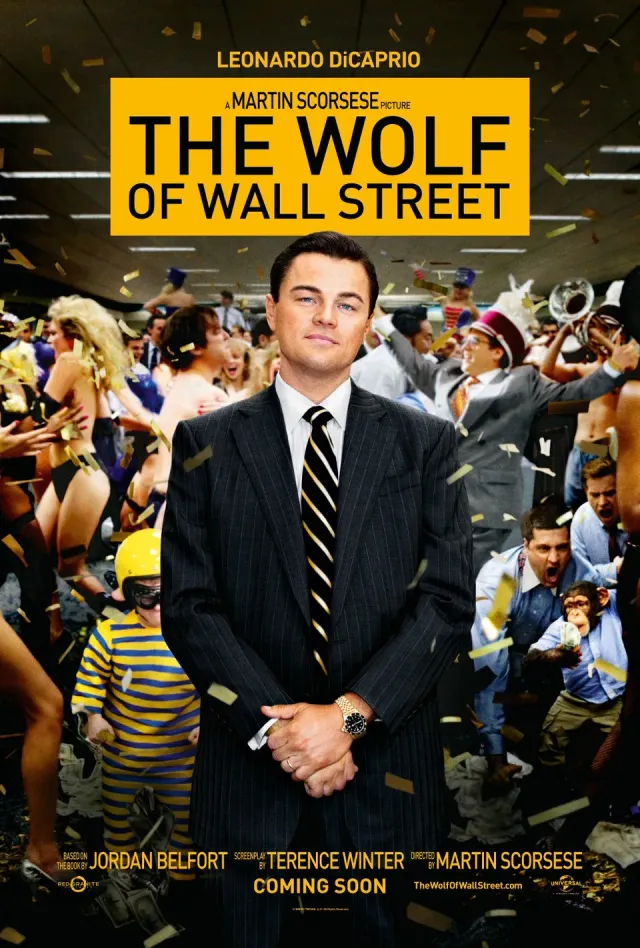
A fraudulent business grows by turning salesmanship into a shared culture that rewards ever larger denials of limits.
Why this matches +
A public professional identity demands a performance that private relationships and personal integrity cannot always sustain.
An adjacent discovery: a related idea with a different viewing experience.
Genres: Crime / Drama
Shared film traits
Based on recorded story, mood and style. Your preferences can change the order.
What changes Much more explicit sex, drug use and excess; the connection is public achievement and damaged collaborators.
An ambitious stockbroker builds a sales organisation by discovering how readily aspiration can be converted into profitable deception. Wealth brings a culture of excess in which employees, friends and family become participants in a performance of limitless success. Legal scrutiny exposes the instability of the enterprise without making the narrator's appetite for admiration disappear, leaving the audience inside a persuasive account whose energy exceeds its remorse.
A writer's inability to adapt a book becomes the film's plot; his effort to resist conventional story machinery eventually gives way to conspicuously conventional devices. The turn is both narrative event and self-critique.
Why this matches +
A public professional identity demands a performance that private relationships and personal integrity cannot always sustain.
An adjacent discovery: a related idea with a different viewing experience.
Genres: Comedy / Drama
Shared film traits
Based on recorded story, mood and style. Your preferences can change the order.
What changes Steve Jobs: three-act structure and backstage confrontation. Adaptation: variable.
Screenwriter Charlie Kaufman struggles to adapt Susan Orlean's nonfiction book about orchid poacher John Laroche while feeling unable to write the kind of movie he thinks Hollywood expects. His confident twin brother Donald embraces conventional screenwriting lessons, and Charlie's fascination with Orlean makes research increasingly entangled with fantasy. The film eventually turns its own resistance to formula into a story that uses formula, crime and melodrama. By folding the writer, his brother and Orlean into a fiction that announces its inventions, it makes adaptation itself the subject and the joke.
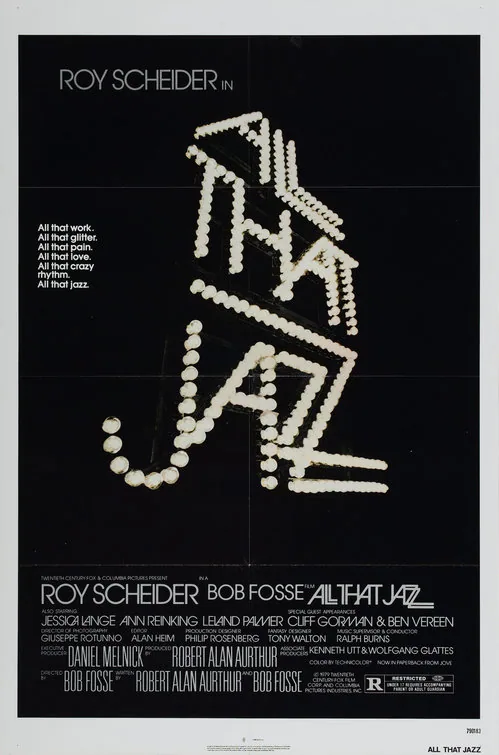
Gideon keeps moving between stage rehearsal, film editing and medical strain, trying to preserve work and appetite by editing out the evidence of collapse. The production process itself becomes the plot's accelerating clock.
Why this matches +
A public professional identity demands a performance that private relationships and personal integrity cannot always sustain.
An adjacent discovery: a related idea with a different viewing experience.
Genres: Drama / Musical
Shared film traits
Based on recorded story, mood and style. Your preferences can change the order.
What changes A formally theatrical musical mortality fantasy rather than dialogue-led technology biography.
Joe Gideon, a Broadway director and choreographer, juggles a new stage production, the editing of his latest film, family obligations and a punishing work routine. His theatrical discipline depends on treating exhaustion as something to be cut around, while the people close to him watch that self-image fail. Fantasies with an imagined figure of death interrupt rehearsals and daily life, making performance a way to control what he cannot admit. Bob Fosse's semi-autobiographical musical turns the labor of making a show into a show about the cost of making one.
Poitras documents the meeting in which Snowden discloses NSA surveillance evidence to journalists and prepares to go public.
Why this matches +
A public professional identity demands a performance that private relationships and personal integrity cannot always sustain.
An adjacent discovery: a related idea with a different viewing experience.
Genres: Documentary / History
The approach A documentary treatment rather than a dramatic feature.
Shared film traits
Based on recorded story, mood and style. Your preferences can change the order.
What changes Steve Jobs: three-act structure and backstage confrontation. Citizenfour: real-time hotel conversations, reporting milestones and news-event escalation.
Documentarian Laura Poitras receives encrypted messages from someone using the name Citizen Four and travels to Hong Kong with journalists Glenn Greenwald and Ewen MacAskill. There they meet Edward Snowden, who reveals classified information about government surveillance programs while protecting his identity inside a hotel room. The film records the disclosures as they unfold, including the reporters' decisions, Snowden's anxiety, and the public consequences that begin to follow. Its immediacy comes from watching an international news story develop in real time.
Guetta’s drive to film street artists becomes a story about what happens when he seeks recognition for his own work.
Why this matches +
A public professional identity demands a performance that private relationships and personal integrity cannot always sustain.
An adjacent discovery: a related idea with a different viewing experience.
Genres: Documentary / Comedy
The approach A documentary treatment rather than a dramatic feature.
Shared film traits
Based on recorded story, mood and style. Your preferences can change the order.
What changes Steve Jobs: three-act structure and backstage confrontation. Exit Through the Gift Shop: chronological first-person build and surprising tonal shifts.
Thierry Guetta, a French shopkeeper in Los Angeles, becomes fascinated with street art and begins filming artists at work, including Shepard Fairey and the elusive Banksy. What begins as a record of graffiti culture changes direction when Guetta tries to become an artist himself and Banksy takes a more active role in shaping the footage. The film presents itself as a documentary while also inviting questions about authorship, performance, and authenticity. Its story follows both a subculture and the strange process by which images become art-world commodities.
The animated bricks literalize Pharrell’s view of ideas as reusable building blocks.
Why this matches +
A public professional identity demands a performance that private relationships and personal integrity cannot always sustain.
An adjacent discovery: a related idea with a different viewing experience.
Genres: Animation / Documentary
The approach A documentary treatment rather than a dramatic feature.
Shared film traits
Based on recorded story, mood and style. Your preferences can change the order.
What changes Steve Jobs: three-act structure and backstage confrontation. Piece by Piece: a career-spanning recollection moves through linked musical milestones.
Pharrell Williams recounts his life and creative development through animated Lego imagery, from childhood in Virginia Beach to musical collaborations and global success. Interview material and performance history are translated into a playful visual language that makes music feel like construction: sounds, influences, and partnerships become pieces assembled into new forms. The documentary’s unusual format connects personal memory with an accessible account of artistic process.
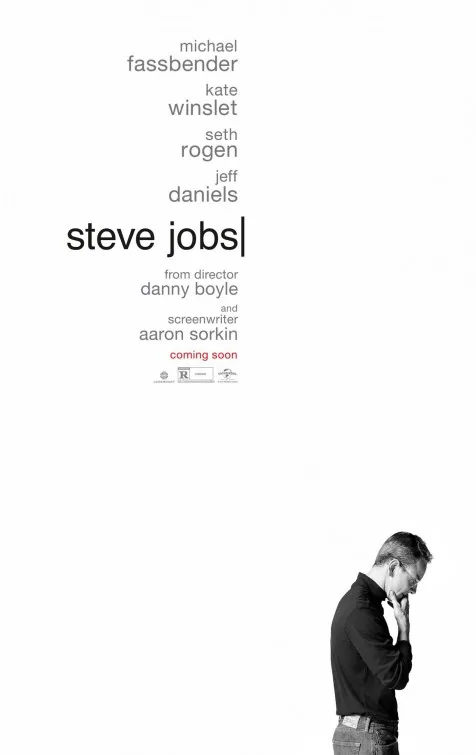
The film follows Steve Jobs through three product launches: the Macintosh in 1984, NeXT in 1988 and the iMac in 1998. In the minutes before each presentation, Jobs argues with colleagues about technical failures, credit, branding and what the product should represent. His disputes with marketing chief Joanna Hoffman and engineer Andy Hertzfeld run alongside a painful, shifting relationship with his daughter Lisa, whose paternity he initially denies. The backstage structure turns career milestones into repeated confrontations over control, recognition and personal responsibility.
What drives the story
Each launch becomes a pressure chamber where Jobs's public ambition collides with unresolved technical and family conflicts.
The people at its centre
Hoffman challenges Jobs as both collaborator and conscience, while his evolving relationship with Lisa exposes the personal cost of keeping control at all times.
What it feels like
Real-time backstage dialogue, recurring rehearsals and distinct visual eras create a theatrical portrait rather than a comprehensive cradle-to-grave biography.
Worth knowing
Choose it for stylized, dialogue-led character drama about creative power; it compresses and dramatizes events instead of offering a neutral full biography.