Based on recorded story, mood and style. Your preferences can change the order.
Memory and identity
What changes Suitable Flesh: mystery-led, escalating, graphic and framed-narrative. Hide and Seek: slow burn and escalating.
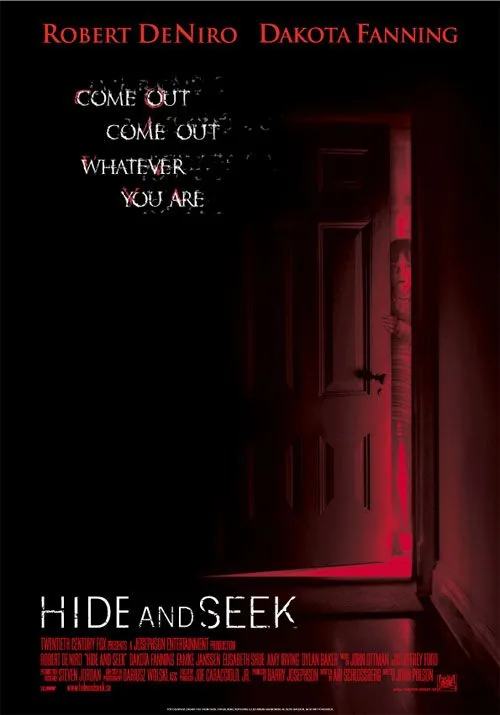
After the death of his wife, a psychologist moves with his young daughter to a quieter home, hoping that a change of setting will help them recover. The girl begins speaking about an imaginary companion, and increasingly troubling events lead her father to question what is real. The psychological thriller builds tension through grief, secrecy and the limits of his professional confidence.
Both share themes of control, plus an unsettling atmosphere.
Why this matches +
Genres: Horror / Thriller
Shared film traits
Based on recorded story, mood and style. Your preferences can change the order.
Power and authority · Survival
Expect claustrophobic and confrontational, with escalating and domestic pacing.
Newly pregnant Belinda and her husband Norman are trying to build a quiet home when his estranged stepmother Solange needs somewhere to stay. Her arrival changes the balance of the household as she presses into private routines, family decisions and Belinda's pregnancy. Belinda's attempts to set boundaries meet hostility and manipulation, making the couple question how far their obligations extend and whether the threat is social, supernatural or both.
Based on recorded story, mood and style. Your preferences can change the order.
Memory and identity
What changes Suitable Flesh: mystery-led, escalating, graphic and framed-narrative. Under the Skin: slow and observational.
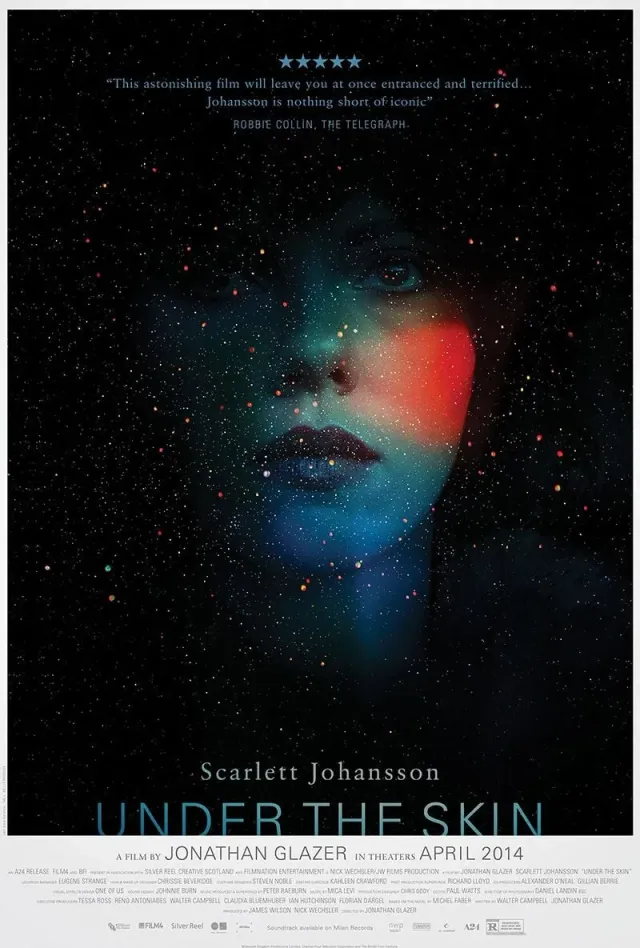
An enigmatic woman drives through Scotland and approaches men who are isolated or receptive to her attention. Her encounters point toward an inhuman purpose, but the woman’s routine begins to change as she experiences vulnerability and human contact. Jonathan Glazer tells the science-fiction story through sparse dialogue, observational images and an unsettling soundscape, making perception and bodily identity more central than explanation. The result is an atmospheric, adult film that leaves many motives deliberately unresolved.
Based on recorded story, mood and style. Your preferences can change the order.
Mental health · Power and authority
What changes Suitable Flesh is tagged sensual and grotesque; Prey for the Devil is tagged ominous and earnest.
Sister Ann wants to train as an exorcist after a professor recognizes her ability to empathize with possessed people. At the Church’s reopened training school, she faces resistance to a nun learning a rite reserved for priests and is drawn into the case of a young girl whose possession echoes Ann’s memories of her mother. The horror drama links a supernatural confrontation with questions of authority, vocation and care for people in crisis.
Based on recorded story, mood and style. Your preferences can change the order.
Memory and identity
What changes Suitable Flesh: mystery-led, escalating, graphic and framed-narrative. Titane: abrupt and escalating.
After surviving a childhood accident, Alexia develops an unsettling physical connection to machines and grows into an adult whose life is shaped by performance and violence. A series of events forces her to assume another person's identity and enter a household where a grieving father is desperate for a missing son. Julia Ducournau's body-horror drama moves between extremes to examine transformation, care and the need to belong.
Based on recorded story, mood and style. Your preferences can change the order.
Memory and identity
What changes Suitable Flesh: mystery-led, escalating, graphic and framed-narrative. Inland Empire: elliptical and long-form and disorienting.
Actress Nikki Grace accepts a role in a film production that is said to be cursed, and the boundaries between her performance, private life, and the story she is acting out begin to dissolve. Scenes move through Hollywood rooms, shadowy corridors, and disjointed encounters without settling into one stable account of events. David Lynch’s experimental psychological film uses digital video, repetition, and dream logic to make identity and narrative feel unstable. Its three-hour form invites sensory immersion and interpretation rather than a single, easily summarized solution.
Based on recorded story, mood and style. Your preferences can change the order.
Memory and identity
What changes Suitable Flesh: mystery-led, escalating, graphic and framed-narrative. Together: a couple’s relocation becomes a gradual body-horror transformation.
Longtime couple Millie and Tim move to the countryside, where a strange encounter with a cave and water source begins to alter their bodies and relationship. The physical changes make their codependence literal, forcing them to confront fears about commitment, autonomy, and separation. The horror comedy turns a relationship crisis into grotesque transformation, using body horror to explore how love can support two people and also swallow their identities.
Based on recorded story, mood and style. Your preferences can change the order.
Survival
What changes Suitable Flesh is tagged sensual and grotesque; Silent Hill is tagged eerie and oppressive.
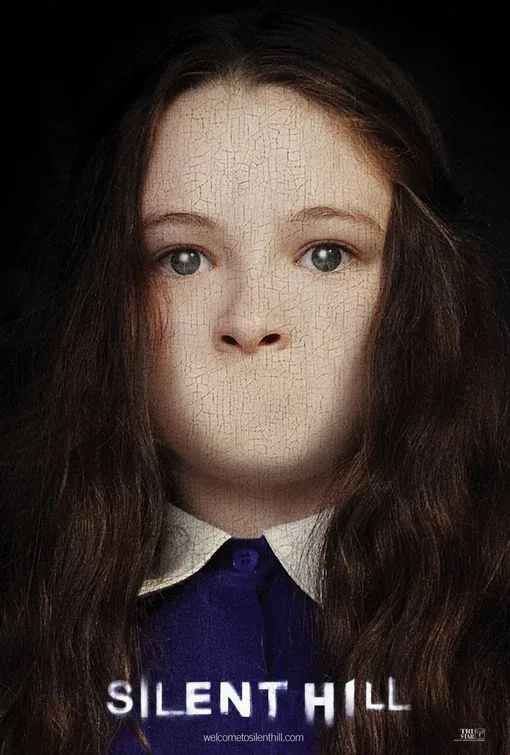
Rose takes her adopted daughter Sharon to the abandoned town of Silent Hill, hoping to understand the child’s recurring nightmares. A crash separates them, and Rose searches the fog-filled streets while police officer Cybil follows. The town shifts into a darker, rusted nightmare populated by creatures, and Rose gradually discovers how its fanatical cult treated a girl named Alessa. Her husband searches the same place in a world that appears ordinary to him, leaving the family divided across different versions of the town.
Based on recorded story, mood and style. Your preferences can change the order.
Survival
What changes Suitable Flesh: mystery-led, escalating, graphic and framed-narrative. Keeper: quiet getaway establishes intimacy, strange events disrupt the retreat and cabin history reframes the danger.
Liz and Malcolm leave for a romantic weekend at a remote cabin, expecting a quiet anniversary retreat. Their isolation takes a disturbing turn when a sinister presence makes the cabin's past impossible to ignore. As Liz experiences increasingly unsettling events, her relationship with Malcolm becomes harder to read and the boundary between ordinary unease and supernatural danger grows uncertain. Osgood Perkins's folk horror uses an intimate getaway and an unfamiliar house to explore the unraveling of trust, the hidden history embedded in a place, and the terror of being alone with someone you may not understand.
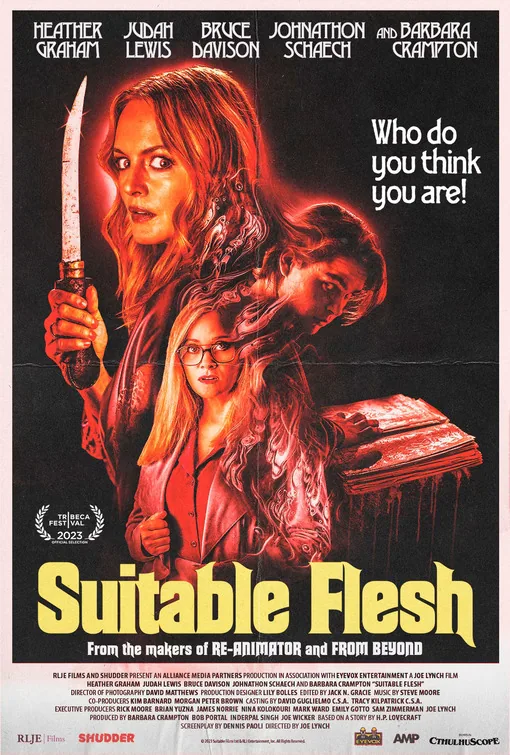
Psychiatrist Elizabeth Derby becomes fascinated by a young patient, Asa Waite, who claims that his father can take control of his body. Her efforts to understand the condition draw her into a grotesque conflict involving identity, desire and a family history that resists ordinary explanation. Joe Lynch adapts H. P. Lovecraft’s story “The Thing on the Doorstep” as an erotic body-horror mystery framed through a friend’s account of what happened.
What drives the story
Elizabeth investigates Asa’s claim of possession and becomes entangled with the bodily transformation that follows.
The people at its centre
Elizabeth’s clinical confidence gives way as professional curiosity and private desire leave her vulnerable to forces she cannot diagnose.
What it feels like
The adaptation combines a first-person frame with practical transformation effects and a classic Lovecraftian identity crisis.
Worth knowing
A graphic, adult body-horror film for viewers who enjoy pulp Lovecraft adaptations and deliberately heightened genre performance.