Based on recorded story, mood and style. Your preferences can change the order.
What changes Take Shelter: a practical construction project grows from visions whose source remains uncertain.. Leave the World Behind: slow accumulation of disruptions.
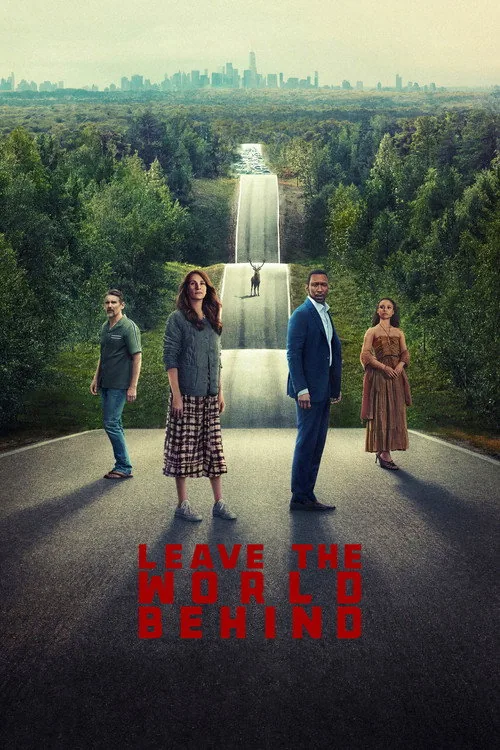
A family’s rental-house holiday is unsettled when television and internet service fail, a tanker runs aground nearby, and the home’s owners arrive seeking shelter. As more signs suggest a coordinated crisis, the strangers must decide what to believe about one another without reliable news or communication. The psychological thriller keeps the source and scale of the emergency uncertain, using a domestic refuge to examine trust, fear, and social fracture.
Based on recorded story, mood and style. Your preferences can change the order.
What changes Take Shelter: a practical construction project grows from visions whose source remains uncertain.. Knowing: escalating.
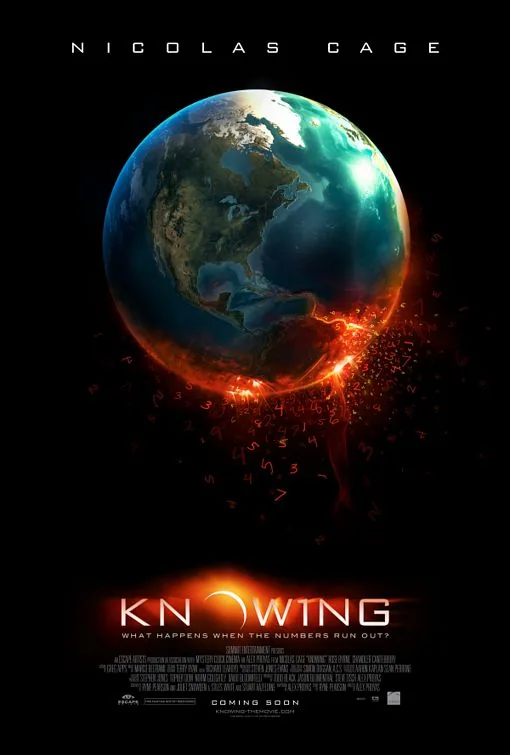
A widowed professor finds that a page of numbers recovered from a school time capsule appears to predict disasters, including events still to come. Attempts to interpret the sequence bring him into contact with another bereaved family and with a son's experiences he cannot explain through calculation alone. Each successful reading offers knowledge without necessarily offering power to prevent what it describes. The speculative thriller turns pattern-finding into a crisis of protection, moving from individual rescue toward the possibility that meaning and survival may exist on different scales.
Based on recorded story, mood and style. Your preferences can change the order.
What changes Take Shelter: a practical construction project grows from visions whose source remains uncertain.. The Mothman Prophecies: slow-building and suspense-led.
A journalist grieving his wife’s death travels to a West Virginia town after discovering an unexplained connection to a series of strange reports. Residents describe visions and warnings, but their accounts resist ordinary verification. The investigation becomes a study of how people search for meaning when personal loss and public danger overlap, keeping supernatural explanations unresolved rather than turning every image into a clue with a simple answer.
Based on recorded story, mood and style. Your preferences can change the order.
What changes Take Shelter: a practical construction project grows from visions whose source remains uncertain.. The Devil All the Time: episodic and building dread.
In postwar Ohio and West Virginia, the lives of several families intersect through violence, faith and cycles of abuse. A young man grows up amid adults whose moral certainty often hides their own cruelty, and later choices draw him toward a wider pattern of corruption. Antonio Campos uses a sprawling cast and bleak rural settings to connect separate episodes into a crime drama about the damage people pass on.
Based on recorded story, mood and style. Your preferences can change the order.
What changes Take Shelter: a practical construction project grows from visions whose source remains uncertain.. Greenland: escalating road survival.
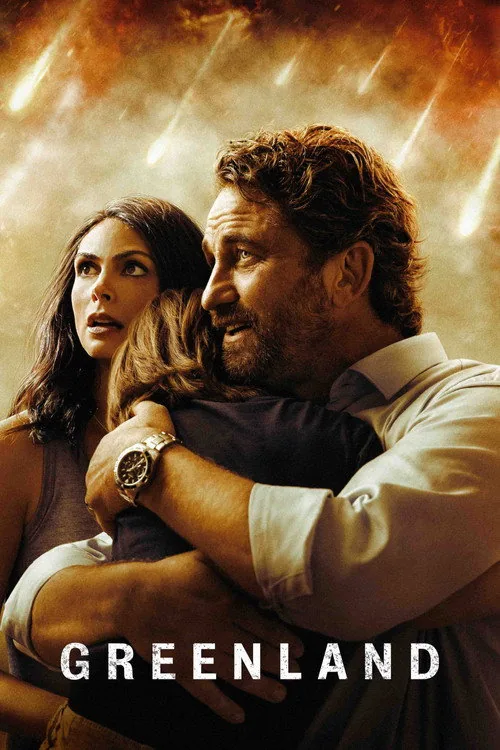
Structural engineer John Garrity and his estranged wife Allison try to move their young son to emergency shelter after fragments from a comet begin destroying cities. An evacuation message selects their family for a flight, but separation and road chaos make reaching the departure point uncertain. The disaster thriller keeps its cosmic threat at a human scale, following a family whose immediate challenge is staying together while public systems and ordinary trust break down.
Based on recorded story, mood and style. Your preferences can change the order.
What changes Take Shelter: a practical construction project grows from visions whose source remains uncertain.. Brick: overnight discovery establishes confinement, neighbors test the wall and compare clues and escape effort deepens the mystery.
Tim and Olivia wake to find that an apparently impenetrable black wall has sealed their Hamburg apartment building from the outside world. Their neighbors are trapped as well, and the residents must cooperate to understand the barrier and find a way out. The crisis places a strained relationship inside a confined community where fear and scarce information shape every decision. This German mystery thriller builds suspense from an unexplained architectural impossibility, combining survival, puzzle-solving, and interpersonal conflict as the building's occupants search for an exit.
Based on recorded story, mood and style. Your preferences can change the order.
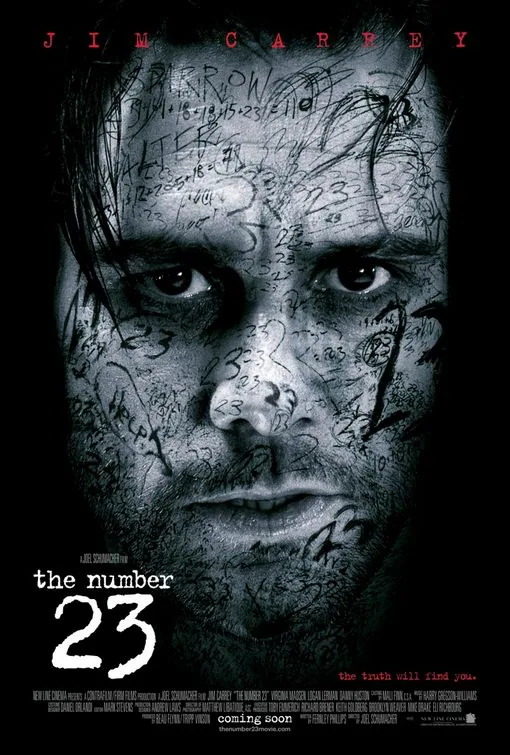
What changes Take Shelter: a practical construction project grows from visions whose source remains uncertain.. The Number 23: escalating and unreliable.
A man receives a novel whose disturbing murder story seems to echo details of his life. As he becomes absorbed by its central number, ordinary coincidences feel like clues and his family watches his behavior change. This psychological thriller follows the narrowing gap between interpretation and obsession, making the search for meaning itself a source of dread.
Based on recorded story, mood and style. Your preferences can change the order.
What changes Take Shelter: a practical construction project grows from visions whose source remains uncertain.. Before I Go to Sleep: clue-led, revelation-driven and tightly contained.
Christine Lucas wakes each morning with little memory of her adult life, relying on her husband Ben and daily video notes from a neuropsychologist. As she records fragments and reviews them in secret, inconsistencies about her past raise questions about who is telling the truth. The gap between nightly forgetting and daytime discovery turns domestic routines into an investigation. Rowan Joffé’s psychological thriller adapts S. J. Watson’s novel as a mystery built around unstable memory, dependence, and competing versions of a marriage.
Based on recorded story, mood and style. Your preferences can change the order.
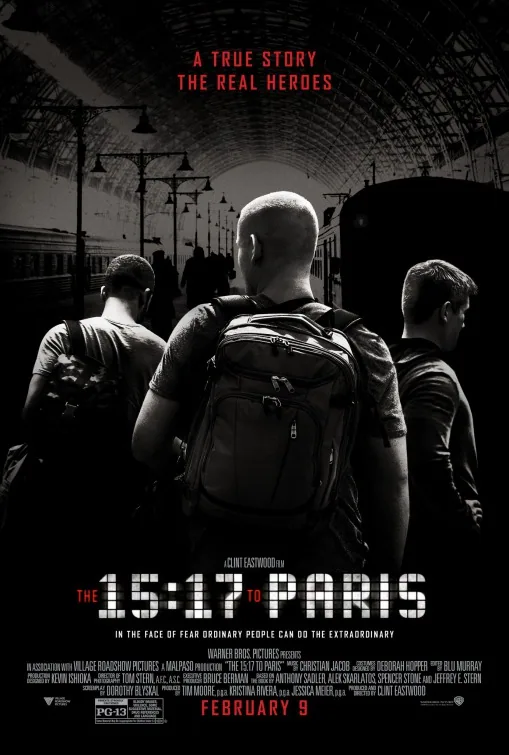
What changes Take Shelter: a practical construction project grows from visions whose source remains uncertain.. The 15:17 to Paris: biographical episodes give way to a concentrated real-time crisis.
Three childhood friends traveling through Europe are aboard a train when a gunman begins an attack. Clint Eastwood’s dramatization follows their earlier lives and military experiences before reconstructing the 2015 incident, with the three real participants playing themselves. Its structure connects ordinary preparation to a sudden public crisis, emphasizing the limits of prediction and the decisive consequences of acting under pressure.
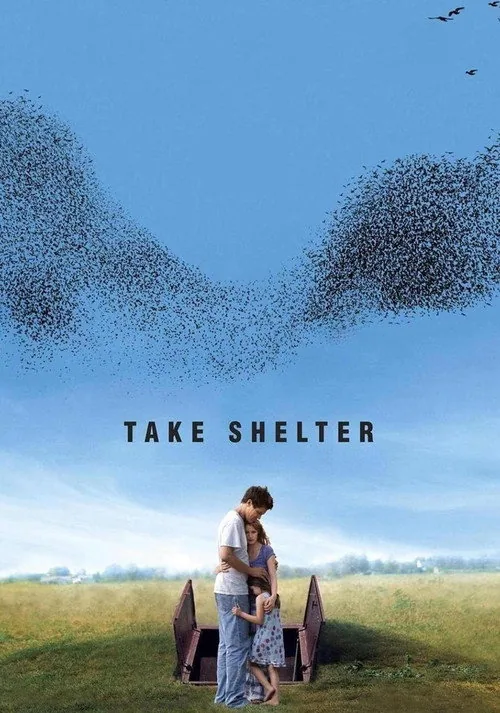
Ohio construction worker Curtis LaForche begins experiencing vivid apocalyptic dreams and waking visions that he cannot explain to his wife or friends. Rather than reveal his fear, he pours money and labor into expanding a storm shelter behind the family home, even as the project threatens his job and relationships. Jeff Nichols’s psychological thriller keeps open whether Curtis is sensing a real catastrophe or confronting an illness that runs in his family, while focusing on the strain of trying to protect people who do not share his certainty.
What drives the story
Curtis tries to prepare his household for a storm he repeatedly sees in dreams and waking visions.
The people at its centre
His wife supports him but must weigh his fear against the needs of their daughter and the family’s stability.
What it feels like
The film builds anxiety through ordinary routines and includes scenes of mental distress and threatening weather.
Worth knowing
Its ambiguity centers on one man’s perception and illness, not a conventional disaster plot with confirmed warnings.
FamilyProtectionMental health
Mood
Restrained · Dread-filled · Intimate
Pacing
A practical construction project grows from visions whose source remains uncertain.