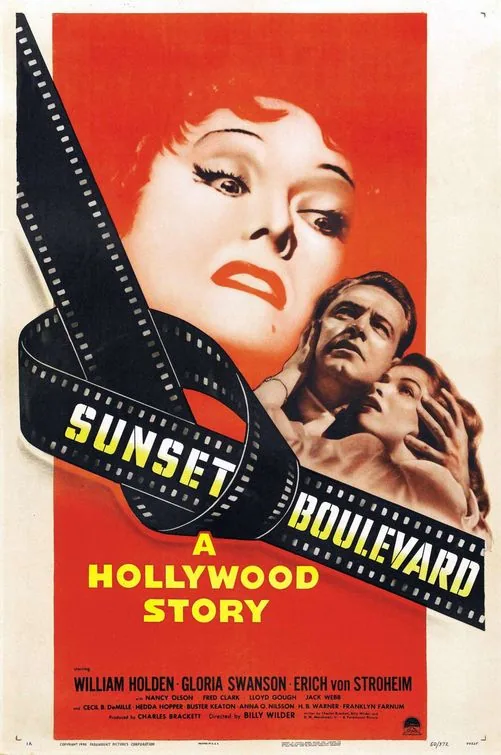
A writer's paid involvement in a star's imagined comeback becomes a dependency from which escape threatens the fantasy sustaining the household.
Why this matches +
Selected for the central appeal: A respectable man’s erotic attachment turns into dependency, professional collapse and public humiliation.
Genres: Drama / Flashback
Shared film traits
Based on recorded story, mood and style. Your preferences can change the order.
Music and performance
What changes An unequal relationship inside show business converts apparent opportunity into dependency and destroyed dignity; a young writer and aging star reverse the professor’s attachment to a rising cabaret performer.
A struggling Hollywood screenwriter takes refuge in the mansion of a former silent-film star who believes her return to prominence is imminent. Agreeing to revise her screenplay gives him financial security at the cost of increasing dependence on her emotional demands and carefully maintained illusions. As another professional relationship offers creative and romantic possibility, the arrangement turns into a contest over control, humiliation and the refusal to accept time's passage.
Romantic and sexual experiments unfold alongside fascism's rise, with the club's stage translating political change into performance but not stopping it. The songs comment on events without making performers politically omniscient.
Why this matches +
Related viewing experiences with the specific differences recorded for each pair.
An adjacent discovery: a related idea with a different viewing experience.
Genres: Musical / Drama
Shared film traits
Based on recorded story, mood and style. Your preferences can change the order.
Music and performance
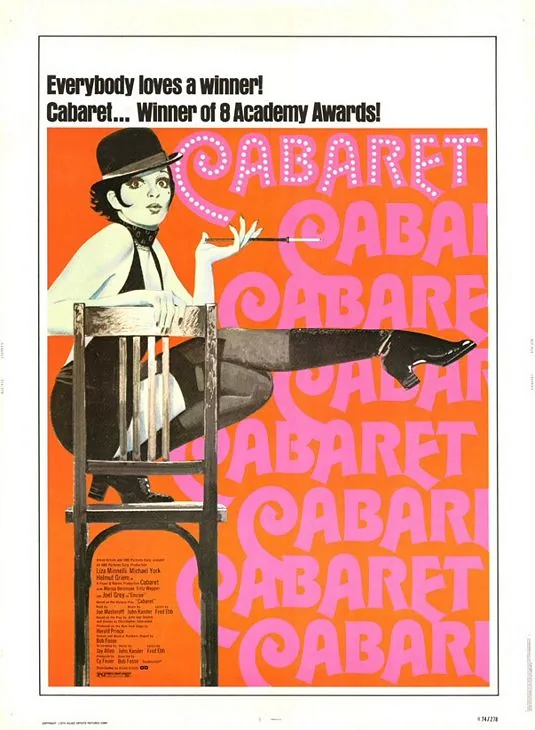
What changes A cabaret world makes desire, social performance and fragile respectability difficult to separate; an ensemble’s Weimar-era relationships and political pressures replace Rath’s singular descent.
In 1931 Berlin, English academic Brian Roberts meets American performer Sally Bowles in the world around the Kit Kat Club. Their relationship, her attachment to a wealthy patron and the club's exuberant performances unfold as political exclusion becomes ordinary outside its stage. The musical numbers comment on the dramatic action without safely standing apart from it: spectacle can expose brutality while also helping a community treat it as someone else's problem. Personal freedom and romantic choice remain unequal as fascism tightens its hold. The Emcee's numbers can turn a casual audience's laughter into part of the film's critique.
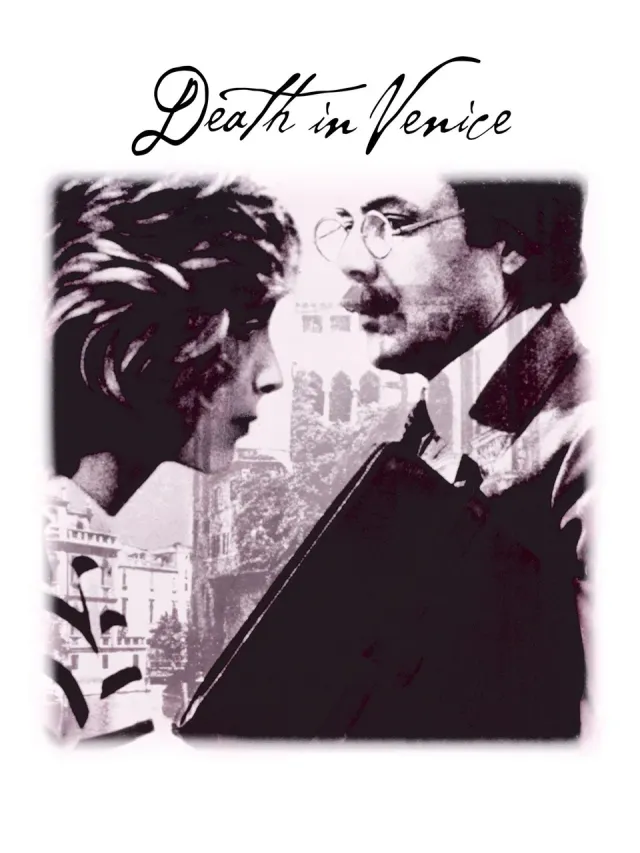
A traveler's fixation makes remaining near an idealized image more important than acknowledging physical decline and a city's concealed danger.
Why this matches +
Related viewing experiences with the specific differences recorded for each pair.
An adjacent discovery: a related idea with a different viewing experience.
Genres: Drama
Shared film traits
Based on recorded story, mood and style. Your preferences can change the order.
What changes An older cultured man’s consuming desire erodes the stable identity he brought to a new environment; contemplative, largely unreciprocated obsession replaces marriage and theatrical humiliation.
An ailing composer travels to Venice and becomes absorbed by an adolescent boy staying at his hotel. Watching from a distance turns beauty into a private argument about art, aging and the possibility of renewed feeling. As signs of an epidemic disturb the city's polished hospitality, his reluctance to leave exposes the gap between aesthetic idealization and concern for other people's safety, while attempts to disguise age make his own body increasingly conspicuous. Visconti recasts Mann’s writer as a composer, placing artistic theory inside a prolonged, largely silent act of looking.
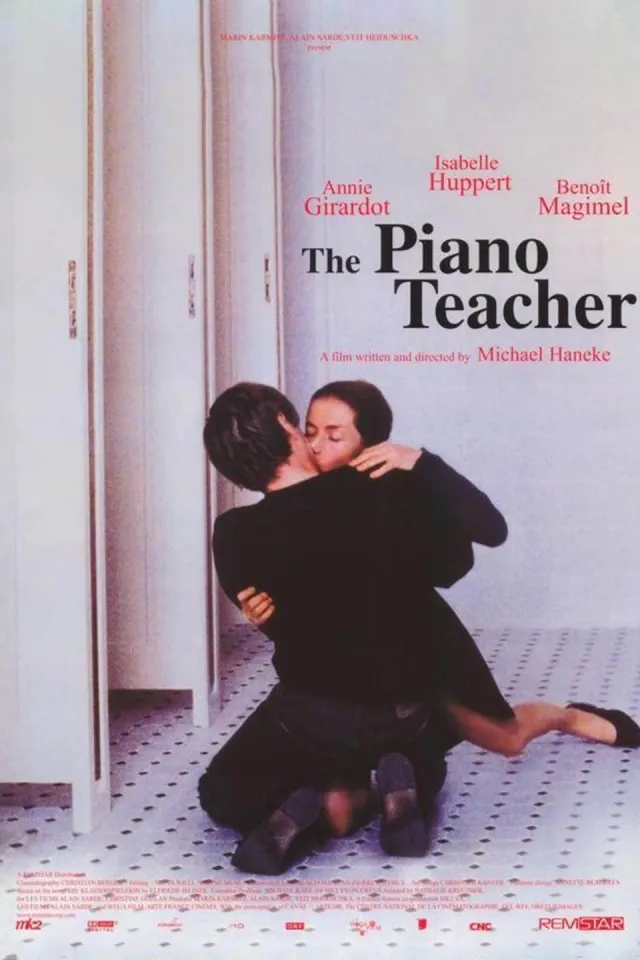
Erika tries to control intimacy by scripting it, but Walter's response exposes how little either understands the other's desire or boundaries.
Why this matches +
Related viewing experiences with the specific differences recorded for each pair.
An adjacent discovery: a related idea with a different viewing experience.
Genres: Drama / Thriller
Shared film traits
Based on recorded story, mood and style. Your preferences can change the order.
What changes A controlled educator’s private desires expose a gulf between institutional authority and emotional dependency; a modern female professor’s explicit sexual control differs sharply from the source’s public male downfall.
Erika Kohut is a demanding piano professor in Vienna whose controlled public manner coexists with private compulsions, self-harm and a suffocating life with her mother. Student Walter Klemmer admires her playing and pursues her, but Erika tries to define the relationship through a written list of rules for sexual submission. Walter cannot accept the terms as Erika imagines them, and desire becomes a struggle over who controls the encounter. The film's conservatory world is also marked by performance pressure, jealousy and humiliation, as Erika harms another student's hand to prevent a rival from playing. Michael Haneke adapts Elfriede Jelinek's novel as a severe study of repression and power; its sexual violence is explicit and the ending refuses therapeutic closure.
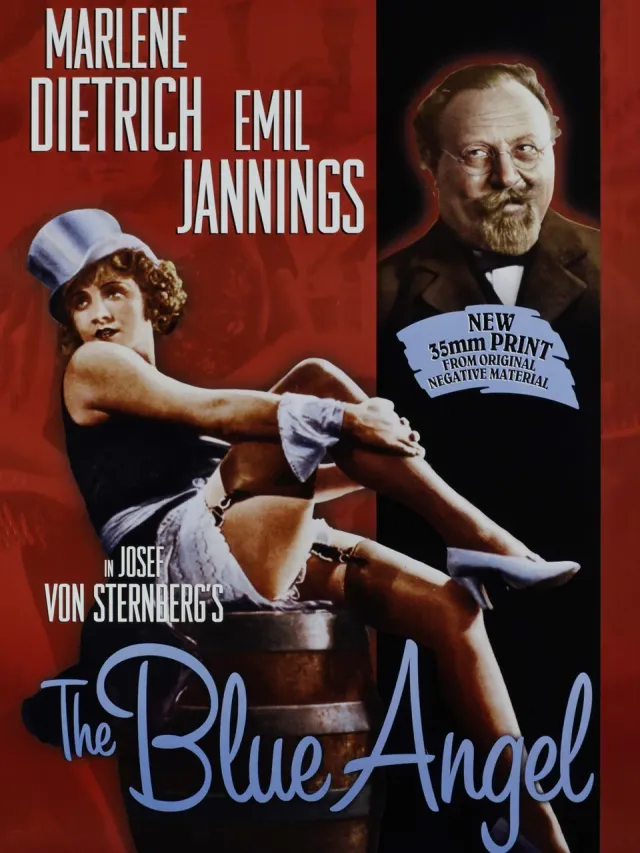
Immanuel Rath, a strict schoolteacher, goes to the Blue Angel cabaret to catch his pupils looking at photographs of its headliner, Lola Lola. Instead he becomes infatuated with her, marries her and abandons his secure teaching post after his colleagues condemn the match. Their early happiness gives way to financial dependence as Rath sells postcards and performs as a clown in Lola's troupe. When her career continues and his status collapses, jealousy and humiliation overtake the life he chose, carrying him back toward the school that once represented his authority.
What drives the story
Rath's attempt to police his students' interest in Lola brings him into her world; the romance then reverses his public position from respected teacher to dependent performer.
The people at its centre
Lola's confidence and professional life contrast with Rath's need for authority and approval; their attachment does not erase the unequal costs each pays for the marriage.
What it feels like
Cabaret songs and performance spaces frame a downward social journey, while Emil Jannings' physical transformation makes Rath's growing humiliation visible.
Worth knowing
A fit for tragic show-business and status drama with early sound-era musical scenes; it is more interested in vanity and social fall than in a romantic partnership's mutual escape.
DesireHumiliationSocial status
Mood
Seductive · Bitter · Tragic
Pacing
Inexorable character decline · Performance-led scenes
Visual style
Cabaret performance · Expressionist lighting · Early sound cinema
Storytelling
Cabaret performer · Teacher’s downfall · Public ridicule