Explore films connected to The Devil's Candy through family protection, artistic obsession, evil. Choose the qualities you want to carry into your next watch.
What should feel similar?
Find your next favourite
9 films · Closest overall matches
Hide films you’ve seen or don’t want. Saved on this device.
No matches for this combination yet.
Try another option or reset your choices to see more films.
Based on recorded story, mood and style. Your preferences can change the order.
Work and ambition · Survival
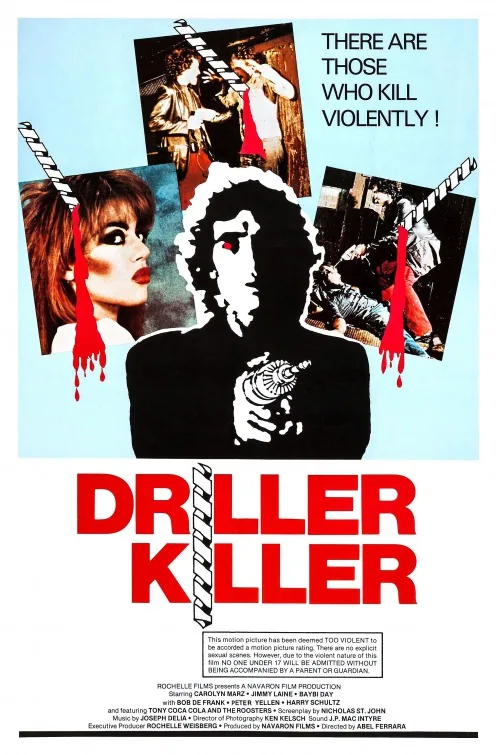
What changes The Devil's Candy: slow-burn opening, escalating threat and violent climax. The Driller Killer: claustrophobic, gradually escalating, fragmented and explosive.
Reno Miller is a painter in a deteriorating New York apartment who cannot keep up with rent and bills while trying to finish a work he believes will define him. He shares the space with his girlfriend Carol and her partner Pamela, and their crowded domestic life adds strain to an already precarious routine. Reno seeks help from an art dealer, but the gallery’s indifference and the neighborhood’s visible hardship deepen his isolation. As exhaustion, money pressure, and disturbing encounters accumulate, his grip on ordinary judgment weakens and he turns a power drill into an instrument of violence.
Based on recorded story, mood and style. Your preferences can change the order.
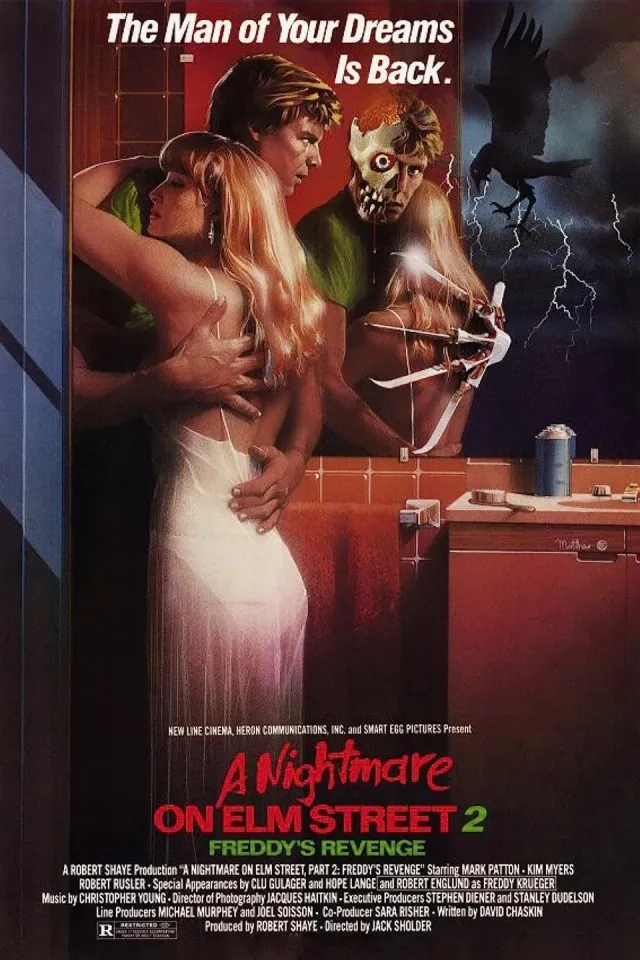
What changes The Devil's Candy: slow-burn opening, escalating threat and violent climax. A Nightmare on Elm Street 2: Freddy's Revenge: escalating.
Jesse and his family move into the house where Nancy Thompson faced Freddy Krueger, and Jesse's nightmares begin turning into waking acts he cannot remember or control. Rather than simply hunting sleepers, Freddy appears to use Jesse's body as the means of escape, making the teenager fear both the killer and his own capacity to harm. Lisa's affection offers a fragile counterweight, but Jesse's secrecy and fear strain the trust that might help him. The sequel turns supernatural attack into a crisis of bodily agency and self-recognition.
Based on recorded story, mood and style. Your preferences can change the order.
Family and care · Survival
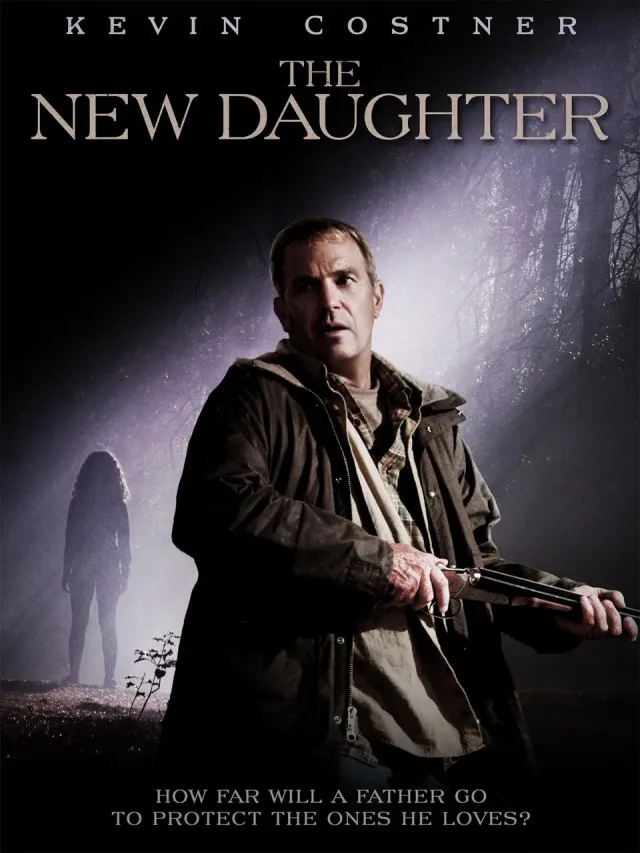
What changes The Devil's Candy: slow-burn opening, escalating threat and violent climax. The New Daughter: slow-building, escalating and mystery-driven.
Recently divorced novelist John James moves with his teenage daughter Louisa and young son Sam into an isolated South Carolina home with a troubling history. The children discover a large mound in the nearby fields, and Louisa becomes increasingly drawn to it as strange signs appear around the house. John investigates the mound and the disappearance of a former resident’s daughter, but his search makes the family’s danger harder to dismiss. The horror story follows a father trying to protect his children while confronting a force that may be changing Louisa.
Based on recorded story, mood and style. Your preferences can change the order.
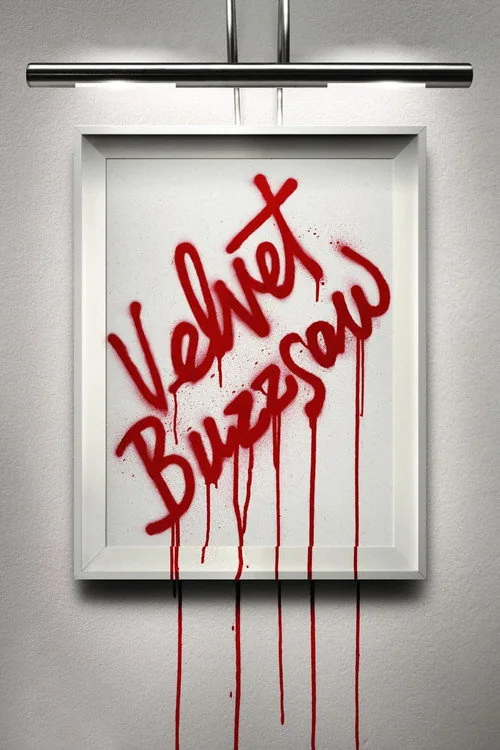
What changes The Devil's Candy: slow-burn opening, escalating threat and violent climax. Velvet Buzzsaw: episodic character turns and supernatural escalation.
In Los Angeles’s contemporary art world, a feared critic, a gallery owner, and collectors discover paintings left behind by a mysterious neighbor. The work becomes a sensation, but those who try to profit from it soon face a supernatural force connected to the art. Dan Gilroy’s satirical horror film targets a scene where money, taste, and reputation shape what is valued, turning the market’s hunger for novelty into a source of literal danger. Its ensemble structure follows several insiders whose ambition draws them closer to the paintings.
Based on recorded story, mood and style. Your preferences can change the order.
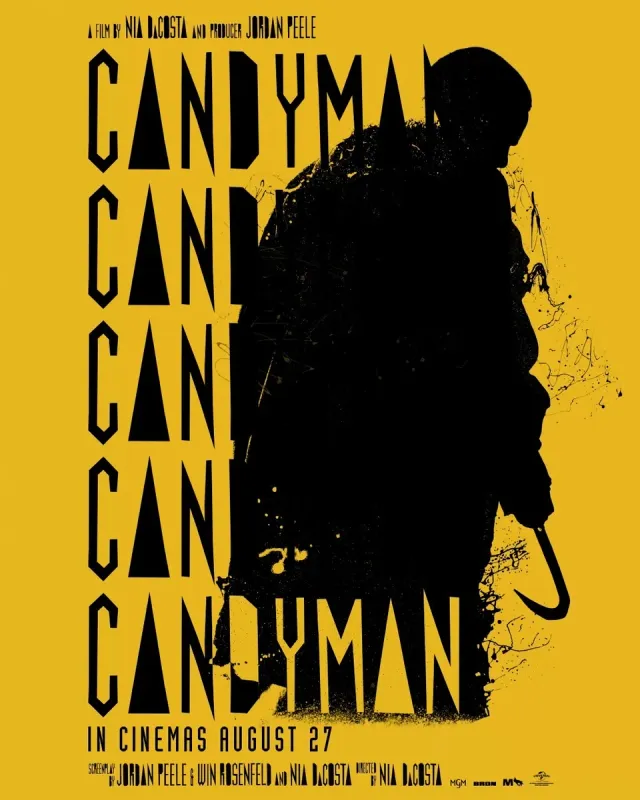
What changes The Devil's Candy: slow-burn opening, escalating threat and violent climax. Candyman: slow-burn and escalating.
Artist Anthony McCoy becomes fascinated by the history of Cabrini-Green and the story of a figure said to appear when his name is spoken. His research begins as material for an art project, but the legend starts to intrude on his work and personal life. The film links supernatural horror to the memory of violence and the way a community’s history is told, while continuing the Candyman story through a new generation.
Based on recorded story, mood and style. Your preferences can change the order.
Family and care · Work and ambition
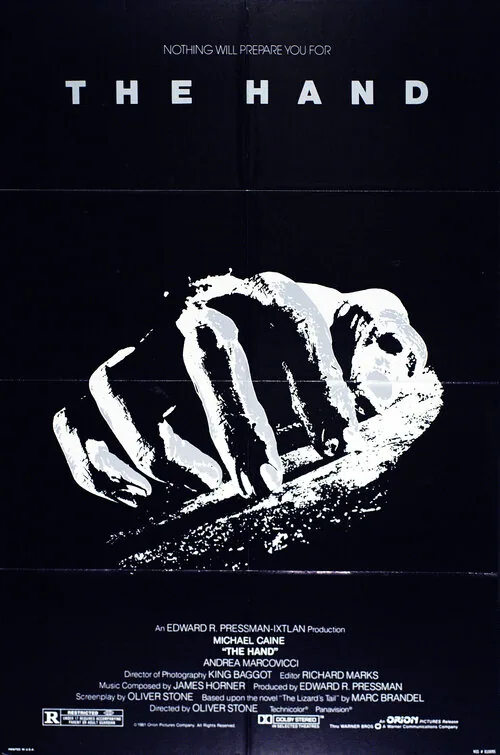
What changes The Devil's Candy: slow-burn opening, escalating threat and violent climax. The Hand: character-led opening, gradual dread, investigative and confrontational.
Comic-book artist Jon Lansdale loses his drawing hand in a traffic accident and struggles to adapt to work and family life afterward. His wife Anne and daughter Lizzie are already distant from him, and the injury makes that separation harder to ignore. As Jon searches for the missing hand and tries to rebuild his career, unexplained violence begins to follow people around him. His friend and agent Karen offers professional help, but Jon’s fear and anger make it difficult to know whether the danger comes from an external force or from a mind under strain.
Based on recorded story, mood and style. Your preferences can change the order.
What changes The Devil's Candy: slow-burn opening, escalating threat and violent climax. The Neon Demon: slow-burn and escalating.
Sixteen-year-old Jesse arrives in Los Angeles hoping to become a model and quickly attracts attention in a world where youth and appearance are treated as marketable assets. Her growing success sharpens the envy of older models and brings her into contact with people who see beauty as something to possess. Nicolas Winding Refn turns the fashion industry into a stylized horror fable about aspiration, image and the violence hidden beneath admiration.
Based on recorded story, mood and style. Your preferences can change the order.
What changes The Devil's Candy: slow-burn opening, escalating threat and violent climax. Dead Silence: slow-building and shock-driven.
Jamie returns to his hometown after his wife’s death and begins investigating a local legend about a ventriloquist and the dolls associated with her. The inquiry connects family history, uncanny performances and a threat that seems to follow him home. The horror film builds dread through the contrast between silent figures and sudden violence, while Jamie’s search for answers makes the town’s folklore part of the present danger.
Based on recorded story, mood and style. Your preferences can change the order.
Family and care · Survival
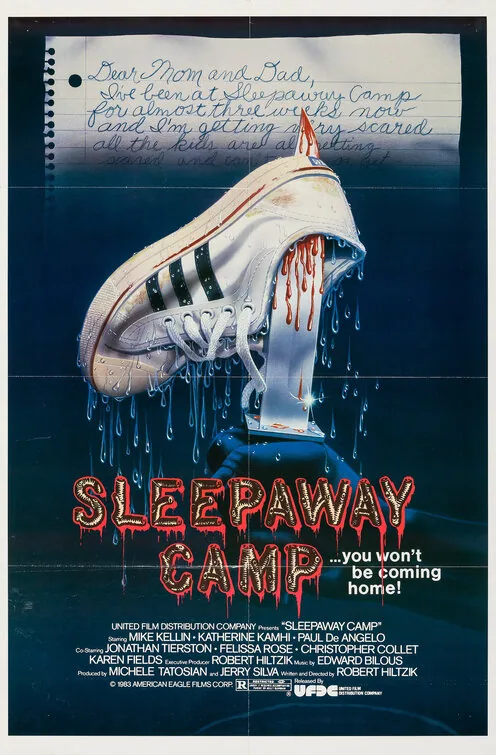
What changes The Devil's Candy: slow-burn opening, escalating threat and violent climax. Sleepaway Camp: gradual escalation, alternating camp routines and attacks, mystery-led and abrupt final revelation.
After a boating accident leaves Angela without her father and one sibling, she grows up in the care of her eccentric aunt and cousin Ricky. As a teenager, she is sent with Ricky to Camp Arawak, where her quiet manner attracts bullying from campers and staff. Ricky tries to shield her, while a gentle connection with camper Paul offers a brief alternative to the camp’s cruelty. People who humiliate or threaten others begin dying in incidents first dismissed as accidents. The camp’s owner and counselors struggle to make sense of the pattern as a summer of pranks turns into a fight to survive.
Painter Jesse Hellman moves his wife Astrid and daughter Zooey into an inexpensive farmhouse in rural Texas. Jesse’s work takes an increasingly disturbing turn as a sinister presence enters his music and painting, while the property’s former occupant, Ray Smilie, remains connected to the house. As Ray returns and the family’s safety is threatened, Jesse struggles to protect Zooey without losing himself to the force that has taken hold of his art.
What drives the story
A force tied to the farmhouse begins to shape Jesse’s art as the former resident returns and places his family in immediate danger.
The people at its centre
Jesse’s love for Astrid and Zooey motivates his resistance, while his absorption in the paintings makes it harder for them to reach him.
What it feels like
The film fuses a family-under-threat story with heavy-metal culture and expressive imagery, moving from quiet domestic moments to brutal horror.
Worth knowing
Its threat connects a supernatural influence, a painter’s creative fixation and the house’s former occupant, rather than treating the home as an impersonal haunted setting.