Explore films connected to The Hand through Disability and identity, Marriage and distance, Artistic labor. Choose the qualities you want to carry into your next watch.
What should feel similar?
Find your next favourite
9 films · Closest overall matches
Hide films you’ve seen or don’t want. Saved on this device.
No matches for this combination yet.
Try another option or reset your choices to see more films.
Both share themes of control, plus an uneasy atmosphere.
Why this matches +
Genres: Horror / Thriller
Shared film traits
Based on recorded story, mood and style. Your preferences can change the order.
What changes The Hand: character-led opening, gradual dread, investigative and confrontational. Peeping Tom: measured and psychological tension.
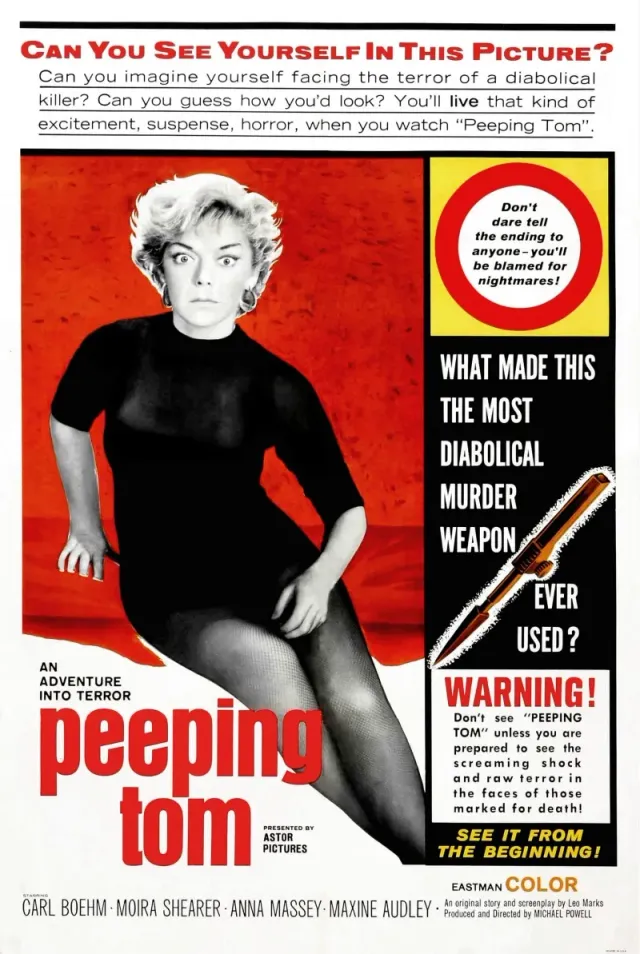
Mark Lewis works in film production and photographs women, but he secretly uses a camera to record the terror of people he murders. His quiet relationship with Helen, a young woman living in his building, offers a glimpse of intimacy that conflicts with his compulsion. The film follows the danger created when image-making, childhood trauma and a desire for control become inseparable.
Shared characteristics
Mood: Uneasy
Theme: Control
Genre: Horror
Genre: Drama
Poster: Film rights holders; original promotional poster documented by Wikipedia · Image source
Both share an uneasy and claustrophobic atmosphere.
Why this matches +
Genres: Horror / Thriller
Shared film traits
Based on recorded story, mood and style. Your preferences can change the order.
What changes The Hand: character-led opening, gradual dread, investigative and confrontational. The Boogeyman: domestic unease escalates into direct supernatural danger.
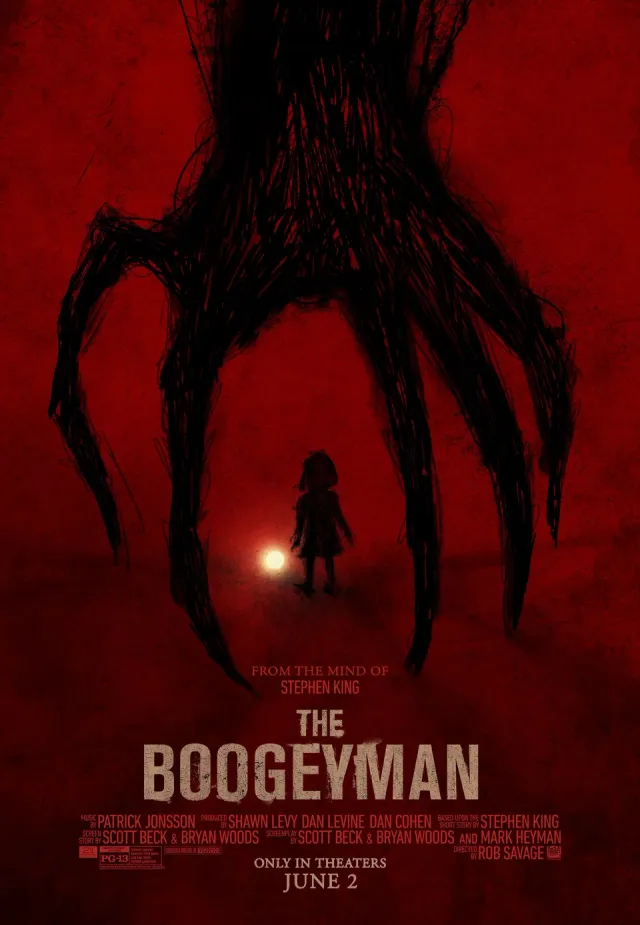
After their mother’s death, therapist Will Harper and his daughters Sadie and Sawyer struggle to adjust to life at home. A distressed client’s visit leaves behind an unseen presence that seems to feed on the family’s grief and fear, with the youngest child becoming especially vulnerable. The supernatural horror turns a familiar childhood monster into an expression of loss, while the sisters’ relationship becomes a practical source of courage.
Based on recorded story, mood and style. Your preferences can change the order.
Family and care
What changes The Hand: character-led opening, gradual dread, investigative and confrontational. Sleepaway Camp: gradual escalation, alternating camp routines and attacks, mystery-led and abrupt final revelation.
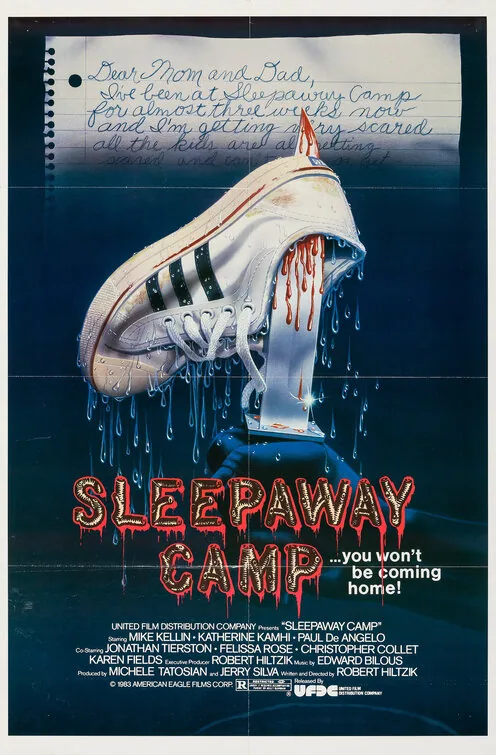
After a boating accident leaves Angela without her father and one sibling, she grows up in the care of her eccentric aunt and cousin Ricky. As a teenager, she is sent with Ricky to Camp Arawak, where her quiet manner attracts bullying from campers and staff. Ricky tries to shield her, while a gentle connection with camper Paul offers a brief alternative to the camp’s cruelty. People who humiliate or threaten others begin dying in incidents first dismissed as accidents. The camp’s owner and counselors struggle to make sense of the pattern as a summer of pranks turns into a fight to survive.
Based on recorded story, mood and style. Your preferences can change the order.
Memory and identity
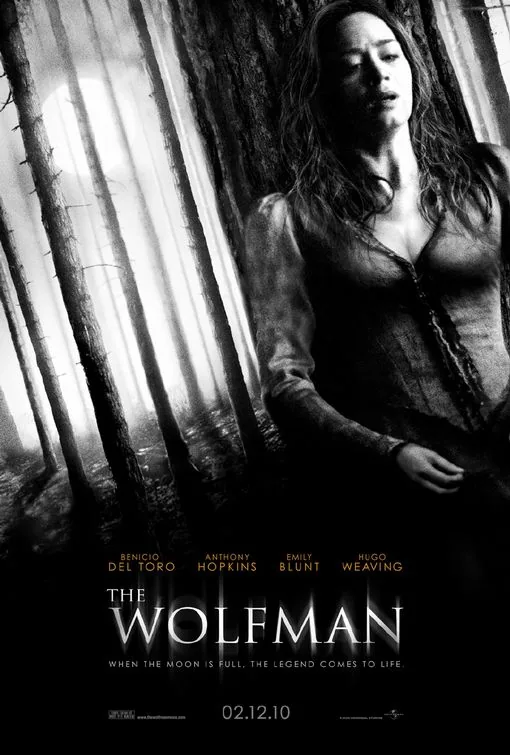
What changes The Hand: character-led opening, gradual dread, investigative and confrontational. The Wolfman: brooding and violent eruptions.
An actor returns to his family's English estate after his brother is killed and becomes involved in the search for the attacker. A wound inflicted during another assault links the investigation to frightening changes in his own body. Old family memories and official suspicion compound the threat, turning the attempted explanation of a local monster into a gothic struggle with inheritance, violence and loss of control.
Based on recorded story, mood and style. Your preferences can change the order.
Mental health · Family and care
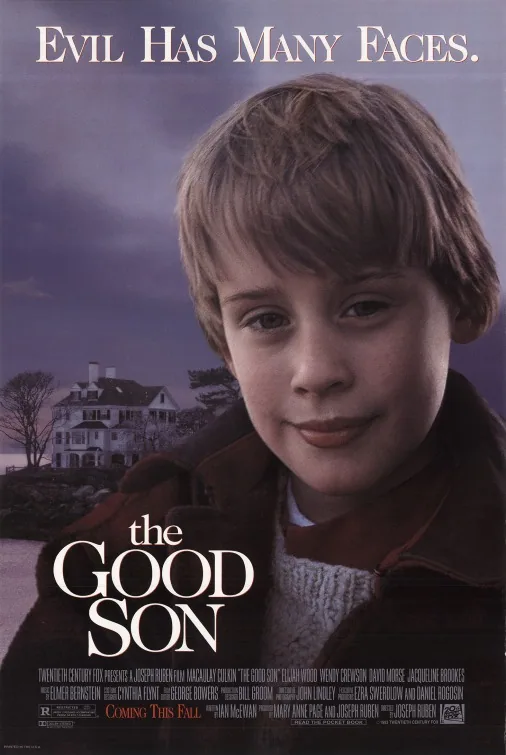
What changes The Hand: character-led opening, gradual dread, investigative and confrontational. The Good Son: domestic unease grows through incidents until a final confrontation tests the adults’ judgment.
After his mother’s death, ten-year-old Mark Evans is sent to stay with relatives in Maine while his father travels for work. Mark initially bonds with his cousin Henry, but becomes alarmed by the boy’s fascination with violence and a series of dangerous incidents. Henry threatens him when Mark tries to warn the adults, who are grieving another child and struggle to accept what is happening. When Henry’s actions endanger his younger sister Connie, Mark must decide whom to trust and act quickly to protect her. The thriller turns a family visit into a test of belief and courage.
Based on recorded story, mood and style. Your preferences can change the order.
Memory and identity
What changes The Hand: character-led opening, gradual dread, investigative and confrontational. Titane: abrupt and escalating.
After surviving a childhood accident, Alexia develops an unsettling physical connection to machines and grows into an adult whose life is shaped by performance and violence. A series of events forces her to assume another person's identity and enter a household where a grieving father is desperate for a missing son. Julia Ducournau's body-horror drama moves between extremes to examine transformation, care and the need to belong.
Based on recorded story, mood and style. Your preferences can change the order.
Family and care · Memory and identity
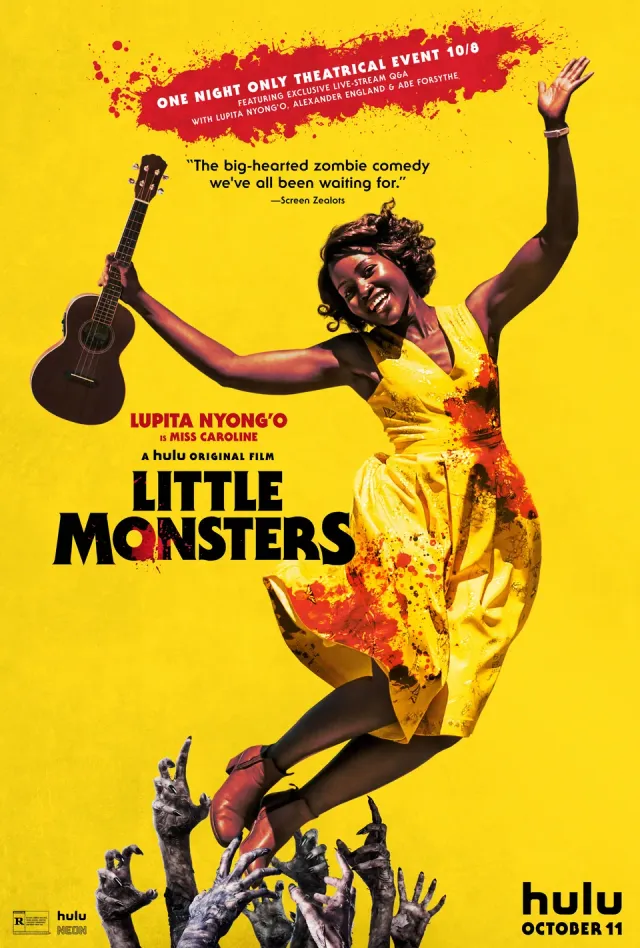
What changes The Hand: character-led opening, gradual dread, investigative and confrontational. Little Monsters: quick comic setup, outbreak escalation and survival set pieces.
After a breakup, washed-up musician Dave moves in with his sister and volunteers to chaperone his young nephew’s school trip. He hopes to spend time with Miss Caroline, the class’s warm kindergarten teacher, but the outing takes a turn when a zombie outbreak reaches the farm. Dave and Caroline work to keep the children calm and safe while a children’s television host joins the chaotic attempt to survive.
Based on recorded story, mood and style. Your preferences can change the order.
Family and care · Work and ambition
What changes The Hand: character-led opening, gradual dread, investigative and confrontational. The Devil's Candy: slow-burn opening, escalating threat and violent climax.
Painter Jesse Hellman moves his wife Astrid and daughter Zooey into an inexpensive farmhouse in rural Texas. Jesse’s work takes an increasingly disturbing turn as a sinister presence enters his music and painting, while the property’s former occupant, Ray Smilie, remains connected to the house. As Ray returns and the family’s safety is threatened, Jesse struggles to protect Zooey without losing himself to the force that has taken hold of his art.
Based on recorded story, mood and style. Your preferences can change the order.
What changes The Hand: character-led opening, gradual dread, investigative and confrontational. Nightmare Alley: gradual and downfall-driven.
Stanton Carlisle joins a traveling carnival and learns to exploit the audience's desire to believe in psychic powers. In the city, he reinvents himself as a sophisticated mentalist and begins targeting wealthy clients with a psychiatrist who understands his methods. Each success draws him deeper into a scheme that requires more control than he possesses. The film follows ambition as it turns performance into manipulation and gradually removes Stant's ability to tell himself a comforting story.
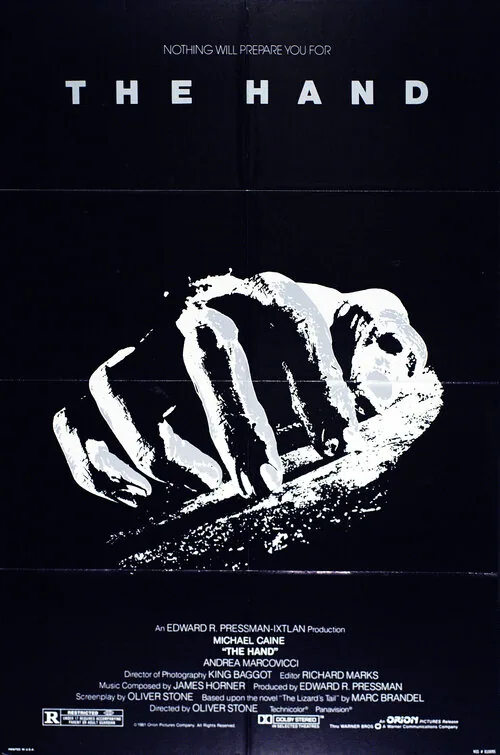
Comic-book artist Jon Lansdale loses his drawing hand in a traffic accident and struggles to adapt to work and family life afterward. His wife Anne and daughter Lizzie are already distant from him, and the injury makes that separation harder to ignore. As Jon searches for the missing hand and tries to rebuild his career, unexplained violence begins to follow people around him. His friend and agent Karen offers professional help, but Jon’s fear and anger make it difficult to know whether the danger comes from an external force or from a mind under strain.
What drives the story
The loss of Jon’s drawing hand disrupts both his income and his sense of self, making a physical injury the center of a larger identity crisis.
The people at its centre
Anne and Lizzie are not simply bystanders; their separate needs reveal how much the marriage had already frayed.
What it feels like
The film lets psychological stress and supernatural possibility overlap, keeping the source of the violence uncertain.
Worth knowing
This is an intimate psychological horror film about creative identity and family strain, not a simple revenge story about an amputated limb.
Disability and identityMarriage and distanceArtistic labor